Beauty · Beauty
Concealing Skin Imperfections: Tips for Flawless Coverage
Understanding skin imperfections and how to conceal them is an important skill for many people. Whether it’s dark circles, acne, scars, or hyperpigmentation, these imperfecti…
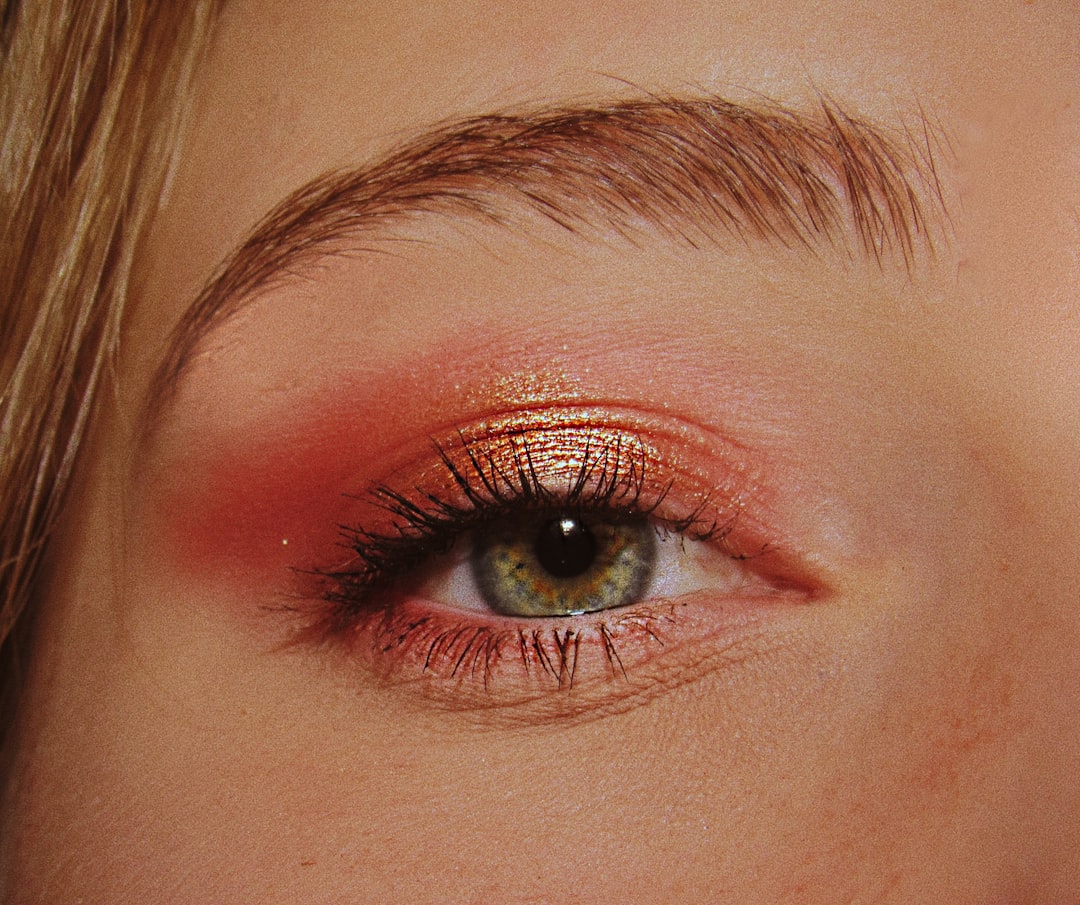
Understanding skin imperfections and how to conceal them is an important skill for many people. Whether it’s dark circles, acne, scars, or hyperpigmentation, these imperfections can affect our confidence and self-esteem. However, with the right knowledge and techniques, it is possible to effectively conceal these problem areas and achieve a flawless complexion. In this article, we will explore various tips and tricks for concealing different types of skin imperfections, helping you feel more confident in your own skin.
Key Takeaways
- Identify your skin imperfections to determine problem areas
- Choose the right concealer and foundation for your skin type and tone
- Properly cleanse and moisturize your skin before applying makeup
- Use techniques for natural-looking concealer application
- Color-correct using the color wheel to neutralize imperfections
Understanding Your Skin Imperfections: Identifying the Problem Areas
Before we can effectively conceal our skin imperfections, it is important to first identify what they are. Common skin imperfections include dark circles, acne, scars, and hyperpigmentation. Dark circles are often caused by lack of sleep or genetics and appear as dark patches under the eyes. Acne can manifest as pimples, blackheads, or whiteheads and is caused by excess oil production and clogged pores. Scars can be the result of acne, injuries, or surgeries and can vary in size and texture. Hyperpigmentation refers to areas of the skin that are darker than the surrounding skin due to an overproduction of melanin.
To identify your own problem areas, start by examining your face in natural light. Look for any areas that appear darker or have a different texture than the rest of your skin. Take note of any acne or scars that you may want to conceal. By understanding your specific problem areas, you can then choose the right products and techniques to effectively conceal them.
Choosing the Right Products: Finding the Best Concealers and Foundations
When it comes to concealing skin imperfections, choosing the right products is crucial. There are various types of concealers and foundations available, each with its own purpose and formulation. Concealers are typically used to target specific problem areas, while foundations provide overall coverage for the entire face.
For dark circles and blemishes, opt for a creamy concealer that matches your skin tone. Look for a formula that provides full coverage and is long-lasting. For scars and hyperpigmentation, consider using a color-correcting concealer. These concealers come in different shades that can neutralize specific imperfections. For example, green color correctors can counteract redness, while peach or orange color correctors can help with dark spots.
When choosing a foundation, consider your skin type and the level of coverage you desire. If you have oily skin, opt for a matte or oil-free foundation to prevent excess shine. If you have dry skin, choose a hydrating or dewy foundation to add moisture to your complexion. It is also important to find a shade that matches your skin tone perfectly to achieve a seamless finish.
Prepping Your Skin: The Importance of Cleansing and Moisturizing
Before applying any makeup, it is essential to properly prep your skin. Cleansing and moisturizing are two crucial steps that should not be skipped. Cleansing removes dirt, oil, and impurities from the skin, creating a clean canvas for makeup application. Moisturizing helps hydrate the skin and create a smooth surface for makeup to adhere to.
Start by cleansing your face with a gentle cleanser suitable for your skin type. Massage the cleanser onto damp skin in circular motions, then rinse thoroughly with lukewarm water. Pat your face dry with a clean towel.
After cleansing, apply a moisturizer that is suitable for your skin type. If you have oily skin, opt for a lightweight, oil-free moisturizer. If you have dry skin, choose a richer moisturizer that provides intense hydration. Allow the moisturizer to fully absorb into the skin before moving on to the next step.
Tips for Applying Concealer: Techniques for a Natural Look
When it comes to applying concealer, there are various techniques you can use to achieve a natural-looking finish. One popular technique is the triangle method for under-eye concealer. Start by drawing an upside-down triangle under each eye, with the base of the triangle extending towards your cheek. Blend the concealer using a damp beauty sponge or a brush, making sure to blend it seamlessly into your foundation.
For blemishes and scars, use a small brush or a clean fingertip to apply concealer directly onto the problem area. Gently pat and blend the concealer until it seamlessly blends into your foundation. Avoid rubbing or dragging the concealer, as this can disrupt the coverage and make the imperfection more noticeable.
To set your concealer and prevent creasing, lightly dust a translucent powder over the concealed areas using a fluffy brush. This will help lock in the concealer and ensure it stays in place throughout the day.
Color-Correcting: Using the Color Wheel to Neutralize Imperfections
Color-correcting is a technique that involves using colors opposite each other on the color wheel to neutralize specific imperfections. By understanding which colors counteract each other, you can effectively camouflage different types of imperfections.
For example, green color correctors are used to counteract redness. If you have acne or rosacea, applying a green color corrector before your foundation can help neutralize the redness and create a more even complexion. Peach or orange color correctors are used to counteract dark spots or hyperpigmentation. Apply these color correctors to the specific areas you want to conceal before applying your foundation.
When using color correctors, it is important to blend them well into your skin and follow up with a foundation that matches your skin tone. This will ensure that the corrected areas blend seamlessly with the rest of your complexion.
Covering Dark Circles: Tricks for Brightening Under-Eye Areas
Dark circles can make us look tired and aged. To effectively conceal dark circles, start by applying a color corrector that is one to two shades lighter than your skin tone. This will help brighten the under-eye area and counteract the darkness. Apply the color corrector in a triangular shape under each eye, extending towards the outer corner of your eye.
After applying the color corrector, use a concealer that matches your skin tone to further conceal the dark circles. Apply the concealer in a patting motion using a brush or your fingertip, making sure to blend it seamlessly into your foundation. Set the concealer with a translucent powder to prevent creasing and ensure it stays in place throughout the day.
To further brighten the under-eye area, you can also use a highlighting concealer or a light-reflecting powder. Apply these products sparingly to the inner corner of your eyes and along the orbital bone, blending them gently with your fingertip or a small brush.
Hiding Acne and Blemishes: How to Conceal Pimples and Redness
Acne and blemishes can be frustrating to deal with, but with the right techniques, you can effectively conceal them. Start by applying a color corrector that matches your skin tone directly onto the blemish or acne spot. Use a small brush or your fingertip to pat and blend the color corrector until it seamlessly blends into your foundation.
After color correcting, apply a concealer that matches your skin tone directly onto the blemish or acne spot. Use a small brush or your fingertip to pat and blend the concealer until it seamlessly blends into your foundation. Avoid rubbing or dragging the concealer, as this can disrupt the coverage and make the blemish more noticeable.
To further conceal redness and inflammation, consider using a green color corrector before applying your foundation. This will help neutralize the redness and create a more even complexion. Apply the green color corrector sparingly to the areas with redness, blending it well into your skin before applying your foundation.
Camouflaging Scars and Hyperpigmentation: Tips for Full Coverage
Scars and hyperpigmentation can be challenging to conceal, but with the right techniques, you can achieve full coverage. Start by applying a color corrector that matches your skin tone directly onto the scar or hyperpigmented area. Use a small brush or your fingertip to pat and blend the color corrector until it seamlessly blends into your foundation.
After color correcting, apply a concealer that matches your skin tone directly onto the scar or hyperpigmented area. Use a small brush or your fingertip to pat and blend the concealer until it seamlessly blends into your foundation. For scars with a different texture, consider using a thicker, creamier concealer that provides more coverage.
To further camouflage scars and hyperpigmentation, consider using a full-coverage foundation. Apply the foundation using a brush or a beauty sponge, making sure to blend it well into your skin. Set the concealed areas with a translucent powder to prevent creasing and ensure long-lasting coverage.
Setting Your Makeup: Preventing Creasing and Smudging
Setting your makeup is an important step to prevent creasing and smudging throughout the day. After applying your concealer and foundation, lightly dust a translucent powder over your entire face using a fluffy brush. This will help set your makeup and ensure it stays in place.
Pay extra attention to the areas where you have applied concealer, such as under the eyes or on blemishes. Use a smaller brush or a sponge to press the powder into these areas, ensuring that they are well-set.
If you have oily skin or live in a humid climate, consider using a setting spray to further lock in your makeup. Mist the setting spray over your entire face, holding the bottle about 8-10 inches away from your face. This will help keep your makeup in place and prevent it from melting or smudging throughout the day.
Touching Up Throughout the Day: Maintaining a Flawless Look
Even with the best techniques and products, it is normal for makeup to fade or wear off throughout the day. To maintain a flawless look, it is important to touch up your makeup as needed.
Carry a small makeup bag with you that contains your concealer, powder, and a small brush or sponge. Throughout the day, check your makeup in natural light and assess if any areas need touching up. If you notice any blemishes or areas of redness peeking through, use your concealer to spot-conceal these areas. Set the concealed areas with powder to ensure they stay in place.
If you have oily skin and notice shine on your T-zone, use a blotting paper or a mattifying powder to absorb excess oil. Gently press the blotting paper onto the shiny areas, or lightly dust the mattifying powder using a brush. This will help control shine and keep your makeup looking fresh.
In conclusion, understanding how to effectively conceal skin imperfections is an important skill that can boost our confidence and help us feel more comfortable in our own skin. By identifying our problem areas, choosing the right products, prepping our skin properly, and using the right techniques, we can achieve a flawless complexion.
Remember to embrace and celebrate your natural beauty while also feeling confident in your ability to conceal imperfections. With practice and patience, you can master the art of concealing and achieve a flawless look that enhances your natural features.
More in
More from Beauty

Beauty · 25 min
Luxury Wellness & Longevity: The Complete Guide to Spas & Retreats
Discover the world’s best luxury wellness spas and longevity clinics, from Clinique La Prairie to SHA Wellness, with expert booking tips and bio…

Beauty · 32 min
Luxury Fragrances & Niche Perfumes: The Complete Guide
Explore luxury fragrances and niche perfumes: fragrance families, top houses like Creed, Byredo, Le Labo, Kilian, Roja, and how to choose and store yo…
Beauty · 16 min
The Science of Luxury Skincare: Ingredients, Treatments, and Routines That Actually Work
Why Luxury Skincare Is Different: and Worth It Walk into any high-end department store and the skincare section is overwhelming. Creams that cost mor…