Beauty · Beauty
Cruelty-Free Kosmetik: Ethical Beauty for All
In recent years, there has been a growing awareness and concern about the ethical implications of the beauty industry. Consumers are becoming more conscious of the impact their bea…
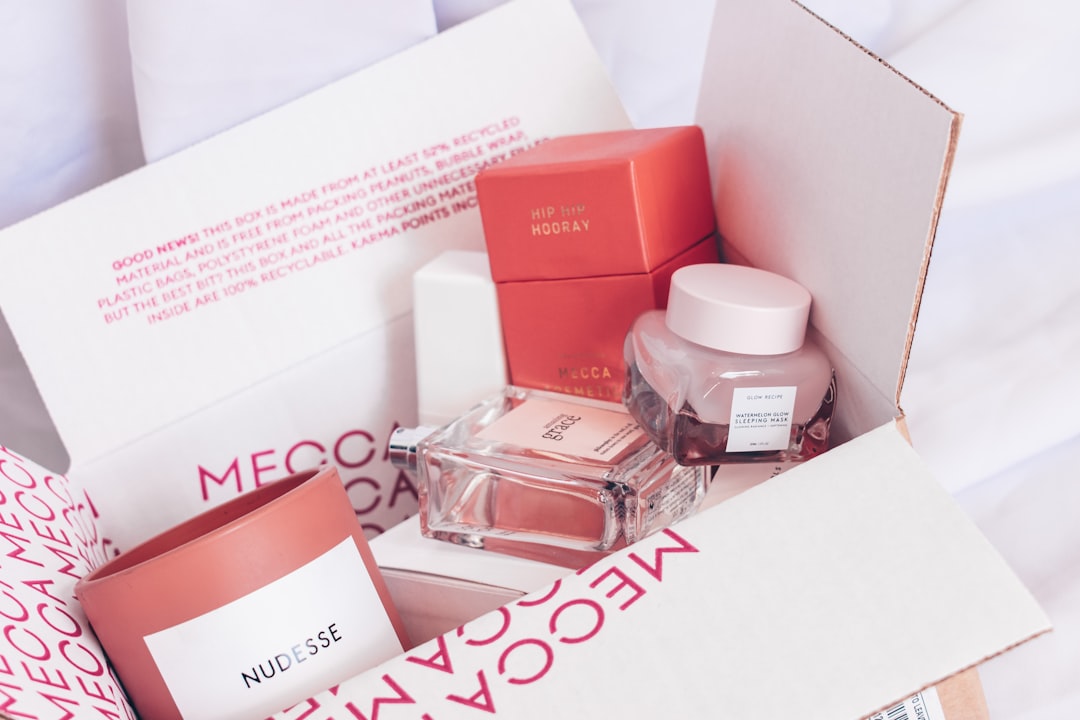
In recent years, there has been a growing awareness and concern about the ethical implications of the beauty industry. Consumers are becoming more conscious of the impact their beauty choices have on animals and the environment. This has led to a rise in the demand for cruelty-free beauty products, also known as Kosmetik in German. Ethical beauty is not just a trend, but a movement towards a more compassionate and sustainable future.
Key Takeaways
- Cruelty-Free Kosmetik refers to beauty products that are not tested on animals.
- Ethical Beauty is important because it promotes sustainability and animal welfare.
- The Beauty Industry has a dark side that includes animal testing and unethical practices.
- Animal Testing is the ugly truth behind many beauty products and causes harm to innocent animals.
- The Rise of Cruelty-Free Beauty Brands offers consumers a more ethical and sustainable option.
What is Cruelty-Free Kosmetik?
Cruelty-free beauty products are those that have not been tested on animals at any stage of their development or production. This includes both the ingredients used in the products and the finished products themselves. These products are often labeled with a cruelty-free logo or certification to assure consumers that no animal testing was involved.
Cruelty-free beauty products differ from traditional beauty products in that they prioritize the well-being of animals and the environment. Traditional beauty products often rely on animal testing to ensure their safety and efficacy. This involves subjecting animals to painful and sometimes lethal experiments to test the effects of these products. Cruelty-free beauty brands, on the other hand, use alternative methods such as in vitro testing, computer modeling, and human volunteers to ensure the safety of their products.
The Importance of Ethical Beauty
The beauty industry has a significant impact on animals and the environment. Animal testing is still prevalent in many countries, with millions of animals being used for experiments each year. This not only causes immense suffering to these animals but also raises ethical concerns about using living beings for cosmetic purposes.
Furthermore, traditional beauty products often contain harmful ingredients that can have detrimental effects on both animals and the environment. These ingredients can pollute waterways, harm marine life, and contribute to air pollution. By choosing ethical beauty products, consumers can make a positive impact by reducing their contribution to these harmful practices.
Consumers play a crucial role in promoting ethical beauty. By supporting cruelty-free beauty brands and demanding transparency from the industry, consumers can send a powerful message that animal testing is not acceptable. This can lead to a shift in the industry towards more ethical and sustainable practices.
The Dark Side of the Beauty Industry
Despite the growing demand for cruelty-free beauty products, animal testing remains prevalent in the beauty industry. Many countries still require animal testing for cosmetic products before they can be sold on the market. This means that even if a brand claims to be cruelty-free, their products may still have been tested on animals in certain markets.
Animal testing involves subjecting animals to painful experiments to test the safety and efficacy of cosmetic products. This can include skin and eye irritation tests, where chemicals are applied to the animals’ skin or eyes to observe the effects. Animals used in these tests often experience pain, distress, and long-term health issues.
Not only is animal testing cruel, but it is also unnecessary. There are alternative methods available, such as in vitro testing and computer modeling, that can provide accurate results without the need for animal experimentation. By supporting cruelty-free beauty brands, consumers can help drive the industry towards adopting these alternative methods.
Animal Testing: The Ugly Truth
Animal testing is a complex and controversial issue. The process involves subjecting animals to experiments to test the safety and efficacy of cosmetic products. Animals used in these tests can include rabbits, mice, rats, guinea pigs, and even dogs and monkeys.
The ethical implications of animal testing are significant. Animals used in these experiments often experience pain, suffering, and long-term health issues. They are confined to small cages, subjected to invasive procedures, and may even be euthanized at the end of the experiment.
Furthermore, animal testing is not always reliable or accurate in predicting human reactions to cosmetic products. Animals have different physiological systems and responses compared to humans, making the results of these tests less applicable to human safety.
The Rise of Cruelty-Free Beauty Brands
The demand for cruelty-free beauty products has been steadily increasing in recent years. Consumers are becoming more conscious of the ethical implications of their beauty choices and are actively seeking out brands that align with their values.
As a result, many cruelty-free beauty brands have emerged to meet this demand. These brands prioritize the well-being of animals and the environment, using alternative methods to ensure the safety and efficacy of their products. They often use natural and organic ingredients, avoiding harmful chemicals that can be found in traditional beauty products.
Cruelty-free beauty brands are not only making a positive impact on animals and the environment but also setting a new standard for the industry. By showing that it is possible to create high-quality beauty products without animal testing, these brands are challenging the status quo and inspiring others to follow suit.
How to Spot Cruelty-Free Products
Identifying cruelty-free beauty products can sometimes be challenging, as not all brands are transparent about their testing practices. However, there are several tips that can help consumers make informed choices:
1. Look for cruelty-free logos or certifications: Many cruelty-free beauty brands will display logos or certifications from organizations such as Leaping Bunny or PETA. These logos indicate that the brand has been verified as cruelty-free.
2. Read labels: Look for statements on the packaging that indicate that the product is cruelty-free or not tested on animals. However, it’s important to note that these claims are not always regulated, so it’s best to do further research.
3. Do your research: Take the time to research brands and their testing practices before making a purchase. Look for information on their website or reach out to them directly to inquire about their testing policies.
4. Use cruelty-free beauty apps: There are several apps available that can help consumers identify cruelty-free beauty products. These apps provide information on brands’ testing practices and can make it easier to make ethical choices.
The Benefits of Using Cruelty-Free Kosmetik
Using cruelty-free beauty products has several benefits, both for animals and the environment. By choosing these products, consumers can make a positive impact in the following ways:
1. Animal welfare: By supporting cruelty-free beauty brands, consumers are actively contributing to the reduction of animal testing in the beauty industry. This can help spare countless animals from unnecessary suffering and cruelty.
2. Environmental impact: Cruelty-free beauty products often use natural and organic ingredients that are less harmful to the environment. By avoiding chemicals and toxins found in traditional beauty products, consumers can help reduce pollution and protect ecosystems.
3. Personal health: Many traditional beauty products contain harmful ingredients that can have negative effects on our health. By choosing cruelty-free beauty products, consumers can avoid these potentially harmful chemicals and prioritize their own well-being.
4. Quality and efficacy: Contrary to popular belief, cruelty-free beauty products are not inferior in quality or efficacy compared to traditional beauty products. In fact, many cruelty-free brands prioritize using high-quality ingredients and innovative formulations to create effective products.
Ethical Beauty: A Step Towards Sustainability
Ethical beauty is closely linked to sustainability. By choosing cruelty-free beauty products, consumers are making a conscious decision to support brands that prioritize the well-being of animals and the environment.
The beauty industry has a significant environmental footprint, from the production of ingredients to packaging waste. By supporting cruelty-free brands that use sustainable practices, consumers can help reduce this impact and promote a more sustainable future.
Furthermore, ethical beauty choices go beyond just the products themselves. Consumers can also consider other factors such as packaging materials, recycling programs, and the overall sustainability practices of the brand. By making informed choices, consumers can contribute to a more sustainable and ethical beauty industry.
Cruelty-Free Kosmetik for All Skin Types
One common misconception about cruelty-free beauty products is that they are only suitable for certain skin types. However, this is not the case. Cruelty-free beauty brands offer a wide range of products that cater to all skin types and concerns.
Whether you have dry, oily, sensitive, or combination skin, there are cruelty-free options available for you. These products are formulated with natural and organic ingredients that are gentle on the skin and can address specific concerns such as acne, aging, or hyperpigmentation.
In fact, many cruelty-free beauty brands prioritize using ingredients that are beneficial for the skin, such as plant extracts, vitamins, and antioxidants. These ingredients can nourish and hydrate the skin, promoting a healthy and radiant complexion.
Making Ethical Choices: Your Guide to Cruelty-Free Beauty
Making ethical beauty choices can sometimes feel overwhelming, but it doesn’t have to be. Here are some tips to help you navigate the world of cruelty-free beauty:
1. Educate yourself: Take the time to learn about the issues surrounding animal testing and the impact of the beauty industry on animals and the environment. This will empower you to make informed choices and support brands that align with your values.
2. Research brands: Before making a purchase, research the brand’s testing practices and their commitment to cruelty-free beauty. Look for transparency and certifications from reputable organizations.
3. Support cruelty-free brands: Choose to support brands that prioritize animal welfare and sustainability. By purchasing their products, you are sending a message to the industry that ethical practices are important to consumers.
4. Spread the word: Share your knowledge and experiences with others. By raising awareness about cruelty-free beauty, you can inspire others to make ethical choices as well.
There are also several resources available to help you find cruelty-free beauty products. Websites such as Cruelty-Free Kitty and Logical Harmony provide comprehensive lists of cruelty-free brands and products. These resources can make it easier to find and support ethical beauty brands.
Ethical beauty is not just a passing trend, but a movement towards a more compassionate and sustainable future. By choosing cruelty-free beauty products, consumers can make a positive impact on animals, the environment, and their own well-being.
The beauty industry has a significant impact on animals and the environment, but consumers have the power to drive change. By supporting cruelty-free beauty brands and demanding transparency from the industry, consumers can help create a more ethical and sustainable beauty industry.
It’s time to make ethical choices and embrace cruelty-free Kosmetik. Together, we can create a world where beauty is not at the expense of animals and the environment.
More in
More from Beauty
Beauty · 25 min
Luxury Wellness & Longevity: The Complete Guide to Spas & Retreats
Discover the world’s best luxury wellness spas and longevity clinics, from Clinique La Prairie to SHA Wellness, with expert booking tips and bio…
Beauty · 32 min
Luxury Fragrances & Niche Perfumes: The Complete Guide
Explore luxury fragrances and niche perfumes: fragrance families, top houses like Creed, Byredo, Le Labo, Kilian, Roja, and how to choose and store yo…
Beauty · 16 min
The Science of Luxury Skincare: Ingredients, Treatments, and Routines That Actually Work
Why Luxury Skincare Is Different: and Worth It Walk into any high-end department store and the skincare section is overwhelming. Creams that cost mor…