Beauty · Beauty
Essential Oils for Skin Care: Unlocking the Benefits
Essential oils have gained popularity in recent years for their numerous benefits in skin care. These concentrated plant extracts are known for their therapeutic properties and hav…
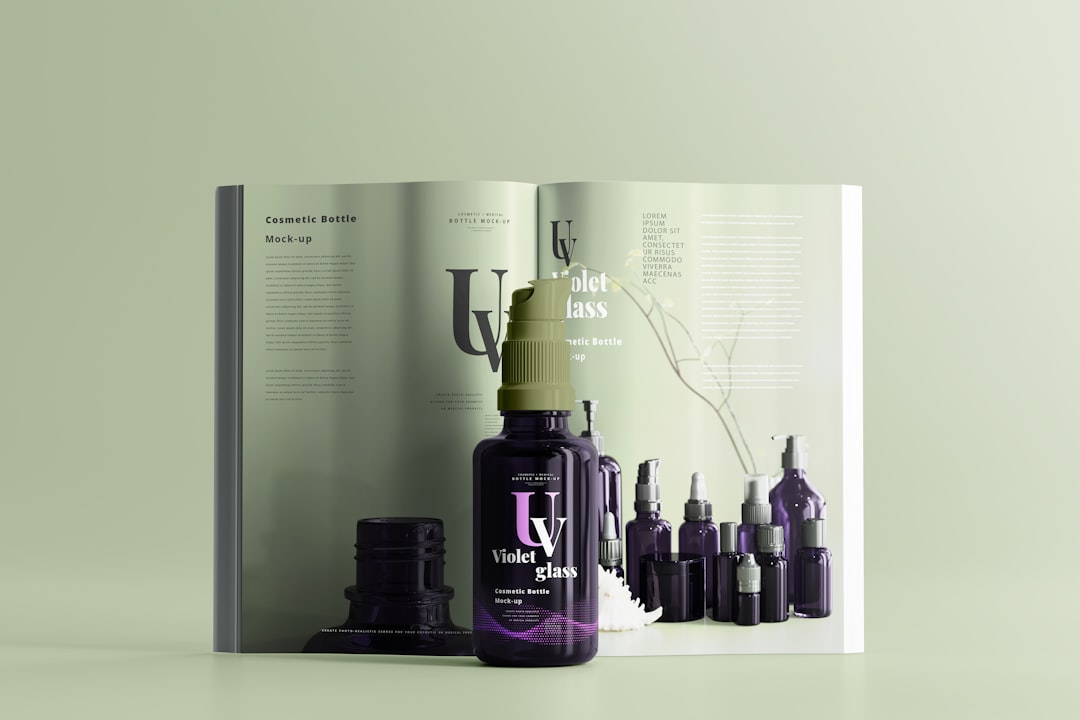
Essential oils have gained popularity in recent years for their numerous benefits in skin care. These concentrated plant extracts are known for their therapeutic properties and have been used for centuries in various cultures for their healing abilities. Essential oils can be a natural and effective addition to your skin care routine, providing a wide range of benefits such as antimicrobial, anti-inflammatory, antioxidant, and moisturizing properties. In this article, we will explore the world of essential oils and how they can enhance your skin care regimen.
Key Takeaways
- Essential oils are highly concentrated plant extracts that can be used for skin care.
- Essential oils can provide a range of benefits for the skin, including hydration, anti-aging, and inflammation reduction.
- Different essential oils are better suited for different skin types, such as oily, dry, combination, and sensitive skin.
- It’s important to use essential oils safely and effectively, such as by diluting them and doing a patch test before use.
- Essential oils like tea tree, lavender, and frankincense can be effective for acne-prone skin, while rosehip and geranium can be beneficial for anti-aging.
What are essential oils and how do they work on the skin?
Essential oils are highly concentrated plant extracts that capture the natural fragrance and beneficial properties of plants. They are extracted through various methods such as steam distillation, cold pressing, or solvent extraction. These oils contain the essence of the plant, including its aroma and therapeutic compounds.
When applied to the skin, essential oils can penetrate the outermost layer and interact with the deeper layers of the skin. They can be absorbed into the bloodstream and have systemic effects on the body. The molecular structure of essential oils allows them to easily pass through the lipid barrier of the skin, making them an effective delivery system for active compounds.
The benefits of using essential oils for skin care
1. Antimicrobial properties: Many essential oils have powerful antimicrobial properties that can help combat bacteria, fungi, and viruses on the skin. Tea tree oil, for example, is well-known for its antibacterial properties and is often used to treat acne and other skin infections.
2. Anti-inflammatory properties: Essential oils can help reduce inflammation in the skin, making them beneficial for conditions such as eczema, psoriasis, and rosacea. Lavender oil, chamomile oil, and frankincense oil are all known for their anti-inflammatory properties.
3. Antioxidant properties: Essential oils are rich in antioxidants, which help protect the skin from free radicals and oxidative stress. This can help slow down the aging process and reduce the appearance of wrinkles and fine lines. Rosehip oil, carrot seed oil, and pomegranate seed oil are all high in antioxidants.
4. Moisturizing properties: Many essential oils have moisturizing properties that can help hydrate and nourish the skin. They can help improve the skin’s barrier function and prevent moisture loss. Oils such as jojoba oil, argan oil, and rosehip oil are all excellent moisturizers for the skin.
Essential oils for different skin types: oily, dry, combination, sensitive
1. Best essential oils for oily skin: Oily skin can benefit from essential oils that have astringent and balancing properties. Tea tree oil, lavender oil, and geranium oil are all great options for oily skin as they can help regulate sebum production and reduce the appearance of blemishes.
2. Best essential oils for dry skin: Dry skin requires oils that are rich in fatty acids and have moisturizing properties. Rosehip oil, argan oil, and avocado oil are all excellent choices for dry skin as they can help hydrate and nourish the skin.
3. Best essential oils for combination skin: Combination skin can benefit from a combination of oils that address both oily and dry areas. Jojoba oil, grapeseed oil, and rosemary oil are all suitable for combination skin as they can help balance sebum production while providing hydration.
4. Best essential oils for sensitive skin: Sensitive skin requires gentle and soothing oils that won’t cause irritation or inflammation. Chamomile oil, calendula oil, and helichrysum oil are all great options for sensitive skin as they have calming and anti-inflammatory properties.
How to use essential oils safely and effectively on the skin
1. Dilution guidelines: Essential oils are highly concentrated and should always be diluted before applying to the skin. The general rule of thumb is to use a 1-2% dilution, which means adding 1-2 drops of essential oil to every teaspoon of carrier oil. This helps prevent skin irritation and sensitization.
2. Patch testing: Before using a new essential oil on your skin, it’s important to perform a patch test to check for any adverse reactions. Apply a small amount of diluted oil to a small area of skin and wait 24 hours to see if any redness, itching, or irritation occurs.
3. Safe usage tips: When using essential oils on the skin, it’s important to follow these safety guidelines:
– Avoid applying undiluted essential oils directly to the skin.
– Keep essential oils away from the eyes, mouth, and mucous membranes.
– If you have any underlying medical conditions or are pregnant or breastfeeding, consult with a healthcare professional before using essential oils.
Essential oils for acne-prone skin: which ones to use and how to apply them
1. Best essential oils for acne-prone skin: Tea tree oil is one of the most popular essential oils for acne-prone skin due to its powerful antibacterial properties. Other effective options include lavender oil, clary sage oil, and rosemary oil.
2. How to apply essential oils for acne: To use essential oils for acne, dilute a few drops in a carrier oil such as jojoba oil or grapeseed oil and apply directly to the affected areas. You can also add a few drops of essential oil to your facial cleanser or moisturizer for added benefits.
Essential oils for anti-aging: which ones are best and how to incorporate them into your routine
1. Best essential oils for anti-aging: Rosehip oil is one of the best essential oils for anti-aging due to its high content of antioxidants and essential fatty acids. Other effective options include frankincense oil, geranium oil, and neroli oil.
2. How to incorporate essential oils into your anti-aging routine: Add a few drops of essential oil to your facial serum or moisturizer and apply to the skin daily. You can also create a DIY facial oil blend using a combination of anti-aging essential oils and carrier oils.
Essential oils for hydration: which ones to use for dry skin and how to use them
1. Best essential oils for hydration: Argan oil is one of the best essential oils for hydration as it is rich in fatty acids and vitamin E. Other effective options include rosehip oil, avocado oil, and jojoba oil.
2. How to use essential oils for dry skin: Apply a few drops of essential oil to damp skin after cleansing and toning. Gently massage the oil into the skin until fully absorbed. You can also mix a few drops of essential oil with your moisturizer for added hydration.
Essential oils for inflammation: which ones are best for calming irritated skin
1. Best essential oils for inflammation: Lavender oil is one of the best essential oils for calming irritated skin due to its anti-inflammatory properties. Other effective options include chamomile oil, helichrysum oil, and rosemary oil.
2. How to use essential oils for calming irritated skin: Dilute a few drops of essential oil in a carrier oil and apply directly to the affected areas. You can also add a few drops of essential oil to a warm bath or use them in a facial steam to soothe inflamed skin.
Essential oils for dark spots and hyperpigmentation: which ones to use and how to apply them
1. Best essential oils for dark spots and hyperpigmentation: Lemon oil is one of the best essential oils for lightening dark spots and hyperpigmentation due to its high content of vitamin C. Other effective options include carrot seed oil, rosehip oil, and frankincense oil.
2. How to apply essential oils for dark spots and hyperpigmentation: Dilute a few drops of essential oil in a carrier oil and apply directly to the dark spots or hyperpigmented areas. You can also add a few drops of essential oil to your facial serum or moisturizer for added benefits.
Essential oil blends for specific skin concerns: recipes and tips for creating your own custom blends
1. Recipes for essential oil blends for specific skin concerns:
– Acne blend: 4 drops tea tree oil, 2 drops lavender oil, 2 drops clary sage oil. Dilute in 1 tablespoon of jojoba oil.
– Anti-aging blend: 4 drops rosehip oil, 2 drops frankincense oil, 2 drops geranium oil. Dilute in 1 tablespoon of argan oil.
– Hydration blend: 4 drops argan oil, 2 drops rosehip oil, 2 drops avocado oil. Dilute in 1 tablespoon of jojoba oil.
– Calming blend: 4 drops lavender oil, 2 drops chamomile oil, 2 drops helichrysum oil. Dilute in 1 tablespoon of grapeseed oil.
2. Tips for creating your own custom blends:
– Start with a carrier oil that suits your skin type and add a few drops of essential oils based on your specific concerns.
– Experiment with different combinations of essential oils to find what works best for your skin.
– Keep track of the ratios and blends that work well for you so you can recreate them in the future.
Incorporating essential oils into your skin care routine can provide numerous benefits for your skin. From their antimicrobial and anti-inflammatory properties to their moisturizing and antioxidant effects, essential oils can help improve the overall health and appearance of your skin. Whether you have oily, dry, combination, or sensitive skin, there are essential oils that can address your specific concerns. By following safe usage guidelines and experimenting with different blends, you can find the perfect combination of essential oils to enhance your skin care routine. So why not give essential oils a try and experience the natural wonders they have to offer for your skin?
More in
More from Beauty
Beauty · 25 min
Luxury Wellness & Longevity: The Complete Guide to Spas & Retreats
Discover the world’s best luxury wellness spas and longevity clinics, from Clinique La Prairie to SHA Wellness, with expert booking tips and bio…
Beauty · 32 min
Luxury Fragrances & Niche Perfumes: The Complete Guide
Explore luxury fragrances and niche perfumes: fragrance families, top houses like Creed, Byredo, Le Labo, Kilian, Roja, and how to choose and store yo…
Beauty · 16 min
The Science of Luxury Skincare: Ingredients, Treatments, and Routines That Actually Work
Why Luxury Skincare Is Different: and Worth It Walk into any high-end department store and the skincare section is overwhelming. Creams that cost mor…