Beauty · Beauty
How to flawlessly apply foundation
Foundation is an essential step in any makeup routine. It helps to even out the skin tone, cover imperfections, and create a smooth canvas for the rest of your makeup. However, app…
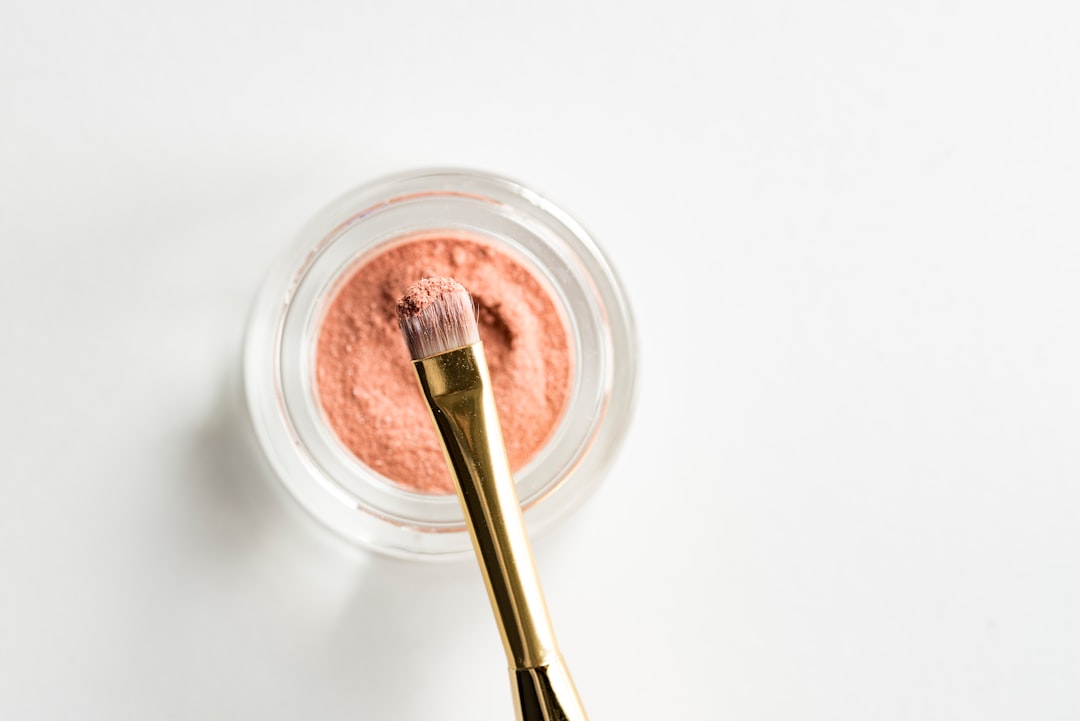
Foundation is an essential step in any makeup routine. It helps to even out the skin tone, cover imperfections, and create a smooth canvas for the rest of your makeup. However, applying foundation can be a daunting task if you don’t have the right techniques and tools. In this article, we will discuss everything you need to know about applying foundation flawlessly. From prepping your skin to choosing the right foundation and applying it with the right tools, we will cover all the tips and techniques you need to achieve a flawless finish.
Key Takeaways
- Prepping your skin is crucial for a flawless foundation application.
- Choosing the right foundation shade and formula is key for a natural look.
- Applying primer before foundation helps it last longer and look smoother.
- Both brushes and sponges can be effective tools for applying foundation.
- Follow a step-by-step guide for liquid foundation application to achieve a flawless finish.
Prepping Your Skin: The Key to a Flawless Foundation Application
Before applying foundation, it is important to prep your skin properly. This step ensures that your foundation goes on smoothly and lasts longer throughout the day. The first step in prepping your skin is cleansing and moisturizing. Cleansing removes any dirt, oil, or makeup residue from your skin, while moisturizing hydrates and nourishes your skin, creating a smooth base for foundation application.
Exfoliating and toning are also important steps in prepping your skin for foundation. Exfoliating removes dead skin cells and unclogs pores, allowing your foundation to go on smoothly. Toning helps to balance the pH level of your skin and tighten pores, creating a smoother surface for foundation application.
Using a face primer is another crucial step in prepping your skin for foundation. A primer creates a barrier between your skin and foundation, helping it to adhere better and last longer. It also helps to minimize the appearance of pores and fine lines, creating a smoother canvas for foundation application.
Choosing the Right Foundation: Tips for Finding Your Perfect Match
Choosing the right foundation is essential for achieving a flawless finish. There are several factors to consider when selecting a foundation that matches your skin perfectly. First, consider your skin type and undertone. If you have oily skin, opt for a matte or oil-free foundation. If you have dry skin, choose a hydrating or dewy foundation. For combination skin, look for a foundation that balances oil and hydration.
Next, consider the coverage and finish you desire. If you have blemishes or discoloration that you want to cover, opt for a full coverage foundation. If you prefer a more natural look, go for a light to medium coverage foundation. As for the finish, choose between matte, satin, or dewy depending on your preference.
Testing and swatching foundations is crucial to finding your perfect match. Test the foundation on your jawline or neck to see if it matches your skin tone. It is also important to test the foundation in natural light to ensure it blends seamlessly with your skin.
Applying Primer: The Secret to Long-Lasting Foundation
Using a primer before applying foundation is a game-changer. It helps to create a smooth base for foundation application and ensures that your makeup lasts longer throughout the day. There are different types of primers available, such as pore-minimizing primers, color-correcting primers, and illuminating primers. Choose a primer that addresses your specific skin concerns.
To apply primer, start by applying a small amount onto clean, moisturized skin. Use your fingers or a brush to blend it evenly all over your face. Pay extra attention to areas with larger pores or fine lines. Allow the primer to set for a few minutes before applying foundation.
Using Brushes vs. Sponges: Which Tool is Best for Applying Foundation?
When it comes to applying foundation, there are two main tools to choose from: brushes and sponges. Both have their pros and cons, so it ultimately comes down to personal preference.
Brushes are great for achieving a more airbrushed finish. They come in different shapes and sizes, such as flat brushes, stippling brushes, and buffing brushes. Flat brushes are ideal for applying liquid foundation, while stippling brushes create a more natural finish. Buffing brushes are great for blending and buffing out foundation for a seamless look.
Sponges, on the other hand, are perfect for achieving a more natural and dewy finish. They can be used damp or dry, depending on the desired coverage. Damp sponges provide a more sheer coverage, while dry sponges offer more coverage. Sponges are also great for blending and buffing out foundation for a seamless finish.
To use a brush, simply apply foundation onto the brush and buff it onto your skin using circular motions. To use a sponge, dampen it with water or a setting spray and bounce it onto your skin to blend the foundation.
How to Apply Liquid Foundation: Step-by-Step Guide for a Flawless Finish
Liquid foundation is one of the most popular types of foundation due to its versatility and coverage. To apply liquid foundation flawlessly, start by preparing your skin with cleansing, moisturizing, and priming. This ensures that your foundation goes on smoothly and lasts longer.
Next, apply a small amount of foundation onto the back of your hand or directly onto your brush or sponge. Start by applying dots of foundation onto your forehead, cheeks, nose, and chin. Use a brush or sponge to blend the foundation outward in circular motions, ensuring that it is evenly distributed.
Once the foundation is blended, use a clean brush or sponge to pat any excess product into the skin for a seamless finish. Set your liquid foundation with a setting powder or spray to ensure that it lasts longer throughout the day.
Tips for Applying Powder Foundation: Achieving a Natural Look
Powder foundation is another popular option for those who prefer a more natural look. To apply powder foundation flawlessly, start by preparing your skin with cleansing, moisturizing, and priming.
Next, use a fluffy brush to pick up a small amount of powder foundation. Tap off any excess product before applying it onto your skin. Start by applying the powder onto your forehead, cheeks, nose, and chin. Use circular motions to blend the powder into your skin, ensuring that it is evenly distributed.
Once the powder foundation is blended, use a clean brush to buff out any excess product for a natural finish. Set your powder foundation with a setting spray to ensure that it lasts longer throughout the day.
How to Apply Foundation to Dry Skin: Preventing Flakiness and Caking
Applying foundation to dry skin can be challenging as it tends to emphasize flakiness and caking. To prevent this, start by prepping your skin with cleansing, moisturizing, and exfoliating. This helps to remove any dry patches and create a smooth base for foundation application.
When choosing a foundation for dry skin, opt for a hydrating or dewy formula. These foundations provide extra moisture and give the skin a healthy glow. Avoid matte or powder foundations as they can further dry out the skin.
To apply foundation to dry skin, start by applying a small amount onto your brush or sponge. Begin by applying dots of foundation onto your forehead, cheeks, nose, and chin. Use a brush or sponge to blend the foundation outward in circular motions, ensuring that it is evenly distributed.
Once the foundation is blended, use a clean brush or sponge to pat any excess product into the skin for a seamless finish. Set your foundation with a hydrating setting spray to lock in moisture and prevent caking.
How to Apply Foundation to Oily Skin: Minimizing Shine and Breakouts
Applying foundation to oily skin can be challenging as it tends to make the skin look shiny and can lead to breakouts. To prevent this, start by prepping your skin with cleansing, toning, and using a mattifying primer. This helps to control oil and create a smooth base for foundation application.
When choosing a foundation for oily skin, opt for a matte or oil-free formula. These foundations help to control shine and keep the skin looking matte throughout the day. Avoid dewy or luminous foundations as they can make the skin look even oilier.
To apply foundation to oily skin, start by applying a small amount onto your brush or sponge. Begin by applying dots of foundation onto your forehead, cheeks, nose, and chin. Use a brush or sponge to blend the foundation outward in circular motions, ensuring that it is evenly distributed.
Once the foundation is blended, use a clean brush or sponge to pat any excess product into the skin for a seamless finish. Set your foundation with a mattifying setting powder to control shine and keep your makeup in place.
Blending Techniques: How to Achieve a Seamless, Airbrushed Look
Blending is key to achieving a seamless, airbrushed look with your foundation. There are several techniques you can use to blend your foundation flawlessly.
Stippling is a technique where you lightly tap or stipple the foundation onto your skin using a brush or sponge. This creates a natural and airbrushed finish. Start by applying dots of foundation onto your forehead, cheeks, nose, and chin. Use a stippling brush or damp sponge to lightly tap the foundation into your skin, ensuring that it is evenly distributed.
Buffing is another technique that helps to blend foundation seamlessly into the skin. Start by applying dots of foundation onto your forehead, cheeks, nose, and chin. Use a buffing brush or damp sponge to buff the foundation into your skin using circular motions. This helps to create a flawless and natural finish.
Patting is a technique that involves using your fingers to pat the foundation into your skin. This technique is great for achieving a natural and dewy finish. Start by applying dots of foundation onto your forehead, cheeks, nose, and chin. Use your fingers to gently pat the foundation into your skin, ensuring that it is evenly distributed.
Setting Your Foundation: The Final Step for a Flawless Finish
Setting your foundation is the final step in achieving a flawless finish. It helps to lock in your foundation, control shine, and make your makeup last longer throughout the day. There are different types of setting powders and sprays available, such as translucent powders, pressed powders, and setting sprays.
To set your foundation with powder, use a fluffy brush to pick up a small amount of powder. Tap off any excess product before gently pressing the powder onto your skin. Focus on areas that tend to get oily, such as the T-zone. Use a clean brush to buff out any excess powder for a seamless finish.
To set your foundation with a spray, hold the bottle about 8-10 inches away from your face and mist it evenly all over. Allow the spray to dry before applying any other makeup products.
Achieving a flawless foundation application is not as difficult as it may seem. By prepping your skin properly, choosing the right foundation, and using the right tools and techniques, you can achieve a flawless finish every time. Remember to cleanse, moisturize, and prime your skin before applying foundation. Choose a foundation that matches your skin type and undertone, and test it in natural light to ensure a perfect match. Use brushes or sponges to apply and blend your foundation seamlessly, and set it with powder or spray for long-lasting wear. With these tips and techniques, you can confidently apply foundation and achieve a flawless finish every time.
More in
More from Beauty

Beauty · 25 min
Luxury Wellness & Longevity: The Complete Guide to Spas & Retreats
Discover the world’s best luxury wellness spas and longevity clinics, from Clinique La Prairie to SHA Wellness, with expert booking tips and bio…
Beauty · 32 min
Luxury Fragrances & Niche Perfumes: The Complete Guide
Explore luxury fragrances and niche perfumes: fragrance families, top houses like Creed, Byredo, Le Labo, Kilian, Roja, and how to choose and store yo…
Beauty · 16 min
The Science of Luxury Skincare: Ingredients, Treatments, and Routines That Actually Work
Why Luxury Skincare Is Different: and Worth It Walk into any high-end department store and the skincare section is overwhelming. Creams that cost mor…