Beauty · Beauty
Long Hair Care: Essential Tips for Healthy Locks
Taking care of long hair is essential for maintaining its health and beauty. Long hair requires special attention and care to keep it looking its best. In this article, we will exp…
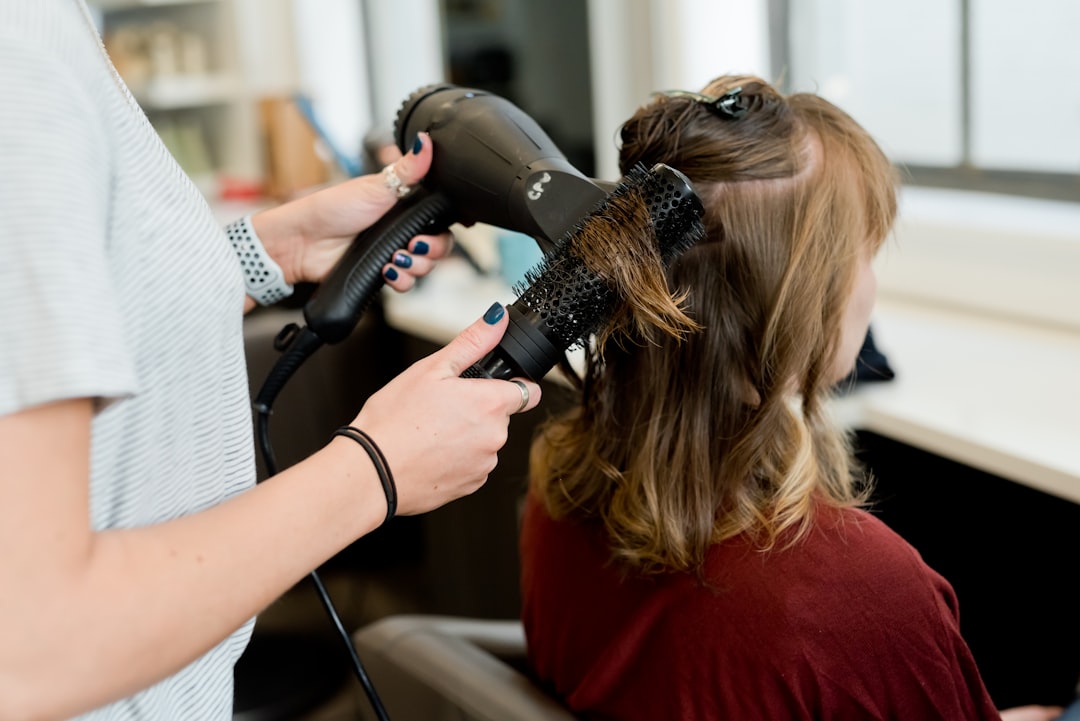
Taking care of long hair is essential for maintaining its health and beauty. Long hair requires special attention and care to keep it looking its best. In this article, we will explore the various aspects of long hair care, including understanding the basics of hair growth, the importance of a healthy diet, the role of hair products, tips for washing and conditioning, preventing damage, styling dos and don’ts, dealing with split ends and breakage, and final thoughts on long hair care.
Key Takeaways
- Long hair care requires understanding the basics of hair growth and the importance of a healthy diet.
- Hair products play a crucial role in maintaining long hair, but it’s important to choose the right ones.
- Washing long hair requires special attention and techniques to prevent damage.
- Conditioning is essential for keeping long hair healthy and preventing breakage.
- Styling long hair requires following dos and don’ts to avoid damaging the hair.
Understanding the Basics of Hair Growth
To properly care for long hair, it is important to understand the basics of hair growth. Hair goes through a natural growth cycle that consists of three phases: anagen, catagen, and telogen. The anagen phase is the active growth phase where the hair follicles produce new hair cells. This phase can last anywhere from two to seven years. The catagen phase is a transitional phase where the hair follicles shrink and detach from the blood supply. This phase lasts for about two weeks. The telogen phase is the resting phase where the old hair sheds and new hair begins to grow. This phase lasts for about three months.
Several factors can affect hair growth, including genetics, age, hormones, and overall health. Genetics play a significant role in determining the length and thickness of your hair. Age can also affect hair growth, as hair tends to grow slower as we get older. Hormonal changes, such as those that occur during pregnancy or menopause, can also impact hair growth. Additionally, maintaining overall good health through proper nutrition and exercise can promote healthy hair growth.
To promote healthy hair growth, it is important to take care of your scalp and provide it with the necessary nutrients. Massaging your scalp regularly can stimulate blood flow to the hair follicles and promote hair growth. Additionally, incorporating a balanced diet rich in vitamins and minerals can provide the necessary nutrients for healthy hair growth. Foods such as eggs, fish, nuts, and leafy greens are all good sources of essential nutrients for hair health.
Importance of a Healthy Diet for Long Hair
A healthy diet plays a crucial role in maintaining long and healthy hair. Nutrients such as protein, vitamins, and minerals are essential for promoting hair growth and preventing hair loss. Protein is the building block of hair, so it is important to include sources of protein in your diet, such as lean meats, fish, eggs, and legumes. Vitamins such as vitamin A, vitamin C, and vitamin E are important for maintaining the health of the scalp and promoting hair growth. Minerals like iron and zinc are also important for healthy hair growth.
Incorporating a healthy diet into your hair care routine can be as simple as making small changes to your daily meals. Including foods that are good for long hair, such as fruits, vegetables, whole grains, and lean proteins, can provide the necessary nutrients for healthy hair growth. It is also important to stay hydrated by drinking plenty of water throughout the day.
The Role of Hair Products in Long Hair Care
Using the right hair products is essential for maintaining the health and beauty of long hair. There are various types of hair products that are beneficial for long hair, including shampoos, conditioners, serums, and oils. When choosing hair products for long hair, it is important to consider your hair type and specific needs.
For example, if you have dry or damaged hair, you may want to look for moisturizing shampoos and conditioners that can help restore moisture and repair damage. If you have oily hair, you may want to look for clarifying shampoos that can remove excess oil and buildup. Additionally, using a leave-in conditioner or serum can help protect your hair from heat damage and provide added moisture.
Using hair products effectively is also important for long hair care. It is important to follow the instructions on the product labels and use the recommended amount of product. Applying too much product can weigh down your hair and make it look greasy. It is also important to evenly distribute the product throughout your hair, focusing on the ends where damage is most likely to occur.
Tips for Washing Long Hair
Washing long hair requires special care and attention to keep it clean and healthy. How often you should wash your long hair depends on your hair type and personal preference. Some people may need to wash their hair every day, while others may only need to wash it once or twice a week. Washing your hair too frequently can strip it of its natural oils and cause it to become dry and brittle.
When washing long hair, it is important to use lukewarm water instead of hot water, as hot water can strip the hair of its natural oils. It is also important to choose a shampoo that is suitable for your hair type and specific needs. For example, if you have dry or damaged hair, you may want to look for a moisturizing shampoo that can help restore moisture and repair damage.
After shampooing, it is important to thoroughly rinse your hair to remove any residue. It is also important to avoid rubbing your hair vigorously with a towel, as this can cause damage and breakage. Instead, gently squeeze out excess water and pat your hair dry with a soft towel.
The Importance of Conditioning for Long Hair
Conditioning is an essential step in long hair care as it helps to moisturize and nourish the hair, making it more manageable and less prone to breakage. Conditioning helps to restore moisture that may have been lost during the washing process and provides a protective barrier against environmental damage.
When choosing a conditioner for long hair, it is important to consider your specific needs. If you have dry or damaged hair, you may want to look for a deep conditioning treatment or a leave-in conditioner that can provide extra moisture and repair damage. If you have oily hair, you may want to look for a lightweight conditioner that won’t weigh your hair down.
To effectively condition long hair, it is important to apply the conditioner evenly throughout your hair, focusing on the ends where damage is most likely to occur. It is also important to leave the conditioner on for the recommended amount of time to allow it to penetrate the hair shaft and provide maximum benefits. After rinsing out the conditioner, it is important to gently squeeze out excess water and avoid rubbing your hair vigorously with a towel.
How to Prevent Damage to Long Hair
Preventing damage is crucial for maintaining the health and beauty of long hair. There are several common causes of damage to long hair, including heat styling, chemical treatments, over-brushing, and environmental factors. To prevent damage, it is important to take proactive measures and adopt healthy hair care practices.
One of the best ways to prevent damage to long hair is by minimizing heat styling. Excessive heat can cause the hair cuticles to lift, leading to dryness, frizz, and breakage. If you must use heat styling tools, it is important to use a heat protectant spray or serum to minimize damage. It is also important to use the lowest heat setting possible and avoid using heat styling tools on wet or damp hair.
Chemical treatments such as coloring, perming, and relaxing can also cause damage to long hair. If you choose to undergo these treatments, it is important to seek professional help and follow their recommendations for aftercare. Additionally, it is important to give your hair regular breaks from chemical treatments and allow it time to recover.
Over-brushing can also cause damage to long hair, especially if done aggressively or with the wrong type of brush. It is important to use a wide-toothed comb or a brush with soft bristles to detangle your hair gently. It is also important to avoid brushing your hair when it is wet, as wet hair is more prone to breakage.
Environmental factors such as sun exposure, wind, and pollution can also cause damage to long hair. To protect your hair from these factors, it is important to wear a hat or use a scarf when spending time outdoors. Additionally, it is important to rinse your hair thoroughly after swimming in chlorinated or saltwater and use a clarifying shampoo to remove any residue.
Styling Long Hair: Dos and Don’ts
Styling long hair can be fun and versatile, but it is important to follow certain dos and don’ts to prevent damage and maintain the health of your hair. When styling long hair, it is important to be gentle and avoid pulling or tugging on the hair. It is also important to use the right tools and accessories that won’t cause damage.
One of the best practices for styling long hair is to avoid tight hairstyles that can cause tension and breakage. Instead, opt for loose hairstyles that allow your hair to move freely. Braids, buns, and ponytails are all great options for long hair as they can help keep your hair out of your face while still looking stylish.
When using heat styling tools, it is important to use a heat protectant spray or serum to minimize damage. It is also important to use the lowest heat setting possible and avoid using heat styling tools on wet or damp hair. Additionally, it is important to give your hair regular breaks from heat styling and allow it time to recover.
Using the right tools and accessories is also important for styling long hair. It is important to use a wide-toothed comb or a brush with soft bristles to detangle your hair gently. It is also important to avoid using elastic bands with metal parts, as they can cause breakage. Instead, opt for hair ties or scrunchies made of fabric or soft materials.
Dealing with Split Ends and Breakage in Long Hair
Split ends and breakage are common problems that can occur in long hair. Split ends occur when the hair shaft splits into two or more strands, while breakage occurs when the hair breaks off at various points along the shaft. Both split ends and breakage can make your hair look dull, frizzy, and unhealthy.
There are several causes of split ends and breakage in long hair, including heat styling, chemical treatments, over-brushing, and environmental factors. To prevent split ends and breakage, it is important to follow healthy hair care practices and take proactive measures.
One of the best ways to prevent split ends and breakage is by minimizing heat styling and chemical treatments. Excessive heat and chemicals can weaken the hair shaft and make it more prone to damage. If you must use heat styling tools or undergo chemical treatments, it is important to use a heat protectant spray or serum and follow the recommended guidelines.
Regular trims are also important for preventing split ends and breakage. Trimming your hair every six to eight weeks can help remove any split ends and prevent them from traveling up the hair shaft. It is important to seek professional help for trims to ensure that they are done properly.
To treat split ends and breakage in long hair, it is important to trim off the damaged ends. This will help prevent further damage and promote healthy hair growth. Additionally, using a deep conditioning treatment or a leave-in conditioner can help moisturize and nourish the hair, making it more manageable and less prone to breakage.
Final Thoughts on Long Hair Care
Taking care of long hair requires time, effort, and dedication, but the results are well worth it. By understanding the basics of hair growth, incorporating a healthy diet, using the right hair products, washing and conditioning properly, preventing damage, following styling dos and don’ts, and dealing with split ends and breakage, you can maintain the health and beauty of your long hair.
In addition to the tips and practices mentioned in this article, it is important to listen to your hair and adjust your routine accordingly. Every person’s hair is unique, so it is important to experiment and find what works best for you. It is also important to be patient and consistent with your hair care routine, as it takes time to see results.
Remember, long hair is a reflection of your overall health and well-being. By taking good care of your body and providing it with the necessary nutrients, you can promote healthy hair growth and maintain the beauty of your long hair. So embrace your long locks and enjoy the journey of long hair care!
More in
More from Beauty

Beauty · 25 min
Luxury Wellness & Longevity: The Complete Guide to Spas & Retreats
Discover the world’s best luxury wellness spas and longevity clinics, from Clinique La Prairie to SHA Wellness, with expert booking tips and bio…
Beauty · 32 min
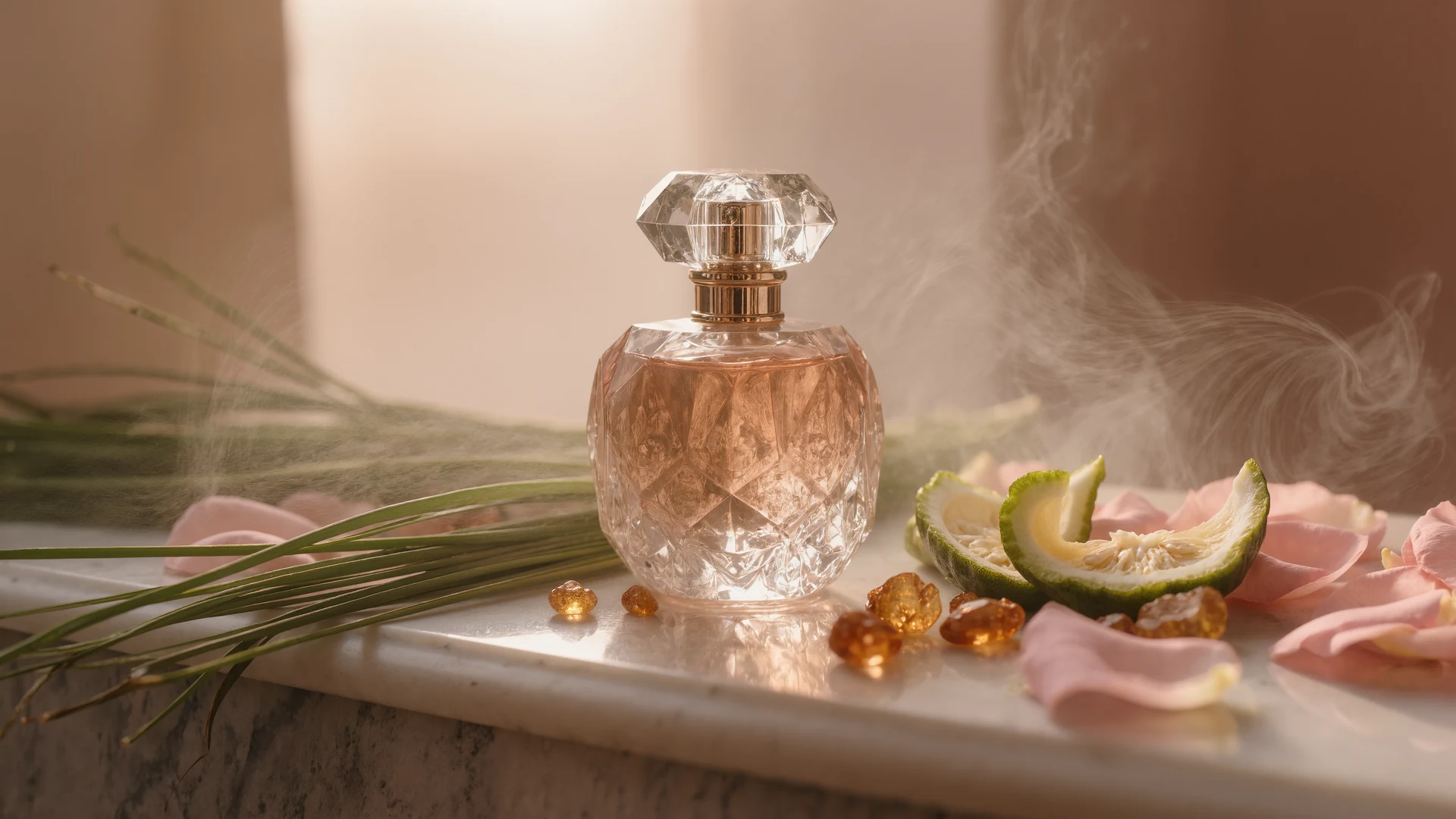
Luxury Fragrances & Niche Perfumes: The Complete Guide
Explore luxury fragrances and niche perfumes: fragrance families, top houses like Creed, Byredo, Le Labo, Kilian, Roja, and how to choose and store yo…
Beauty · 16 min
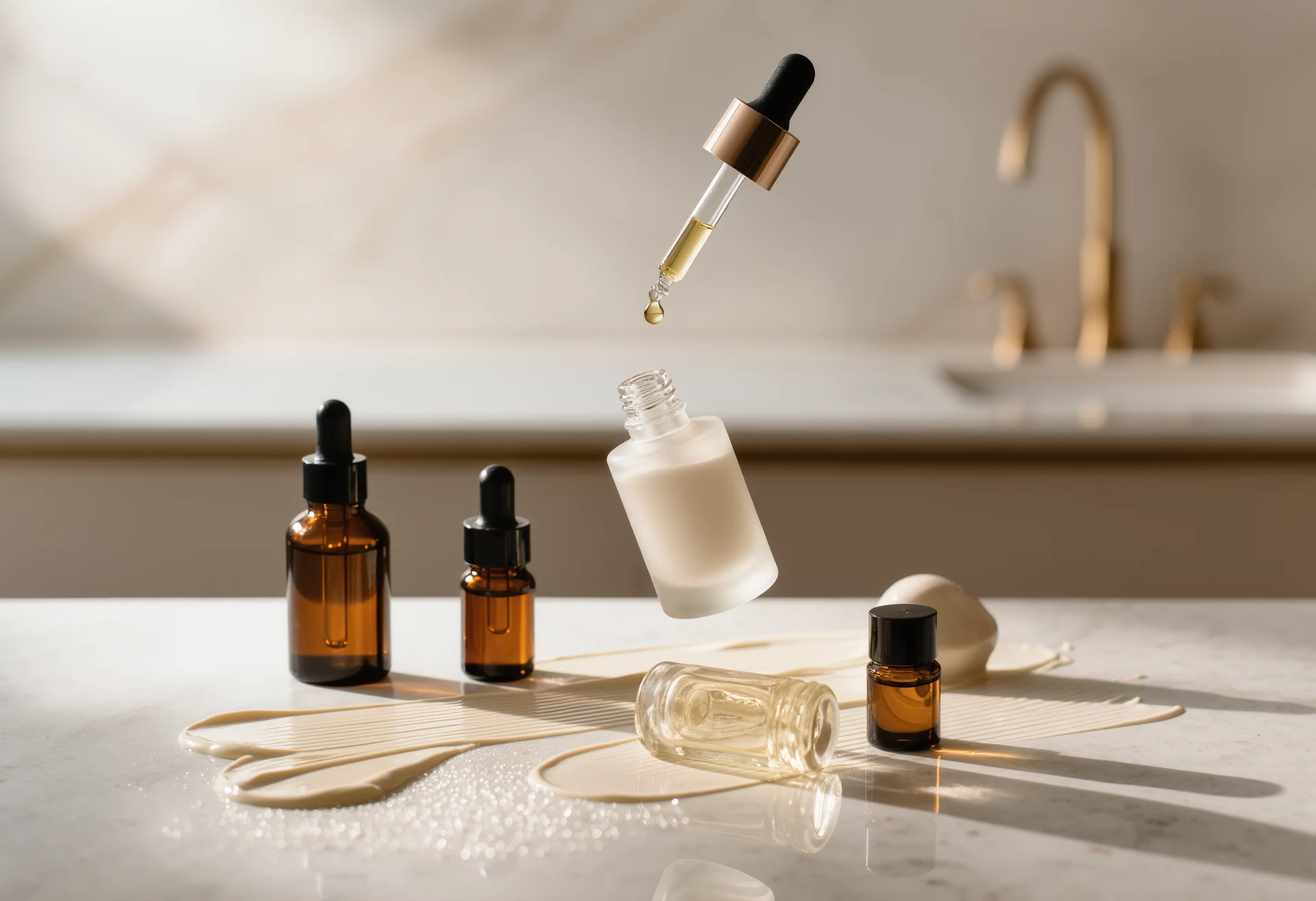
The Science of Luxury Skincare: Ingredients, Treatments, and Routines That Actually Work
Why Luxury Skincare Is Different: and Worth It Walk into any high-end department store and the skincare section is overwhelming. Creams that cost mor…