Beauty · Beauty
Natural Hair Care Tips: Achieving Healthy Locks
Natural hair care is becoming increasingly popular as people are embracing their natural hair textures and seeking healthier alternatives to traditional hair care methods. Natural …
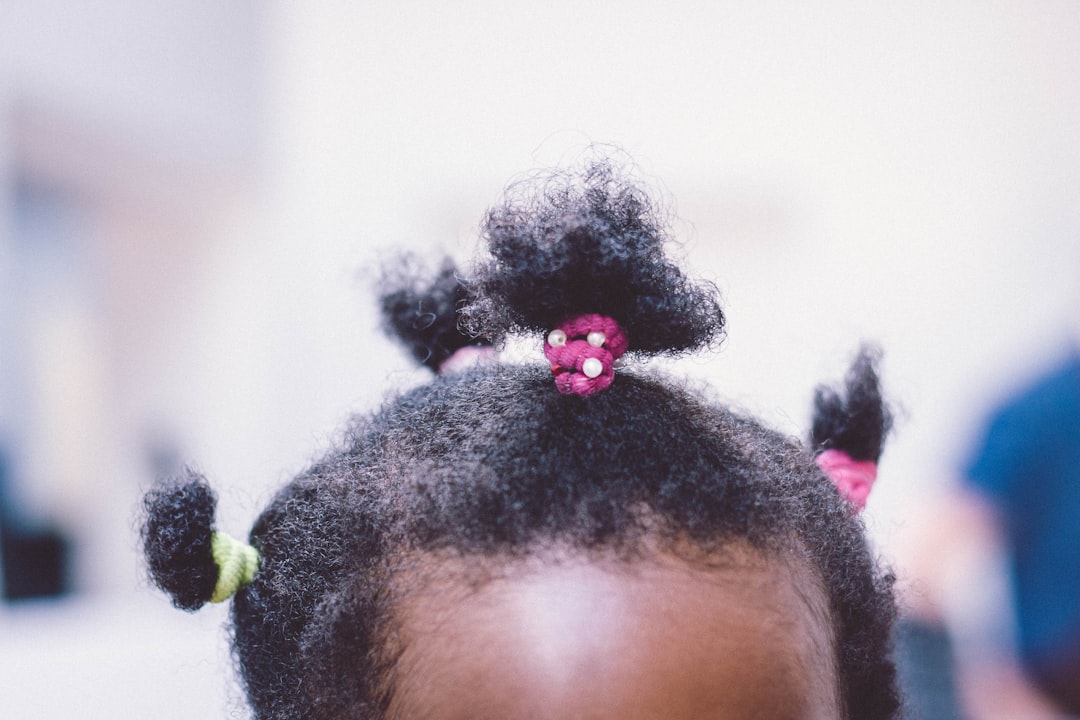
Natural hair care is becoming increasingly popular as people are embracing their natural hair textures and seeking healthier alternatives to traditional hair care methods. Natural hair refers to hair that has not been chemically treated or altered, allowing it to grow and thrive in its natural state. This article will provide a comprehensive guide to natural hair care, covering everything from understanding different hair types and their needs to tips for creating a personalized hair care routine.
Key Takeaways
- Natural hair has unique characteristics and needs, including a tendency towards dryness and fragility.
- Proper cleansing and conditioning are essential for maintaining healthy natural hair, including using sulfate-free products and deep conditioning regularly.
- Moisturizing techniques such as the LOC method (liquid, oil, cream) can help keep natural hair hydrated and prevent breakage.
- Protective styling, such as braids and twists, can help minimize damage and promote hair growth.
- Natural oils, such as coconut and castor oil, can provide numerous benefits for natural hair, including promoting growth and reducing breakage.
Understanding Natural Hair: Characteristics and Needs
Natural hair comes in a variety of textures, ranging from straight to curly to kinky. Each hair type has its own unique characteristics and needs. Straight hair tends to be more oily and prone to greasiness, while curly and kinky hair types tend to be drier and more prone to frizz. Understanding your specific hair type is crucial in order to properly care for and maintain your natural hair.
Curly and kinky hair types require more moisture than straight hair. This is because the natural oils produced by the scalp have a harder time traveling down the length of the hair shaft due to the twists and turns of the curls. As a result, curly and kinky hair can become dry, brittle, and prone to breakage if not properly moisturized. It is important to use products that are specifically formulated for curly and kinky hair types, as they are designed to provide the necessary moisture and hydration.
The Importance of Proper Cleansing and Conditioning
Proper cleansing and conditioning are essential for maintaining healthy natural hair. Cleansing removes dirt, oil, product buildup, and other impurities from the scalp and hair, while conditioning helps to restore moisture, soften the hair, and improve manageability.
When choosing a cleanser for natural hair, it is important to opt for a gentle sulfate-free shampoo or a co-wash (conditioner wash). Sulfates can strip the hair of its natural oils, leaving it dry and prone to breakage. Co-washing involves using a conditioner instead of shampoo to cleanse the hair, which helps to retain moisture and prevent dryness.
Conditioning is a crucial step in natural hair care. It helps to replenish moisture, detangle the hair, and improve its overall health and appearance. Look for conditioners that are rich in moisturizing ingredients such as shea butter, coconut oil, and aloe vera. Deep conditioning treatments should also be incorporated into your hair care routine on a regular basis to provide intense hydration and nourishment.
Moisturizing Techniques for Natural Hair
Moisture is key when it comes to caring for natural hair. As mentioned earlier, curly and kinky hair types tend to be drier and more prone to frizz. Therefore, it is important to incorporate moisturizing techniques into your hair care routine to keep your hair hydrated and healthy.
One of the most effective ways to moisturize natural hair is through the LOC method, which stands for liquid, oil, and cream. This method involves applying a water-based leave-in conditioner or moisturizing spray as the liquid, followed by sealing in the moisture with an oil (such as coconut oil or jojoba oil), and finally applying a cream or butter-based product to lock in the moisture.
Another important aspect of moisturizing natural hair is maintaining a healthy moisture balance. This can be achieved by avoiding excessive heat styling, using heat protectant products when heat styling is necessary, and protecting the hair at night by sleeping on a satin or silk pillowcase or wearing a satin bonnet or scarf.
Protective Styling: How to Keep Your Hair Healthy and Strong
Protective styling is an essential part of natural hair care as it helps to minimize manipulation and protect the ends of the hair from damage. Protective styles are hairstyles that tuck away the ends of the hair, reducing exposure to environmental factors and preventing breakage.
There are many different types of protective styles that can be worn, including braids, twists, buns, and updos. These styles not only protect the hair but also allow for low maintenance and versatility. It is important to choose protective styles that do not put too much tension on the hair or scalp, as this can lead to breakage and hair loss.
When wearing protective styles, it is important to continue moisturizing and caring for the hair. This can be done by using a lightweight moisturizing spray or oil to keep the hair hydrated and applying a leave-in conditioner or moisturizer to the ends of the hair.
The Benefits of Natural Oils for Hair Growth and Health
Natural oils are a great addition to any natural hair care routine as they provide numerous benefits for hair growth and overall hair health. These oils are rich in essential fatty acids, vitamins, and antioxidants that nourish the hair follicles, promote healthy hair growth, and improve the overall condition of the hair.
Some popular natural oils for natural hair include coconut oil, jojoba oil, argan oil, castor oil, and olive oil. Coconut oil is known for its ability to penetrate the hair shaft and provide deep hydration. Jojoba oil closely resembles the natural sebum produced by the scalp, making it an excellent choice for moisturizing the hair and scalp. Argan oil is rich in antioxidants and vitamin E, which help to repair damaged hair and protect it from environmental stressors. Castor oil is known for its ability to promote hair growth and thicken the hair. Olive oil is a versatile oil that can be used for moisturizing, sealing in moisture, and adding shine to the hair.
Avoiding Common Mistakes in Natural Hair Care
When it comes to caring for natural hair, there are some common mistakes that people often make. These mistakes can hinder hair growth, cause damage, and prevent you from achieving your hair goals. It is important to be aware of these mistakes and take steps to avoid them.
One common mistake is using too much heat on the hair. Excessive heat can cause the hair to become dry, brittle, and prone to breakage. It is important to limit the use of heat styling tools and always use a heat protectant product when heat styling is necessary.
Another mistake is over-manipulating the hair. Constantly combing, brushing, and styling the hair can lead to breakage and damage. It is important to handle the hair gently and minimize manipulation as much as possible. This can be achieved by using wide-toothed combs or your fingers to detangle the hair, avoiding tight hairstyles that put too much tension on the hair, and opting for protective styles that require minimal manipulation.
Nutrition and Diet: The Role of Food in Hair Health
Nutrition and diet play a crucial role in the health of your hair. The nutrients you consume can directly impact the growth, strength, and overall condition of your hair. Eating a balanced diet that is rich in vitamins, minerals, and protein is essential for maintaining healthy natural hair.
Protein is particularly important for hair health as it is the building block of hair. Consuming adequate amounts of protein helps to strengthen the hair follicles, promote healthy hair growth, and prevent breakage. Good sources of protein include lean meats, fish, eggs, dairy products, legumes, nuts, and seeds.
Vitamins and minerals are also important for hair health. Vitamin A helps to produce sebum, which moisturizes the scalp and keeps the hair healthy. B vitamins (such as biotin) help to promote healthy hair growth and prevent hair loss. Vitamin C is an antioxidant that helps to protect the hair follicles from damage. Iron helps to deliver oxygen to the hair follicles, promoting healthy hair growth. Good sources of these vitamins and minerals include fruits, vegetables, whole grains, and lean proteins.
Natural Hair Care Products: Ingredients to Look For and Avoid
When choosing natural hair care products, it is important to pay attention to the ingredients list. Look for products that are free from harsh chemicals, sulfates, parabens, and artificial fragrances. Instead, opt for products that are formulated with natural ingredients that nourish and hydrate the hair.
Some beneficial ingredients to look for in natural hair care products include shea butter, coconut oil, aloe vera, jojoba oil, argan oil, and castor oil. These ingredients provide moisture, hydration, and nourishment to the hair.
On the other hand, there are some ingredients that should be avoided in natural hair care products. These include sulfates, which can strip the hair of its natural oils; silicones, which can cause buildup and weigh down the hair; and mineral oil and petroleum jelly, which can clog the hair follicles and prevent healthy hair growth.
How to Manage Frizz and Tangles in Natural Hair
Frizz and tangles are common challenges for those with natural hair. However, with the right techniques and products, it is possible to manage frizz and keep tangles at bay.
One effective way to manage frizz is by using a leave-in conditioner or moisturizing spray. These products help to hydrate the hair and seal in moisture, reducing frizz and promoting smoothness. Applying a small amount of oil or serum to the ends of the hair can also help to tame frizz and add shine.
To prevent tangles, it is important to detangle the hair gently and regularly. Start by using your fingers or a wide-toothed comb to remove any knots or tangles. Then, use a brush or a fine-toothed comb to further detangle the hair. It is important to be patient and gentle when detangling to avoid causing breakage or damage.
Creating a Personalized Natural Hair Care Routine
Creating a personalized natural hair care routine is essential for maintaining healthy and beautiful natural hair. Everyone’s hair is unique, so it is important to tailor your routine to meet the specific needs of your hair.
A basic natural hair care routine typically includes cleansing, conditioning, moisturizing, and styling. However, the frequency and specific products used will vary depending on your hair type and individual needs.
Start by determining how often you need to cleanse your hair. Some people with drier hair types may only need to cleanse once a week, while others with oilier hair types may need to cleanse more frequently. Choose a gentle sulfate-free shampoo or co-wash that is suitable for your hair type.
Next, determine how often you need to condition your hair. This will depend on the moisture needs of your hair. Some people may need to condition every time they cleanse their hair, while others may only need to condition once or twice a week. Choose a conditioner that is rich in moisturizing ingredients and consider incorporating deep conditioning treatments into your routine on a regular basis.
Moisturizing should be done daily or as needed to keep the hair hydrated. Use the LOC method or other moisturizing techniques to provide the necessary moisture and hydration for your hair type.
Finally, choose protective styles that work for you and incorporate them into your routine as needed. This will help to minimize manipulation and protect the ends of the hair from damage.
In conclusion, natural hair care is important for maintaining healthy and beautiful natural hair. Understanding your specific hair type and its needs is crucial in order to properly care for and maintain your natural hair. Proper cleansing, conditioning, moisturizing, and styling techniques are essential for keeping your hair healthy and strong. By incorporating these tips and techniques into your natural hair care routine, you can achieve the healthy and beautiful hair you desire.
More in
More from Beauty
Beauty · 25 min
Luxury Wellness & Longevity: The Complete Guide to Spas & Retreats
Discover the world’s best luxury wellness spas and longevity clinics, from Clinique La Prairie to SHA Wellness, with expert booking tips and bio…
Beauty · 32 min
Luxury Fragrances & Niche Perfumes: The Complete Guide
Explore luxury fragrances and niche perfumes: fragrance families, top houses like Creed, Byredo, Le Labo, Kilian, Roja, and how to choose and store yo…
Beauty · 16 min
The Science of Luxury Skincare: Ingredients, Treatments, and Routines That Actually Work
Why Luxury Skincare Is Different: and Worth It Walk into any high-end department store and the skincare section is overwhelming. Creams that cost mor…