Beauty · Beauty
Safe Tanning and Skincare: Tips for Sun Lovers
Sun protection is essential for maintaining healthy skin and preventing damage from harmful UV rays. In this blog post, we will discuss the importance of safe tanning and skincare …
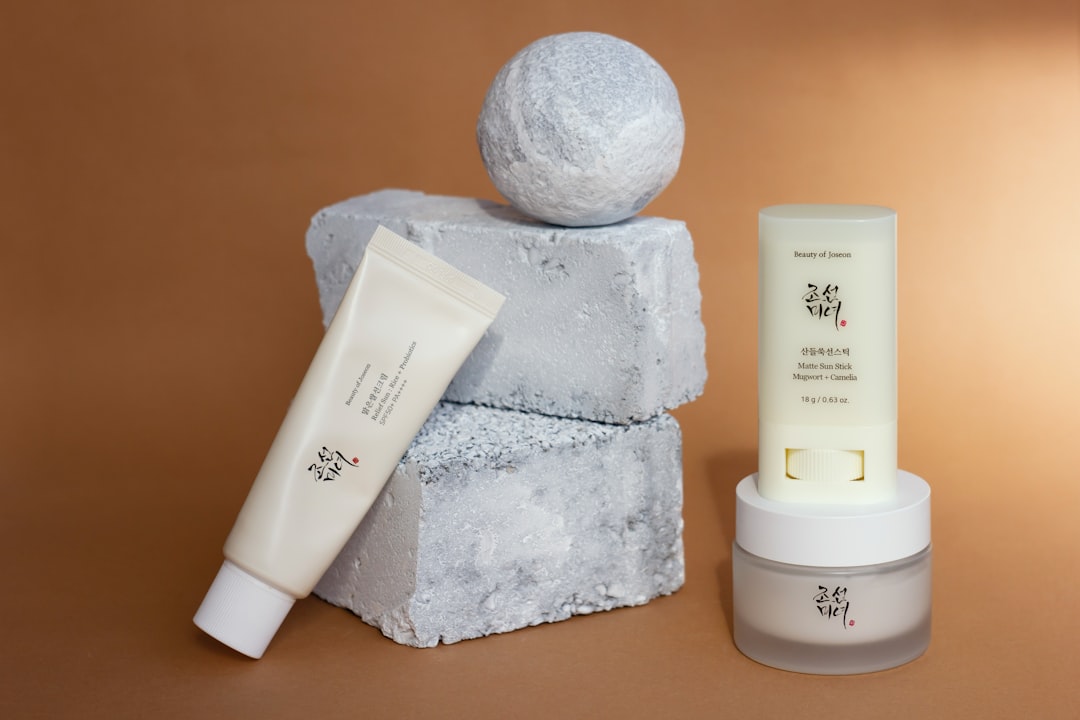
Sun protection is essential for maintaining healthy skin and preventing damage from harmful UV rays. In this blog post, we will discuss the importance of safe tanning and skincare practices. Whether you enjoy spending time outdoors or simply want to achieve a sun-kissed glow, it is crucial to prioritize sun protection to avoid the risks associated with sun exposure.
The purpose of this blog post is to provide you with valuable information and tips on how to protect your skin from the sun’s harmful rays. We will cover topics such as understanding the risks of sun exposure, choosing the right sunscreen, applying sunscreen properly, using protective clothing and accessories, natural ways to protect your skin, staying hydrated in the sun, treating sun damage, and safe tanning alternatives. By following these tips and incorporating them into your daily routine, you can enjoy the sun safely while maintaining healthy and radiant skin.
Key Takeaways
- Safe tanning and skincare require proper protection from the sun’s harmful rays.
- Sun exposure can lead to skin damage and increase the risk of skin cancer.
- Choose a sunscreen with a high SPF and broad-spectrum protection.
- Apply sunscreen generously and frequently, especially when swimming or sweating.
- Wear protective clothing and accessories, such as hats and sunglasses, to further shield your skin from the sun.
Understanding the Risks of Sun Exposure
Exposure to UV rays can have detrimental effects on the skin. There are three types of UV rays: UVA, UVB, and UVC. UVA rays penetrate deep into the skin and can cause premature aging, wrinkles, and age spots. UVB rays are responsible for sunburns and can also contribute to the development of skin cancer. UVC rays are the most dangerous but are mostly absorbed by the Earth’s ozone layer.
Prolonged exposure to these UV rays can lead to serious health risks, including skin cancer. According to the Skin Cancer Foundation, one in five Americans will develop skin cancer by the age of 70. Additionally, excessive sun exposure can cause premature aging, including wrinkles, fine lines, and sagging skin.
It is important to understand these risks and take appropriate measures to protect your skin from the harmful effects of the sun.
Tips for Choosing the Right Sunscreen
Choosing the right sunscreen is crucial for effective sun protection. There are two main types of sunscreen: chemical and physical. Chemical sunscreens work by absorbing UV rays, while physical sunscreens create a barrier on the skin that reflects and scatters UV rays.
When choosing a sunscreen, it is important to consider the SPF (Sun Protection Factor) level. The SPF indicates the level of protection against UVB rays. The American Academy of Dermatology recommends using a sunscreen with an SPF of 30 or higher. However, it is important to note that SPF only measures protection against UVB rays and does not indicate protection against UVA rays. Look for a broad-spectrum sunscreen that provides protection against both UVA and UVB rays.
Other factors to consider when choosing a sunscreen include water resistance, ingredients, and your skin type. If you plan on swimming or sweating, opt for a water-resistant sunscreen that will stay on your skin longer. It is also important to check the ingredients list and avoid sunscreens that contain harmful chemicals such as oxybenzone and octinoxate. These chemicals can be harmful to coral reefs and marine life.
How to Apply Sunscreen Properly
Applying sunscreen properly is just as important as choosing the right sunscreen. To ensure adequate protection, follow these step-by-step instructions:
1. Start with a clean face: Wash your face with a gentle cleanser and pat dry before applying sunscreen.
2. Apply sunscreen generously: Use enough sunscreen to cover all exposed areas of your body. The American Academy of Dermatology recommends using about one ounce (a shot glass full) of sunscreen for your entire body.
3. Don’t forget your ears, neck, and hands: These areas are often overlooked but are prone to sun damage. Make sure to apply sunscreen to these areas as well.
4. Reapply every two hours: Sunscreen wears off over time, especially if you are sweating or swimming. Reapply sunscreen every two hours or more frequently if needed.
5. Use sunscreen even on cloudy days: UV rays can penetrate through clouds, so it is important to wear sunscreen even on overcast days.
Common mistakes people make when applying sunscreen include not using enough product, not reapplying frequently enough, and forgetting to apply sunscreen to all exposed areas. By following these instructions and avoiding these common mistakes, you can ensure that your skin is adequately protected from the sun’s harmful rays.
Protective Clothing and Accessories for Sun Protection
In addition to sunscreen, wearing protective clothing and accessories can provide additional sun protection. Here are some options to consider:
1. Hats: Wearing a wide-brimmed hat can provide shade for your face, neck, and ears. Look for hats with a brim that is at least three inches wide for optimal protection.
2. Sunglasses: Protect your eyes from UV rays by wearing sunglasses that block 100% of UVA and UVB rays. Look for sunglasses with a wraparound style or large lenses for maximum coverage.
3. Long-sleeved shirts: Opt for lightweight, long-sleeved shirts made from breathable fabrics such as cotton or linen. These shirts can provide protection for your arms and torso without causing overheating.
4. UPF clothing: Consider investing in clothing with UPF (Ultraviolet Protection Factor) ratings. UPF clothing is specially designed to block UV rays and provides an extra layer of protection against the sun.
When choosing sun-protective clothing, it is important to consider the fabric’s weave, color, and coverage. Fabrics with a tight weave offer better protection than those with a looser weave. Darker colors tend to absorb more UV rays than lighter colors. Additionally, clothing that covers more skin provides better protection.
Natural Ways to Protect Your Skin from the Sun
In addition to sunscreen and protective clothing, there are natural ways to protect your skin from the sun. Some natural ingredients have been found to provide sun protection, such as aloe vera and green tea. Aloe vera has soothing properties and can help alleviate sunburns. Green tea contains antioxidants that can help protect the skin from UV damage.
Other natural methods for protecting the skin include seeking shade, avoiding peak sun hours (usually between 10 am and 4 pm), and wearing a wide-brimmed hat and sunglasses. These methods can help reduce your overall sun exposure and minimize the risk of sun damage.
Using natural methods for sun protection has several benefits. Natural ingredients are often gentler on the skin and less likely to cause irritation or allergic reactions. Additionally, natural methods are more environmentally friendly, as they do not contain harmful chemicals that can harm coral reefs and marine life.
The Importance of Staying Hydrated in the Sun
Staying hydrated is crucial when spending time in the sun. Dehydration can occur quickly, especially in hot weather or during physical activity. When you are dehydrated, your body cannot function properly, and it can lead to serious health risks.
To stay hydrated in the sun, drink plenty of water throughout the day. The American Heart Association recommends drinking at least eight cups (64 ounces) of water per day. However, when spending time in the sun, you may need to drink even more to compensate for fluid loss through sweat.
In addition to drinking water, eating hydrating foods can also help keep you hydrated. Foods such as watermelon, cucumbers, oranges, and strawberries have high water content and can contribute to your overall hydration.
Signs of Sun Damage and How to Treat Them
Despite our best efforts to protect our skin from the sun, sometimes sun damage can occur. Signs of sun damage include sunburn, sun spots (also known as age spots or liver spots), wrinkles, and dry or leathery skin.
If you experience sunburn, it is important to treat it promptly. Take a cool shower or apply a cold compress to the affected area to help soothe the skin. Avoid further sun exposure until the sunburn has healed. Over-the-counter creams or lotions containing aloe vera or hydrocortisone can also help alleviate discomfort.
For more severe sun damage, such as sun spots or wrinkles, there are various treatment options available. Topical treatments, such as retinoids and vitamin C serums, can help reduce the appearance of sun damage and improve the overall texture and tone of the skin. In some cases, medical procedures such as laser therapy or chemical peels may be recommended to treat more advanced signs of sun damage.
It is important to address sun damage promptly to prevent further complications and maintain healthy skin.
Safe Tanning Alternatives for a Sun-Kissed Glow
If you want to achieve a sun-kissed glow without exposing your skin to harmful UV rays, there are safe alternatives available. Self-tanners and spray tans are popular options for achieving a tan without the risks associated with sun exposure.
Self-tanners are products that contain dihydroxyacetone (DHA), which reacts with the amino acids in the top layer of your skin to produce a temporary tan. These products come in various forms, including lotions, sprays, and mousses. When using self-tanners, it is important to exfoliate your skin beforehand to ensure an even application. Follow the instructions on the product and allow the self-tanner to dry completely before getting dressed.
Spray tans are another safe alternative to traditional tanning methods. These involve visiting a salon where a technician applies a fine mist of tanning solution to your skin using an airbrush or spray gun. Spray tans provide an instant tan that lasts for about a week. It is important to choose a reputable salon and follow their instructions for preparation and aftercare to ensure the best results.
When choosing a safe tanning alternative, consider your skin type and desired level of tan. Some self-tanners and spray tans offer different shades to suit various skin tones. It may take some trial and error to find the right product or salon that works best for you.
Conclusion and Summary of Safe Tanning and Skincare Tips
In conclusion, safe tanning and skincare practices are essential for maintaining healthy skin and preventing damage from the sun’s harmful rays. Understanding the risks of sun exposure, choosing the right sunscreen, applying sunscreen properly, using protective clothing and accessories, utilizing natural methods for sun protection, staying hydrated in the sun, treating sun damage promptly, and exploring safe tanning alternatives are all important steps in prioritizing sun protection.
By following these tips and incorporating them into your daily routine, you can enjoy the sun safely while maintaining healthy and radiant skin. Remember to always prioritize sun protection, even on cloudy days or during the winter months. Your skin will thank you for it!
More in
More from Beauty

Beauty · 25 min
Luxury Wellness & Longevity: The Complete Guide to Spas & Retreats
Discover the world’s best luxury wellness spas and longevity clinics, from Clinique La Prairie to SHA Wellness, with expert booking tips and bio…

Beauty · 32 min
Luxury Fragrances & Niche Perfumes: The Complete Guide
Explore luxury fragrances and niche perfumes: fragrance families, top houses like Creed, Byredo, Le Labo, Kilian, Roja, and how to choose and store yo…
Beauty · 16 min
The Science of Luxury Skincare: Ingredients, Treatments, and Routines That Actually Work
Why Luxury Skincare Is Different: and Worth It Walk into any high-end department store and the skincare section is overwhelming. Creams that cost mor…