Beauty · Beauty
Shrinking Pores: Tips and Tricks
Pore size is a common concern for many people when it comes to skincare. Large pores can be unsightly and can make the skin appear rough and uneven. Understanding pore size and how…
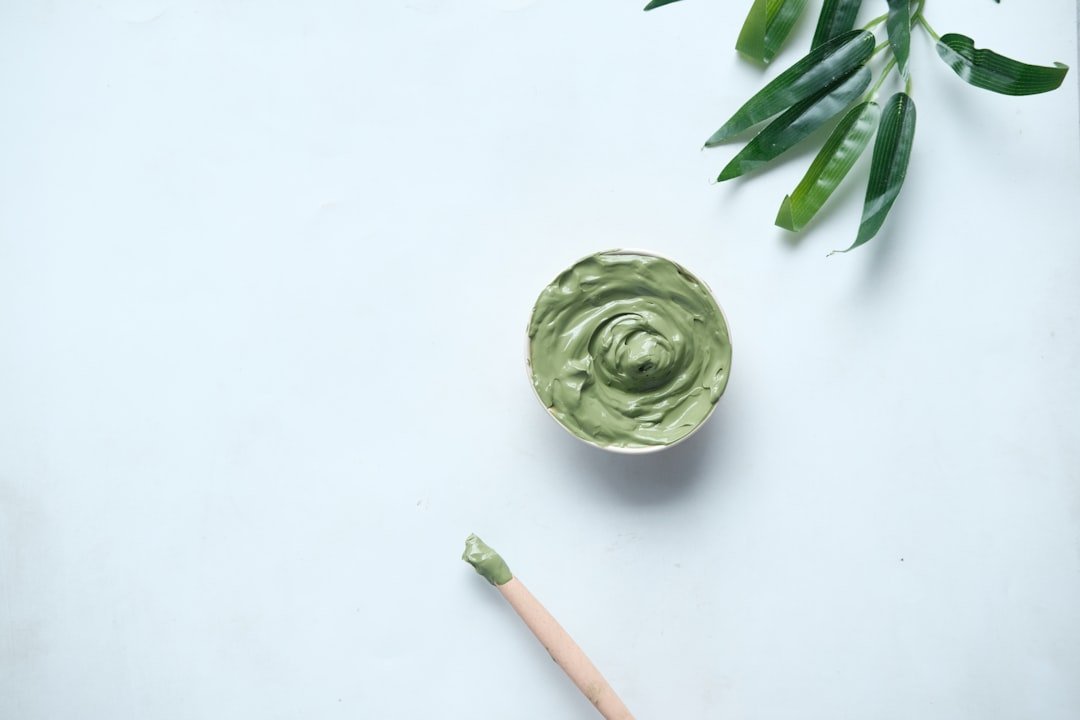
Pore size is a common concern for many people when it comes to skincare. Large pores can be unsightly and can make the skin appear rough and uneven. Understanding pore size and how to minimize them is essential for achieving smooth, clear skin.
Pores are tiny openings on the surface of the skin that allow sweat and oil to reach the surface. They are also responsible for regulating body temperature. The size of pores can vary from person to person, and they can be affected by various factors such as genetics, age, and skincare habits.
In this article, we will delve into the science behind pore size, explore the common causes of large pores, discuss effective skincare ingredients for shrinking pores, and provide tips on how to minimize their appearance through a proper skincare routine. We will also explore DIY treatments, professional treatments, lifestyle changes, and makeup tips for concealing large pores. By the end of this article, you will have a comprehensive understanding of pore size and how to achieve healthier, smaller pores.
Key Takeaways
- Pore size is determined by genetics and can be influenced by environmental factors such as sun damage and aging.
- Common causes of large pores include excess oil production, clogged pores, and loss of skin elasticity.
- Skincare ingredients such as salicylic acid, retinol, and niacinamide can help shrink pores.
- A skincare routine that includes cleansing, exfoliating, and moisturizing can help minimize the appearance of pores.
- DIY pore-shrinking masks and professional treatments such as chemical peels and laser therapy can also be effective in reducing pore size.
Understanding the Science behind Pore Size
A. Definition of Pores
Pores are small openings on the surface of the skin that allow sweat and oil to reach the surface. They are essential for regulating body temperature and keeping the skin hydrated. Pores are more prominent on areas of the skin that produce more oil, such as the nose, forehead, and chin.
B. Types of Pores
There are two types of pores: sweat pores and oil pores. Sweat pores are responsible for releasing sweat onto the surface of the skin to regulate body temperature. Oil pores, also known as sebaceous glands, produce sebum, which helps moisturize and protect the skin.
C. Factors that Affect Pore Size
Several factors can affect pore size:
1. Genetics: The size of your pores is largely determined by your genetics. If your parents have large pores, you are more likely to have them as well.
2. Age: As we age, our skin loses elasticity and collagen, which can cause the pores to appear larger. The natural aging process can also lead to a decrease in sebum production, making the skin drier and the pores more visible.
3. Sun Damage: Excessive sun exposure can damage the collagen and elastin fibers in the skin, leading to enlarged pores. UV rays can also increase oil production, making the pores appear larger.
4. Poor Skincare Habits: Neglecting proper skincare can lead to clogged pores and inflammation, which can stretch the pore walls and make them appear larger.
Common Causes of Large Pores and How to Avoid Them
A. Genetics
Genetics play a significant role in determining pore size. If your parents have large pores, you are more likely to have them as well. Unfortunately, there is little you can do to change your genetic makeup. However, by following a proper skincare routine and using effective skincare ingredients, you can minimize the appearance of large pores.
B. Age
As we age, our skin loses elasticity and collagen, which can cause the pores to appear larger. The natural aging process can also lead to a decrease in sebum production, making the skin drier and the pores more visible. To combat this, it is essential to incorporate anti-aging skincare products into your routine that promote collagen production and improve skin elasticity.
C. Sun Damage
Excessive sun exposure can damage the collagen and elastin fibers in the skin, leading to enlarged pores. UV rays can also increase oil production, making the pores appear larger. To protect your skin from sun damage and minimize pore size, it is crucial to wear sunscreen daily and seek shade when the sun is at its peak.
D. Poor Skincare Habits
Neglecting proper skincare can lead to clogged pores and inflammation, which can stretch the pore walls and make them appear larger. It is essential to cleanse your skin thoroughly, exfoliate regularly, and moisturize daily to keep your pores clean and minimize their appearance.
The Role of Genetics in Pore Size
A. How Genetics Affect Pore Size
Genetics play a significant role in determining pore size. If your parents have large pores, you are more likely to have them as well. The size of your pores is largely determined by the number and size of oil glands in your skin. If you have more oil glands or larger oil glands, you are more likely to have larger pores.
B. Can You Change Your Pore Size?
While you cannot change your genetic makeup, there are steps you can take to minimize the appearance of large pores. By following a proper skincare routine and using effective skincare ingredients, you can keep your pores clean and reduce their visibility. Additionally, professional treatments such as chemical peels and laser therapy can help improve the appearance of large pores.
Top Skincare Ingredients for Shrinking Pores
A. Salicylic Acid
Salicylic acid is a beta hydroxy acid that is known for its ability to penetrate the pores and exfoliate the skin from within. It helps remove dead skin cells, unclog pores, and reduce inflammation. Regular use of salicylic acid can help minimize the appearance of large pores and prevent breakouts.
B. Retinoids
Retinoids are derivatives of vitamin A that are known for their anti-aging properties. They help increase collagen production, improve skin elasticity, and promote cell turnover. By stimulating cell renewal, retinoids can help shrink the appearance of large pores and improve overall skin texture.
C. Niacinamide
Niacinamide, also known as vitamin B3, is a powerful ingredient that helps regulate oil production, reduce inflammation, and improve skin barrier function. It can help minimize the appearance of large pores and control excess oiliness.
D. Alpha Hydroxy Acids
Alpha hydroxy acids (AHAs) such as glycolic acid and lactic acid are exfoliating agents that help remove dead skin cells and unclog pores. Regular use of AHAs can help improve the appearance of large pores and promote smoother, more even-toned skin.
The Best Skincare Routine for Minimizing Pores
A. Cleansing
Proper cleansing is essential for keeping your pores clean and minimizing their appearance. Use a gentle cleanser twice a day to remove dirt, oil, and makeup from your skin. Avoid harsh cleansers that can strip the skin of its natural oils and irritate the pores.
B. Exfoliating
Regular exfoliation is crucial for removing dead skin cells and unclogging pores. Use a gentle exfoliator or chemical exfoliant 2-3 times a week to promote cell turnover and reveal smoother, more refined skin.
C. Toning
Toning helps balance the pH of your skin and remove any remaining impurities after cleansing. Look for toners that contain ingredients like witch hazel or rose water, which can help tighten the pores and reduce their visibility.
D. Moisturizing
Moisturizing is essential for maintaining healthy, hydrated skin. Look for lightweight, non-comedogenic moisturizers that won’t clog your pores. Hyaluronic acid is an excellent ingredient to look for as it helps hydrate the skin without adding excess oil.
DIY Pore-Shrinking Masks and Treatments
A. Egg White Mask
Egg whites are known for their ability to tighten the skin and minimize the appearance of large pores. To make an egg white mask, simply separate the egg white from the yolk and apply it to your face. Leave it on for 15-20 minutes, then rinse off with warm water.
B. Baking Soda Scrub
Baking soda is a natural exfoliant that can help remove dead skin cells and unclog pores. Mix a small amount of baking soda with water to create a paste, then gently massage it onto your face in circular motions. Rinse off with warm water and follow up with a moisturizer.
C. Apple Cider Vinegar Toner
Apple cider vinegar is known for its astringent properties, which can help tighten the pores and reduce their visibility. Mix equal parts apple cider vinegar and water, then apply it to your face using a cotton pad. Leave it on for a few minutes, then rinse off with warm water.
Professional Treatments for Pore Reduction
A. Chemical Peels
Chemical peels are professional treatments that use a combination of acids to exfoliate the skin and improve its texture. They can help minimize the appearance of large pores, reduce hyperpigmentation, and promote collagen production.
B. Microdermabrasion
Microdermabrasion is a non-invasive treatment that uses tiny crystals to exfoliate the skin and remove dead skin cells. It can help improve the appearance of large pores, reduce fine lines and wrinkles, and promote smoother, more even-toned skin.
C. Laser Therapy
Laser therapy is a popular treatment for reducing the appearance of large pores. It uses targeted laser energy to stimulate collagen production, tighten the skin, and improve overall skin texture. Laser therapy can be effective in minimizing pore size and improving the overall appearance of the skin.
Lifestyle Changes for Healthier, Smaller Pores
A. Diet
Maintaining a healthy diet can have a positive impact on your skin and pore size. Avoiding processed foods, sugary snacks, and excessive alcohol consumption can help reduce inflammation and oil production, leading to smaller pores. Incorporating foods rich in antioxidants, such as fruits and vegetables, can also promote healthier skin.
B. Exercise
Regular exercise can improve blood circulation and promote healthy skin. It can also help reduce stress levels, which can contribute to pore enlargement. Aim for at least 30 minutes of moderate exercise most days of the week to reap the benefits for your skin.
C. Hydration
Staying hydrated is essential for maintaining healthy skin and minimizing pore size. Drink plenty of water throughout the day to keep your skin hydrated and flush out toxins. Avoid excessive caffeine and alcohol consumption, as they can dehydrate the skin and make pores appear larger.
Makeup Tips for Concealing Large Pores
A. Primer
Using a primer before applying makeup can help create a smooth canvas and minimize the appearance of large pores. Look for primers that contain silicone, as they can fill in the pores and create a smoother surface for foundation.
B. Foundation
Choose a foundation that is lightweight and oil-free to avoid clogging the pores. Apply it with a brush or sponge in thin layers to avoid a heavy, cakey appearance. Set your foundation with a translucent powder to help it last longer and minimize shine.
C. Powder
Using a powder can help set your makeup and reduce shine throughout the day. Look for powders that are finely milled and translucent to avoid clogging the pores or accentuating their appearance.
Frequently Asked Questions about Pore Size and Treatment Options
A. Can Pores Be Closed Permanently?
Pores cannot be closed permanently, as they are necessary for regulating body temperature and releasing sweat and oil onto the surface of the skin. However, by following a proper skincare routine and using effective skincare ingredients, you can minimize their appearance.
B. How Long Does It Take to See Results from Pore-Reducing Products?
The time it takes to see results from pore-reducing products can vary depending on the individual and the product being used. Generally, it can take several weeks to notice a significant improvement in pore size. Consistency is key when using pore-reducing products, so be patient and stick to your skincare routine.
C. Are Professional Treatments Safe?
Professional treatments such as chemical peels, microdermabrasion, and laser therapy are generally safe when performed by a trained professional. However, it is essential to consult with a dermatologist or esthetician before undergoing any professional treatment to ensure it is suitable for your skin type and concerns.
Conclusion and Final Thoughts on Pore Size and Skincare.
Pore size is a common concern for many people, but with the right skincare routine and treatment options, you can minimize their appearance and achieve healthier, smaller pores. Understanding the science behind pore size, addressing common causes of large pores, incorporating effective skincare ingredients, and making lifestyle changes can all contribute to achieving smoother, more even-toned skin.
Remember that everyone’s skin is unique, and what works for one person may not work for another. It may take some trial and error to find the right combination of products and treatments that work best for you. Be patient, consistent with your skincare routine, and consult with a skincare professional if you have any concerns or questions. With dedication and proper care, you can achieve the healthy, glowing skin you desire.
More in
More from Beauty

Beauty · 25 min
Luxury Wellness & Longevity: The Complete Guide to Spas & Retreats
Discover the world’s best luxury wellness spas and longevity clinics, from Clinique La Prairie to SHA Wellness, with expert booking tips and bio…
Beauty · 32 min
Luxury Fragrances & Niche Perfumes: The Complete Guide
Explore luxury fragrances and niche perfumes: fragrance families, top houses like Creed, Byredo, Le Labo, Kilian, Roja, and how to choose and store yo…
Beauty · 16 min
The Science of Luxury Skincare: Ingredients, Treatments, and Routines That Actually Work
Why Luxury Skincare Is Different: and Worth It Walk into any high-end department store and the skincare section is overwhelming. Creams that cost mor…