Beauty · Beauty
Summer Skin Care: Essential Tips for Healthy, Glowing Skin
Taking care of your skin is important year-round, but it becomes especially crucial during the summer months when the sun is at its strongest and the heat can be relentless. The co…
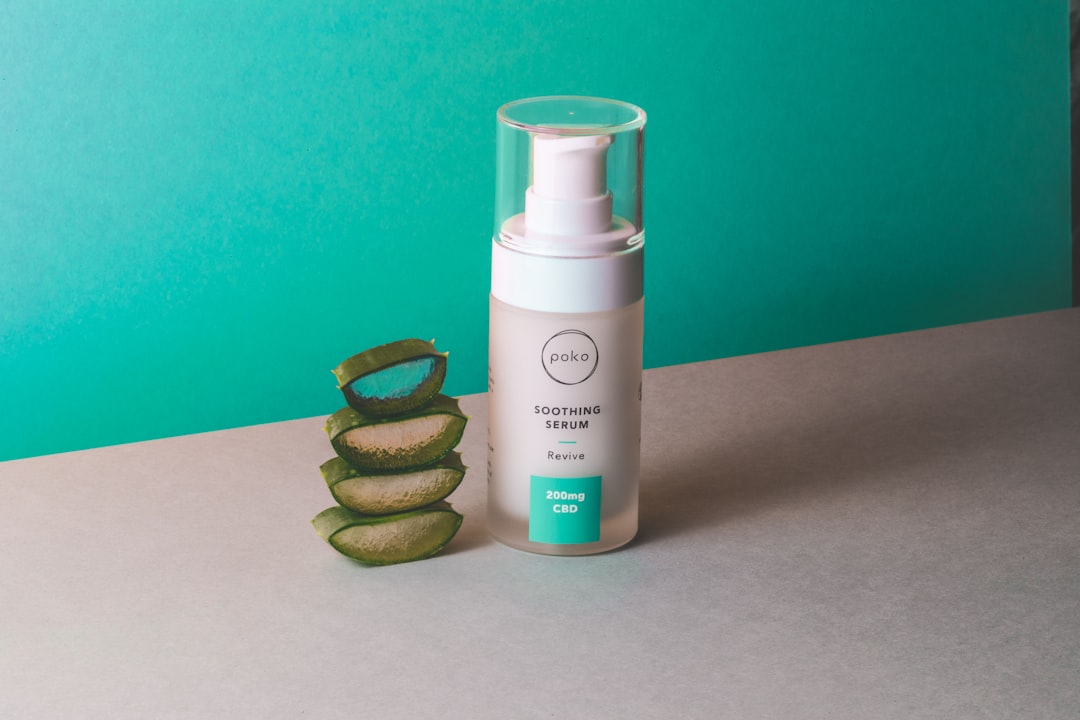
Taking care of your skin is important year-round, but it becomes especially crucial during the summer months when the sun is at its strongest and the heat can be relentless. The combination of harmful UV rays, increased sweat production, and exposure to chlorine and saltwater can wreak havoc on your skin if you’re not careful. In this article, we will discuss various tips and techniques to help you maintain healthy and radiant skin throughout the summer. From using sunscreen to staying hydrated, exfoliating to moisturizing, we will cover all aspects of summer skincare.
Key Takeaways
- Sunscreen is essential for protecting your skin from harmful UV rays during the summer.
- Staying hydrated is key to maintaining healthy and glowing skin in the summer heat.
- Exfoliating regularly helps remove dead skin cells and reveal radiant skin.
- Cleansing your skin daily is important for removing dirt, oil, and sweat that can clog pores and cause breakouts.
- Moisturizing is crucial for keeping your skin hydrated and healthy during the hot summer months.
Sunscreen: The Ultimate Summer Essential for Skin Protection
One of the most important steps in protecting your skin during the summer is using sunscreen. The sun’s UV rays can cause a range of damage to the skin, including sunburn, premature aging, and an increased risk of skin cancer. Sunscreen acts as a barrier between your skin and these harmful rays, preventing them from penetrating and causing damage.
When choosing a sunscreen, it’s important to look for one that offers broad-spectrum protection, meaning it protects against both UVA and UVB rays. UVA rays can penetrate deep into the skin and cause long-term damage, while UVB rays are responsible for sunburn. Additionally, choose a sunscreen with a high SPF (sun protection factor) rating of at least 30. This will provide adequate protection against the sun’s harmful rays.
Hydration: The Key to Achieving Healthy Summer Skin
Staying hydrated is essential for maintaining healthy skin during the summer months. When you’re dehydrated, your skin can become dry, dull, and prone to irritation. Drinking enough water helps to flush out toxins from your body and keeps your skin hydrated from within.
In addition to drinking water, you can also increase your hydration levels by consuming foods with high water content such as watermelon, cucumbers, and strawberries. These foods not only provide hydration but also contain vitamins and antioxidants that are beneficial for your skin.
Exfoliation: How to Get Rid of Dead Skin Cells and Reveal Radiant Skin
Exfoliation is an important step in any skincare routine, but it becomes even more crucial during the summer when sweat, sunscreen, and other products can build up on the skin’s surface. Exfoliating helps to remove dead skin cells, unclog pores, and reveal fresh, radiant skin.
There are two main types of exfoliants: physical exfoliants and chemical exfoliants. Physical exfoliants include scrubs, brushes, and loofahs that physically remove dead skin cells. Chemical exfoliants, on the other hand, use ingredients such as alpha hydroxy acids (AHAs) or beta hydroxy acids (BHAs) to dissolve dead skin cells.
It’s important not to over-exfoliate during the summer as this can strip the skin of its natural oils and cause dryness. Aim to exfoliate 1-2 times a week, depending on your skin type and sensitivity.
Cleansing: The Importance of Removing Dirt, Oil, and Sweat from Your Skin
Cleansing is an essential step in any skincare routine, but it becomes even more important during the summer when sweat, dirt, and oil can accumulate on the skin’s surface. Cleansing helps to remove these impurities and prevent clogged pores and breakouts.
When choosing a cleanser for the summer months, opt for a gentle formula that won’t strip the skin of its natural oils. Look for cleansers that are free from harsh chemicals and fragrances that can irritate the skin. It’s also important to cleanse your face twice a day, once in the morning and once at night, to ensure that your skin stays clean and fresh.
Moisturizing: Why Your Skin Needs Extra Hydration During the Summer Months
Contrary to popular belief, moisturizing is just as important during the summer as it is during the winter. The hot weather and increased sun exposure can actually dehydrate your skin, leading to dryness and flakiness. Moisturizing helps to replenish lost moisture and keep your skin hydrated and supple.
When choosing a moisturizer for the summer, opt for a lightweight formula that won’t feel heavy or greasy on your skin. Look for moisturizers that contain hydrating ingredients such as hyaluronic acid or ceramides. These ingredients help to lock in moisture and keep your skin hydrated throughout the day.
Diet: Foods That Help Promote Healthy Skin During the Summer
A healthy diet plays a crucial role in maintaining healthy skin during the summer months. Certain foods can help promote healthy skin by providing essential vitamins, minerals, and antioxidants.
Foods that are rich in antioxidants, such as berries, leafy greens, and citrus fruits, help to protect your skin from free radicals and oxidative stress caused by sun exposure. Additionally, foods that are high in omega-3 fatty acids, such as salmon and walnuts, can help reduce inflammation and keep your skin looking youthful.
On the other hand, it’s important to avoid certain foods that can exacerbate skin issues during the summer. Foods that are high in sugar and processed carbohydrates can cause inflammation and breakouts. Additionally, excessive alcohol consumption can dehydrate your skin and make it more prone to sun damage.
Avoiding Harmful Chemicals: How to Choose Safe and Natural Skin Care Products
Many skincare products on the market contain harmful chemicals that can irritate your skin and even disrupt your hormones. When choosing skincare products for the summer, it’s important to read the labels and avoid ingredients such as parabens, sulfates, phthalates, and synthetic fragrances.
Instead, opt for natural and organic skincare products that are free from these harmful chemicals. Look for products that contain natural ingredients such as aloe vera, chamomile, and green tea, which have soothing and anti-inflammatory properties.
Treating Sunburn: Tips for Soothing and Healing Sun-Damaged Skin
Despite our best efforts, sunburn can still happen. If you find yourself with a sunburn, it’s important to take immediate action to soothe and heal your skin.
One of the most effective ways to treat sunburn is to apply aloe vera gel to the affected area. Aloe vera has cooling and anti-inflammatory properties that can help reduce redness and pain. You can also take over-the-counter pain relievers such as ibuprofen to help alleviate discomfort.
If your sunburn is severe or accompanied by symptoms such as blistering, fever, or chills, it’s important to seek medical attention as these may be signs of a more serious condition.
Keeping Cool: How to Prevent Heat Rash and Other Summer Skin Irritations
Heat rash and other summer skin irritations can be uncomfortable and unsightly. These conditions occur when sweat gets trapped under the skin, leading to redness, itching, and small bumps.
To prevent heat rash, it’s important to keep your skin cool and dry. Wear loose-fitting clothing made from breathable fabrics such as cotton or linen. Avoid tight clothing that can trap sweat against your skin. Additionally, take frequent breaks in air-conditioned or shaded areas to give your skin a chance to cool down.
If you do develop heat rash or other summer skin irritations, you can soothe the affected area by applying a cold compress or taking a cool bath. Avoid scratching or picking at the bumps as this can lead to infection.
Skincare Routine: A Step-by-Step Guide to Achieving Beautiful Summer Skin
Having a consistent skincare routine is key to achieving and maintaining beautiful summer skin. Here is a step-by-step guide to help you create a customized skincare routine that works for you:
1. Cleanse: Start by cleansing your face with a gentle cleanser to remove dirt, oil, and sweat.
2. Exfoliate: Exfoliate your skin 1-2 times a week to remove dead skin cells and reveal fresh, radiant skin.
3. Tone: Use a toner to balance the pH of your skin and prepare it for the next steps.
4. Treat: Apply any serums or treatments that target specific skin concerns such as acne, hyperpigmentation, or aging.
5. Moisturize: Apply a lightweight moisturizer to hydrate your skin and lock in moisture.
6. Protect: Finish off your skincare routine by applying sunscreen with at least SPF 30 to protect your skin from the sun’s harmful rays.
Taking care of your skin during the summer is essential for maintaining its health and radiance. By following the tips and techniques discussed in this article, you can ensure that your skin stays protected, hydrated, and glowing all summer long. Remember to use sunscreen, stay hydrated, exfoliate, cleanse, moisturize, eat a healthy diet, choose safe and natural skincare products, treat sunburns and other skin irritations, and establish a consistent skincare routine. With these practices in place, you can enjoy the summer while keeping your skin healthy and beautiful.
More in
More from Beauty

Beauty · 25 min
Luxury Wellness & Longevity: The Complete Guide to Spas & Retreats
Discover the world’s best luxury wellness spas and longevity clinics, from Clinique La Prairie to SHA Wellness, with expert booking tips and bio…

Beauty · 32 min
Luxury Fragrances & Niche Perfumes: The Complete Guide
Explore luxury fragrances and niche perfumes: fragrance families, top houses like Creed, Byredo, Le Labo, Kilian, Roja, and how to choose and store yo…
Beauty · 16 min
The Science of Luxury Skincare: Ingredients, Treatments, and Routines That Actually Work
Why Luxury Skincare Is Different: and Worth It Walk into any high-end department store and the skincare section is overwhelming. Creams that cost mor…