Magazine · Magazine
A Guide to the Exclusive World of Bespoke Watchmaking
Bespoke watchmaking is a craft that has been around for centuries, but it has recently seen a resurgence in popularity. In a world where mass-produced products dominate the market,…
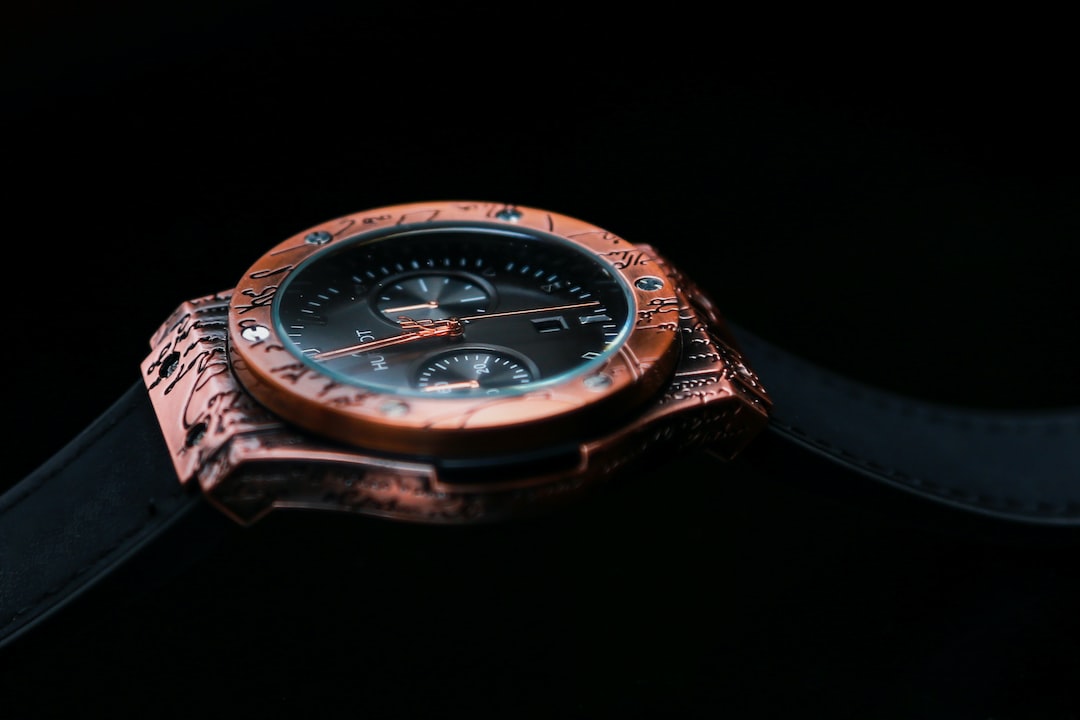
Bespoke watchmaking is a craft that has been around for centuries, but it has recently seen a resurgence in popularity. In a world where mass-produced products dominate the market, bespoke watchmaking offers a unique and exclusive alternative. This article will explore the world of bespoke watchmaking, its importance in the luxury watch industry, and why collectors and enthusiasts are drawn to these one-of-a-kind timepieces.
What is Bespoke Watchmaking and Why is it Exclusive?
Bespoke watchmaking refers to the creation of custom-made watches that are tailored to the individual customer’s specifications. Unlike mass-produced watches, which are made in large quantities using standardized designs and components, bespoke watches are crafted by hand and can be personalized in every aspect, from the movement to the dial to the strap.
What makes bespoke watchmaking exclusive is the level of customization and attention to detail that goes into each timepiece. Every element of the watch is carefully considered and crafted to meet the customer’s desires, resulting in a truly unique and personal piece. This level of exclusivity is highly valued by collectors and enthusiasts who appreciate the craftsmanship and individuality that bespoke watches offer.
The Art of Handcrafting Timepieces: A Look into the World of Bespoke Watchmaking
The process of creating a bespoke watch is a labor-intensive one that requires skilled artisans with years of experience. From designing the movement to hand-finishing each component, every step of the process is done by hand with meticulous attention to detail.
Skilled artisans play a crucial role in bespoke watchmaking. These craftsmen have honed their skills over many years and possess an intimate knowledge of their craft. They are able to bring the customer’s vision to life through their expertise and artistry, creating a timepiece that is not only functional but also a work of art.
There are several notable bespoke watchmakers who have made a name for themselves in the industry. These watchmakers are known for their exceptional craftsmanship and attention to detail. Some examples include Philippe Dufour, who is renowned for his handcrafted movements, and Kari Voutilainen, who combines traditional techniques with innovative design to create stunning timepieces.
The Importance of Customization in Bespoke Watchmaking
One of the key benefits of bespoke watchmaking is the ability to customize every aspect of the watch. This level of customization allows customers to create a timepiece that is truly unique and reflects their personal style and preferences.
Customers can choose from a wide range of customization options, including the type of movement, the materials used for the case and dial, and even the shape and size of the watch. This level of personalization ensures that each bespoke watch is a one-of-a-kind piece that cannot be replicated.
The ability to customize a watch also affects its value. Bespoke watches are often considered to be more valuable than mass-produced watches because they are unique and personalized. Collectors and enthusiasts are willing to pay a premium for a bespoke watch that has been tailored to their specifications.
The Role of Tradition and Innovation in Bespoke Watchmaking
Tradition plays a significant role in bespoke watchmaking. Many of the techniques used in creating these timepieces have been passed down through generations, ensuring that the craft is preserved and celebrated. Traditional techniques such as hand-engraving, guilloché, and enamel work are still used today to create intricate and beautiful designs.
However, bespoke watchmaking is not immune to innovation. In fact, many watchmakers are embracing new technologies and techniques to push the boundaries of what is possible in watchmaking. For example, some watchmakers are using 3D printing technology to create intricate components that would be impossible to make by hand.
The Timeless Appeal of Bespoke Watches: A Collector’s Perspective
Collectors are drawn to bespoke watches for several reasons. Firstly, these timepieces are often considered to be works of art. The level of craftsmanship and attention to detail that goes into each bespoke watch is unparalleled, making them highly desirable for collectors who appreciate fine craftsmanship.
Secondly, bespoke watches are unique and rare. Unlike mass-produced watches that can be found in every jewelry store, bespoke watches are one-of-a-kind pieces that cannot be replicated. This exclusivity makes them highly sought after by collectors who want to own something truly special.
Finally, bespoke watches have the potential to hold their value over time. Because they are unique and personalized, they often appreciate in value as collectors recognize their rarity and desirability. This makes them not only a beautiful piece to wear and enjoy but also a sound investment.
The Materials and Techniques Used in Bespoke Watchmaking
Bespoke watchmakers have access to a wide range of materials to create their timepieces. While traditional materials such as gold, silver, and stainless steel are commonly used, bespoke watchmakers also have the freedom to experiment with more unique and exotic materials.
For example, some watchmakers use meteorite dials, which are made from fragments of meteorites that have fallen to Earth. These dials have a distinctive pattern and texture that cannot be replicated, making them highly prized by collectors.
In addition to materials, bespoke watchmakers also use techniques that differ from those used in mass-produced watches. For example, hand-engraving is a technique that is often used to decorate the movement or case of a bespoke watch. This intricate and time-consuming process adds a personal touch to the watch and showcases the skill of the artisan.
The Process of Crafting a Bespoke Watch: From Design to Delivery
The process of creating a bespoke watch is a collaborative one between the customer and the watchmaker. It begins with a consultation where the customer discusses their vision for the watch and provides any specific requirements or preferences.
Once the design has been finalized, the watchmaker begins the process of crafting the watch. This involves sourcing the materials, handcrafting the components, and assembling the watch. Each step of the process is done with meticulous attention to detail to ensure that the final product meets the customer’s expectations.
The timeline for crafting a bespoke watch can vary depending on the complexity of the design and the availability of materials. On average, it can take several months to a year to complete a bespoke watch. However, some highly complex or intricate designs may take even longer.
The Top Bespoke Watchmakers in the World: A Comprehensive Guide
There are several notable bespoke watchmakers who have made a name for themselves in the industry. These watchmakers are known for their exceptional craftsmanship and unique designs. Here are a few examples:
1. Philippe Dufour: Philippe Dufour is widely regarded as one of the greatest living watchmakers. He is known for his handcrafted movements, which are considered to be some of the finest in the world. Dufour’s watches are highly sought after by collectors and enthusiasts.
2. Kari Voutilainen: Kari Voutilainen is a Finnish watchmaker who combines traditional techniques with innovative design to create stunning timepieces. His watches are known for their exquisite finishing and attention to detail.
3. Roger Smith: Roger Smith is a British watchmaker who trained under George Daniels, one of the most influential watchmakers of the 20th century. Smith’s watches are known for their traditional craftsmanship and high level of finishing.
These are just a few examples of the many talented bespoke watchmakers in the world. Each watchmaker has their own unique style and approach to watchmaking, making it important for customers to research and find a watchmaker that aligns with their personal preferences.
The Future of Bespoke Watchmaking: Trends and Innovations to Watch Out For
Bespoke watchmaking is an ever-evolving craft, and there are several trends and innovations that are shaping its future. One trend is the use of new materials, such as carbon fiber and ceramic, which offer unique properties and aesthetics. Another trend is the integration of smart technology into bespoke watches, allowing for additional functionality and connectivity.
In terms of innovation, 3D printing technology is revolutionizing the way watches are made. This technology allows for the creation of complex components that would be impossible to make by hand. It also offers greater design flexibility and customization options.
As bespoke watchmaking continues to evolve, it is likely that we will see even more innovative techniques and materials being used. The future of bespoke watchmaking is an exciting one, with endless possibilities for creativity and craftsmanship.
How to Choose the Perfect Bespoke Watch: A Buyer’s Guide
Choosing a bespoke watch is a highly personal decision, as it involves selecting a timepiece that reflects your personal style and preferences. Here are some factors to consider when choosing a bespoke watch:
1. Design: Consider the overall design of the watch, including the shape, size, and dial layout. Look for a design that resonates with you and reflects your personal style.
2. Movement: Pay attention to the type of movement used in the watch. Consider whether you prefer a mechanical or quartz movement, as well as any specific complications or features you desire.
3. Materials: Think about the materials used in the watch, including the case, dial, and strap. Consider whether you prefer traditional materials such as gold or stainless steel, or if you are interested in more unique materials such as meteorite or carbon fiber.
When working with a bespoke watchmaker, it is important to ask questions and communicate your preferences clearly. Be prepared to provide feedback throughout the process to ensure that the final product meets your expectations.
Bespoke watchmaking is a craft that combines tradition, innovation, and personalization to create one-of-a-kind timepieces. The level of craftsmanship and attention to detail that goes into each bespoke watch is unparalleled, making them highly desirable for collectors and enthusiasts.
As the luxury watch industry continues to evolve, bespoke watchmaking offers a unique and exclusive alternative to mass-produced watches. The ability to customize every aspect of the watch allows customers to create a timepiece that is truly unique and reflects their personal style and preferences.
The future of bespoke watchmaking is an exciting one, with endless possibilities for creativity and craftsmanship. As new materials and technologies continue to emerge, we can expect to see even more innovative techniques being used in the creation of bespoke watches.
In conclusion, bespoke watchmaking is a timeless art form that celebrates individuality and craftsmanship. Whether you are a collector looking for a unique addition to your collection or an enthusiast seeking a one-of-a-kind timepiece, bespoke watches offer a level of exclusivity and personalization that cannot be found in mass-produced watches.
More in
More from Magazine
Magazine · 28 min
Luxury Wedding Planning: The Ultimate Guide
Luxury wedding planning guide: top destination venues, couture bridal designers, Michelin catering, headline entertainment and elite planners for a fl…

Magazine · 29 min
Luxury Wine & Spirits Collecting: The Complete Guide
Luxury wine and spirits collecting guide: how to evaluate investment-grade Bordeaux, Burgundy, Champagne and rare whisky, plus auctions, storage and r…
Magazine · 32 min
Luxury Fashion: The Complete Style Guide
The complete luxury fashion style guide: bespoke tailoring, haute couture, heritage maisons like Hermes and Chanel, 2026 trends, investment bags and s…