Alexander Wang’s Approach to Urban-Edgy Fashion
Alexander Wang is a renowned fashion designer who has made a significant impact on the fashion industry with his urban-edgy aesthetic. From his early beginnings to his rise to fame…
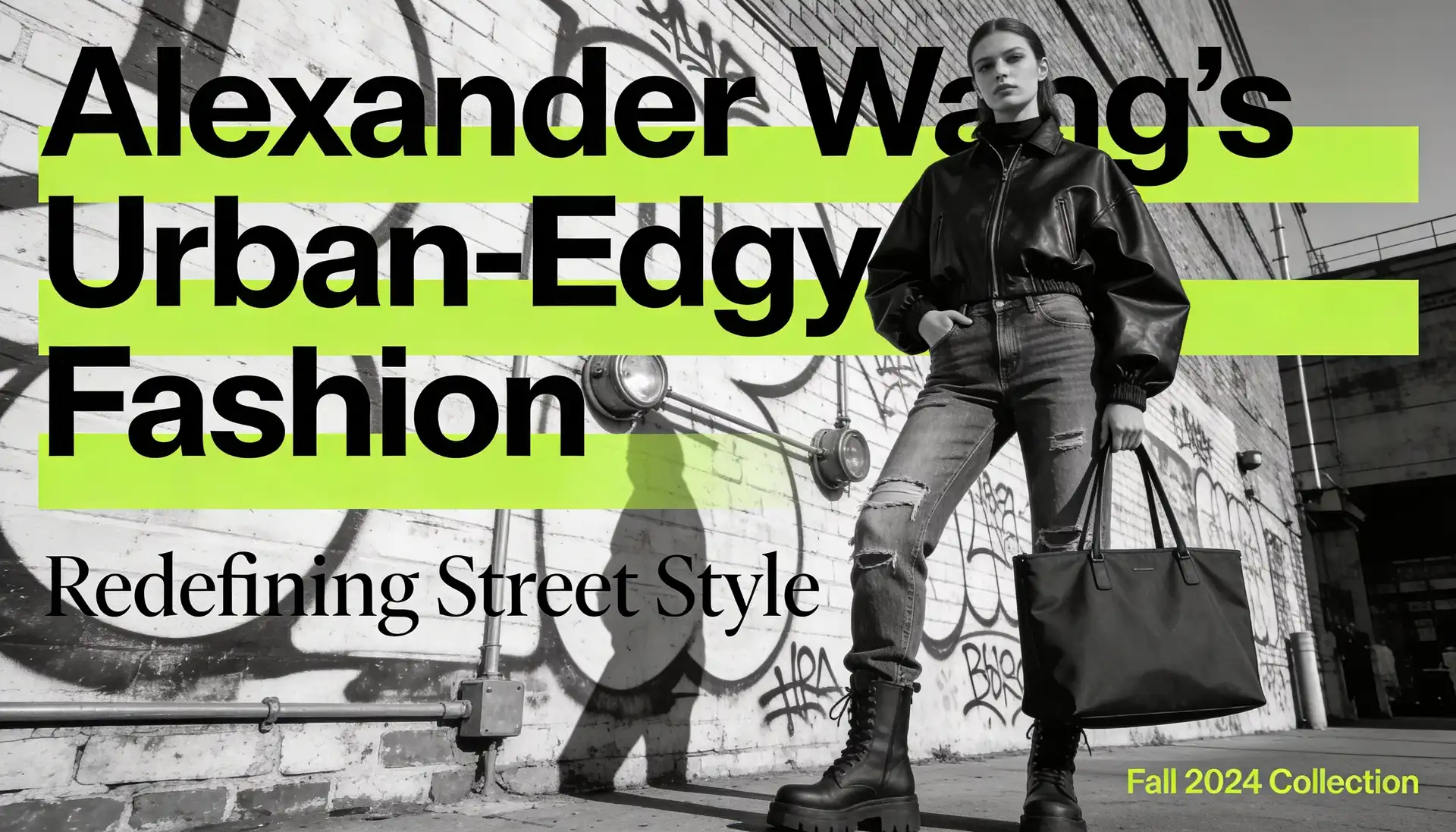
Alexander Wang is a renowned fashion designer who has made a significant impact on the fashion industry with his urban-edgy aesthetic. From his early beginnings to his rise to fame, Wang has become known for his minimalist designs, use of unconventional materials, and incorporation of streetwear elements. This article will explore the various aspects that have shaped Alexander Wang’s career and discuss his influence on the fashion industry.
The Rise of Alexander Wang in the Fashion Industry
Alexander Wang’s journey in the fashion industry began at a young age. Born and raised in San Francisco, he developed an interest in fashion from an early age and attended Parsons School of Design in New York City. It was during his time at Parsons that Wang caught the attention of the fashion world with his senior thesis collection.
Wang’s breakthrough moment came in 2007 when he launched his eponymous label at the age of 23. His debut collection was well-received by critics and buyers alike, earning him the CFDA/Vogue Fashion Fund award in 2008. This recognition catapulted him into the spotlight and solidified his position as a rising star in the industry.
The Inspiration Behind Alexander Wang’s Urban-Edgy Aesthetic
One of the defining characteristics of Alexander Wang’s designs is his urban-edgy aesthetic. His collections often draw inspiration from street culture, music, and his own personal experiences. Wang has cited New York City as a major influence on his work, with its vibrant energy and diverse subcultures serving as constant sources of inspiration.
In addition to his influences, Wang is known for his use of unconventional materials and techniques. He has experimented with everything from neoprene to rubber, creating unique textures and silhouettes that set him apart from other designers. This willingness to push boundaries and think outside the box has become a trademark of his brand.
The Use of Minimalism in Alexander Wang’s Designs
Alexander Wang’s designs are characterized by their minimalist approach. He often strips down his designs to their essential elements, focusing on clean lines and simple silhouettes. This minimalist aesthetic sets him apart from other designers who may opt for more ornate and embellished designs.
Wang’s minimalist approach allows the wearer to become the focal point, rather than the clothing itself. By removing unnecessary details and distractions, he creates a sense of understated elegance that resonates with consumers who appreciate simplicity and sophistication.
The Impact of Streetwear Culture on Alexander Wang’s Style
Streetwear culture has had a significant influence on Alexander Wang’s designs. He has embraced the casual, laid-back aesthetic of streetwear and incorporated it into his collections. From oversized hoodies to graphic t-shirts, Wang has reimagined streetwear staples in a high-fashion context.
This fusion of streetwear and high fashion has resonated with a younger generation of consumers who value comfort and self-expression. By blurring the lines between streetwear and luxury fashion, Wang has created a unique niche for himself in the industry.
The Importance of Functionality in Alexander Wang’s Clothing
Functionality is a key aspect of Alexander Wang’s designs. He prioritizes comfort and wearability, ensuring that his clothing is not only aesthetically pleasing but also practical for everyday life. This emphasis on functionality has made his designs popular among consumers who value both style and comfort.
Wang often incorporates sportswear elements into his collections, such as drawstring waistbands and elasticized cuffs. These details not only add a touch of athleticism to his designs but also enhance their functionality. Whether it’s a pair of track pants or a structured blazer, Wang’s clothing is designed to be versatile and easy to wear.
The Role of Black in Alexander Wang’s Collections
Black is a signature element in Alexander Wang’s collections. He has become known for his use of the color, often incorporating it into his designs in various ways. From head-to-toe black ensembles to black leather accents, Wang’s use of black adds a sense of edginess and sophistication to his clothing.
Black also serves as a canvas for Wang to experiment with different textures and materials. Whether it’s a sleek leather jacket or a flowing silk dress, the color black allows the details and craftsmanship of his designs to shine.
The Evolution of Alexander Wang’s Brand Identity
Over the years, Alexander Wang’s brand identity has evolved while still maintaining a consistent aesthetic. While his early collections were characterized by their urban-edgy vibe, he has since expanded his brand to include more refined and sophisticated designs.
Wang has also ventured into other areas of fashion, including accessories and footwear. His collaborations with brands such as Adidas and H&M have helped him reach a wider audience and further establish his brand identity.
The Influence of Music on Alexander Wang’s Fashion Shows
Music has played a significant role in Alexander Wang’s fashion shows. He has collaborated with various musicians and DJs to create soundtracks that enhance the overall experience of his shows. From live performances to curated playlists, music adds an element of energy and excitement to Wang’s runway presentations.
Wang’s fashion shows are known for their high-energy atmosphere, with models strutting down the runway to pulsating beats. This combination of fashion and music creates a multisensory experience that captivates both industry insiders and consumers alike.
The Collaborations that Have Shaped Alexander Wang’s Career
Collaborations have played a crucial role in shaping Alexander Wang’s career. He has collaborated with a wide range of brands and designers, including Adidas, H&M, and Uniqlo. These collaborations have allowed him to expand his brand and reach new audiences.
Wang’s collaborations often combine his urban-edgy aesthetic with the unique perspective of the collaborating brand or designer. Whether it’s a collection of sportswear-inspired pieces or a line of affordable basics, these collaborations have helped him push the boundaries of his own brand and explore new creative avenues.
The Future of Alexander Wang’s Urban-Edgy Fashion
As Alexander Wang continues to innovate and evolve his aesthetic, the future of his brand looks promising. He has proven himself to be a visionary designer who is unafraid to take risks and push boundaries. With his unique blend of streetwear and high fashion, Wang is well-positioned to continue making an impact on the fashion industry.
Whether it’s through new collaborations, innovative designs, or boundary-pushing fashion shows, Alexander Wang will undoubtedly continue to shape the fashion industry for years to come.
Alexander Wang’s rise to fame in the fashion industry is a testament to his talent and unique vision. From his early beginnings to his current status as a renowned designer, Wang has consistently pushed the boundaries of fashion with his urban-edgy aesthetic.
His minimalist designs, use of unconventional materials, incorporation of streetwear elements, and emphasis on functionality have set him apart from other designers and resonated with consumers around the world.
As he continues to evolve his brand and explore new creative avenues, Alexander Wang’s impact on the fashion industry will undoubtedly continue to grow. His ability to combine high fashion with streetwear influences has made him a true innovator in the industry, and his future looks bright.
What defines Alexander Wang's design aesthetic?
How did Alexander Wang rise to prominence?
Why is Alexander Wang influential in fashion?
More from Magazine
Luxury Wedding Planning: The Ultimate Guide
Luxury wedding planning guide: top destination venues, couture bridal designers, Michelin catering, headline entertainment and elite planners for a fl…

Luxury Wine & Spirits Collecting: The Complete Guide
Luxury wine and spirits collecting guide: how to evaluate investment-grade Bordeaux, Burgundy, Champagne and rare whisky, plus auctions, storage and r…
Luxury Fashion: The Complete Style Guide
The complete luxury fashion style guide: bespoke tailoring, haute couture, heritage maisons like Hermes and Chanel, 2026 trends, investment bags and s…