Alexis Bittar’s Innovative Use of Lucite in Artistic Jewelry
Alexis Bittar is a renowned jewelry designer known for his unique and artistic creations. Born and raised in Brooklyn, New York, Bittar began his career at the young age of 13, sel…
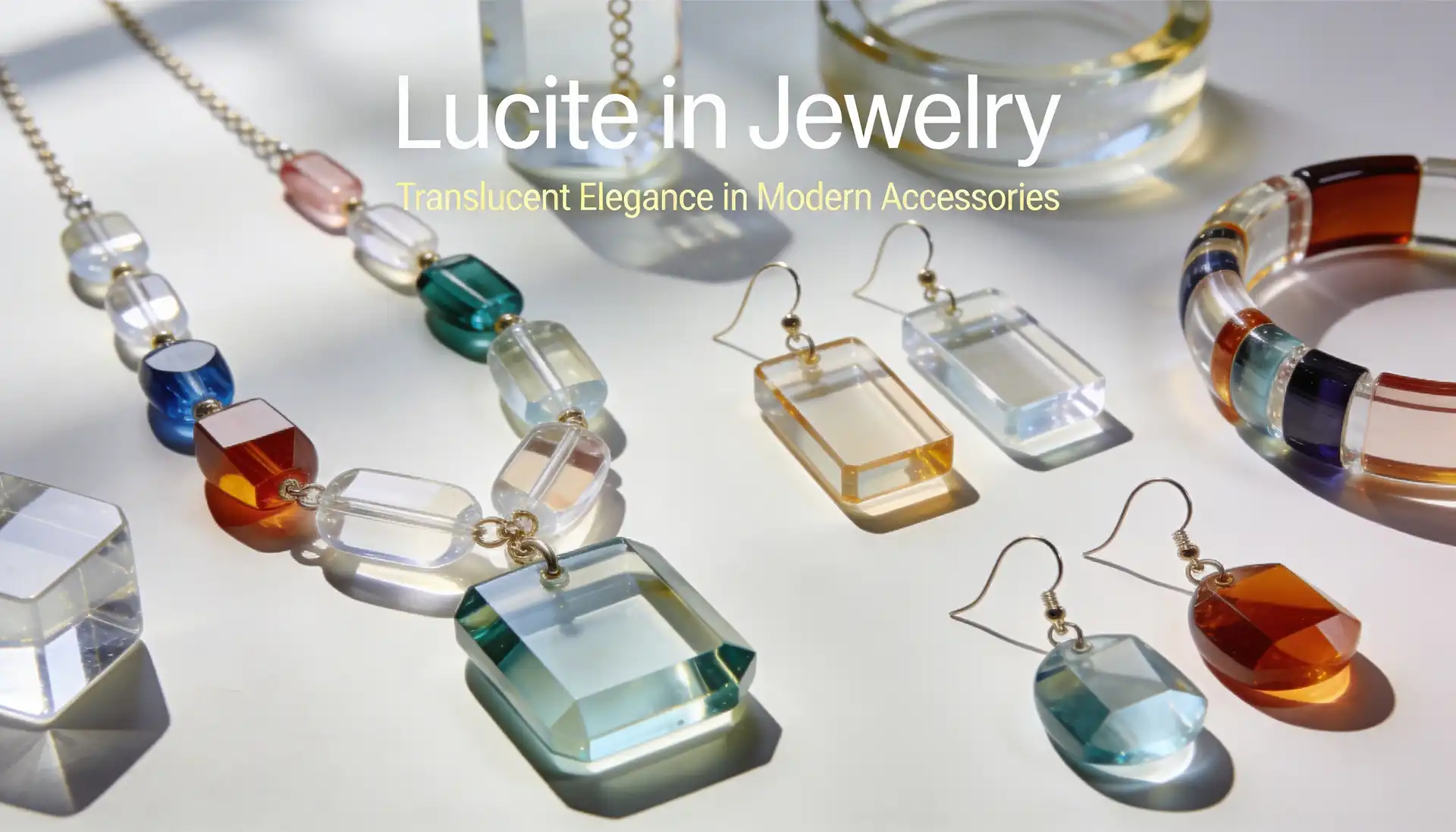
Alexis Bittar is a renowned jewelry designer known for his unique and artistic creations. Born and raised in Brooklyn, New York, Bittar began his career at the young age of 13, selling vintage jewelry on the streets of New York City. His passion for jewelry making led him to open his first boutique in 1988, where he showcased his own designs alongside vintage pieces.
One of the defining features of Bittar’s jewelry is his use of lucite, a type of acrylic resin that he incorporates into many of his designs. Lucite is a lightweight and durable material that can be molded into various shapes and forms, making it ideal for jewelry making. Bittar’s innovative use of lucite sets him apart from other designers in the industry and has become a signature element of his brand.
The History and Significance of Lucite in Jewelry Making
Lucite has a rich history in the world of jewelry making. It was first developed in the 1930s by the chemical company DuPont as a substitute for glass. During World War II, lucite became popular due to its versatility and durability, as it could be used to make aircraft windows and other military equipment.
In the 1950s and 1960s, lucite gained popularity in the fashion industry as a material for costume jewelry. Its lightweight nature made it comfortable to wear, and its ability to be molded into various shapes allowed designers to create unique and intricate designs. Lucite jewelry became particularly popular during this time due to its affordability compared to precious metals and gemstones.
How Alexis Bittar Revolutionized the Use of Lucite in Jewelry
Alexis Bittar played a significant role in revolutionizing the use of lucite in jewelry making. In the early days of his career, Bittar experimented with various materials, including lucite, to create his designs. However, it was his unique approach to incorporating lucite into his jewelry that set him apart from other designers.
Bittar pushed the boundaries of traditional jewelry making by using lucite in unexpected ways. He combined it with other materials such as metal, crystals, and semi-precious stones to create bold and statement-making pieces. Bittar’s use of lucite allowed him to create intricate and detailed designs that were both visually stunning and comfortable to wear.
The Unique Properties of Lucite and How They Enhance Bittar’s Designs
Lucite possesses several unique properties that make it ideal for Bittar’s designs. Firstly, its lightweight nature allows for larger and more intricate designs without weighing down the wearer. This is particularly important for statement pieces that are meant to make a bold impact.
Additionally, lucite is a highly versatile material that can be molded into various shapes and forms. This allows Bittar to create intricate details and unique textures in his jewelry designs. The transparency of lucite also adds an element of depth and dimension to his pieces, making them visually captivating.
Furthermore, lucite is a durable material that can withstand everyday wear and tear. This makes Bittar’s jewelry not only beautiful but also practical for everyday use. The durability of lucite ensures that his designs will last for years to come, making them a worthwhile investment for collectors and fashion enthusiasts alike.
The Creative Process Behind Alexis Bittar’s Lucite Jewelry
Alexis Bittar’s creative process begins with inspiration from various sources, including art, architecture, and nature. He often starts by sketching out his ideas on paper, exploring different shapes and forms that he wants to incorporate into his designs. Once he has a clear vision of what he wants to create, he moves on to the next step.
Bittar then works closely with his team of skilled artisans to bring his designs to life. They use a combination of traditional jewelry making techniques and modern technology to create each piece. The process often involves molding and shaping the lucite, as well as incorporating other materials such as metal, crystals, and gemstones.
Throughout the creative process, Bittar pays close attention to every detail, ensuring that each piece is crafted with precision and care. He believes that jewelry should not only be beautiful but also tell a story. This attention to detail and storytelling is evident in every piece of his lucite jewelry.
The Use of Color and Texture in Alexis Bittar’s Lucite Jewelry
Color and texture play a crucial role in Alexis Bittar’s lucite jewelry designs. Bittar is known for his bold use of color, often incorporating vibrant hues into his pieces. He believes that color has the power to evoke emotions and create a sense of joy and excitement. By using color in his designs, Bittar aims to make a statement and capture the attention of the wearer.
Texture is another important element in Bittar’s lucite jewelry. He often incorporates intricate textures into his designs, creating a tactile experience for the wearer. This adds an extra layer of interest and depth to his pieces, making them visually captivating from every angle.
Bittar also experiments with different techniques to create unique textures in his lucite jewelry. He may use techniques such as carving, etching, or layering to achieve the desired effect. This attention to detail and craftsmanship is what sets Bittar’s jewelry apart and makes it truly one-of-a-kind.
The Role of Lucite in Bittar’s Iconic Designs and Collections
Lucite plays a key role in many of Alexis Bittar’s iconic designs and collections. One of his most famous collections is the “Miss Havisham” collection, which features bold and statement-making pieces made primarily from lucite. The collection is inspired by the decay and beauty of abandoned buildings, and the use of lucite adds an element of transparency and fragility to the designs.
Another iconic collection is the “Elements” collection, which showcases Bittar’s ability to combine lucite with other materials such as metal and gemstones. The collection features pieces that are inspired by the four elements – earth, air, fire, and water – and each piece incorporates lucite in a unique and creative way.
Lucite also plays a key role in Bittar’s collaboration with fashion designer Jason Wu. The collection features lucite jewelry that complements Wu’s clothing designs, creating a cohesive and visually stunning look. The use of lucite in this collaboration adds a modern and edgy touch to the overall aesthetic.
The Influence of Art and Architecture on Alexis Bittar’s Lucite Jewelry
Alexis Bittar’s background in art and architecture has a significant influence on his jewelry designs, particularly his use of lucite. Bittar draws inspiration from various art movements, including Art Deco, Surrealism, and Cubism. He often incorporates geometric shapes and abstract forms into his designs, creating pieces that are both visually striking and thought-provoking.
Bittar’s background in architecture also influences his jewelry designs. He is inspired by the clean lines and structural elements found in architectural design. This is evident in his use of lucite, as he often creates pieces that have a strong sense of structure and balance.
One example of Bittar’s architectural influence is his “Lucite Link” collection, which features bold and geometric designs made entirely from lucite. The collection is inspired by the architectural elements found in New York City, where Bittar grew up. The use of lucite in this collection allows him to create intricate details and precise shapes that mimic the architectural structures he admires.
The Popularity and Enduring Appeal of Alexis Bittar’s Lucite Jewelry
Alexis Bittar’s lucite jewelry has gained immense popularity and continues to be sought after by fashion enthusiasts and collectors around the world. His unique and artistic designs have caught the attention of celebrities, stylists, and fashion editors, further cementing his status as a leading jewelry designer.
One of the reasons for the enduring appeal of Bittar’s lucite jewelry is its versatility. His designs can be dressed up or down, making them suitable for both casual and formal occasions. The lightweight nature of lucite also adds to its appeal, as it allows for comfortable wear throughout the day.
Additionally, Bittar’s use of color and texture in his lucite jewelry makes each piece a statement on its own. The vibrant hues and intricate details make his designs stand out from the crowd and add a touch of personality to any outfit.
The Future of Lucite in Artistic Jewelry and Its Potential Impact on the Industry
The use of lucite in artistic jewelry is likely to continue growing in popularity in the future. Its unique properties and versatility make it an ideal material for designers to experiment with and push the boundaries of traditional jewelry making.
Alexis Bittar’s use of lucite has already influenced other designers in the industry. Many have started incorporating lucite into their own designs, creating pieces that are inspired by Bittar’s innovative approach. This trend is likely to continue as more designers recognize the potential of lucite in creating unique and artistic jewelry.
In conclusion, Alexis Bittar’s use of lucite in his jewelry designs has revolutionized the industry. His innovative approach to incorporating lucite into his designs has set him apart from other designers and has become a signature element of his brand. The unique properties of lucite, such as its lightweight nature and ability to be molded into various shapes, enhance Bittar’s designs and allow him to create intricate and visually captivating pieces. The popularity and enduring appeal of Bittar’s lucite jewelry are a testament to his creativity and craftsmanship, and the future of lucite in artistic jewelry looks promising.
More from Magazine
Luxury Wedding Planning: The Ultimate Guide
Luxury wedding planning guide: top destination venues, couture bridal designers, Michelin catering, headline entertainment and elite planners for a fl…
Luxury Wine & Spirits Collecting: The Complete Guide
Luxury wine and spirits collecting guide: how to evaluate investment-grade Bordeaux, Burgundy, Champagne and rare whisky, plus auctions, storage and r…
Luxury Fashion: The Complete Style Guide
The complete luxury fashion style guide: bespoke tailoring, haute couture, heritage maisons like Hermes and Chanel, 2026 trends, investment bags and s…