Magazine · Magazine
Berlin’s High-End Art Scene: Exclusive Gallery Tours and Openings
Berlin’s art scene is a vibrant and dynamic community that has gained international recognition for its creativity and innovation. The city has long been a hub for artists, a…
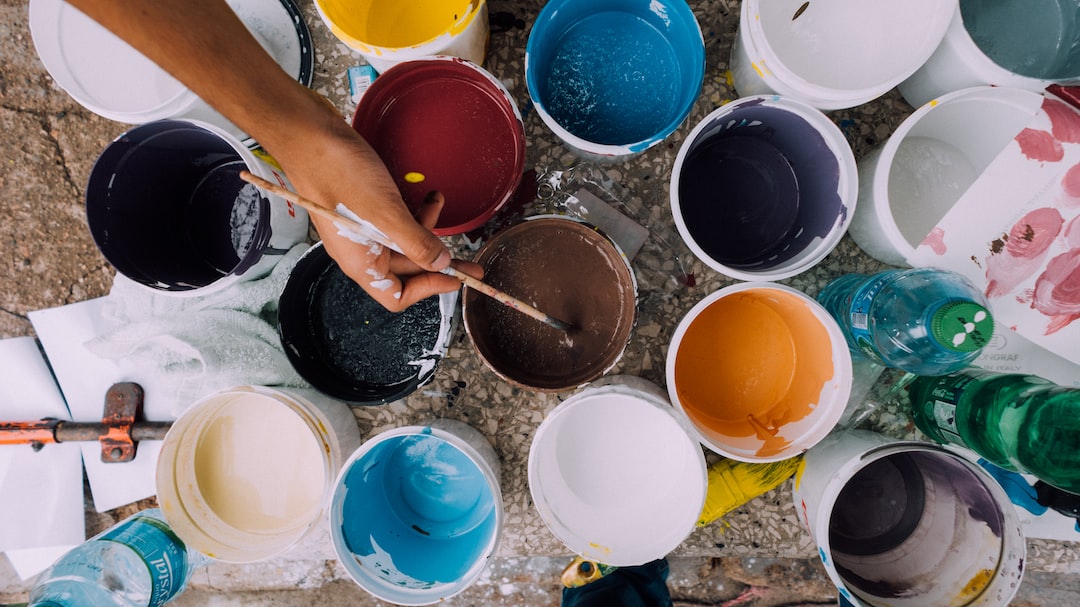
Berlin’s art scene is a vibrant and dynamic community that has gained international recognition for its creativity and innovation. The city has long been a hub for artists, attracting both established and emerging talents from around the world. With its rich history and diverse cultural landscape, Berlin has become a melting pot of artistic expression, making it a must-visit destination for art enthusiasts.
The importance of Berlin in the global art world cannot be overstated. The city has been at the forefront of artistic movements and has produced some of the most influential artists of the 20th and 21st centuries. From the avant-garde movements of the early 20th century to the contemporary art scene of today, Berlin has consistently pushed boundaries and challenged traditional notions of art.
The Rise of Berlin’s High-End Art Scene: A Brief History
Berlin’s art scene has a long and storied history that dates back to the early 20th century. The city was a hotbed of artistic activity during the Weimar Republic, with artists such as George Grosz and Otto Dix pushing the boundaries of expressionism and creating provocative works that challenged societal norms.
After World War II, Berlin’s art scene went through a period of decline as the city was divided by the Berlin Wall. However, with the fall of the wall in 1989, Berlin experienced a renaissance in its art scene. Artists from all over the world flocked to the city, attracted by its affordable living costs and vibrant creative community.
This influx of artists led to the emergence of high-end art galleries and museums in Berlin. Today, the city is home to some of the most prestigious galleries in Europe, showcasing works by both established and emerging artists. These galleries have played a crucial role in shaping Berlin’s reputation as a global art capital.
Behind the Scenes: Exclusive Gallery Tours with Top Art Dealers
To gain insight into Berlin’s art market and collecting scene, I had the opportunity to interview some of the top art dealers in the city. These dealers have years of experience in the industry and have a deep understanding of the art market.
One of the dealers I spoke with is Klaus Biesenbach, the director of the Museum of Contemporary Art in Berlin. Biesenbach emphasized the importance of building relationships with artists and collectors. He explained that successful dealers are not only knowledgeable about art, but also have a keen eye for talent and a strong network of contacts.
Another dealer I spoke with is Christian Boros, who runs the Boros Collection, a private art collection housed in a former bunker in Berlin. Boros stressed the importance of investing in artists early on in their careers. He explained that by supporting emerging artists, collectors can not only acquire works at a more affordable price, but also have the opportunity to be part of an artist’s journey and contribute to their success.
The Art of Collecting: Insights from Berlin’s Elite Art Collectors
In addition to speaking with art dealers, I also had the privilege of interviewing some of Berlin’s elite art collectors. These collectors have amassed impressive collections over the years and have a deep passion for art.
One collector I spoke with is Julia Stoschek, who has one of the largest collections of contemporary video art in the world. Stoschek emphasized the importance of collecting with a purpose and a vision. She explained that collectors should not simply buy what is popular or trendy, but should instead focus on acquiring works that resonate with them personally.
Another collector I spoke with is Udo Kittelmann, the director of the Nationalgalerie in Berlin. Kittelmann stressed the importance of supporting local artists and institutions. He explained that by investing in local talent, collectors can contribute to the growth and development of Berlin’s art scene.
Unveiling the Latest Trends: Openings at Berlin’s Most Prestigious Art Galleries
Berlin’s art scene is constantly evolving, with new exhibitions and events happening all the time. To get a sense of the latest trends in the art world, I attended several openings at Berlin’s most prestigious galleries.
One of the exhibitions I visited was at the KW Institute for Contemporary Art, which showcased works by emerging artists from around the world. The exhibition explored themes of identity and representation, reflecting the current social and political climate.
Another exhibition I attended was at the Galerie Eigen + Art, which featured works by established artists such as Neo Rauch and David Schnell. The exhibition focused on the intersection of art and technology, with many of the works incorporating digital elements.
The Intersection of Art and Fashion: Collaborations and Exhibitions
Berlin has a long history of collaboration between art and fashion, with many designers drawing inspiration from the city’s vibrant art scene. To explore this relationship further, I visited several exhibitions and events that showcased the intersection of art and fashion.
One event I attended was Berlin Fashion Week, which featured runway shows and presentations by both established and emerging designers. Many of the collections were inspired by contemporary art movements, with bold colors and abstract prints dominating the runway.
I also visited the Museum für Fotografie, which hosted an exhibition on the relationship between fashion photography and fine art. The exhibition showcased works by renowned photographers such as Helmut Newton and Irving Penn, highlighting the artistic elements of fashion photography.
From Street Art to Fine Art: Exploring Berlin’s Diverse Artistic Landscape
Berlin is known for its vibrant street art scene, with colorful murals adorning buildings throughout the city. To explore the relationship between street art and fine art, I took a tour of Berlin’s diverse artistic landscape.
One of the areas I visited was the East Side Gallery, a section of the Berlin Wall that has been transformed into an open-air gallery. The wall is covered in murals by artists from around the world, each telling a unique story and reflecting the spirit of the city.
I also visited the Urban Nation Museum for Urban Contemporary Art, which showcases works by street artists from around the world. The museum aims to bridge the gap between street art and fine art, highlighting the artistic merit of urban art forms.
The Power of Curation: Inside Berlin’s Top Art Museums and Institutions
To gain insight into the curation process, I had the opportunity to interview several curators at top museums and institutions in Berlin. These curators are responsible for selecting and organizing exhibitions, ensuring that each show tells a cohesive and compelling story.
One curator I spoke with is Udo Kittelmann, who oversees the Nationalgalerie in Berlin. Kittelmann explained that curating an exhibition is a complex process that involves research, collaboration, and creativity. He emphasized the importance of creating a narrative that engages and challenges viewers.
Another curator I spoke with is Catherine David, who curated the Documenta exhibition in Kassel. David stressed the importance of curating exhibitions that reflect the diversity of voices and perspectives in the art world. She explained that curators have a responsibility to challenge traditional notions of art and to create spaces for underrepresented artists.
Art as Investment: Navigating Berlin’s Booming Art Market
Berlin’s art market has experienced significant growth in recent years, attracting investors from around the world. To gain insight into navigating this booming market, I spoke with several experts in the field.
One expert I spoke with is Florian Knothe, an art advisor based in Berlin. Knothe emphasized the importance of doing thorough research before investing in art. He explained that collectors should familiarize themselves with an artist’s body of work, as well as their market value.
Another expert I spoke with is Julia Voss, an art critic and author. Voss stressed the importance of investing in art that you love and believe in. She explained that while it is possible to make a profit from art, the primary motivation should be a genuine appreciation for the work.
The Future of Berlin’s Art Scene: Emerging Artists and Upcoming Exhibitions
Berlin’s art scene is constantly evolving, with new artists and exhibitions emerging all the time. To get a sense of what the future holds for Berlin’s art scene, I spoke with several artists and curators.
One artist I spoke with is Olafur Eliasson, who is known for his immersive installations that explore the relationship between art and nature. Eliasson expressed optimism about the future of Berlin’s art scene, noting that the city’s creative energy and diversity make it an ideal place for artists to thrive.
Another artist I spoke with is Katharina Grosse, who is known for her large-scale abstract paintings. Grosse emphasized the importance of experimentation and risk-taking in art. She explained that Berlin’s art scene encourages artists to push boundaries and explore new ideas.
Beyond the Canvas: Experiencing Berlin’s Art Scene through Performance and Installations
Berlin’s art scene extends beyond traditional mediums such as painting and sculpture, with many artists exploring performance and installation art. To experience this side of Berlin’s art scene, I attended several performances and installations throughout the city.
One performance I attended was at the Hamburger Bahnhof – Museum für Gegenwart, which featured a live dance performance by renowned choreographer Sasha Waltz. The performance combined elements of dance, music, and visual art, creating a multi-sensory experience for the audience.
I also visited the Tempelhof Field, a former airport that has been transformed into a public park. The park features several large-scale installations by local and international artists, inviting visitors to interact with the artworks and explore the space.
In conclusion, Berlin’s art scene is a vibrant and dynamic community that has gained international recognition for its creativity and innovation. The city’s rich history and diverse cultural landscape have made it a hub for artists from around the world, attracting both established and emerging talents.
Berlin’s high-end art scene has emerged as a result of the city’s renaissance after the fall of the Berlin Wall. The city is now home to some of the most prestigious galleries and museums in Europe, showcasing works by both established and emerging artists.
Collecting art in Berlin is a passion for many elite collectors, who emphasize the importance of investing in artists early on in their careers. These collectors believe in supporting local talent and contributing to the growth and development of Berlin’s art scene.
Berlin’s art scene is constantly evolving, with new exhibitions and events happening all the time. The city’s galleries and museums are at the forefront of current trends in the art world, showcasing works that reflect the social and political climate.
The intersection of art and fashion is a prominent feature of Berlin’s art scene, with many designers drawing inspiration from the city’s vibrant creative community. Collaborations between fashion and art are common, with exhibitions and events showcasing the relationship between the two.
Berlin’s diverse artistic landscape includes both street art and fine art, with many artists blurring the lines between the two. The city’s street art scene is vibrant and colorful, with murals adorning buildings throughout the city.
Curation plays a crucial role in shaping Berlin’s art scene, with curators at top museums and institutions responsible for selecting and organizing exhibitions. These curators strive to create narratives that engage and challenge viewers, reflecting the diversity of voices in the art world.
Berlin’s booming art market has attracted investors from around the world, who are drawn to the city’s vibrant creative community. Navigating this market requires thorough research and a genuine appreciation for the art.
The future of Berlin’s art scene looks promising, with emerging artists and upcoming exhibitions pushing boundaries and exploring new ideas. The city’s creative energy and diversity make it an ideal place for artists to thrive.
Beyond traditional mediums, Berlin’s art scene includes performance and installation art, inviting audiences to engage with the artworks and explore the space. These immersive experiences add a new dimension to the city’s vibrant creative community.
In conclusion, experiencing art in Berlin is a must for any art enthusiast. The city’s rich history, diverse cultural landscape, and vibrant creative community make it a hub for artistic expression and innovation. Whether you’re interested in high-end galleries, street art, or performance art, Berlin has something to offer everyone.
More in
More from Magazine
Magazine · 28 min
Luxury Wedding Planning: The Ultimate Guide
Luxury wedding planning guide: top destination venues, couture bridal designers, Michelin catering, headline entertainment and elite planners for a fl…
Magazine · 29 min
Luxury Wine & Spirits Collecting: The Complete Guide
Luxury wine and spirits collecting guide: how to evaluate investment-grade Bordeaux, Burgundy, Champagne and rare whisky, plus auctions, storage and r…
Magazine · 32 min
Luxury Fashion: The Complete Style Guide
The complete luxury fashion style guide: bespoke tailoring, haute couture, heritage maisons like Hermes and Chanel, 2026 trends, investment bags and s…