Classic Car Collecting: The Art of Investing in Automotive History
Why Classic Cars Have Outperformed Traditional Assets Over the past two decades, classic cars have delivered annualised returns that rival or exceed stocks, bonds, and even fine ar…
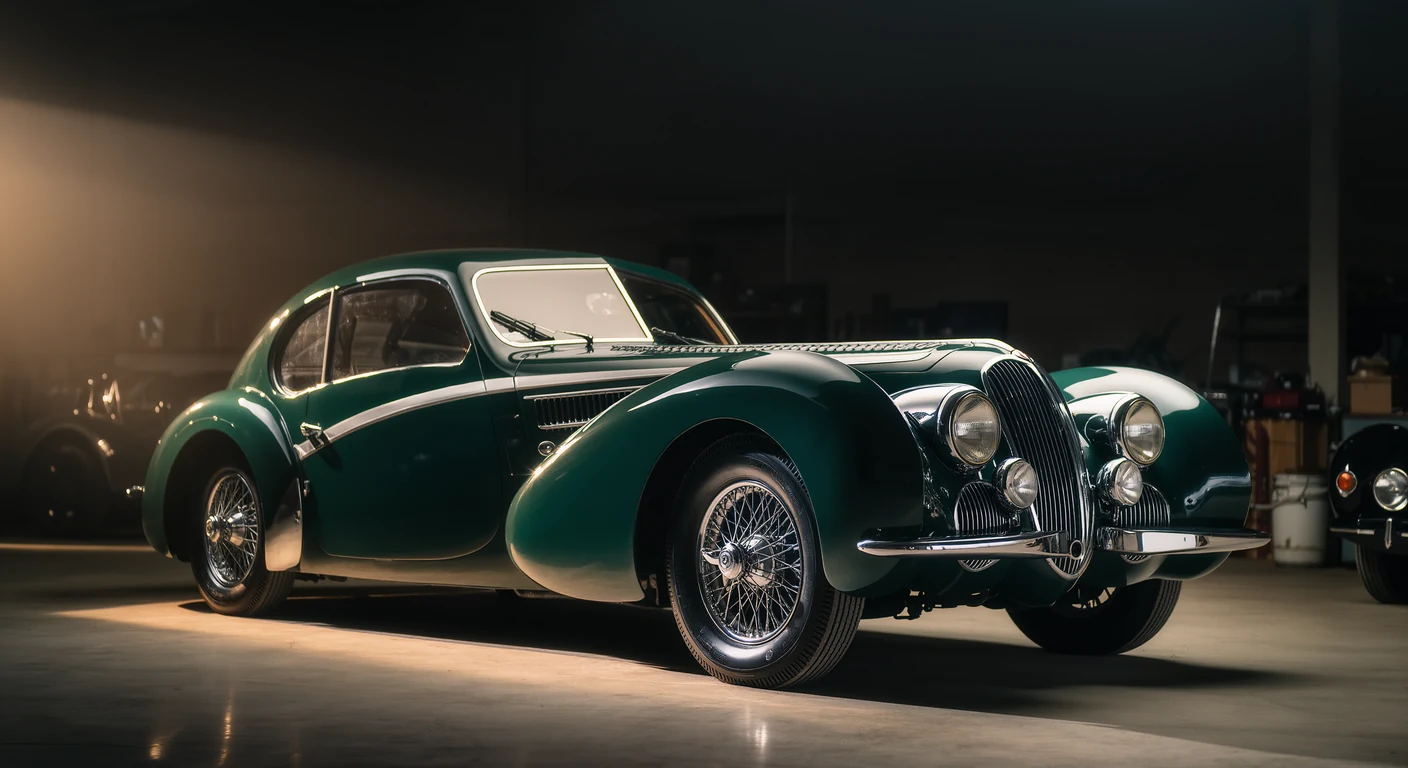
Why Classic Cars Have Outperformed Traditional Assets
Over the past two decades, classic cars have delivered annualised returns that rival or exceed stocks, bonds, and even fine art. The Knight Frank Luxury Investment Index has repeatedly placed classic cars near the top of its passion-asset rankings, with certain marques posting triple-digit percentage gains over ten-year holding periods. Unlike equities, a well-chosen classic automobile is a tangible, finite asset whose supply only diminishes as examples are lost to accident, neglect, or irreversible modification.
Between 2005 and 2020, the HAGI Top Index, which tracks rare collectible Porsches, rose over 400%, while the S&P 500 delivered roughly half that. A Ferrari 250 GTO purchased for £6,000 in the early 1970s sold at auction for over $48 million. An air-cooled Porsche 911 that could be bought for $25,000 in 2010 regularly trades above six figures today. The key driver? A global pool of wealthy enthusiasts that has expanded dramatically, particularly across Asia and the Middle East, competing for a fixed number of genuinely desirable cars.
What makes classic cars uniquely attractive is their dual nature. They are both an investment vehicle and an object of profound personal enjoyment. An owner can participate in rallies, concours events, and weekend drives while the asset quietly appreciates. This “consumption dividend” is something a stock certificate simply cannot match. Factor in favourable tax treatment in many jurisdictions, and the investment case becomes even more compelling.
What Makes a Classic Car Collectible
Not every old car is a collectible, and not every collectible is a sound investment. Understanding what separates a blue-chip classic from mere “old iron” comes down to three interlocking factors: rarity, provenance, and originality.
Rarity and Production Numbers
Rarity is the bedrock of collectibility, but it is more nuanced than simply low production figures. Think of the Ferrari 250 GT SWB with only 176 examples produced, or the Mercedes-Benz 300 SLR “Uhlenhaut” Coupe, only two were built, making them among the most valuable cars on earth. What savvy collectors look for is the intersection of low production and high desirability: the Porsche 911 Carrera RS 2.7 (1,580 built), the BMW M1 (453 built), the Lamborghini Miura SV (150 built). Run-of-the-mill mass-produced classics, even well-preserved ones, rarely achieve the same trajectory.
Colour and specification matter enormously. A Ferrari 275 GTB/4 in Rosso Chiaro with a matching-numbers V12 commands a significant premium over an identical car in a non-original colour. Documentation of factory-original specifications, build sheets, delivery records, Certificates of Origin, transforms rarity from an abstract concept into a verifiable selling point.
Provenance and History
Provenance is the biography of a car, and a compelling one can multiply value many times over. A Jaguar D-Type that won Le Mans in period is worth far more than an identical car with no racing history. A Ferrari 250 GT once owned by Steve McQueen carries a premium simply because enthusiasts want to sit where the “King of Cool” once sat. Racing pedigree, celebrity ownership, and factory prototype status all elevate value, but only when backed by documentation. A story without paper is just a story.
Smart collectors research a car’s chain of ownership meticulously. Gaps in a car’s history are red flags, they may hide accidents, theft, or major restoration work. A car with continuous, documented ownership from new carries “unbroken provenance” and commands a premium for the confidence it provides.
Originality vs Restoration
The pendulum has swung decisively toward originality. A survivor car, one retaining its original paint, interior, engine, and even patina, is now often worth more than a perfectly restored example. The rationale is simple: a car is only original once. Restoration, no matter how meticulous, erases the evidence of the car’s life.
The critical distinction is between sympathetic restoration, using period-correct materials and techniques, and over-restoration, where a car emerges looking better than it ever did when new. Judges at Pebble Beach and Villa d’Este increasingly penalise cars that appear overdone. The most important question: does it still have its matching-numbers engine and drivetrain? A non-matching engine can discount a Ferrari by over 30% and a Porsche by 20% or more. Pre-purchase inspections by marque experts are non-negotiable.
The Most Investment-Worthy Marques
While hundreds of manufacturers have produced collectible automobiles, four marques stand apart for their historical consistency, global recognition, and depth of enthusiast support.
Ferrari
No marque commands the same reverence as Ferrari. From the 250 GTO to the F40, Ferrari’s greatest hits represent the apex of automotive collectibility. The V12 front-engined cars of the 1950s and 1960s, the 250 series, the 275, the 365 GTB/4 “Daytona”, are the crown jewels, with values from the high six figures to tens of millions. More accessible entry points exist: the 308 GTB and 328 GTS ($80,000, $150,000), and the V12 456 GT and 550 Maranello, the last of the gated-manual Ferraris now seeing renewed interest.
Porsche
If Ferrari is the emotional choice, Porsche is the analytical one. The air-cooled 911, in production from 1964 to 1998, has proven one of the most reliably appreciating assets in the collector-car universe. The 911 Carrera RS 2.7 (1973) has risen from around $200,000 in 2010 to well over $700,000 today. The 930 Turbo and 964 Turbo have followed similar trajectories. Transaxle Porsches, the 924, 944, 968, and 928, were long overlooked but are now climbing rapidly. The Porsche Club of America, with over 150,000 members, provides an infrastructure of knowledge and community that few other marques can match.
Mercedes-Benz
Mercedes-Benz commands immense respect across both pre-war and post-war eras. The 300 SL “Gullwing” (1954bis1957) trades between $1.5 million and $3 million. The 300 SLR “Uhlenhaut” Coupe holds the record for the most expensive car ever sold at €135 million. The broader market offers meaningful opportunities: the 280 SL “Pagoda” has more than doubled over the past decade, the 190 SL is now in six-figure territory, and even the R107 SL (1971bis1989) is gaining traction as collectors recognise its build quality and timeless design.
Aston Martin
Aston Martin occupies a niche of British elegance. The DB4 GT Zagato, with only 19 examples, regularly exceeds £10 million at auction. The DB5, immortalised as James Bond’s car in Goldfinger, carries a cultural cachet that transcends the automotive world. For more earthly budgets, the DB7 and V8 Vantage offer hand-built British grand touring below $50,000. The caution: these are complex, low-volume cars with thinner parts availability, a thorough pre-purchase inspection by an Aston specialist is essential.
Market Intelligence: Current Trends and Valuations
The classic car market is not monolithic. Different eras move on independent cycles, and understanding where we are in each cycle is critical to timing acquisitions and sales effectively.
Pre-war vs Post-war
Pre-war cars, Bugatti, Alfa Romeo, Duesenberg, Bentley, occupy a shrinking portion of the high-end market as the buyer pool ages. This generational shift has created a “demographic discount” on pre-war cars, creating potential opportunity for collectors with the right mechanical support. Post-war cars, by contrast, are the engine room of the current market. The 1950s and 1960s represent the golden age, and cars from this era are universally recognised as masterpieces that remain viable for regular use.
1980s and 1990s, the New Classics
The biggest story in classic car collecting has been the explosive growth of 1980s and 1990s “youngtimers.” As Generation X and older Millennials enter their peak earning years, they are buying the cars they dreamed about in their youth. The Porsche 964 and 993, Ferrari F355 and Testarossa, Acura NSX, BMW E30 M3, Lancia Delta Integrale, and Lamborghini Diablo now dominate auction conversations. The NSX has been on a tear: clean manual examples that traded in the $30,000s a decade ago now routinely exceed $100,000. The E30 M3 has followed a similar arc.
This segment is still finding its equilibrium. Many of these cars were produced in relatively high numbers, which means condition is everything. The premium for “the best in the world” versus a merely good example is wider here than in any other segment.
Where to Buy: Auctions, Dealers, and Private Sales
The classic car market offers three primary acquisition channels, each with distinct advantages and risks.
Auctions, led by RM Sotheby’s, Gooding & Company, Bonhams, and Bring a Trailer, provide transparency and access to the world’s finest cars. However, buyer’s premiums (typically 10bis12%), time pressure, and limited inspection opportunities can lead to overpayment. Auctions are best for well-documented, high-profile cars where the market sets the price efficiently.
Specialist dealers offer curation, warranty protection, and post-sale support. A reputable dealer will have inspected and serviced the car before listing it. The trade-off is a higher purchase price and the risk of less scrupulous operators. Vet dealers through marque clubs and references.
Private sales can offer the best value by avoiding commissions and premiums. The challenge is discovery, the best private-sale cars often change hands without ever being publicly listed, and due diligence. Engaging a marque specialist to inspect the car and a lawyer to review the paperwork is money well spent.
Authenticity and Documentation: What You Must Verify
If there is one area where collectors consistently lose money, it is in failing to verify authenticity before purchase. The difference between a genuine matching-numbers example and a cleverly presented replica can be hundreds of thousands of dollars.
Begin with the chassis number and engine number. These must match factory build records. For Ferraris, the Ferrari Classiche department provides certification; for Porsches, a Certificate of Authenticity from Porsche AG; for Mercedes-Benz, the Classic Center. Never accept a seller’s verbal assurance, verify independently.
Verify the ownership chain. A complete history of registered keepers, supported by original registration documents, service invoices, and MOT certificates, provides confidence. Gaps, particularly during the 1970s and 1980s, should be investigated. For competition cars, FIA Heritage Certificates, period race programmes, and contemporary press reports are the gold standard. If it is not documented, it did not happen.
Storage, Maintenance, and Insurance
Owning a classic car is not a passive investment. Proper care is essential to preserving value.
Storage: A climate-controlled environment, 50bis55% relative humidity at 18bis20°C, prevents rust, rubber degradation, and paint damage. Cars should be stored on trickle chargers with fuel stabiliser added to the tank. At minimum, use a breathable car cover in a dry, well-ventilated garage. Never store directly on concrete.
Maintenance: Budget approximately 2bis5% of the car’s value annually. Routine servicing, oil changes, brake fluid flushes, coolant replacement, is needed even if the car is driven only a few hundred miles per year. Tyres have a shelf life of six to eight years regardless of tread depth.
Insurance: Classic car insurance is surprisingly affordable, typically 0.5bis1% of agreed value annually. Choose an agreed-value policy where the payout is predetermined. Specialist insurers like Hagerty, Chubb, and Hiscox offer coverage that includes track days, international transport, and spare parts.
The Concours Circuit: Events That Build Value
Concours d’Elegance events are far more than social gatherings. A strong showing at a major concours can add measurable value by validating a car’s authenticity, condition, and significance.
The pinnacle is Pebble Beach Concours d’Elegance, held each August. A class win, or “Best of Show”, can command a premium of 10bis20% over an otherwise identical car. Other major events include Concorso d’Eleganza Villa d’Este on Lake Como, Amelia Island, Salon Privé at Blenheim Palace, and the Goodwood Festival of Speed. Marque-specific gatherings, Ferrari’s Cavalcade, Porsche’s Rennsport Reunion, the Mille Miglia retrospective, offer opportunities to build a car’s story. A car that has completed the modern Mille Miglia carries a provenance premium.
Building a Themed Collection
The most satisfying, and often the most financially rewarding, collections are built around a coherent theme. A themed collection tells a story, and a story is easier to sell than a random assortment.
Popular themes include: a single marque (every significant Porsche 911 variant from 1964 to present), a racing era (Group C sports prototypes of the 1980s), a cultural moment (cars featured in James Bond films), a technological milestone (the evolution of turbocharging), or a design language (cars bodied by Pininfarina or Zagato). A themed collection creates synergies, cars that might be modest on their own become significant when they complete a narrative. Collectors who build coherent, well-documented collections often find the whole is worth more than the sum of its parts.
Exit Strategy: When and How to Sell
Every collector should have an exit strategy. Understanding the mechanics of selling, and the market signals that indicate when to act, is as important as knowing how to buy.
The best time to sell is when demand for that segment is strong and supply is thin. Market signals include rising auction results for comparable cars, thinning dealer inventory, and an increase in “wanted” advertisements. Conversely, if multiple examples are sitting unsold, the market is telling you to wait.
When selling, choose your channel based on the car’s profile. A high-value concours-quality car achieves its best price at a major auction. A solid driver may do better with a specialist dealer. A project car or barn find will often find its most enthusiastic buyer on Bring a Trailer, where the community vets the car in public comments. Factor in seller’s commissions, auctions can reach 10%, which eat into returns.
Common Mistakes Classic Car Collectors Make
Even experienced collectors make costly mistakes. Being aware of the most common pitfalls can save tens of thousands of dollars.
- Buying the wrong car because it is cheap. A project car that needs full restoration will almost always cost more to restore than it will be worth. Buy the best example you can afford.
- Skipping the pre-purchase inspection. A few hundred dollars spent on a marque-specialist inspection can uncover issues, hidden rust, accident damage, non-matching numbers, that would cost tens of thousands to address.
- Ignoring ownership costs. The purchase price is only the beginning. Storage, insurance, maintenance, and deferred repairs add up. A realistic annual budget is essential.
- Over-restoring. Making cars “too perfect”, paint exceeding factory quality, chrome brighter than original, can reduce value as judges penalise deviations from original specification.
- Falling in love before doing the research. Emotional buying leads to overpayment. Set a budget based on market research and stick to it.
- Neglecting documentation. Every service, repair, and event participation should be recorded. A car with a thick history file sells easier and at a higher price.
Your First Acquisition: A Step-by-Step Guide
If you are ready to make your first classic car purchase, follow this systematic approach to minimise risk and maximise enjoyment:
- Define your budget, not just the purchase price, but total cost of ownership for three years: acquisition, transport, registration, insurance, storage, maintenance, and a 15% contingency fund.
- Choose your segment. Based on budget, interests, and intended use, narrow your focus to two or three models. Research their market history, common issues, and ownership costs thoroughly.
- Join the relevant marque club. Membership provides classified ads, technical resources, and a network of owners who can warn you away from bad cars and bad sellers.
- Track the market. Monitor Bring a Trailer, major auction results, and dealer listings for your chosen models for at least three months. Understand the premium for the best examples.
- Commission a pre-purchase inspection from a marque specialist with no connection to the seller. The inspection report is your single most important document in the purchase decision.
- Verify documentation. Check the chassis number against factory records. Confirm matching numbers. Review the ownership chain for gaps. Verify competition history with period sources.
- Negotiate based on condition, not emotion. Use the inspection report to adjust your offer. Remember there is always another car, patience is the collector’s greatest asset.
- Arrange transport and insurance before taking delivery. Use enclosed carriers and have insurance in place from the moment the car is in your name.
- Commission a full service immediately after purchase to establish a baseline for all future maintenance.
- Drive it. Regular exercise keeps mechanical components healthy, and the enjoyment of driving is the reason you bought the car. A driven car is a healthy car, and a healthy car holds its value.
Explore more of our automotive coverage at laxary.com/topics/supercars/, where we track the world’s most desirable cars, from modern hypercars to appreciating classics. For insights on the luxury lifestyle that surrounds car collecting, from garage design to concours travel, visit laxary.com/topics/living/.
More from Supercars

Supercar Experiences & Driving Events: The Ultimate Guide
The ultimate guide to supercar experiences: best track days worldwide, rallies like Gumball 3000, factory tours, driving schools, rentals and insuranc…
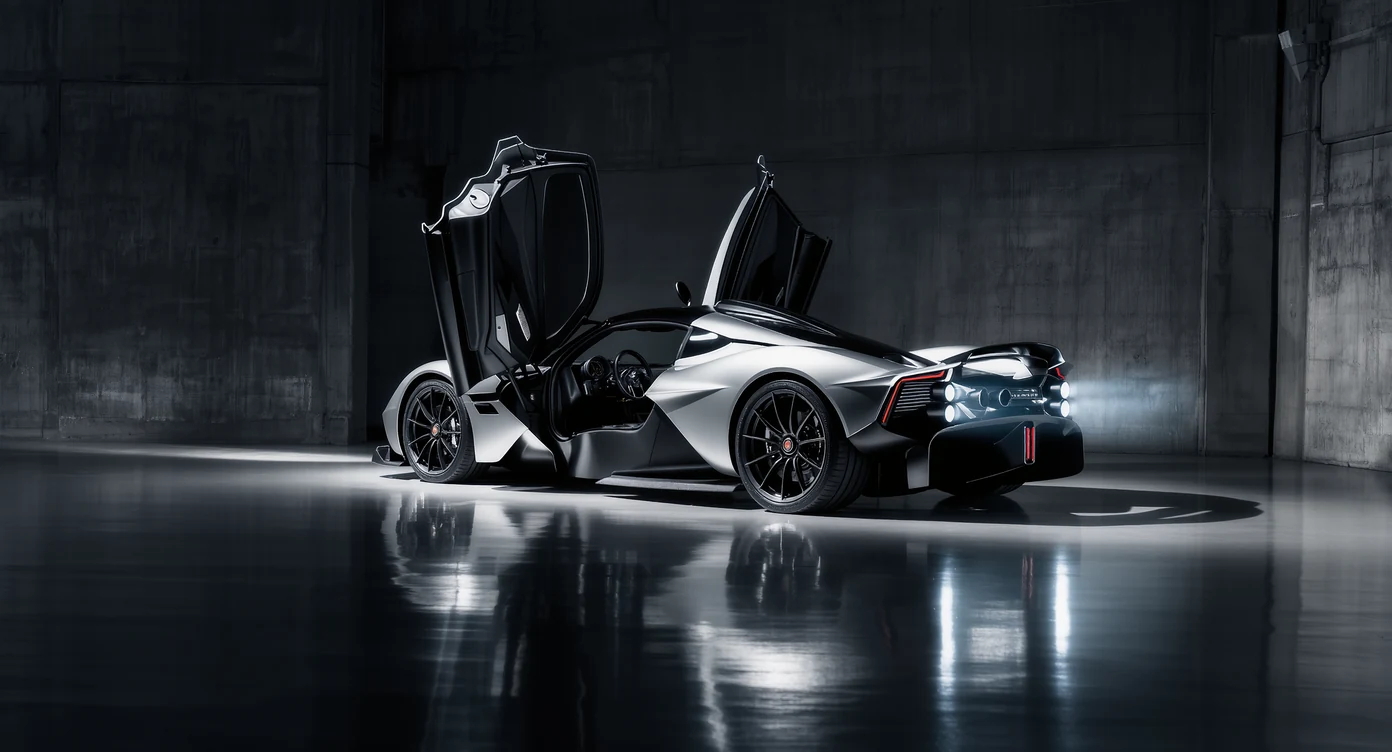
The Definitive Hypercar Buyer’s Guide: From Showroom to Garage
The Hypercar Phenomenon: More Than Just Speed What separates a hypercar from a supercar isn’t merely an extra 200 horsepower or a higher top spe…
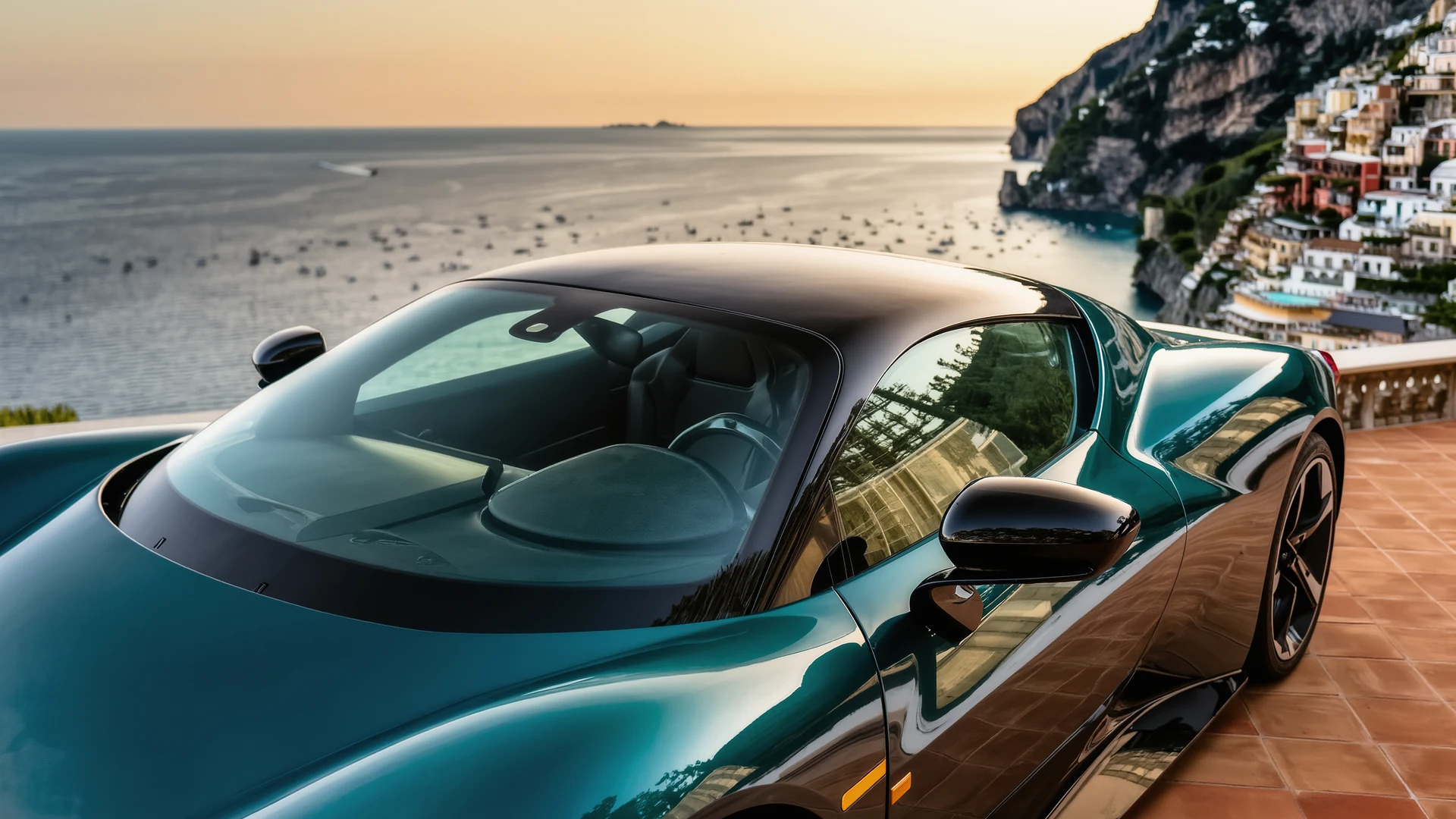
Ferrari Amalfi – A Masterpiece of Modern Grand Touring
Design and Aesthetics The Ferrari Amalfi embodies the essence of Italian elegance, blending timeless beauty with modern sophistication. Its sleek, scu…