Supercar Experiences & Driving Events: The Ultimate Guide
The ultimate guide to supercar experiences: best track days worldwide, rallies like Gumball 3000, factory tours, driving schools, rentals and insurance.…
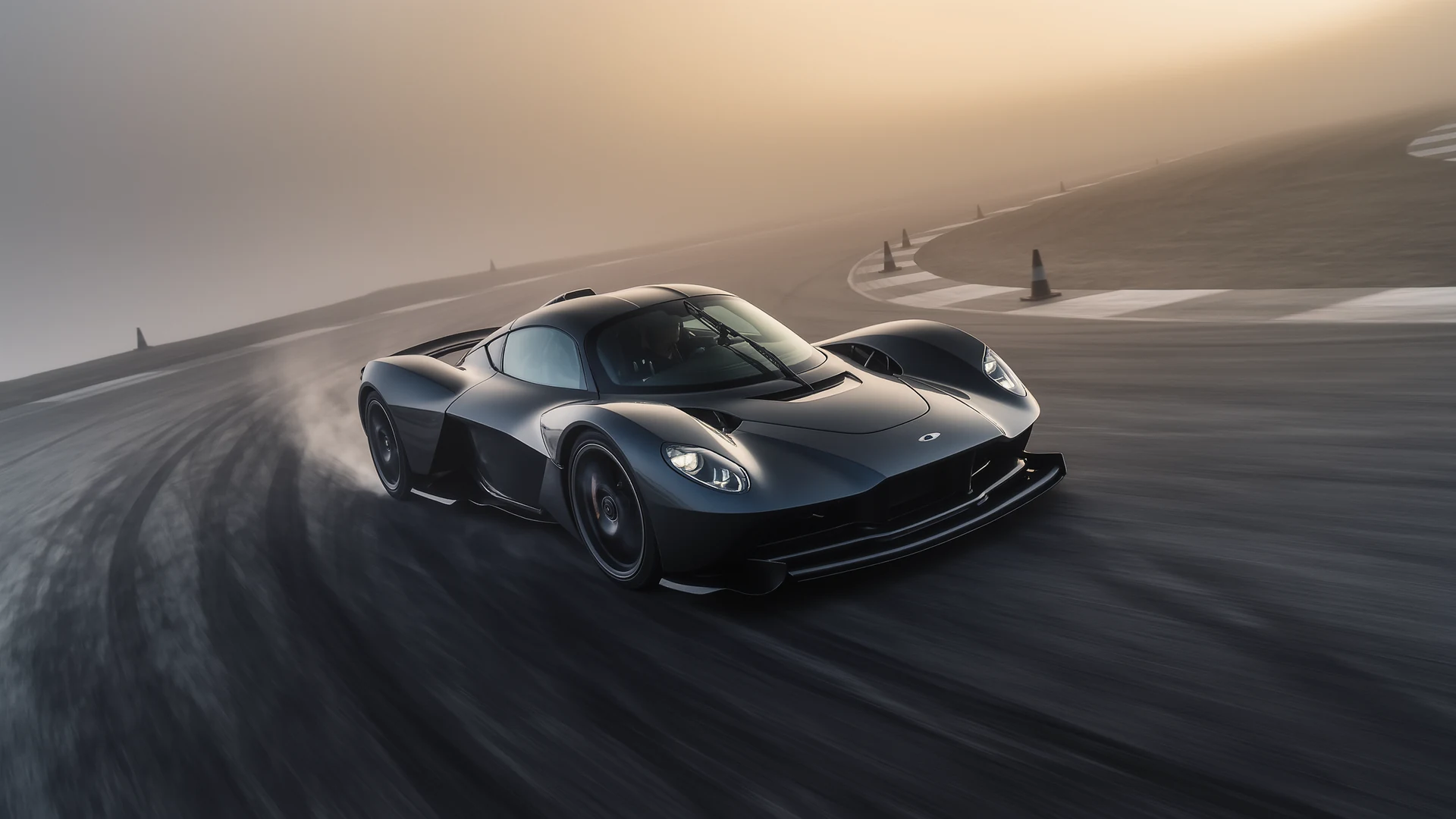
Supercar experiences span track days, multi-day rallies, factory tours, driving schools and rentals, from Las Vegas circuits and the Gumball 3000 to Maranello pilgrimages and the Nurburgring Nordschleife.
Key Takeaways
- Premier US track day operators include Dream Racing at Las Vegas Motor Speedway, Exotics Racing in Fontana with over 50 exotic cars, and the touring Xtreme Xperience with its three-lap format.
- Ascari Race Resort in Spain is the longest private track in the world at 5.4 kilometers with 26 corners designed by Formula One architect Klaas Zwart.
- The Gumball 3000, founded in 1999 by Maximillion Cooper, is a 3,000-mile transcontinental rally with five-figure entry fees and a grid of Bugattis, Koenigseggs and Paganis.
- Italy's Motor Valley clusters Ferrari in Maranello, Lamborghini in Sant'Agata Bolognese, Pagani in San Cesario sul Panaro and Maserati in Modena within short driving distance.
- Supercar rental rates range from $400-$800 per day for entry-level exotics to $2,500-$5,000+ per day for hypercars, with mileage typically capped at 100 miles per day.
- Street rental insurance almost never covers track use, and track day insurance from providers like Hagerty runs 0.5% to 1.5% of the car's insured value per event.
- The Nurburgring Nordschleife is a 20.8-kilometer circuit with 73 corners; Touristenfahrten laps cost EUR 30 on weekdays and EUR 35 on weekends in 2025.
🌐 Also available in: Español · Français
Best Track Days Worldwide
The allure of pushing a supercar to its limits in a safe, controlled environment draws thousands of enthusiasts to track days every year. Unlike public roads, these events let you explore the full performance envelope of machines engineered to exceed 200 mph, without speed limits, traffic, or the risk of losing your license. Whether you bring your own car or rent one trackside, the global track day scene has never been more accessible.
What Makes a Great Track Day
A truly memorable track day balances three elements: circuit quality, car selection, and instruction quality. The best circuits feature a mix of high-speed straights, technical corners, elevation changes, and generous runoff areas. Top-tier organizers provide professional-grade helmets, pre-session briefings, and in-car coaching from qualified instructors, not just a warm body in the passenger seat. Look for operators with a low student-to-instructor ratio (ideally 2:1 or better) and a structured progression from lead-follow laps to solo driving.
North America’s Premier Track Days
The United States boasts some of the finest track day programs on the planet. Dream Racing at Las Vegas Motor Speedway offers a fleet that includes the Ferrari 488 GTB, Lamborghini Huracán, Porsche 911 GT3 RS, and even the Aston Martin Vantage. Their 1.2-mile road course inside the oval delivers an intimate supercar experience with speeds exceeding 130 mph on the straight. In Southern California, Exotics Racing at the Auto Club Speedway in Fontana provides a 1.4-mile road course with 14 turns, and their fleet of over 50 exotic cars is one of the largest in the world.
On the East Coast, Xtreme Xperience takes a touring approach, bringing supercar fleets to legendary circuits across the country including Road Atlanta, Pittsburgh International Race Complex, and Palm Beach International Raceway. Their three-lap format lets you sample multiple cars in a single day. For serious enthusiasts, Hooked on Driving and Chin Track Days offer bring-your-own-car events at circuits like Watkins Glen, Laguna Seca, and Road America, places where supercar owners can truly stretch their legs.
European Track Day Excellence
Europe’s track day culture is deeply intertwined with its motorsport heritage. Racing Box in Italy runs events at Imola, Mugello, and Monza where you can drive Ferraris on the very asphalt where Enzo Ferrari’s legacy was forged. In Germany, RSR Nürburg provides everything from a single tourist lap to multi-day programs with professional drivers coaching you through the Green Hell’s 73 corners. Pistenclub organizes well-structured track days across German circuits, and BookaTrack in the UK runs professional events at Silverstone, Brands Hatch, and Donington Park with excellent instructor support.
Spain has emerged as a winter track day haven, with circuits like Circuit de Barcelona-Catalunya and Ascari Race Resort offering pristine asphalt and mild temperatures when the rest of Europe is under snow. The Ascari experience is particularly special, it’s the longest private track in the world at 5.4 kilometers, with 26 corners designed by Formula One circuit architect Klaas Zwart.
Middle East & Asia-Pacific Track Days
The Dubai Autodrome and Yas Marina Circuit in Abu Dhabi host world-class track days with fleets of the latest supercars in climate-controlled pit garages. In Japan, Fuji Speedway and Suzuka Circuit offer track days through local clubs, though language barriers can make booking challenging for foreigners. Australia’s Phillip Island Circuit and Mount Panorama at Bathurst deliver breathtaking coastal and mountain scenery alongside demanding layouts.
Supercar Rallies & Tours
Supercar rallies transform driving from a solo pursuit into a shared celebration. These multi-day events combine spectacular roads, luxury accommodations, gourmet dining, and the camaraderie of like-minded enthusiasts. Unlike track days, rallies emphasize the journey, sweeping through alpine passes, coastal highways, and vineyard-lined backroads in a convoy of the world’s most desirable automobiles.
The Gold Standard: Gumball 3000
No discussion of supercar rallies is complete without the Gumball 3000. Founded in 1999 by Maximillion Cooper, this 3,000-mile transcontinental rally has evolved into a cultural phenomenon blending cars, music, fashion, and celebrity. Each year’s route connects a different set of cities, past editions have traversed from Stockholm to Las Vegas and from Miami to Ibiza. Entry fees run well into five figures, and the grid typically includes Bugattis, Koenigseggs, Paganis, and one-off hypercars. The atmosphere is part motorsport, part music festival, and while Gumball isn’t a race, the spirit of grand touring is alive in every mile.
Curated Rally Experiences
For those seeking a more intimate experience, several elite organizers run smaller-scale rallies with an emphasis on driving quality. Modball Rally offers a European-focused alternative to Gumball at a more accessible price point. Elite Automotive Rally (formerly called the Supercar Club Rally) curates routes through the Scottish Highlands, the Swiss Alps, and the Italian Dolomites with groups capped at 30 cars. The Cannonball Run Europe spans seven countries in seven days, blending spirited driving with five-star hospitality.
In North America, The GoldRush Rally has become the continent’s premier event, attracting 100+ supercars for week-long journeys across stunning landscapes. Past routes have connected Los Angeles to Miami, Denver to Las Vegas, and Seattle to Monterey. The Bullrun, named after the classic film, follows a similar format with checkpoints and daily challenges that test both driving skill and navigation.
Bucket-List Driving Roads
Even outside organized events, certain roads are rites of passage for supercar owners. Tail of the Dragon (US 129) at the Tennessee, North Carolina border packs 318 curves into 11 miles with no intersecting roads or driveways. Stelvio Pass in Italy climbs to 2,757 meters through 48 hairpin turns. Top Gear famously called it the greatest driving road in the world. The Furka Pass in Switzerland, with its rhythmic sequence of switchbacks and the famous Belvédère Hotel curve, was immortalized in the James Bond film Goldfinger. Route Napoléon in France traces the Emperor’s 1815 journey from Golfe-Juan to Grenoble through dramatic alpine scenery. In California, Angeles Crest Highway and the Pacific Coast Highway through Big Sur deliver world-class driving within striking distance of Los Angeles.
Factory Experiences
Walking into the birthplace of automotive legends is a pilgrimage every enthusiast should make. Factory tours and museum visits connect you to the engineering heritage, craftsmanship, and passion that animate these extraordinary machines. Many manufacturers now offer immersive experiences that go far beyond the traditional showroom visit.
Maranello: The Ferrari Pilgrimage
The town of Maranello, Italy, is hallowed ground. The Ferrari Museum (Museo Ferrari) chronicles the marque’s racing and road car history with rotating exhibitions, championship-winning Formula One cars, and the Hall of Victories displaying every trophy the Scuderia has claimed. A short walk away, the factory gates reveal a glimpse of the production line, while the Fiorano test track, Enzo Ferrari’s private circuit, sits adjacent, still active with development drivers pushing prototypes to their limits. For those willing to invest, Ferrari’s Corso Pilota driving program teaches owners to extract maximum performance from their cars under factory instructor guidance. The nearby Museo Enzo Ferrari in Modena, housed in a striking modern structure wrapping around Enzo’s childhood home, covers the man himself and the broader Modenese automotive story.
Sant’Agata Bolognese: Lamborghini
Just 20 kilometers from Ferrari lies Lamborghini’s headquarters in Sant’Agata Bolognese. The MUDETEC Museum (Museo delle Tecnologie) traces the journey from Ferruccio Lamborghini’s tractors through the Miura, Countach, and Diablo to today’s Aventador and Huracán. The factory tour walks you through the carbon fiber facility, the leather workshop where artisans hand-stitch interiors, and the assembly line where V10 and V12 engines meet their chassis. The dramatic museum layout, with its angled display platforms and evocative lighting, is a destination in its own right.
Pagani, Maserati, and the Motor Valley
Emilia-Romagna is known as Motor Valley for good reason. Pagani Automobili in San Cesario sul Panaro offers one of the most exclusive factory tours in the automotive world, visits are by appointment only and limited to small groups, but the reward is witnessing Horacio Pagani’s art-meets-engineering philosophy in the carbon-titanium weave of a Huayra’s monocoque. Maserati’s Modena headquarters on Viale Ciro Menotti has been producing cars since 1939, and factory tours through the historic facility are now available. Within a 90-minute drive you can also visit Ducati (motorcycles), Dallara (race car chassis), and the Autodromo di Modena for track time.
Stuttgart: Porsche and Mercedes-Benz
Germany’s automotive heritage is on spectacular display in Stuttgart. The Porsche Museum, a dramatic white edifice designed by Delugan Meissl, features over 80 vehicles in rotating exhibitions that connect Porsche’s engineering innovations to its motorsport triumphs. The factory tour in Zuffenhausen shows the 911 and 718 production lines, and the new Porsche Experience Center includes a handling circuit, dynamics area, and even an off-road course for Cayenne. A short drive away, the Mercedes-Benz Museum in Untertürkheim presents 130 years of automotive history in a double-helix architectural masterpiece, from the Benz Patent-Motorwagen of 1886 to the AMG One hypercar.
Britain and Beyond
In the UK, McLaren Technology Centre in Woking is a spaceship-like facility designed by Norman Foster, with factory tours by arrangement. Morgan Motor Company in Malvern offers a refreshingly analog counterpoint, visitors can witness ash frames being hand-shaped using techniques largely unchanged since 1909. Aston Martin’s Gaydon headquarters, accessible via the British Motor Museum, reveals the craftsmanship behind each DB and Vantage. Across the channel, Bugatti’s Atelier in Molsheim, France, housed in the historic Château Saint-Jean, builds every Chiron by hand, and factory visits are among the most exclusive in the automotive world, typically arranged through Bugatti directly for owners and serious prospective clients.
For those traveling to Japan, Nissan’s Nismo Omori Factory in Yokohama, Mazda’s Hiroshima plant, and Toyota’s Kaikan Museum in Toyota City offer fascinating glimpses into Japanese automotive culture, while the Honda Collection Hall at Twin Ring Motegi is a must-see for motorsport enthusiasts.
Driving Schools
Raw horsepower means nothing without the skill to wield it. Professional driving schools transform enthusiastic amateurs into confident, competent pilots capable of extracting a supercar’s full potential while maintaining safety at the limit. The investment in proper instruction pays dividends every time you turn the key, and might one day save your car, or your life.
Factory-Backed Programs
The manufacturers themselves run the most prestigious schools. Porsche Experience Centers in Atlanta, Los Angeles, Shanghai, Le Mans, Hockenheim, and Silverstone offer half-day to multi-day programs. The curriculum progresses from car control fundamentals on low-friction surfaces to full lapping of purpose-built handling circuits. Porsche’s instructors are masters of the 911’s unique rear-engine dynamics, and the ice-driving programs in Finland are legendary. Ferrari Corso Pilota operates at Fiorano and select international circuits, teaching the brand’s specific driving philosophy, trail braking, mid-engine rotation, and the delicate art of managing a prancing horse at ten-tenths. Lamborghini Esperienza Accademia runs programs on ice, track, and off-road (for the Urus) at circuits and winter proving grounds worldwide.
AMG Driving Academy offers a ladder from basic performance driving to full race licensing on circuits including the Nürburgring and Circuit of the Americas. BMW M Driving School operates at the BMW Performance Center in Spartanburg, South Carolina, and at Thermal Club in California. McLaren Pure and Aston Martin On Ice round out the factory offerings with brand-specific curriculums emphasizing the mid-engine and front-engine-rear-drive dynamics respectively.
Independent Excellence
Several independent schools match or exceed factory programs. Skip Barber Racing School, a name synonymous with American motorsport education, runs programs at over 20 tracks nationwide. Their three-day Racing School is a time-tested gateway to SCCA and IMSA competition licensing. Allen Berg Racing Schools at WeatherTech Raceway Laguna Seca uses open-wheel formula cars to teach the purest principles of vehicle dynamics. DirtFish Rally School near Seattle teaches the art of controlling cars at and beyond the limit of adhesion, skills directly transferable to supercar driving on wet or unpredictable surfaces.
In the UK, CAT Driver Training at Millbrook Proving Ground uses the facility’s unique topography, including the high-speed bowl, mile straight, and alpine route, to teach road and track skills. Hilton & Moss offers performance driving courses at Goodwood Motor Circuit with classic and modern sports cars. For pure motorsport training, PalmerSport at Bedford Autodrome delivers a multi-discipline day driving Formula 3000 single-seaters, Porsche 911s, and rally cars.
Rental Guide
Owning a supercar isn’t the only path to driving one. The supercar rental market has matured dramatically over the past decade, with operators in virtually every major city offering everything from a three-hour joyride to a multi-day grand touring experience. Navigating this market requires understanding pricing, insurance, mileage policies, and how to identify reputable operators.
What to Expect to Pay
Rental rates vary dramatically by market, season, and model. Entry-level exotics, Porsche 911 Carrera, Maserati GranTurismo, base Chevrolet Corvette, typically range from $400 to $800 per day in major US markets. Mid-tier supercars, Audi R8, McLaren 570S, Lamborghini Huracán, Ferrari 488, command $1,000 to $2,500 per day. Range-topping hypercars, Lamborghini Aventador, Ferrari SF90, McLaren 720S, run $2,500 to $5,000+ per day with substantial security deposits.
Most rentals include a base mileage allowance, typically 100 miles per day, with overage charges of $2, $5 per mile. Read this clause carefully, a spirited 200-mile day in a Huracán at $3/mile overage adds $300 to your bill before you’ve factored in fuel, which at single-digit mpg is not trivial. Some premium operators offer unlimited-mileage packages for multi-day rentals, which can represent excellent value for road trips.
Seasonal pricing means expect to pay 30bis50% more in peak summer months (June, August) and during major events like Monterey Car Week, SEMA in Las Vegas, and the Miami Formula One Grand Prix. Booking 4bis6 weeks in advance secures better rates and wider car selection.
Vetting a Rental Operator
Not all rental companies are equal. Red flags include: pressure to sign liability waivers with unclear language, vehicles with visible wear beyond cosmetic, lack of roadside assistance coverage, and refusal to provide written confirmation of insurance coverage. Reputable operators will show you a clean, well-maintained fleet, provide clear contract terms, and carry commercial fleet insurance that names you as an additional insured. Look for companies with at least 100+ verified Google reviews averaging 4.5 stars or higher, membership in local tourism boards, and partnerships with recognized hotel concierge programs.
Top operators to consider: Gotham Dream Cars (New York, Miami, Los Angeles), one of the oldest and most established; Prestige Luxury Rentals (Miami, Fort Lauderdale); Rent-a-Vette (Las Vegas, Phoenix); Curve Rentals (London, UK); Royal Luxury (Dubai); and Luxury Car Rentals Monaco for the Côte d’Azur. In Europe, Sixt Luxury Cars and Hertz Dream Collection offer corporate-backed alternatives with standardized insurance and terms.
Track Rental vs. Street Rental
An important distinction: street rental insurance almost never covers track use. If you want to push a rented supercar on a circuit, book through a track day operator that owns and insures its own fleet, examples include Dream Racing (Las Vegas), Exotics Racing (Los Angeles), and Puresport (Silverstone). These companies carry motorsport-specific insurance, their cars are track-prepped (race seats, harnesses, fire suppression, roll protection), and instructors accompany every session. The per-lap or per-session pricing model is fundamentally different from daily street rental.
Insurance & Safety
Supercar experiences, whether on road or track, carry risk profiles that standard automotive policies are not designed to cover. Understanding the insurance landscape before you drive can mean the difference between a minor inconvenience and a financially catastrophic event. The golden rule: never assume you’re covered, always verify in writing.
For Your Own Supercar
Standard auto policies often fall short for supercars. Many mainstream insurers cap agreed-value coverage at levels below a supercar’s market value, leaving owners dangerously underinsured. Specialized insurers like Hagerty, Grundy, Chubb, AIG Private Client Group, and Berkshire Hathaway Guard offer agreed-value policies that guarantee a predetermined payout in the event of a total loss, essential when cars appreciate or hold value as collector assets.
Key policy features to demand: agreed-value coverage, OEM parts requirement (ensuring repairs use factory components, not aftermarket equivalents), track day coverage (often available as a rider at ~$500, $1,500 per event), and transport coverage for enclosed shipping to events. Expect annual premiums of $3,000 to $15,000+ depending on the car, your driving record, and storage arrangements.
For Rented Supercars
Rental operators typically offer a collision damage waiver (CDW) with a deductible of $5,000 to $25,000. This is not insurance, it’s a contractual waiver that limits your liability to the deductible amount. Read the CDW terms meticulously. Many exclude: damage from hitting curbs (common on low-profile tires), undercarriage damage, tire and wheel damage, and any incident that occurs above a certain speed threshold or while traction/stability control is disabled. Some operators offer a “zero deductible” or “premium protection” package at an additional $100, $300 per day, often worth the peace of mind.
Your personal auto insurance typically will not extend to a rented supercar due to vehicle value exclusions. Premium credit cards (Amex Platinum, Chase Sapphire Reserve) may provide secondary rental coverage, but their vehicle value caps, usually $50,000, $75,000 MSRP, render them useless for supercars. Check the fine print before relying on credit card coverage.
Track Day Insurance
On track, your personal auto policy almost certainly provides zero coverage. Track day insurance is a specialized product sold per-event by providers like Hagerty Track Day, OpenTrack, OnTrack Insurance, and Lockton Motorsports. Coverage is typically priced at 0.5% to 1.5% of the car’s insured value per event, so insuring a $300,000 Ferrari for a weekend at COTA might cost $1,500, $4,500, with deductibles of 5bis10% of insured value. This is not cheap, but neither is writing off a supercar. Coverage generally excludes timed competition, racing, and sometimes even lead-follow sessions, verify the specific event format with your provider.
Safety Essentials
Beyond insurance, physical safety demands preparation. For track driving: a Snell SA2020 or later-rated helmet (not motorcycle helmets, which are designed for different impact profiles), fire-resistant driving suit (SFI 3.2A/5 or FIA 8856-2018), driving gloves, and closed-toe leather shoes with thin soles for pedal feel. If you’re driving your own car, ensure a pre-event tech inspection covers brake fluid flush (within 6 months), brake pad and rotor thickness, tire tread depth and date codes (tires older than 4 years risk catastrophic failure under track loads), suspension component integrity, and fluid leak checks.
For road rallies and tours: carry a fully charged phone with offline maps downloaded, a portable tire inflator, emergency warning triangle, high-visibility vest (mandatory in many European countries), and basic first aid kit. In remote areas, Scottish Highlands, Dolomites, Pyrenees, satellite communication devices like a Garmin inReach provide peace of mind when cellular coverage disappears.
Top Circuits (Nürburgring, Monaco, Silverstone)
Certain circuits transcend motorsport: they are cathedrals of speed, places where automotive history is written in rubber and asphalt. Driving them, even at tourist pace, connects you to every great driver who turned a wheel there before you. Three stand above all others.
Nürburgring Nordschleife: The Green Hell
The Nürburgring Nordschleife in Germany’s Eifel mountains is not merely a circuit, it is a 20.8-kilometer proving ground that Jackie Stewart christened “The Green Hell.” With 73 officially counted corners (some count as many as 170), 300 meters of elevation change, and microclimates that can mean sunshine at one end and thick fog at the other, it is the most demanding and rewarding piece of road on Earth. Every major manufacturer tests here, and production car lap records carry marketing value measured in millions.
During Touristenfahrten (tourist drives) sessions, the Nordschleife operates as a one-way toll road, anyone in a road-legal car can enter. The cost is €30 per lap on weekdays and €35 on weekends (2025 pricing). This is not a track day: the regular German road traffic laws apply (no racing, pass on the left only, indicate), but speed limits do not. Tourist sessions share the track with motorcycles, buses, and even delivery vans, and the mix of vehicles with vastly different speeds creates significant danger.
For a first visit, strongly consider hiring a professional instructor through RSR Nürburg, Nürburgring Driving Academy, or Apex Nürburg. They’ll provide a pre-lap briefing, in-car coaching, and often supply the car. The “Ring taxi” experience in a BMW M5 CS or Porsche 911 GT3 RS with a pro driver is a sobering introduction to just how fast the circuit can be driven. Key survival advice: check nuerburgring.de for opening times (sessions are weather-dependent and can close with no notice), fit proper brake pads (the Nordschleife is murder on brakes), and never, ever time your laps, the moment you chase a number, you’re no longer driving within your limits.
Monaco: The Crown Jewel
Unlike the Nürburgring, you cannot simply show up and drive the Circuit de Monaco. The principality’s streets are public roads for 51 weeks of the year, and the circuit only closes for the Grand Prix weekend in late May and the Historic Grand Prix (biennial, even-numbered years). However, driving the circuit route outside of race periods, following the same roads through Sainte Dévote, up Beau Rivage, through Massenet and Casino Square, down through Mirabeau, the Grand Hotel hairpin, Portier, and through the tunnel to the harborfront, is one of motoring’s great pleasures.
The circuit is open to traffic year-round in its counter-clockwise, single-lap configuration. Drive it early on a Sunday morning for minimal traffic. The iconic spots: the climb from Sainte Dévote to Casino Square with its sweeping left-right on worn cobblestone-like pavement; the impossibly tight Grand Hotel Hairpin (formerly Loews/Fairmont), the slowest corner in Formula One, navigated at walking pace; and the blast through the tunnel, emerging into dazzling sunlight at the harborfront chicane. Park at the Chemin des Pêcheurs or Parking des Pecheurs and walk the circuit on foot too, the elevation changes are far more dramatic when experienced at walking speed.
For the ultimate Monaco experience, visit during the Monaco Grand Prix Historique weekend when classic Formula One and sports cars race the full closed circuit in anger, or book a stay at the Hôtel de Paris Monte-Carlo with a terrace overlooking the start-finish straight. The Top Marques Monaco supercar show each April fills the Grimaldi Forum with the latest hypercars and provides a supercar-centric reason to visit.
Silverstone: The Home of British Motor Racing
Silverstone Circuit in Northamptonshire is built on a former WWII bomber airfield, and its flat, fast, sweeping character reflects those origins. The current Grand Prix layout, 5.891 kilometers of high-speed corners linked by long straights, rewards commitment and aerodynamic grip. Copse, Maggots-Becketts-Chapel (arguably the greatest sequence of corners in modern Formula One), Stowe, and Club define the challenge. The circuit’s exposure means crosswinds can unsettle cars through the high-speed direction changes of Maggots and Becketts.
Silverstone offers extensive public driving experiences through the Silverstone Driving Centre, including the “Ultimate Supercar Experience” with access to a fleet including the Ferrari 458 Italia, Aston Martin Vantage, and Ariel Atom. The Porsche Experience Centre Silverstone, a standalone facility adjacent to the main circuit, features a handling circuit, kick plate, ice hill, and off-road course, making it one of the most comprehensive manufacturer driving centers in the world. PalmerSport at Bedford Autodrome (about 45 minutes away) complements Silverstone with its multi-discipline format.
Between these three, a supercar enthusiast can complete the ultimate trifecta: the technical brutality of the Nordschleife, the glamour and history of Monaco, and the sweeping speed of Silverstone. Each teaches a different dimension of driving; together, they represent the Mount Everest, K2, and Kangchenjunga of the automotive world.
Supercar Clubs & Memberships
Owning a supercar can be isolating without the right community. Clubs and memberships bridge this gap, offering everything from casual social gatherings to structured track programs, technical seminars, and exclusive access events. The right club transforms your relationship with your car from ownership into lifestyle.
Marque-Specific Clubs
Every major manufacturer supports an official or enthusiast-run club. The Ferrari Owners’ Club (FOC), founded in 1967 and recognized by Ferrari SpA, is among the most prestigious, with national chapters worldwide. Membership brings access to factory visits, the annual Ferrari Challenge racing series hospitality, concours d’élégance invitations, and the club’s own track day calendar. Porsche Club of America (PCA) is the largest single-marque car club in the world with over 150,000 members across 147 regions, running one of the most comprehensive track day programs (Porsche Club Racing and Driver’s Education) alongside social events, rallies, and technical sessions. The Lamborghini Club, Aston Martin Owners Club (founded 1935), McLaren Owners Group, and Bugatti Owners’ Club each offer varying degrees of official manufacturer support and event programming.
Multi-Marque Supercar Clubs
For those whose automotive interests span multiple brands, several excellent multi-marque clubs exist. The Supercar Club (UK) and Supercar Driver organize track days, road tours, and the annual “Secret Meet”, an invitation-only gathering of hypercars whose location is revealed only days beforehand. VMax in the UK runs high-speed standing-mile and top-speed runway events at airfields like Bruntingthorpe, where members can legally explore their cars’ maximum velocity in a controlled environment.
Fractional Ownership & Car Sharing Clubs
A newer model gaining traction is fractional supercar ownership. Classic Car Club in Manhattan and London pioneered the model, members pay an initiation fee and annual dues for access to a rotating fleet of 15bis30 cars allocated by a points system. Écurie25 (UK and Europe), The Auto Club (Miami, Los Angeles), and Rush Club (various US cities) offer similar arrangements. These clubs make sense financially if you want access to multiple supercars through the year but don’t want to bear the depreciation, maintenance, and storage costs of outright ownership on several vehicles. Typical membership fees range from $5,000 to $25,000 initiation plus $3,000 to $15,000 annually, with driving days allocated on a tiered basis.
Private Track Clubs
At the apex of automotive clubdom sit the private track clubs: country clubs built around race circuits. Thermal Club in the California desert near Palm Springs is the most famous, with a membership roll that reads like a Forbes list. The facility features a 5-mile track designed by Alan Wilson, a skid pad, autocross area, and luxurious clubhouse. Membership (reportedly $85,000+ initiation plus $10,000+ annually) includes unlimited track access. Similar concepts include Monticello Motor Club (New York), Concours Club (Miami), and Drive Florida at Vero Beach. In Europe, Ascari Race Resort in Spain pioneered the model, while Bilster Berg in Germany offers a more accessible private track experience focused purely on driving.
Seasonal Event Calendar
Planning a supercar year requires knowing when and where the major gatherings occur. The global automotive calendar runs year-round, with different seasons favoring different regions and event types. Here is a quarter-by-quarter guide to building your supercar itinerary.
Q1: January. March (Winter Season)
Winter pushes the action south and indoors. January opens with the Dakar Rally in Saudi Arabia, not a supercar event, but the ultimate test of vehicular endurance that inspires automotive engineering. The Cavallino Classic in Palm Beach, Florida (late January) is the premier North American Ferrari concours, attracting rare examples from around the world. Arizona Auction Week in Scottsdale (late January) with Barrett-Jackson, RM Sotheby’s, Bonhams, and Gooding & Company transforms the Phoenix area into a collector car marketplace where supercars and hypercars trade hands at hammer prices exceeding $10 million.
February brings Rétromobile in Paris, the preeminent European collector car show and auction, and the Canadian International AutoShow in Toronto. March is headlined by the Amelia Island Concours d’Élégance (Florida) and the Geneva International Motor Show, though the latter’s future is uncertain after recent cancellations. The Sebring 12 Hours in Florida kicks off the American endurance racing season, attending the race weekend often includes access to manufacturer hospitality and supercar corrals.
Q2: April. June (Spring Launch Season)
Spring is when the automotive world awakens. April features Top Marques Monaco at the Grimaldi Forum, a boutique supercar show where manufacturers unveil hypercars to an audience of ultra-high-net-worth buyers. Formula One’s European season typically begins, and driving tours through the Alps become viable as snow clears from passes. May is dominated by the Monaco Grand Prix (late May), the entire principality transforms into a week-long automotive celebration. Mille Miglia in Italy retraces the historic 1,000-mile Brescia-Rome-Brescia route with a field of pre-1957 classics, and even if you’re not driving, spectating along the route is an experience that connects you to motorsport’s golden age. The Concorso d’Eleganza Villa d’Este on Lake Como in Italy is perhaps the most beautiful concours setting on Earth.
June opens with the 24 Hours of Le Mans, the world’s greatest endurance race, where supercar manufacturers from Ferrari to Porsche to Cadillac battle for overall victory. The Goodwood Festival of Speed (late June/early July) in West Sussex, UK, is non-negotiable: the Duke of Richmond’s hill climb assembles the most diverse collection of significant cars anywhere, from Victorian steam carriages to the latest Formula One machinery and hypercars, all driven in anger up the 1.16-mile driveway.
Q3: July. September (Peak Season)
Summer is the richest period for automotive events. July features the Goodwood Festival of Speed if it falls in this month, plus Supercar Sunday events across the US and UK. August is anchored by Monterey Car Week on California’s Monterey Peninsula, arguably the single greatest week in the automotive calendar. The week’s crescendo is the Pebble Beach Concours d’Élégance on the third Sunday, but the entire week overflows with events: The Quail (a motorsports garden party), the Rolex Monterey Motorsports Reunion at WeatherTech Raceway Laguna Seca (historic racing), and multiple auctions (RM Sotheby’s, Gooding & Company, Bonhams, Mecum) where eight-figure supercar and hypercar sales are routine. The Exotics on Broadway (Cannery Row) and Concorso Italiano celebrate Italian marques specifically.
September brings Salon Privé at Blenheim Palace (UK), a concours and supercar garden party, and the IAA Mobility in Munich (alternating years), one of Europe’s major motor shows. The Italian Grand Prix at Monza, with the tifosi’s passionate support for Ferrari, is a bucket-list motorsport experience even for non-F1 fans.
Q4: October. December (Wrap Season)
Autumn offers excellent driving conditions in many regions, with cooler temperatures favorable for turbocharged cars and fewer tourists on mountain roads. October features the Paris Motor Show (biennial) and the Petit Le Mans endurance race at Road Atlanta, a fan-friendly event with open paddock access. November brings the SEMA Show in Las Vegas, while focused on the aftermarket, the surrounding streets fill with extraordinary supercar builds. The Formula One season finale in Abu Dhabi at Yas Marina Circuit offers a glamorous, warm-weather finale. December is quieter, but the Bologna Motor Show in Italy often features significant reveals from the Motor Valley manufacturers. It’s also the ideal time to plan and book the following year’s driving tours and track day packages, securing early-bird discounts and preferred dates.
Insider Tips
After thousands of collective laps, miles, and events, certain lessons emerge that no brochure will tell you. These insider insights, gathered from professional instructors, event organizers, and veteran enthusiasts, will elevate your supercar experience from good to unforgettable.
Maximizing Your Track Day
- Book the earliest session of the day. Track temperatures are cooler, other drivers haven’t yet laid down rubber marbles off the racing line, and you’ll be fresh. Afternoon sessions bring higher ambient and track temperatures that reduce engine power and increase tire degradation.
- Rent the slowest car first. At multi-car track experiences, starting in a Porsche Cayman or similar before stepping up to a Ferrari 488 or Lamborghini Huracán builds skill progressively. Jumping straight into a 700-hp supercar without understanding the circuit’s braking zones and turn-in points is a recipe for frustration, you’ll be managing the car rather than driving it.
- Invest in the video package. Most track operators offer an in-car video with data overlay for $50, $100. It’s the best money you’ll spend. Reviewing your laps afterward with throttle, brake, and steering traces reveals exactly where you left time on the table, and you’ll have a souvenir worthy of sharing.
- Hydrate the day before. Track driving is physically demanding. G-forces through corners, the mental concentration of managing speed and traffic, and often a hot helmet environment combine to dehydrate rapidly. Start hydrating 24 hours before, not the morning of.
- Learn the flags before you arrive. Every track day uses the same flag system, yellow (caution, no passing), red (session stopped, return to pits), blue (faster car behind, let them pass), checkered (session ending). Knowing them instinctively prevents dangerous situations. Your instructor will brief you regardless, but prior knowledge earns their trust faster.
Rally & Tour Wisdom
- Pack light but smart. Supercars have notoriously limited luggage space. A Ferrari 296 GTB’s front trunk holds 198 liters, less than a carry-on suitcase. Soft bags are essential; rigid luggage may not fit. Pack layers rather than bulky items, mountain passes can swing 20°C between base and summit.
- Download offline maps. Alpine passes, Scottish glens, and rural Italian roads have spotty cellular coverage. Offline Google Maps or a dedicated sat-nav unit with European mapping prevents navigation failures at critical junctions.
- Carry emergency snacks and water. A breakdown in a remote area, or simply a traffic delay on a mountain pass, can leave you stationary for hours. High-energy snacks and a liter of water per person are non-negotiable.
- Know the local driving laws. Speeding penalties in Switzerland are income-based and can reach six figures. France requires carrying a breathalyzer (though the fine for non-compliance was effectively abolished). Italy has ZTL (Zona a Traffico Limitato) zones in virtually every historic city center, entering one without a permit generates automated fines that arrive months later. Austria and Switzerland require vignettes (motorway toll stickers) displayed on your windshield; driving without one results in on-the-spot fines.
- Bring a proper camera, not just your phone. A compact mirrorless camera or DSLR with a polarizing filter captures the cars, scenery, and moments in quality that phone sensors cannot match. The polarizer is essential for cutting through windshield reflections and saturating skies.
Factory Visit Strategies
- Book factory tours 3bis6 months in advance. Ferrari, Pagani, and Bugatti factory visits have long waiting lists. Plan ahead, especially if your travel dates are fixed. Some tours are reserved for owners; others accept enthusiasts who arrange through authorized channels.
- Visit the Motor Valley in Italy during the week. Many museums and factories close or reduce hours on weekends. Monday, Thursday visits maximize access. The entire region, Maranello, Modena, Sant’Agata Bolognese, is navigable by high-speed train from Milan or Bologna, and rental cars are readily available at Bologna Guglielmo Marconi Airport.
- Combine factory visits with track time. The Autodromo di Modena is central to all the Motor Valley factories. Book a track day or driving experience there to immediately apply the inspiration you absorbed from the museums. Porsche Experience Center Stuttgart sits adjacent to the museum, similarly, the Stuttgart museum and track experience pair perfectly in a single day.
- Don’t skip the gift shop. Factory museum gift shops often stock items unavailable anywhere else, scale models in museum-exclusive liveries, vintage posters, and technical books. The Ferrari Store at Maranello is a destination in its own right.
Money-Saving Secrets
- Book track days on weekdays. Weekend sessions command a 20bis40% premium at most venues. A Tuesday or Wednesday booking at the same circuit with the same car often costs significantly less.
- Buy multi-lap packages. The per-lap cost drops substantially when you commit to 5, 10, or 20 laps rather than a minimum 2bis3 lap sampler. For example, a three-lap introduction in a Huracán might cost $399 ($133/lap), while a ten-lap package could be $799 ($80/lap).
- Travel in the shoulder season. The Alps in late September offer the same roads, still-open passes, and dramatically lower hotel rates compared to July-August. The South of France in May or October delivers Mediterranean driving without summer traffic or peak pricing.
- Join marque clubs before you buy. PCA and Ferrari Club memberships often include partner discounts with insurance providers, track day organizers, and parts suppliers that can offset the membership fee multiple times over. The classified sections of club magazines are also excellent places to find well-maintained cars from known owners.
- Consider off-season rentals. Miami in August or the French Riviera in November sees supercar rental rates drop 30bis50% compared to peak season. The weather may not be postcard-perfect, but you’ll spend far less for the same cars on the same roads.
Building Your Network
- Instagram is the modern supercar Rolodex. Follow professional driving instructors, event organizers, and automotive photographers. Many announce last-minute track day availability, group drives, and event tickets through Instagram Stories before any other channel.
- Attend Cars & Coffee events religiously. These informal weekend morning gatherings, now held in virtually every major city worldwide, are the grassroots of supercar culture. Regular attendance builds relationships that lead to private track day invitations, group drive participation, and buying/selling opportunities before cars hit the open market.
- Volunteer as a corner marshal at club races. PCA, Ferrari Challenge, and SCCA events always need volunteers. The training is provided, you’ll be trackside for incredible racing, and you’ll build relationships with drivers, crew chiefs, and organizers that open doors throughout the community.
- Be humble. The supercar world is small, and reputations travel fast. The person parking next to you in a Miata at a track day might own a collection of vintage Ferraris and simply enjoys driving all types of cars. Treating everyone with respect, regardless of what they’re driving, is both the right thing to do and strategically wise in a community where relationships unlock the best experiences.
Frequently Asked Questions (FAQ)
What makes a great supercar track day?
A great track day balances three elements: circuit quality, car selection and instruction quality. The best circuits mix high-speed straights, technical corners and elevation changes. Top organizers provide professional helmets, pre-session briefings and in-car coaching, with a low student-to-instructor ratio of 2:1 or better and structured progression from lead-follow laps to solo driving.
Where are the best supercar track days in the United States?
Dream Racing runs at Las Vegas Motor Speedway with Ferraris, Lamborghinis and Porsches on a 1.2-mile course. Exotics Racing in Fontana offers a 1.4-mile course with 14 turns and over 50 exotics. Xtreme Xperience tours circuits like Road Atlanta, while Hooked on Driving and Chin Track Days host bring-your-own-car events at Watkins Glen and Laguna Seca.
What is the Gumball 3000 rally?
The Gumball 3000 is a 3,000-mile transcontinental supercar rally founded in 1999 by Maximillion Cooper. It has grown into a cultural phenomenon blending cars, music, fashion and celebrity. Each year connects different cities, past routes ran Stockholm to Las Vegas and Miami to Ibiza. Entry fees reach five figures, and the grid includes Bugattis, Koenigseggs, Paganis and one-off hypercars.
How much does it cost to rent a supercar?
Entry-level exotics like the Porsche 911 Carrera typically cost $400 to $800 per day in major US markets. Mid-tier supercars such as the Lamborghini Huracan and Ferrari 488 command $1,000 to $2,500 per day. Range-topping hypercars like the Lamborghini Aventador and McLaren 720S run $2,500 to $5,000 or more per day with substantial security deposits.
Does street rental insurance cover driving a supercar on a track?
No, street rental insurance almost never covers track use. To drive a rented supercar on a circuit, book through a track day operator that owns and insures its own fleet, such as Dream Racing in Las Vegas, Exotics Racing in Los Angeles, or Puresport at Silverstone. These companies carry motorsport-specific insurance, their cars are track-prepped, and instructors accompany every session.
Can you drive the Nurburgring Nordschleife as a tourist?
Yes, during Touristenfahrten sessions the 20.8-kilometer Nordschleife operates as a one-way toll road open to anyone in a road-legal car. The 2025 cost is EUR 30 per lap on weekdays and EUR 35 on weekends. This is not a track day, German road traffic laws apply but speed limits do not, and the track is shared with motorcycles, buses and delivery vans.
Which factory tours should supercar enthusiasts visit in Italy?
In Maranello you can visit the Ferrari Museum, the factory gates and the Fiorano test track. Twenty kilometers away in Sant'Agata Bolognese is Lamborghini's MUDETEC Museum and factory tour. The Emilia-Romagna Motor Valley also includes Pagani in San Cesario sul Panaro, by appointment only, and Maserati's historic Modena headquarters, producing cars since 1939.
What insurance do you need for a track day in your own supercar?
Your personal auto policy almost certainly provides zero coverage on track. Track day insurance is sold per event by providers like Hagerty Track Day, OpenTrack, OnTrack Insurance and Lockton Motorsports. It is typically priced at 0.5% to 1.5% of the car's insured value per event, with deductibles of 5 to 10 percent. Coverage generally excludes timed competition and racing.
More from Supercars
Classic Car Collecting: The Art of Investing in Automotive History
Why Classic Cars Have Outperformed Traditional Assets Over the past two decades, classic cars have delivered annualised returns that rival or exceed s…
The Definitive Hypercar Buyer’s Guide: From Showroom to Garage
The Hypercar Phenomenon: More Than Just Speed What separates a hypercar from a supercar isn’t merely an extra 200 horsepower or a higher top spe…
Ferrari Amalfi – A Masterpiece of Modern Grand Touring
Design and Aesthetics The Ferrari Amalfi embodies the essence of Italian elegance, blending timeless beauty with modern sophistication. Its sleek, scu…