The Definitive Hypercar Buyer’s Guide: From Showroom to Garage
The Hypercar Phenomenon: More Than Just Speed What separates a hypercar from a supercar isn’t merely an extra 200 horsepower or a higher top speed. It’s the singularity…
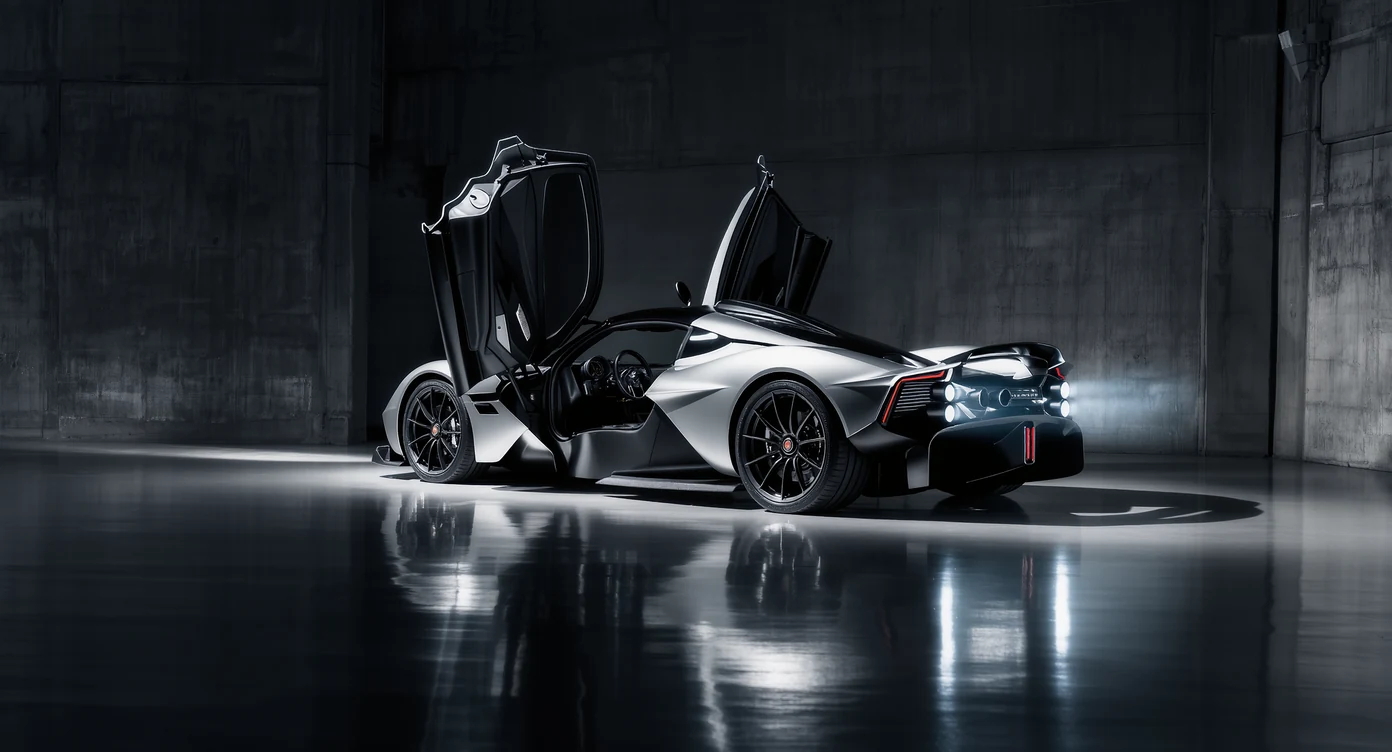
The Hypercar Phenomenon: More Than Just Speed
What separates a hypercar from a supercar isn’t merely an extra 200 horsepower or a higher top speed. It’s the singularity of purpose: hypercars are rolling manifestos, each one a statement about what happens when a manufacturer removes every constraint, financial, regulatory, or practical, and asks, “What can we actually build?” A McLaren 720S is a supercar; a McLaren Speedtail is a hypercar. The difference isn’t just price or performance. It’s philosophy.
The term “hypercar” entered the automotive lexicon in the early 2000s, but the concept crystallized with the arrival of the Bugatti Veyron in 2005. Here was a car with 1,001 horsepower, a top speed north of 400 km/h, and a price tag exceeding €1 million, numbers that seemed absurd at the time. Today, those figures are almost quaint. The current generation of hypercars routinely exceeds 1,500 horsepower, pushes toward 500 km/h, and commands prices that start where the Veyron left off.
Yet the hypercar market in 2026 is about far more than numbers on a spec sheet. Electrification has fundamentally reshaped the landscape. The Rimac Nevera delivers 1,914 horsepower from four electric motors and reaches 100 km/h in 1.82 seconds, acceleration that redefines what the human body can tolerate. The Lotus Evija, the Pininfarina Battista, and the Aspark Owl have all proven that electric hypercars aren’t just viable; they’re redefining the performance envelope. Meanwhile, hybrid systems like those in the Ferrari SF90 XX Stradale, the Lamborghini Revuelto, and the McLaren Artura demonstrate that combustion isn’t dead, it’s evolving.
What makes 2026 particularly fascinating is the convergence of technologies. Active aerodynamics borrowed from Formula 1, torque vectoring that would have been science fiction a decade ago, and chassis control systems that process thousands of data points per second, all of this is now standard fare at the hypercar level. You’re not just buying a fast car. You’re buying a rolling laboratory, a machine that distills motorsport engineering into something you can register for the road.
Understanding the Hypercar Market in 2026
The hypercar market has transformed dramatically over the past five years. What was once a niche dominated by a handful of European manufacturers now includes players from Croatia, Japan, Sweden, and the United States. Understanding the dynamics of this market is essential before you write your first cheque.
New vs. Pre-Owned: The Real Numbers
Let’s talk money. A new hypercar in 2026 typically starts between €1.5 million and €3.5 million before options. Add personalization through a manufacturer’s bespoke program, carbon fibre weave patterns, custom paint matched to your favourite watch dial, interior leather sourced from a specific Alpine herd, and you can easily add another €500,000 to €1 million. The Koenigsegg Jesko Absolut, Bugatti Tourbillon, and Gordon Murray T.50 all sit at the upper end of this spectrum, while “entry-level” hypercars like the McLaren 750S or Ferrari 296 GTB start closer to €350,000.
The pre-owned market tells a different story. Some hypercars depreciate like any other car, the McLaren Senna, for instance, dropped significantly from its original list price of €900,000 before rebounding. Others, like the Ferrari LaFerrari, have more than doubled in value. A well-maintained Porsche 918 Spyder, which originally sold for €781,000, now trades hands at €1.5 million or more. The lesson: buying new isn’t always the smartest financial move, but buying the right new car can be extraordinarily lucrative.
Pre-owned hypercars typically come with between 2,000 and 15,000 kilometres on the odometer. At this mileage, the first major service is usually complete, any teething issues have been addressed, and you avoid the initial depreciation hit, assuming the car isn’t a limited-run model that’s already appreciating. The trade-off is that you don’t get the full bespoke specification experience, and you’re buying someone else’s taste in leather colours.
Limited Editions and Allocation Strategies
Manufacturers have perfected the art of artificial scarcity. Ferrari is the undisputed master: to buy a new limited-edition Ferrari, you typically need to have purchased at least five to seven new Ferraris from the same dealer. This isn’t a written rule, it’s an unwritten one, which makes it even more rigid. Lamborghini employs a similar strategy, though somewhat less stringently. McLaren, for all its engineering brilliance, hasn’t cultivated the same collector hierarchy, which means their limited editions are often more accessible to first-time buyers.
Porsche takes a different approach with its special models. For the 911 GT3 RS and similar cars, dealers prioritize loyal customers but also reserve allocations for new buyers who demonstrate genuine enthusiasm. Bugatti and Koenigsegg operate on an entirely different plane: their production runs are often sold out before the car is publicly announced. If you want a new Bugatti, you need to be on their radar years in advance.
The allocation game has spawned an entire secondary market. Brokers who specialize in hypercar allocations can secure build slots for a premium, typically €50,000 to €250,000 above MSRP, depending on the model and the demand. This isn’t illegal, but it’s frowned upon by manufacturers, and some have started including anti-flipping clauses in their purchase agreements. Ferrari, for example, reserves the right to refuse future sales to customers who resell their cars within the first 18 months.
The Manufacturers: Who’s Who in the Hypercar World
The hypercar landscape in 2026 is richer and more diverse than at any point in automotive history. Understanding the players, both the institutions and the insurgents, is essential for any serious buyer.
Established Players
Ferrari remains the gravitational centre of the hypercar universe. The LaFerrari successor, the F80, represents the pinnacle of Maranello’s road car technology. Ferrari’s strength lies not just in its engineering but in its unmatched brand equity. A Ferrari hypercar isn’t just a car; it’s an entry ticket to the most exclusive club in the automotive world, complete with factory events, track days at Fiorano, and access to future limited editions.
Porsche occupies a unique position. The 918 Spyder proved that Stuttgart could build a seven-figure hypercar that was also genuinely usable every day. The current range-topping models, the 911 GT2 RS and the all-electric Mission X concept turned production car, demonstrate Porsche’s commitment to building hypercars that don’t sacrifice usability for performance.
Lamborghini continues to push the boundaries of what’s visually and acoustically dramatic. The Revuelto, with its naturally aspirated V12 paired with three electric motors, proves that Lamborghini’s future is as loud and theatrical as its past. Lamborghini buyers tend to be extroverts, and the cars are built accordingly.
McLaren brings Formula 1 DNA to every car it builds. The W1, as the spiritual successor to both the F1 and the P1, represents McLaren’s most extreme road car to date. McLaren’s carbon fibre expertise, every car they’ve ever built uses a carbon tub, gives their hypercars an unmatched structural rigidity and lightness. The downside: McLaren’s financial troubles over the past decade have created uncertainty around long-term parts availability and factory support, though the company’s current ownership has stabilized the situation considerably.
Bugatti and Koenigsegg operate in a stratosphere above even the traditional hypercar manufacturers. A Bugatti isn’t just a car; it’s a piece of automotive history, hand-assembled in Molsheim with obsessive attention to detail. The Tourbillon, Bugatti’s first hybrid, pairs a naturally aspirated V16 with electric motors for a combined output north of 1,800 horsepower. Koenigsegg, meanwhile, continues to innovate at a pace that embarrasses much larger manufacturers, the Jesko’s Light Speed Transmission and the Gemera’s camless engine are genuine engineering breakthroughs, not just marketing claims.
The Newcomers Disrupting the Space
Rimac has gone from a Croatian garage startup to a company that now co-owns Bugatti. The Nevera has shattered virtually every acceleration record that exists, and Rimac’s battery and powertrain technology now powers hypercars from multiple manufacturers. Buying a Rimac means buying into the future of automotive performance.
Gordon Murray Automotive represents the opposite philosophy. The T.50, with its naturally aspirated Cosworth V12, six-speed manual gearbox, and fan-assisted aerodynamics, is perhaps the purest driver’s car ever built. At 986 kilograms, it weighs less than a Mazda MX-5 but produces 654 horsepower. If Rimac is the future, GMA is the perfection of the past, and both approaches are valid.
Hennessey (USA), Zenvo (Denmark), and De Tomaso (revived Italian marque) are all shipping hypercars that compete with the establishment on performance if not on brand cachet. The Hennessey Venom F5, with its claimed top speed of over 500 km/h, targets the same buyer who might otherwise consider a Bugatti. These newcomers often offer shorter waiting lists and more personal relationships than the legacy manufacturers, a significant advantage for buyers who don’t want to play the allocation game.
Pagani occupies its own category entirely. A Pagani isn’t bought for lap times; it’s bought because it’s a piece of functional art. The Utopia, with its Mercedes-AMG V12 and manual gearbox option, continues Horacio Pagani’s obsession with combining mechanical beauty with aesthetic beauty. Every bolt in a Pagani is titanium, every surface is considered, and every car is unique.
The Buying Process: From Allocation to Delivery
Buying a hypercar isn’t like walking into a dealership and driving out in a new BMW. The process can take months or years, and it requires patience, relationship-building, and strategic thinking.
Building Relationships with Dealers
Your relationship with a hypercar dealer begins long before you write a cheque. Start by visiting the dealership, attending their events, and demonstrating genuine enthusiasm for the brand. Dealers have remarkable radar for speculators and flippers, and they’re incentivized to sell to enthusiasts who will represent the brand well, showing up at cars and coffee, attending track days, and generally being visible in the community.
If you’re serious about buying a limited-edition Ferrari, Lamborghini, or Porsche, start with a “standard” model. Buy a Roma, a Huracán, or a 911 Turbo S. Service it at the dealership. Attend the events they invite you to. After a year or two of demonstrated loyalty, inquire about limited editions. This is the long game, and there are no shortcuts.
For brands without this hierarchy, McLaren, Aston Martin, Maserati’s MC20 programme, you can often secure an allocation as a first-time buyer if you approach the right dealer at the right time. Independent hypercar brokers also exist, and while they charge a premium, they can open doors that might otherwise remain closed.
The Allocation Game
When a manufacturer announces a new limited-edition hypercar, the allocation process begins immediately, often before the car is even publicly revealed. Dealers receive a certain number of build slots based on their sales volume, and they allocate those slots to their best customers.
Here’s what happens in practice: a dealer calls you and says, “We have one allocation for the new Speciale. It’s yours if you want it. We need a €100,000 deposit by Friday.” You have days, not weeks, to decide. If you say yes, you’ll configure your car over the following months, pay additional deposits at milestones, and take delivery 12-24 months later. If you say no, the dealer calls the next name on the list, and you may not get another opportunity.
For the most exclusive cars, think Bugatti, Koenigsegg, or ultra-limited Ferraris, the process is even more selective. Manufacturers personally approve buyers. You may be invited to the factory, given a tour, and interviewed. They want to ensure their cars go to people who will use them, appreciate them, and represent the brand properly. If you’re perceived as a flipper, you’ll be quietly blacklisted.
Specification and Customization: Making It Yours
Configuring a hypercar is one of life’s great pleasures: and one of its great financial traps. The base price of a hypercar is almost a theoretical number; no one buys a base-spec hypercar, and the options list can easily add 30-50% to the total cost.
Paint alone can cost €30,000 to €100,000 depending on the complexity. Ferrari’s Tailor Made programme offers paint colours matched to anything you can imagine, a favourite tie, a piece of artwork, the exact shade of your first car. Carbon fibre upgrades, exterior packages, engine bay trim, interior accents, can easily total €100,000 or more. Bespoke leather interiors with contrast stitching, embroidered logos, and custom-coloured Alcantara add another €50,000. By the time you’ve added a custom luggage set, a car cover in matching colours, and a trickle charger with a painted housing, you’re six figures deep into options.
The smart approach: prioritize options that enhance the driving experience and resale value. Carbon ceramic brakes, usually standard at this level, are non-negotiable. A front axle lift system is essential if the car will ever navigate speed bumps or parking garages. The most desirable colours for resale are usually the launch colours or classic marque colours: Rosso Corsa for Ferrari, British Racing Green for Aston Martin, Papaya Orange for McLaren. Wildly personalized specs are wonderful for you but can narrow the resale market considerably.
Most manufacturers now offer a configurator experience at the factory, a day-long session where you sit with a designer and work through every detail of your car. Take advantage of this. The designer will often have insights about which combinations work well together and which ones, despite looking good in your head, will be a visual disaster in reality.
The True Cost of Hypercar Ownership
The purchase price is the beginning, not the end. Hypercar ownership carries ongoing costs that can surprise even wealthy buyers.
Insurance and Maintenance
Insuring a hypercar is a specialized business. Standard auto insurers won’t touch a €2 million car, and even high-net-worth insurers require agreed-value policies, secure storage, and usage restrictions. Annual premiums typically run between €15,000 and €50,000 depending on the car’s value, your driving record, and where you live. Some insurers also require installation of a GPS tracker and restrict annual mileage.
Maintenance costs are equally eye-watering. A standard annual service on a Bugatti can cost €25,000 to €35,000. Ferrari’s seven-year maintenance programme covers routine service on new cars, but major services, which may require engine-out procedures, can cost €10,000 to €20,000. Tyres for a hypercar, often specially developed by Pirelli or Michelin for a single model, cost €5,000 to €10,000 per set and may last only 5,000 to 10,000 kilometres. A clutch replacement on a car with an automated manual transmission can exceed €15,000.
The most expensive hypercar to maintain is generally the one that sits unused. Carbon ceramic brakes corrode if not exercised. Rubber seals dry out. Batteries discharge. Fuel goes stale. A hypercar that’s driven regularly is usually more reliable than one that’s treated as a museum piece, a counterintuitive truth that every owner eventually learns.
Storage and Transport
A hypercar needs more than a parking space. Climate-controlled storage is essential to preserve everything from leather to electronics. A dedicated car storage facility with humidity control, battery tenders, and security costs €500 to €2,000 per month depending on location and services. If you’re keeping the car at home, you’ll need a garage with proper climate control, which may require renovation.
Transport is another consideration. Unlike a daily driver, you won’t be driving your hypercar across the country for a vacation, you’ll be shipping it. Enclosed transport for a single hypercar across Europe costs €1,500 to €5,000 depending on distance. International shipping, say, taking your Ferrari to the USA for Monterey Car Week, can cost €10,000 to €25,000 round-trip including insurance and customs brokerage. Many hypercar owners maintain relationships with specialized transport companies that understand the unique requirements of these vehicles.
Hypercars as Investment Assets
Hypercars have emerged as a legitimate alternative asset class, with some models outperforming traditional investments. But treating a hypercar purely as an investment is risky, the market is illiquid, emotionally driven, and subject to trends that are impossible to predict.
Which Models Appreciate
The hypercars that appreciate most reliably share common characteristics: limited production numbers, a significant place in automotive history, and desirability among collectors who came of age when the car was new. The McLaren F1, of which only 106 were built, originally sold for £540,000 in the 1990s. Clean examples now trade for over €20 million. The Ferrari F40, F50, and Enzo have all appreciated massively, as have the Porsche Carrera GT and the original Bugatti Veyron.
Among contemporary hypercars, the strongest appreciation potential lies in truly limited models: the Gordon Murray T.50 (100 units), the Bugatti Centodieci (10 units), and the Lamborghini Countach LPI 800-4 (112 units). Hybrid hypercars from the “Holy Trinity” era, Ferrari LaFerrari, McLaren P1, Porsche 918 Spyder, have all appreciated significantly and are considered blue-chip collector cars.
Electric hypercars present a more uncertain investment case. The Rimac Nevera is extraordinarily capable, but will it be desirable in 20 years when battery technology has advanced dramatically? Some collectors are betting yes, viewing the Nevera as the Tesla Roadster of its era, a pioneering vehicle that defined the beginning of an era. Others are more cautious, preferring the emotional and audible appeal of combustion engines.
When to Sell
The optimal selling window for a hypercar varies by model, but there are patterns. New limited editions often spike in value immediately after delivery due to demand from buyers who missed the initial allocation, this is the “flip window,” and while controversial, it’s a real market phenomenon. After 12 to 18 months, prices typically stabilize or dip slightly as the initial excitement fades and cars begin appearing on the pre-owned market.
The second appreciation phase occurs around the 5-to-10-year mark, when a model’s significance becomes clearer and the supply of low-mileage examples decreases. The third phase, long-term collectability, begins at 15 to 20 years, when nostalgia and rarity combine to drive values upward. If you’re viewing your hypercar as an investment, the 5-year hold is the minimum; the 10-to-15-year hold is where significant returns typically materialize.
A word of caution: hypercar values are correlated with the broader economy. During the 2008 financial crisis, even Ferrari values dipped. During the COVID-19 pandemic, they soared as wealthy buyers sought tangible assets. Timing the market is as difficult with cars as it is with stocks. Buy what you love, and view any appreciation as a bonus rather than the primary motivation.
The Ownership Experience: Track Days, Events, Community
Owning a hypercar opens doors to experiences that go far beyond the act of driving. Manufacturers organize exclusive track days where you can explore your car’s capabilities under professional instruction. Ferrari’s Corse Clienti programme, for example, allows owners of XX-programme cars to participate in a full racing calendar with factory support. Lamborghini’s Esperienza events combine luxury travel with track driving. McLaren’s Pure programme offers one-on-one coaching with professional drivers.
Beyond manufacturer events, the hypercar community has spawned its own ecosystem. Events like the Goodwood Festival of Speed, Monterey Car Week, and the Concorso d’Eleganza Villa d’Este bring together owners, collectors, and enthusiasts from around the world. Smaller, more intimate gatherings, private track days at circuits like Spa-Francorchamps or Circuit de Barcelona-Catalunya, exclusive road rallies through the Alps, provide opportunities to use your car as it was intended.
The community itself is one of the underappreciated benefits of hypercar ownership. Fellow owners are often fascinating people with diverse backgrounds who share a common passion. Friendships formed at track days and rallies often last a lifetime. The shared experience of owning something extraordinary, and the shared challenges of maintenance, transport, and insurance, creates bonds that transcend the cars themselves.
Social media has also transformed the hypercar ownership experience. Platforms like Instagram and YouTube have given rise to a new generation of hypercar collectors who share their experiences publicly, creating communities around specific models and brands. This visibility has helped demystify hypercar ownership and attract new buyers who might otherwise have been intimidated by the process.
Common Mistakes First-Time Hypercar Buyers Make
The hypercar market is littered with cautionary tales of buyers who made expensive mistakes. Here are the most common, and how to avoid them.
Buying solely for investment. Hypercars are emotional purchases that happen to have investment characteristics, not the other way around. Buy a car you genuinely want to drive and own. If it appreciates, that’s a bonus. If you’re buying purely for financial return, there are more efficient vehicles for your capital.
Underestimating running costs. The purchase price is visible; the ownership costs are not. Budget at minimum 5-10% of the car’s value annually for insurance, maintenance, storage, and transport. For a €2 million hypercar, that’s €100,000 to €200,000 per year before you’ve turned a wheel.
Over-customizing to the point of harming resale. Purple carbon fibre with a lime green interior might reflect your personality perfectly, but it will dramatically narrow your resale market. If resale value matters to you, stick to classic combinations or consult with the manufacturer’s design team about which specs hold value best.
Neglecting the driver development aspect. A 1,500-horsepower hypercar will humble even experienced drivers. Invest in professional instruction. Attend performance driving schools. Build your skills progressively. The fastest component in any hypercar should be the driver.
Buying without proper inspection. This is critical for pre-owned hypercars. A pre-purchase inspection by a marque specialist is non-negotiable. Check the service history meticulously. Verify that all recalls and technical service bulletins have been addressed. A €5,000 inspection can save you from a €100,000 repair bill.
Ignoring the importance of provenance. A hypercar’s history, previous owners, notable appearances, factory certifications, significantly affects its value and desirability. Cars with celebrity ownership or motorsport provenance command premiums. Cars with accident history or questionable modifications are penalized heavily.
Your Hypercar Acquisition Roadmap
Buying a hypercar is a journey. Here’s a practical roadmap to guide you from aspiration to acquisition.
Step 1: Define your hypercar identity. Are you a collector who values rarity and appreciation? An enthusiast who wants the purest driving experience? A technophile excited by electrification? Your answer will guide every subsequent decision.
Step 2: Research deeply. Read everything. Watch every review. Join owner forums. Attend events and talk to actual owners about their experiences, the good and the bad. Manufacturers’ marketing departments are skilled at presenting an idealized picture; real owners will tell you about the software glitches, the service delays, and the parts that took six months to arrive.
Step 3: Establish your budget realistically. Calculate the total cost of acquisition, purchase price plus taxes, options, and delivery. Then add 20% for first-year ownership costs. If the number makes you uncomfortable, choose a different car rather than stretching beyond your comfort zone.
Step 4: Build dealership relationships. Visit dealerships. Attend their events. If you’re targeting a brand with a loyalty hierarchy, buy an entry-level model and build your history. Relationship-building isn’t optional in this market, it’s the entire game.
Step 5: Secure your allocation or find your pre-owned example. For new cars, this means deposits, build slots, and patience. For pre-owned, this means working with reputable dealers, commissioning inspections, and negotiating with the confidence that comes from deep research.
Step 6: Configure thoughtfully. Spend time with the configurator. Visit the factory if possible. Choose options that enhance your enjoyment without destroying resale value. Document your choices, the specification sheet becomes part of the car’s provenance.
Step 7: Prepare for delivery. Arrange insurance, storage, and transport before the car arrives. Schedule your first service. Book a track day with professional instruction. The day your hypercar arrives should be the beginning of an adventure, not the start of a logistics crisis.
Step 8: Drive it. This sounds obvious, but far too many hypercars spend their lives in climate-controlled bubbles, accumulating value but not kilometres. A hypercar that’s never been driven is a tragedy. Use it. Enjoy it. Share it. That’s what it was built for.
Explore more in our Supercars section for the latest reviews, market analysis, and buying guides. For the lifestyle that comes with hypercar ownership, from luxury travel to exclusive events, visit our Living section.
More from Supercars
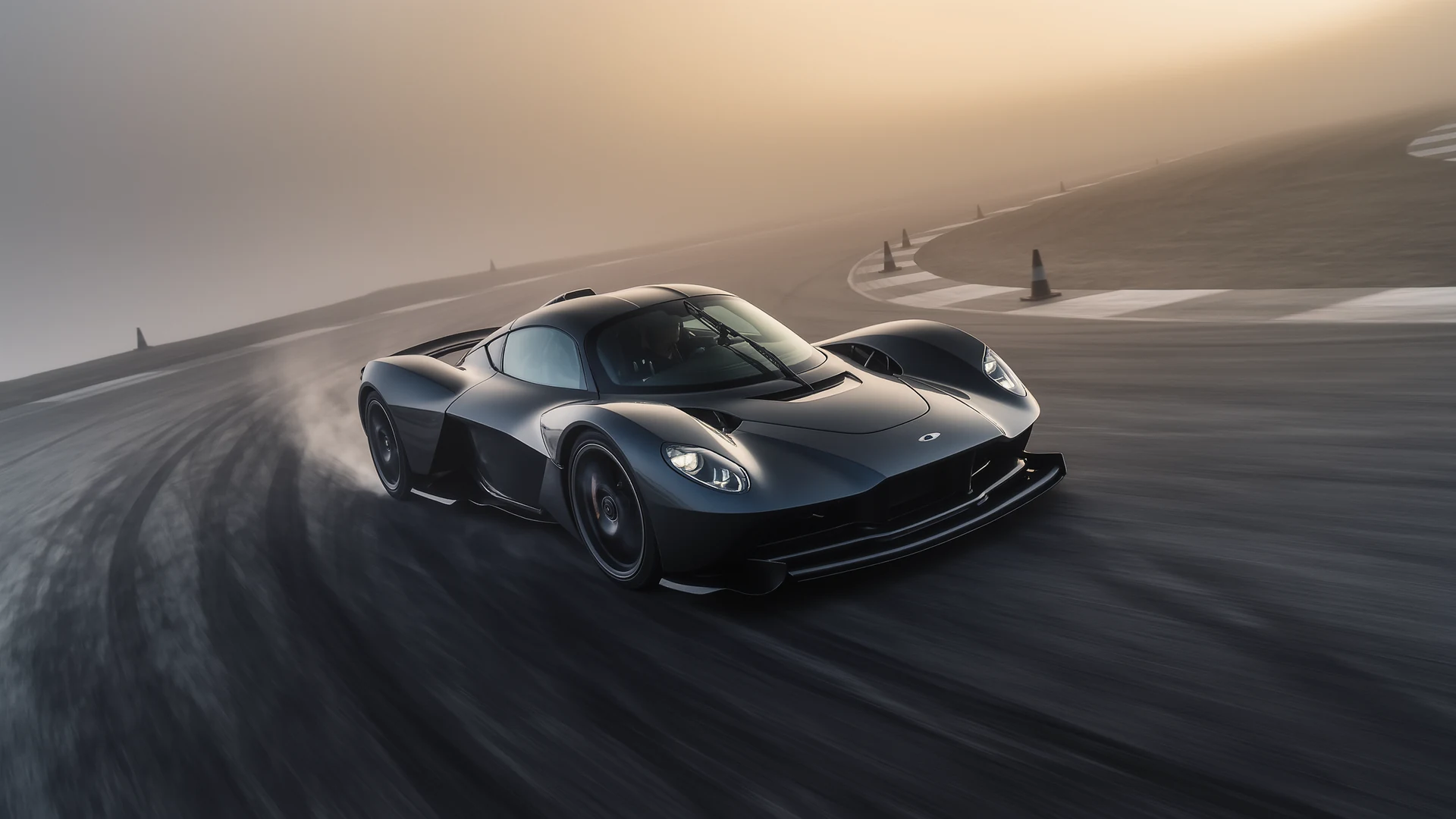
Supercar Experiences & Driving Events: The Ultimate Guide
The ultimate guide to supercar experiences: best track days worldwide, rallies like Gumball 3000, factory tours, driving schools, rentals and insuranc…
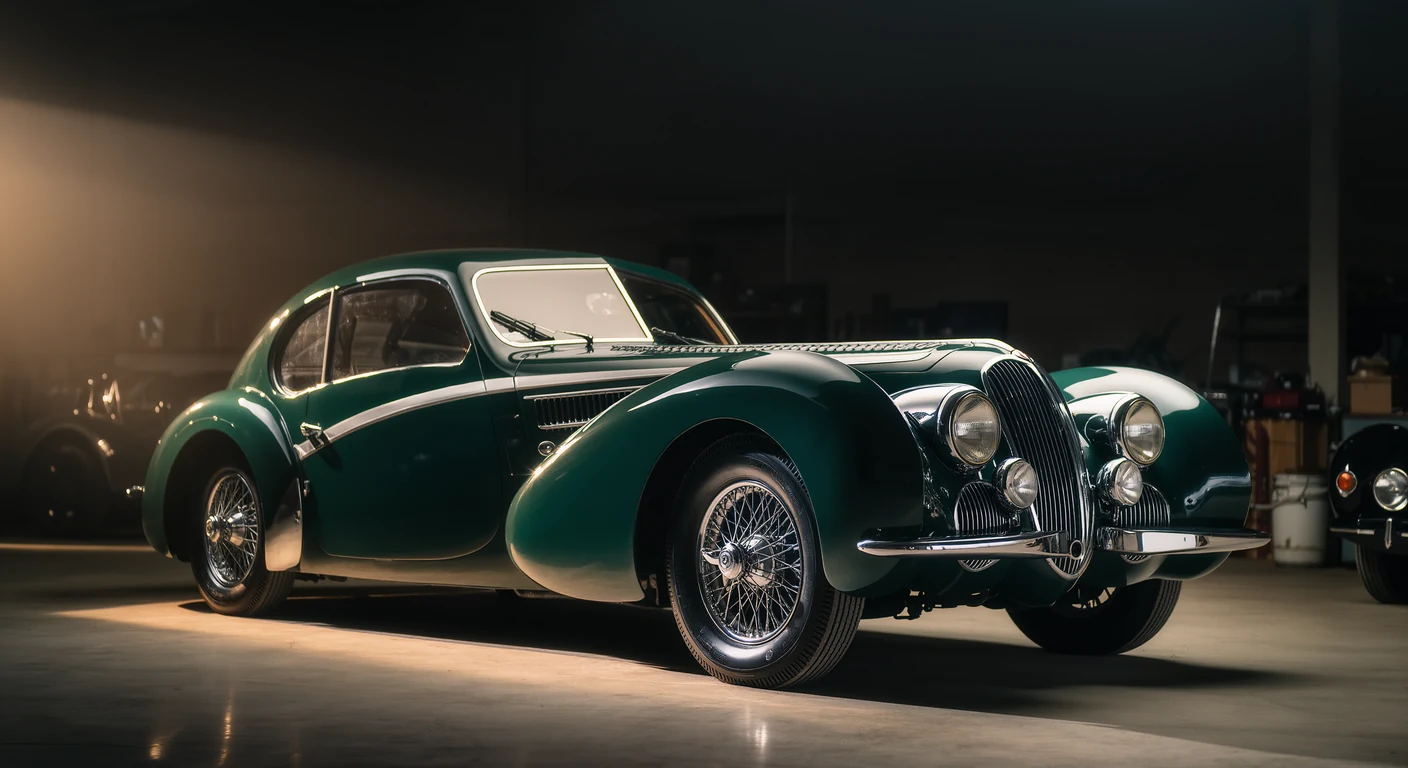
Classic Car Collecting: The Art of Investing in Automotive History
Why Classic Cars Have Outperformed Traditional Assets Over the past two decades, classic cars have delivered annualised returns that rival or exceed s…
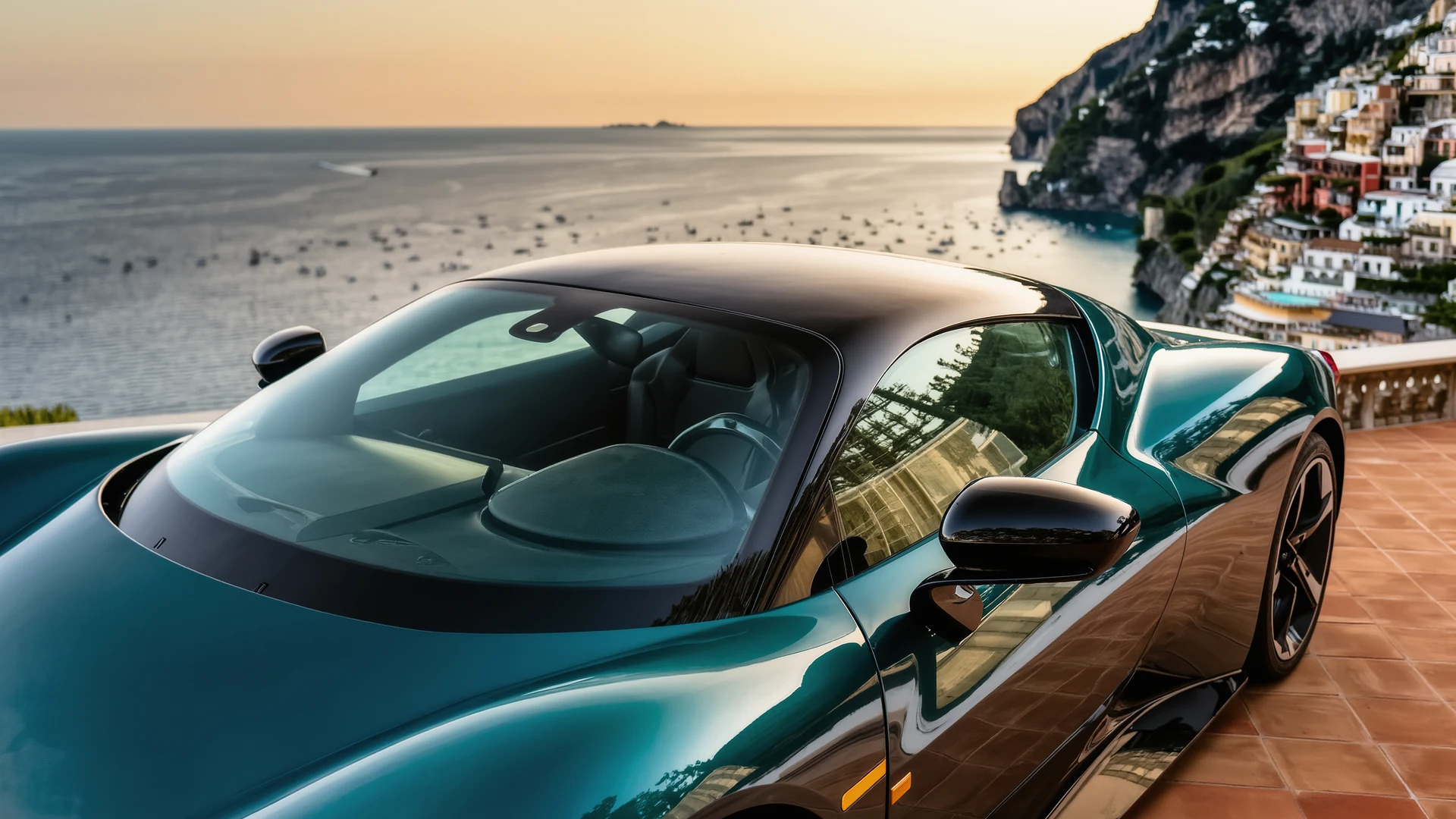
Ferrari Amalfi – A Masterpiece of Modern Grand Touring
Design and Aesthetics The Ferrari Amalfi embodies the essence of Italian elegance, blending timeless beauty with modern sophistication. Its sleek, scu…