Luxury Home Architecture & Design: The Complete Guide
The complete luxury home design guide: architectural styles, 2026 interior trends, smart-home tech, sustainable systems, kitchens, baths, lighting and materials.…
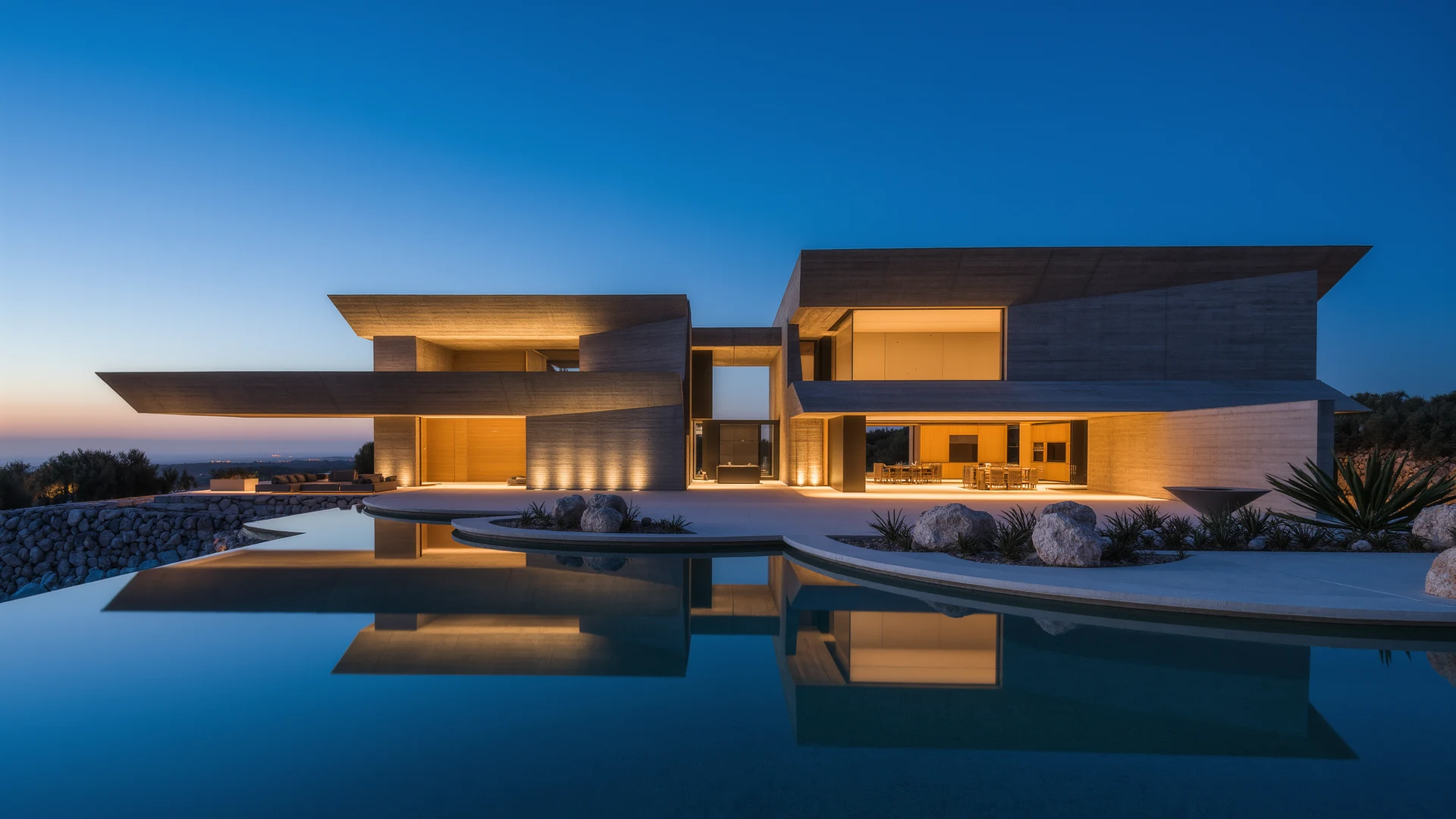
Luxury home design unites architectural style, 2026 interior trends, smart-home and sustainable systems, and curated materials into one cohesive, deeply personal living environment.
Key Takeaways
- Four leading luxury architectural styles define a home's identity: Modernist (form follows function, steel-concrete-glass), Mediterranean (terracotta roofs, stucco, arched doorways), Contemporary (mixed-material facades, integrated sustainability), and Minimalist (restrained three-to-four-surface palettes and negative space).
- Interior design for 2026 centers on biophilic integration, curated maximalism with de Gournay wallcoverings, wellness-centric spaces with circadian lighting, and artisanal imperfection that celebrates the human hand.
- Luxury smart homes run on unified platforms such as Crestron, Savant, or Control4, adding predictive machine-learning intelligence, wellness monitoring, and biometric security with enterprise-grade encryption.
- Sustainable luxury spans net-zero and net-positive homes using Tesla Solar Roof tiles, Powerwall battery storage, regenerative design, healthy zero-VOC materials, and Passive House principles.
- Luxury kitchens feature dual islands cut from rare stone like Calacatta Borghini marble plus pro appliances from La Cornue, Sub-Zero, and Miele, while bathrooms become private spas with programmable shower systems and book-matched marble.
- Lighting is treated as an architectural material across four layers, controlled by Lutron HomeWorks and elevated by investment-grade fixtures from Bocci, Lindsey Adelman, and Apparatus Studio.
- Architect fees typically run 10 to 20 percent of construction cost, and the design team ecosystem of interior designers, landscape architects, lighting and AV consultants, and the contractor should be engaged early.
🌐 Also available in: Español · Français
Architectural Styles
The foundation of any luxury home begins with its architectural identity. Selecting the right style shapes not only the visual character of your residence but also how you experience daily life within its walls. Today’s high-end homes draw from a rich palette of established and emerging architectural languages, each offering distinct advantages in form, function, and emotional resonance.
Modernist Architecture
Modernist luxury homes embrace the principle that form follows function, stripping away ornamentation in favor of clean geometric lines and honest material expression. Characterized by flat or low-pitched roofs, expansive floor-to-ceiling glass walls, and open-plan interiors that flow seamlessly from one space to the next, these homes create a sense of weightlessness and connection to the surrounding landscape. Cantilevered volumes, asymmetrical facades, and the strategic use of industrial materials such as steel, concrete, and glass define the modernist vocabulary. The style celebrates structural innovation, exposed beams, floating staircases, and dramatic double-height living spaces that transform a home into a sculptural statement. For the luxury homeowner, modernism offers a canvas for art collecting, with gallery-like walls and museum-quality lighting that puts curated pieces at center stage.
Mediterranean Architecture
Rooted in the coastal villas of Spain, Italy, and Greece, Mediterranean luxury architecture brings Old World warmth and timeless elegance to contemporary living. Signature elements include red-tiled terracotta roofs, stucco exteriors in warm earth tones, arched doorways and windows, and wrought-iron detailing that adds handcrafted character. Courtyards and loggias serve as transitional spaces between interior and exterior, often featuring fountains, mosaic tiles, and lush plantings that create private oases. Inside, exposed wooden beams, hand-painted tiles, and rustic stone fireplaces anchor the design in centuries-old traditions while accommodating modern luxury amenities. The Mediterranean style excels in climates that reward indoor-outdoor living, with deep overhangs and shaded porticos that provide natural cooling. Modern interpretations blend these classical elements with contemporary open floor plans, creating homes that feel both historically grounded and thoroughly current.
Contemporary Architecture
Contemporary luxury architecture represents the cutting edge of design thinking, it is not a fixed style but an evolving response to current materials, technologies, and cultural values. Unlike modernism’s strict doctrinal purity, contemporary design freely mixes influences: a home might pair the minimalist volume of a glass pavilion with the tactile warmth of a living green wall, or combine brutalist concrete planes with delicate timber screens. Key characteristics include dynamic rooflines that angle and intersect in unexpected ways, mixed-material facades that juxtapose textures, and innovative cantilevers that seem to defy gravity. Sustainability is often integrated at the conceptual level rather than added as an afterthought, with passive solar orientation, natural ventilation strategies, and integrated renewable energy systems shaping the fundamental layout. Contemporary luxury homes are designed for flexibility, spaces transform from intimate to expansive through movable walls, and rooms serve multiple functions as work, leisure, and social patterns evolve.
Minimalist Architecture
Minimalist luxury architecture distills living to its essence, proving that less can indeed be more when every element is executed with extraordinary precision. The aesthetic is defined by clean, unbroken planes, a restrained material palette often limited to three or four carefully chosen surfaces, and an almost spiritual commitment to negative space. In minimalist homes, storage is concealed behind seamless panels, hardware is invisible or recessed, and transitions between materials are handled with joinery so precise that the eye perceives a single continuous surface. The luxury in minimalism comes from what is absent, the visual noise that clutters most environments, and from the exceptional quality of what remains. Natural light becomes a primary design material, choreographed through carefully positioned apertures that change the character of rooms throughout the day. For those who find peace in order and clarity, the minimalist luxury home offers an environment of profound calm and focused intention.
Interior Design Trends 2026
The interior design landscape for luxury homes in 2026 reflects a decisive shift toward authenticity, sensory richness, and emotional well-being. Gone are the days of sterile, showroom-perfect interiors; today’s affluent homeowners seek spaces that tell a story, engage the senses, and support holistic health.
Biophilic Integration has moved beyond simply adding potted plants. In 2026, luxury interiors incorporate living walls as architectural features, interior courtyards with mature trees growing through open skylights, and water elements that provide both visual focal points and acoustic tranquility. Natural materials dominate, honed limestone, unvarnished oak, hand-troweled clay plaster, chosen for how they age and develop patina over time rather than for how they look on day one.
Curated Maximalism emerges as a counterpoint to years of minimalist dominance. This is not clutter but rather the artful layering of meaningful objects, bold patterns, and saturated colors. Think jewel-toned velvet upholstery against hand-painted de Gournay wallcoverings, gallery walls mixing blue-chip art with emerging artists, and bespoke furniture pieces that function as conversation-starting sculpture. The key is curation, every piece earns its place through craftsmanship, provenance, or personal significance.
Wellness-Centric Spaces are no longer confined to the home gym or spa bathroom. In 2026, the entire luxury interior is conceived as a wellness environment. Circadian lighting systems automatically adjust color temperature throughout the day to support natural sleep-wake cycles. Air purification is integrated at the HVAC level, with real-time quality monitoring displayed discreetly. Dedicated meditation rooms, sensory-deprivation spaces, and home sanctuaries for yoga and mindfulness practice are standard features rather than afterthoughts.
Artisanal Imperfection celebrates the human hand. Hand-thrown ceramic vessels, textiles with visible loom variations, and furniture with deliberately exposed joinery signal a rejection of machine-perfect uniformity. Luxury in 2026 means owning objects that could only have been made by a specific craftsperson in a specific place at a specific moment, the antithesis of mass production.
Smart Home Integration
The luxury smart home of today has evolved far beyond app-controlled light bulbs and voice-activated speakers. It is an intelligent, anticipatory ecosystem that learns from its occupants, enhances their well-being, and operates with such seamless subtlety that the technology itself disappears into the architecture.
Unified Control Ecosystems form the backbone of luxury smart home design. Rather than a fragmented collection of incompatible devices, the modern luxury residence runs on a single integrated platform, typically Crestron, Savant, or Control4, that unifies climate, lighting, security, entertainment, and shading into one intuitive interface. These systems are programmed by certified integrators who create personalized scenes: a single “Good Morning” command can raise shades, adjust the thermostat, start the coffee maker, and cue a curated morning playlist, each action timed to create a gentle, unhurried awakening.
Predictive Intelligence represents the next frontier. Advanced systems now incorporate machine learning algorithms that study household patterns and anticipate needs before they are expressed. The home learns when the family typically arrives, adjusting climate and lighting in advance. It detects when rooms are unoccupied and reduces energy consumption accordingly. Some systems integrate with digital calendars to prepare the home for guests, dinner parties, or extended absences without any manual input.
Wellness monitoring features are increasingly embedded in luxury smart homes. Water quality sensors track purity and mineral content in real time. Air quality monitors detect VOCs, particulate matter, and CO2 levels, automatically engaging purification systems when thresholds are exceeded. Circadian lighting systems shift from energizing blue-rich light in the morning to warm amber tones in the evening, supporting natural hormonal cycles. Some residences even incorporate sleep-tracking technology built into the bedroom environment itself.
Security and Privacy in the luxury smart home require sophisticated layered approaches. Beyond high-definition cameras and motion sensors, contemporary systems include AI-powered analytics that distinguish between residents, guests, delivery personnel, and potential threats. Biometric access control, fingerprint, facial recognition, or retinal scanning, replaces traditional keys. Critically, all smart home data is secured through enterprise-grade encryption, with many luxury homeowners opting for local processing over cloud-dependent solutions to maintain absolute privacy.
Sustainable Luxury
Sustainability in luxury home design has undergone a profound transformation. What was once associated with compromise, smaller spaces, visible solar panels, and aesthetic sacrifices, has evolved into a design philosophy where environmental responsibility and uncompromising luxury are not merely compatible but mutually reinforcing.
Net-Zero and Net-Positive Homes represent the gold standard. These residences generate as much or more energy than they consume through integrated renewable systems. Tesla Solar Roof tiles, which are indistinguishable from premium slate or terracotta, have replaced conspicuous panel arrays. Ground-source heat pumps provide heating and cooling with extraordinary efficiency, while battery storage systems, often the same Powerwall or similar technology, ensure uninterrupted power and energy independence. The luxury is not just in lower utility bills but in complete energy sovereignty.
Regenerative Design moves beyond “doing less harm” to actively improving the environment. Green roofs planted with native species support local biodiversity and manage stormwater. Greywater recycling systems capture and treat water from showers and sinks for landscape irrigation. Some luxury estates incorporate small-scale food production, chef’s gardens, orchards, and even vineyards, that reduce food miles to food steps while providing an unmatched farm-to-table experience.
Healthy Materials selection has become a cornerstone of sustainable luxury. The wealthiest homeowners are increasingly aware of off-gassing from conventional building products and furnishings. Specifying zero-VOC paints, formaldehyde-free cabinetry, natural fiber carpets, and organic upholstery materials creates indoor environments that are as healthy as they are beautiful. Third-party certifications such as Declare, Cradle to Cradle, and the Living Building Challenge provide rigorous frameworks for material transparency.
Passive House Principles are being adopted in luxury construction not just for their energy performance but for the exceptional comfort they deliver. Super-insulated envelopes, triple-glazed windows, and meticulous air sealing eliminate drafts and cold spots while maintaining stable indoor temperatures year-round. Heat recovery ventilation systems deliver continuously filtered fresh air, creating an indoor environment that feels perpetually spring-like regardless of outdoor conditions.
Kitchen & Bath Design
Kitchens and bathrooms represent the highest concentration of investment per square foot in any luxury home. These spaces must balance extraordinary aesthetic ambition with demanding functional requirements, and the standards for both continue to rise.
Luxury Kitchen Design
The luxury kitchen has completed its evolution from a utilitarian workspace hidden behind closed doors to the undisputed heart of the home, a social hub, entertainment venue, and design showcase all at once. Island configurations have expanded dramatically, with many high-end kitchens featuring dual islands: one for prep and cooking, the other for casual dining and socializing. These islands are often crafted from single slabs of rare stone. Calacatta Borghini marble, quartzite with dramatic veining, or sintered stone surfaces spanning twelve feet without a single seam.
Appliance specifications in the luxury kitchen rival professional restaurant equipment. La Cornue ranges handcrafted in France, Sub-Zero refrigeration with dual compressor systems that preserve produce at precise humidity levels, and Miele steam ovens that cook with restaurant-grade precision are baseline expectations. Increasingly, luxury kitchens incorporate specialized appliances: teppanyaki grills integrated into island surfaces, vacuum sealers built into countertops for sous-vide preparation, and speed ovens that combine microwave, convection, and broiling functions.
The butler’s pantry or prep kitchen has become a defining feature of luxury residences. This secondary kitchen space, fully equipped with its own refrigeration, dishwashing, and cooking capabilities, handles the messy work of meal preparation, keeping the main kitchen pristine for entertaining. It also serves as a catering staging area during events, a coffee and beverage station for morning routines, and additional storage for bulk purchases and small appliances.
Luxury Bath Design
The luxury bathroom has been reimagined as a private spa: a sanctuary for restoration and self-care that rivals the world’s finest wellness retreats. Freestanding sculptural bathtubs carved from single blocks of stone or formed from solid surface materials anchor the space as functional art. Wet rooms with zero-threshold entries eliminate visual barriers, with linear drains and continuous flooring creating a seamless, gallery-like aesthetic.
Shower systems have evolved into fully programmable experiences. Digital thermostatic controls allow users to preset exact temperature, flow rate, and spray pattern combinations. Multiple shower heads, rainfall ceiling mounts, body sprays arranged in vertical arrays, and handheld wands, are common. Steam generators, chromotherapy lighting, and integrated sound systems with waterproof speakers transform the daily shower into a multi-sensory ritual.
Material selections emphasize both beauty and practicality. Large-format porcelain slabs minimize grout lines for a monolithic appearance. Book-matched marble creates symmetrical veining patterns across entire walls. Heated flooring extends beyond the bathroom into adjacent dressing areas. Vanities have evolved into furniture pieces, with integrated lighting, hidden charging drawers for personal devices, and dedicated zones for skincare refrigeration.
Outdoor Living & Landscaping
Luxury outdoor spaces have shed their identity as secondary areas used only in favorable weather. Through sophisticated design and technology, they now function as fully realized extensions of the interior living environment, usable and enjoyable year-round.
The Outdoor Room concept has gained significant traction. These are not patios with furniture but fully furnished, weather-protected living spaces with defined ceilings (pergolas, retractable awnings, or cantilevered roof structures), walls (living plant screens, glass windbreaks, or outdoor drapery), and floors (porcelain paving, ipe decking, or polished concrete). Outdoor kitchens rival their indoor counterparts with built-in grills, pizza ovens, refrigeration, and bar seating. Outdoor living rooms feature weather-resistant upholstery, fire tables, and entertainment systems with invisible speakers integrated into the landscape.
Infinity-edge pools remain the definitive luxury landscape feature, but the design conversation has expanded. Natural swimming ponds that use aquatic plants for filtration offer chemical-free swimming experiences. Spa complexes separated from the main pool create dedicated zones for hydrotherapy with multiple temperature experiences, hot plunge, cold plunge, and warm relaxation. Pool houses have evolved into fully equipped guest suites with bathrooms, kitchenettes, and folding glass walls that open completely to the pool deck.
Landscape architecture at the luxury level engages all senses. Specimen trees, mature olives, Japanese maples, or sculptural pines, are placed as living sculpture, often illuminated dramatically at night. Fragrance gardens concentrate night-blooming jasmine, gardenia, and honeysuckle near outdoor entertaining areas and bedroom terraces. Water features provide acoustic masking, transforming urban properties into surprisingly tranquil retreats. Professional-grade landscape lighting systems with programmable color temperatures create entirely different garden experiences for entertaining versus quiet family evenings.
Lighting Design
Lighting is the most undervalued element in residential design, and the one most capable of transforming an expensive room into an extraordinary one. In luxury homes, lighting is treated not as a utility but as an architectural material, shaping perception of space, texture, and mood with precision and intention.
Layered Lighting is the foundational principle. Every room deserves attention across four layers: ambient (general illumination, typically from concealed sources), task (focused light for specific activities), accent (directional light that highlights art, architecture, or objects), and decorative (fixtures that function as jewelry for the room). The interplay among these layers creates depth and flexibility, a dining room can transition from bright and energetic for family breakfast to intimate and dramatic for a dinner party through preset scenes that adjust each layer independently.
Architectural integration conceals lighting within the fabric of the building. Linear LED strips tucked into ceiling coves wash walls with soft, even light. Grazing techniques positioned close to textured surfaces, stone, brick, fluted paneling, accentuate materiality by casting micro-shadows across every irregularity. Stair treads with integrated step lights provide both safety and drama. Toe-kick lighting in kitchens and bathrooms creates the illusion of floating cabinetry while providing practical night lighting.
Decorative fixtures in luxury residences are treated as investment-grade art. A single Bocci cascade chandelier with hand-blown glass pendants descending in an organic cluster, a Lindsey Adelman branching fixture with articulated brass arms, or an Apparatus Studio piece combining porcelain, suede, and aged brass, these are statement pieces commissioned early in the design process because their scale and character influence the entire spatial composition.
Smart lighting controls are non-negotiable. Lutron HomeWorks or similar systems provide dimming precision down to 0.1% increments, astronomical time clocks that adjust schedules based on sunrise and sunset, and occupancy sensing that eliminates the need for switches entirely in passage spaces. The interface has evolved beyond wall keypads to include elegantly designed tabletop remotes, touchscreen panels, and geofencing that activates welcome scenes as residents approach home.
Materials & Finishes
In luxury construction, materials are not merely selected: they are curated with the same discernment applied to an art collection. Every surface communicates, and the cumulative effect of these material choices determines whether a home feels genuinely luxurious or merely expensive.
Natural Stone remains the definitive luxury surface, but the conversation has shifted beyond the predictable Carrara marble. Book-matched slabs, where adjacent stone panels mirror each other like the pages of an open book, create dramatic focal walls in entry halls and primary bathrooms. Exotic quartzites with swirling patterns in deep greens and golds offer the visual drama of marble with significantly greater durability. Soapstone, with its matte, tactile quality, is gaining favor for kitchen countertops among those who appreciate how it darkens and develops character with use.
Wood flooring trends favor wider and longer planks, twelve inches wide and up to twelve feet long, in European white oak with natural or lightly limed finishes that preserve rather than obscure the grain. Herringbone and chevron patterns, particularly executed in narrower planks, bring pattern and rhythm to formal spaces. Reclaimed woods with genuine history, beams from decommissioned factories, flooring from French châteaux, command premium prices for their irreplaceable patina and provenance.
Metal Finishes have moved decisively beyond the era of polished chrome and brushed nickel as default choices. Unlacquered brass that will develop a living patina over time, matte black with a warm rather than harsh tone, and burnished bronze with rich brown undertones are current preferences. Mixed metal compositions are now standard, brass plumbing fixtures paired with black iron lighting and bronze door hardware, unified by consistent undertones rather than matching finishes.
Plaster and Wall Finishes elevate surfaces beyond standard painted drywall. Venetian plaster with its marble-dust content and polished surface creates walls that appear to glow from within. Tadelakt, the Moroccan waterproof plaster technique, brings an organic, subtly undulating surface to bathrooms and wet areas. Limewash paints in muted, earthy tones provide walls with a velvety depth that flat paint cannot achieve, with natural color variation that adds warmth and character.
Working with Architects & Designers
The relationship between client and design team is the single greatest determinant of a luxury project’s success. Even the most generous budget cannot compensate for a misaligned partnership, while a well-matched team can achieve extraordinary results within significant constraints.
Selecting the Right Architect begins with portfolio alignment, but should not end there. A firm whose published work resonates aesthetically should also demonstrate experience at your project’s scale and budget level. Request references from past clients, ideally those whose projects were completed at least two years prior, when any construction issues would have surfaced and been resolved. The initial consultation should reveal whether the architect listens more than they speak, and whether they ask incisive questions about how you actually live rather than simply what you want the house to look like.
The Design Team Ecosystem in luxury projects typically extends well beyond the architect. Interior designers are engaged early, ideally during schematic design, to ensure spatial planning accounts for furniture layouts, sight lines, and the practical realities of entertaining. Landscape architects, lighting designers, and audio-visual consultants contribute specialized expertise. The general contractor should ideally be brought into the process during design development, providing cost feedback that prevents the heartbreak of value engineering late in the process.
Contracts and Fee Structures deserve careful attention. Most residential architects work on a percentage of construction cost (typically 10-20%) or a fixed fee based on estimated scope. Ensure the contract clearly defines the scope of services: how many design iterations are included, who owns the drawings, whether the architect will administer the construction contract, and how changes in scope are priced. Interior designers may charge a percentage on purchases, a flat design fee, hourly rates, or some combination, transparency on procurement markups is essential.
Communication and Process determine whether the design journey is exhilarating or exhausting. Establish regular meeting cadences, preferred communication channels, and decision-making protocols early. The best architects educate their clients throughout the process, explaining the trade-offs embedded in every choice. Clients who engage deeply, who collect images, articulate priorities, and express honest reactions, enable their design teams to produce work that truly reflects their personalities rather than the designer’s portfolio.
Budget Planning Guide
Luxury home construction operates in a financial realm where conventional square-footage multipliers rarely apply. Understanding how budgets are structured, where money is best allocated, and what contingencies are realistic can mean the difference between a project that fulfills its vision and one compromised by financial stress.
Hard Costs vs. Soft Costs is the fundamental distinction. Hard costs encompass everything physically built, excavation, foundation, framing, roofing, mechanical systems, finishes, and fixtures. Soft costs cover design fees, engineering, permits, impact fees, financing costs, and furnishings. In luxury residential projects, soft costs typically represent 15-25% of the total project budget, and failing to account for them comprehensively is among the most common budgeting errors.
Cost Allocation Benchmarks provide a starting framework:
- Site Work and Foundation: 10-15%, more for challenging sites requiring extensive excavation, retaining walls, or soil remediation.
- Structure and Envelope: 25-35%, framing, roofing, windows, doors, exterior cladding, and insulation.
- Mechanical Systems: 15-20%. HVAC, plumbing, electrical, smart home infrastructure, and renewable energy systems.
- Interior Finishes: 25-30%, flooring, millwork, stone, tile, paint, and architectural detailing.
- Fixtures and Equipment: 5-10%, plumbing fixtures, lighting fixtures, appliances, and hardware.
- Landscape and Outdoor: 5-10%, hardscape, planting, pools, outdoor kitchens, and landscape lighting.
Contingency Planning is not optional. A 15-20% contingency on hard costs is standard for luxury residential construction, and it should be genuinely reserved, not mentally allocated to upgrades during design. Site conditions discovered during excavation, material price volatility, and the inevitable evolution of design decisions during construction all draw on this fund. Clients who spend the contingency on scope additions during design inevitably face difficult cuts later.
Value Engineering with Integrity acknowledges that nearly every project confronts budget pressure at some point. The art is in protecting what matters most. Identify the non-negotiable elements, the spaces, materials, and experiences that define the project’s essence, and subordinate secondary priorities. Often, strategic phasing provides an elegant solution: design and rough-in spaces for future completion, specify materials with a clear upgrade path, or defer non-essential landscape elements. The most successful luxury projects are those where the completed home feels abundant in the places that matter, even if prudence prevailed elsewhere.
Financing and Cash Flow for luxury construction differs markedly from standard residential projects. Construction loans for high-value custom homes typically require 20-30% down, with draws released against completed work verified by inspection. Many luxury homeowners choose to self-finance to avoid lender-mandated constraints on design decisions. Regardless of approach, maintaining a cash reserve equal to at least six months of projected draws provides essential flexibility when decisions must be made quickly to maintain schedule momentum.
The journey of creating a luxury home, from the first conceptual sketch to the moment you turn the key, represents one of life’s most significant creative undertakings. When architecture, design, technology, and craftsmanship converge with clarity of vision and excellence of execution, the result transcends shelter. It becomes a place that elevates every moment spent within it, a legacy for generations, and the ultimate expression of what it means to live well.
Frequently Asked Questions (FAQ)
What are the main luxury home architectural styles in this design guide?
The guide details four leading luxury architectural styles: Modernist, defined by clean geometric lines and steel-concrete-glass; Mediterranean, with terracotta roofs, stucco, and arched doorways; Contemporary, which mixes materials and integrates sustainability; and Minimalist, distilling living to restrained palettes and negative space executed with extraordinary precision.
What are the top luxury interior design trends for 2026?
Luxury interiors in 2026 emphasize four trends: biophilic integration with living walls and interior courtyards; curated maximalism layering jewel-toned velvet and de Gournay wallcoverings; wellness-centric spaces with circadian lighting and integrated air purification; and artisanal imperfection celebrating hand-thrown ceramics and visible craftsmanship over machine-perfect uniformity.
Which smart home systems are used in luxury residences?
Luxury smart homes typically run on a single integrated platform such as Crestron, Savant, or Control4, unifying climate, lighting, security, entertainment, and shading. They add predictive machine-learning intelligence, wellness monitoring of water and air quality, and biometric access control secured with enterprise-grade encryption, often using local processing for privacy.
How can a luxury home be both sustainable and high-end?
Sustainable luxury makes environmental responsibility and uncompromising design mutually reinforcing. Net-zero and net-positive homes use Tesla Solar Roof tiles and Powerwall battery storage for energy sovereignty. Regenerative design, healthy zero-VOC materials, and Passive House principles with triple-glazed windows deliver exceptional comfort, energy independence, and healthier indoor air without aesthetic sacrifice.
What defines a luxury kitchen and bathroom design?
Luxury kitchens center on dual islands cut from rare stone like Calacatta Borghini marble, with appliances from La Cornue, Sub-Zero, and Miele, plus a butler's pantry. Luxury bathrooms become private spas with freestanding sculptural tubs, wet rooms, fully programmable shower systems, and book-matched marble, treating these high-investment spaces as functional art.
Why is lighting design so important in a luxury home?
Lighting is the most undervalued element yet most capable of transforming a room. Luxury homes treat it as an architectural material across four layers: ambient, task, accent, and decorative. Smart Lutron HomeWorks controls offer dimming to 0.1 percent, while investment-grade fixtures from Bocci, Lindsey Adelman, and Apparatus Studio act as statement pieces.
What materials and finishes signal genuine luxury in a home?
Genuine luxury favors natural stone like book-matched slabs, exotic quartzites, and soapstone; wider, longer European white oak and reclaimed wood flooring; living-patina metal finishes such as unlacquered brass and burnished bronze; and elevated wall treatments including Venetian plaster, Moroccan tadelakt, and limewash paints that add velvety depth and character.
How much do luxury architects charge and how should you select one?
Most residential architects charge 10 to 20 percent of construction cost or a fixed fee based on scope. Selection begins with portfolio alignment but should confirm experience at your scale and budget. Request references from projects completed at least two years prior, and engage interior designers, consultants, and the contractor early to prevent late value engineering.
How do luxury homes treat outdoor living spaces?
How should a luxury home construction budget be allocated?
When should the wider design team be engaged in a project?
More from Living
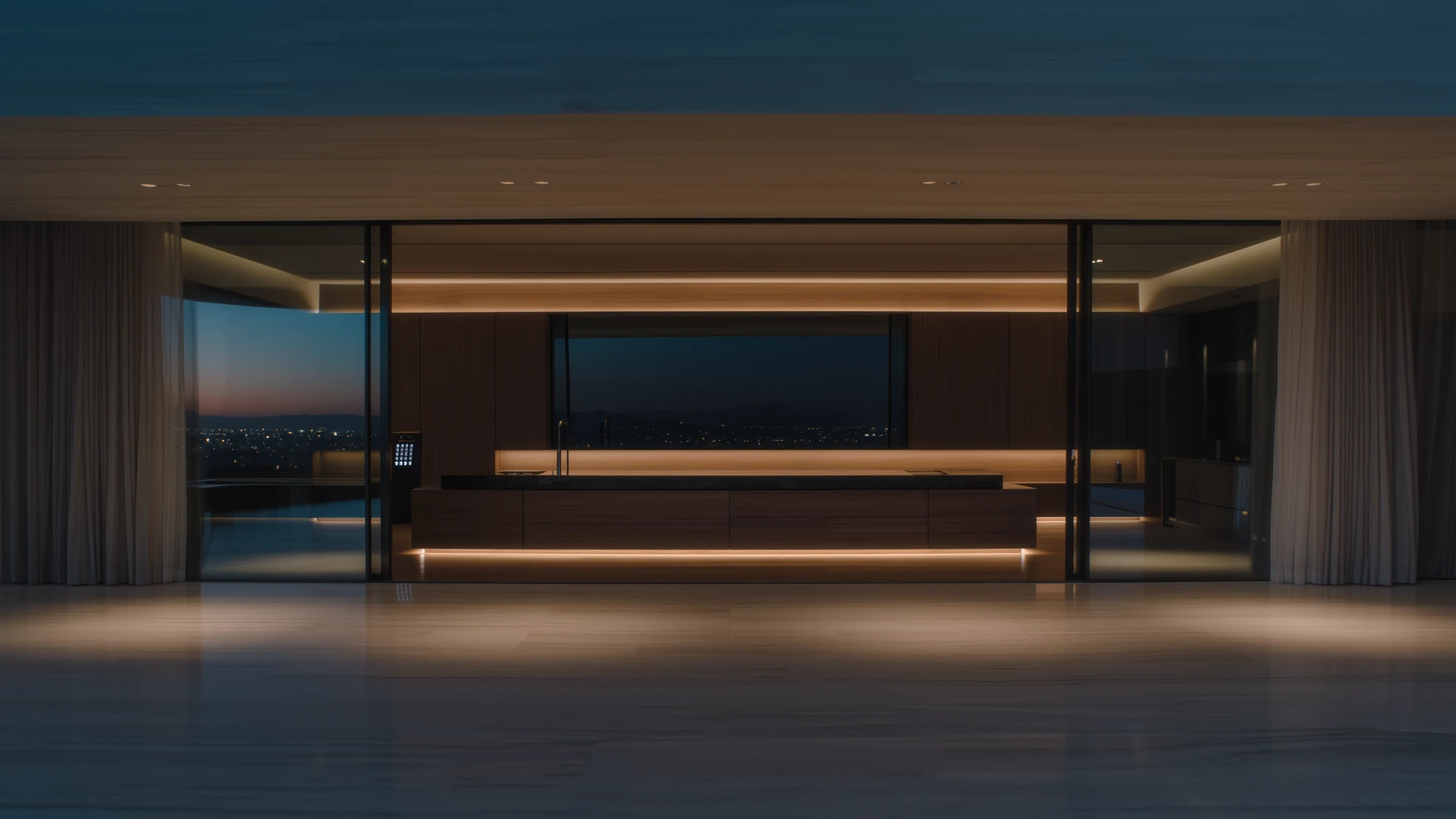
The Smart Home Revolution: Integrating Cutting-Edge Technology into Luxury Residences
Beyond Gadgets: What Smart Home Actually Means in 2026 Step into any luxury property showcase today and you will hear the same buzzwords, smart home,…
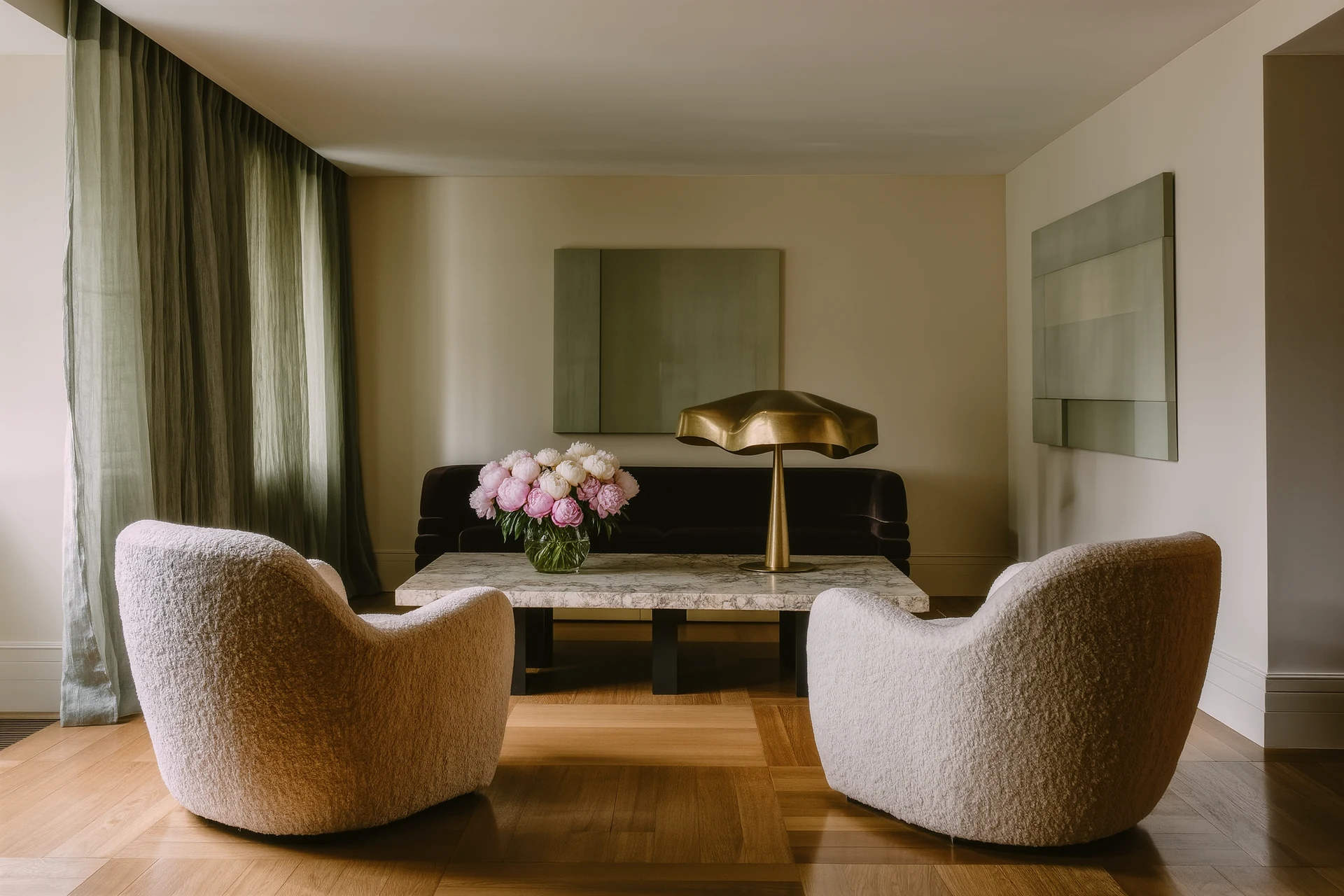
Luxury Interior Design: The Complete Guide to Creating Your Dream Home
Why Interior Design Defines Luxury Living Luxury is no longer defined simply by square footage or a prestigious postcode. True luxury is a feeling, a…
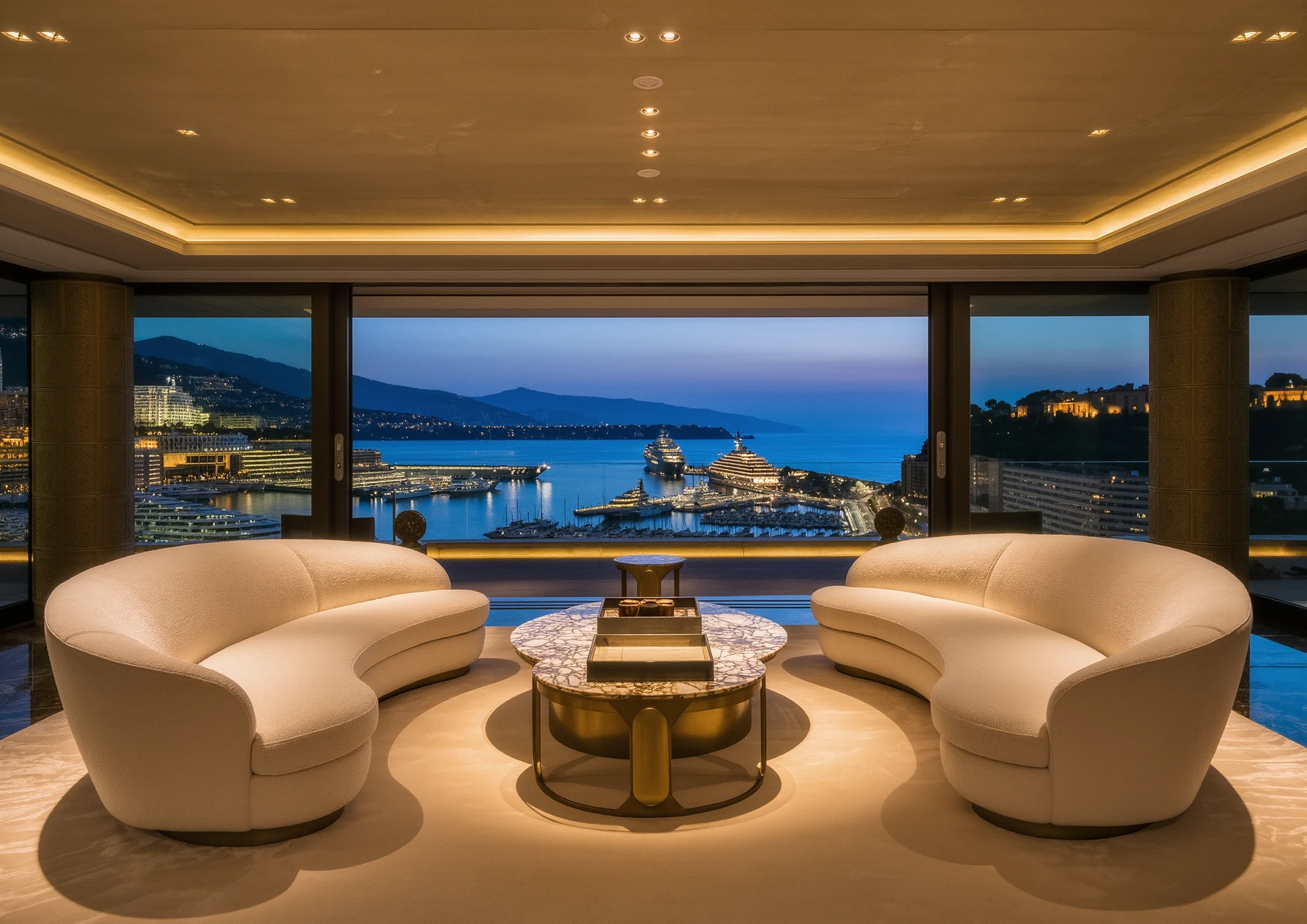
Luxxu Presents the Talie Collection: When Mid-Century Modern Meets Sculptural Design
A New Era of Luxury Design The Talie Collection by Luxxu is more than furniture, it is a sculptural statement. With a strong architectural influence, t…