Luxury Interior Design: The Complete Guide to Creating Your Dream Home
Why Interior Design Defines Luxury Living Luxury is no longer defined simply by square footage or a prestigious postcode. True luxury is a feeling, an experience of space that res…
Why Interior Design Defines Luxury Living
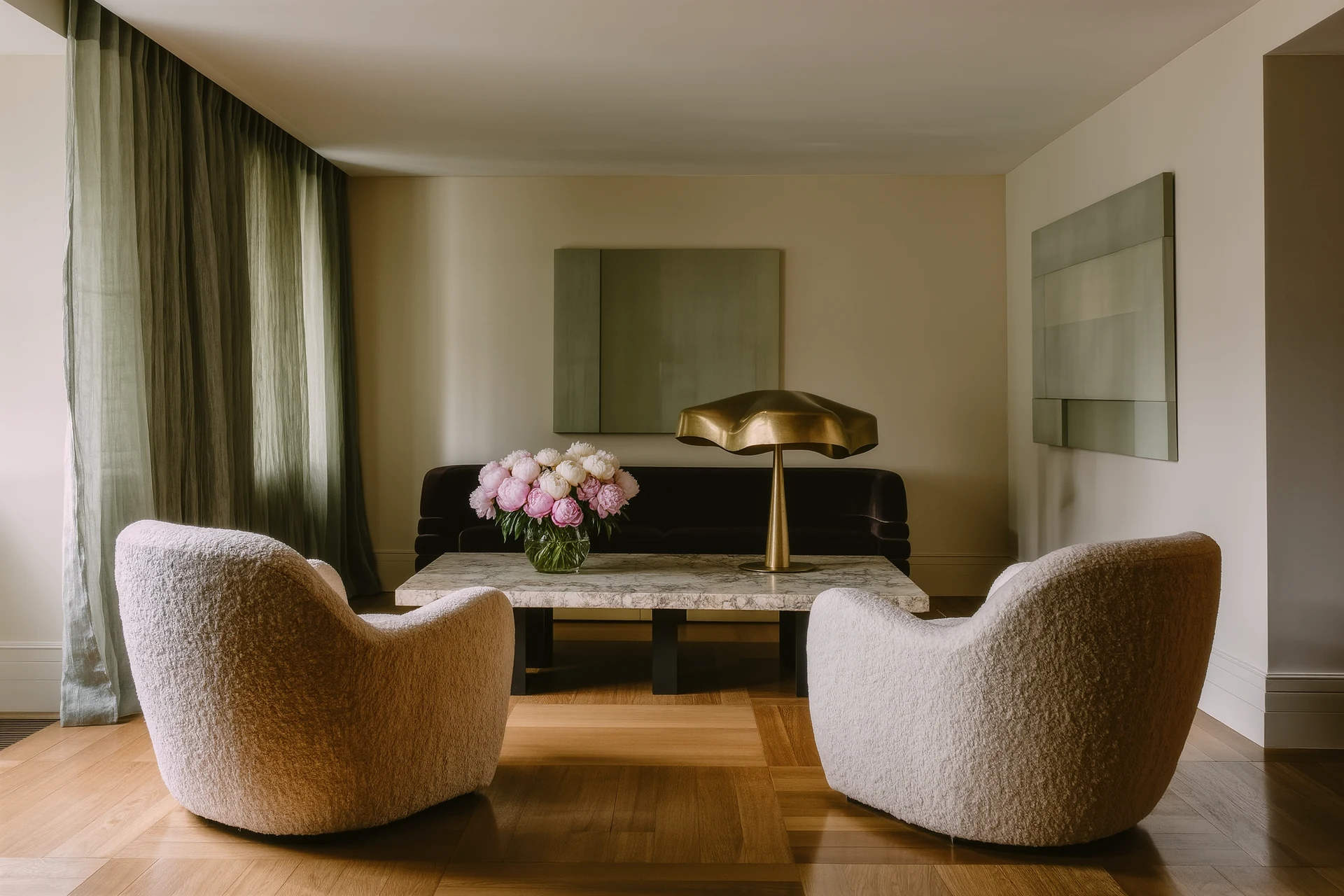
Luxury is no longer defined simply by square footage or a prestigious postcode. True luxury is a feeling, an experience of space that resonates with your identity, comforts your senses, and inspires your daily life. At its core, this experience is crafted through interior design. The finest homes in the world, from penthouses in Monaco to villas in the Maldives, share one common thread: an interior that has been meticulously curated to balance aesthetics, function, and emotional resonance.
Interior design shapes how you live, work, rest, and entertain. A well-designed luxury home anticipates your needs before you articulate them. It integrates lighting that shifts with the time of day, materials that age beautifully, and spatial arrangements that create both intimacy and grandeur. The investment in professional interior design is not merely decorative, it is foundational to the enjoyment and long-term value of your property. Studies consistently show that homes with cohesive, high-quality interiors command significantly higher resale values and attract more discerning buyers.
In this comprehensive guide, we explore every facet of luxury interior design, from defining your personal aesthetic to selecting materials, working with top designers, and understanding the real costs involved. Whether you are designing a primary residence, a holiday retreat, or an investment property, the principles outlined here will help you create spaces that are as functional as they are beautiful.
Defining Your Personal Aesthetic
Before engaging a designer or purchasing a single piece of furniture, you must develop a clear understanding of your personal aesthetic. This is the design language that will unify every room in your home, ensuring coherence and flow. Your aesthetic is a reflection of your lifestyle, personality, and the emotional atmosphere you wish to create. The most successful luxury interiors do not simply follow trends, they tell a story about the people who inhabit them.
Begin by collecting inspiration. Visit showrooms, browse design publications, and travel with an observant eye. Notice what draws your attention in hotels, restaurants, and galleries. Pay attention to the colour palettes, textures, and proportions that make you feel most at ease. Create a mood board, either physical or digital, and look for patterns. Over time, your preferences will coalesce into a coherent aesthetic direction. Below, we explore four of the most compelling design languages shaping luxury interiors today.
Contemporary Minimalism
Contemporary minimalism is defined by clean lines, uncluttered spaces, and a disciplined palette of neutral tones. This aesthetic does not mean cold or barren, rather, it emphasises quality over quantity. Every object in a minimalist interior earns its place through exceptional craftsmanship, material integrity, or functional purpose. The result is an environment of calm sophistication where the architecture itself becomes the focal point.
Key elements of contemporary minimalism include open floor plans, floor-to-ceiling windows, polished concrete or wide-plank oak flooring, and integrated storage that conceals everyday items. Furniture tends toward low-profile pieces with geometric silhouettes. Colour is introduced sparingly, perhaps through a single statement artwork or a carefully chosen accent chair. The luxury in minimalism lies in restraint, precision, and the confidence to let negative space breathe.
Classic Elegance
Classic elegance draws inspiration from the grand European traditions of the 18th and 19th centuries, reinterpreted for modern living. This aesthetic is characterised by symmetry, formal proportions, and rich materiality. Think Versailles meets Belgravia, rooms with ornate plasterwork, herringbone parquet flooring, crystal chandeliers, and furniture with graceful curves and fine upholstery.
In a contemporary context, classic elegance is often softened and edited. Rather than recreating a period interior wholesale, designers selectively incorporate heritage elements, a marble fireplace surround, silk wall coverings, or antique gilt mirrors, and pair them with modern comforts like concealed audiovisual systems and underfloor heating. The colour palette leans toward creams, soft greys, powder blues, and gilded accents. The result is timeless, refined, and inherently luxurious.
Art Deco Revival
Art Deco is experiencing a remarkable resurgence in luxury interiors, beloved for its glamour, optimism, and bold geometry. Originating in the 1920s and 1930s, this style celebrates rich colours, emerald green, sapphire blue, deep burgundy, paired with high-contrast materials such as polished brass, black lacquer, and exotic veneers. Pattern is embraced wholeheartedly, from geometric wallpaper to chevron and fan motifs.
Modern Art Deco interiors blend vintage glamour with contemporary restraint. A lacquered bar cabinet with brass inlay might sit alongside a minimalist sofa. Lighting is particularly important, with sculptural sconces and tiered chandeliers serving as both illumination and art. This aesthetic suits those who love drama, sophistication, and a touch of nostalgic escapism in their living spaces.
Organic Modern
Organic modern design bridges the gap between contemporary architecture and the natural world. It prioritises materials that feel raw and authentic, stone, timber, clay, and linen, and forms that echo the soft curves found in nature. Furniture often features rounded edges, irregular textures, and a palette drawn from earth, sand, stone, and sky.
This aesthetic is particularly suited to homes with strong indoor-outdoor connections. Large sliding glass panels, indoor plants at architectural scale, and water features create a seamless transition between interior and exterior spaces. Organic modern is warm, grounded, and deeply restorative. It invites you to slow down and reconnect, making it an increasingly popular choice for wellness-focused luxury residences.
Working with Top Interior Designers
Engaging a professional interior designer is one of the most consequential decisions in a luxury project. The right designer brings not only creative vision but also technical expertise, access to trade-only suppliers, and the project management skills to execute complex installations on time and on budget. Conversely, the wrong designer can result in costly delays, disappointing results, and strained relationships.
How to Find the Right Designer
Begin your search by reviewing portfolios: not just photographs, but also testimonials and references. Look for designers whose previous work aligns aesthetically with your vision, but also assess their versatility. A designer who has worked across multiple styles is often better equipped to interpret your unique brief than one who imposes a signature look on every project. Industry recognition, such as membership in professional bodies like the British Institute of Interior Design or the American Society of Interior Designers, can be useful indicators of credibility.
Interview at least three designers before making your decision. Ask about their design process, typical project timelines, fee structures, and how they handle challenges such as supply chain delays or budget overruns. Pay attention to chemistry, you will collaborate closely for months, and trust and communication are essential. Request to visit completed projects in person if possible; photographs can only convey so much about the quality of finishes and spatial atmosphere.
The Design Process Explained
A professional luxury interior design project typically unfolds in several distinct phases. First comes the briefing stage, where you articulate your requirements, preferences, lifestyle needs, and budget parameters. The designer then develops a concept, including mood boards, preliminary floor plans, and material palettes, for your feedback and approval. This is followed by detailed design development, where every specification is documented, from paint codes to plumbing fixtures.
The procurement and construction phase involves ordering materials, furniture, and fittings, coordinating with contractors and artisans, and overseeing installation. A dedicated project manager or the lead designer will monitor progress, quality, and costs throughout. Finally, the styling and handover phase addresses the finishing touches, art placement, soft furnishings, lighting calibration, that transform a construction site into a home. The entire process typically spans six to eighteen months depending on scale and complexity.
Material Mastery: What Sets Luxury Interiors Apart
Materials are the vocabulary of luxury design. The difference between an ordinary interior and an extraordinary one often lies in the selection and application of materials. Understanding the options available, and how they interact with light, touch, and time, is essential for creating spaces of enduring quality.
Stones and Marbles
Natural stone is the cornerstone of luxury interiors. Carrara, Calacatta, and Statuario marbles from Italy are prized for their luminous white backgrounds and dramatic grey veining. For those seeking something more distinctive, onyx, with its translucent, honey-coloured depths, can be backlit to create spectacular feature walls and bar tops. Travertine, with its pitted surface and warm beige tones, brings a softer, more organic sophistication.
Beyond aesthetics, stone selection must account for practical considerations: porosity, hardness, and maintenance requirements. Marble, while breathtaking, is softer and more susceptible to etching from acidic substances than granite or quartzite. Book-matched slabs, where two adjacent pieces are opened like a book to create a mirrored pattern, elevate stonework to the level of art and are a hallmark of the highest-quality installations.
Woods and Veneers
Fine woodwork distinguishes luxury interiors through warmth, texture, and craftsmanship. European oak remains the most versatile choice, available in countless finishes from pale and limed to dark and smoked. Walnut offers deeper, richer tones ideal for panelled studies and libraries. For the ultimate expression of wood luxury, designers turn to exotic veneers such as Macassar ebony, Santos rosewood, and burled walnut, each with distinctive grain patterns that are impossible to replicate synthetically.
Custom millwork: from intricate wall panelling and coffered ceilings to bespoke cabinetry and walk-in wardrobes, represents a significant portion of any luxury interior budget. The quality of joinery, the precision of mitred corners, and the invisible integration of hardware are the details that separate exceptional craftsmanship from merely competent work.
Metals and Finishes
Metal finishes serve as the jewellery of an interior, providing points of brilliance, warmth, and visual punctuation. Brass and bronze, particularly in unlacquered forms that develop a natural patina over time, are favoured for their warmth and timeless appeal. Brushed nickel and polished chrome offer a cooler, more contemporary aesthetic. In recent years, matte black and gunmetal finishes have emerged as sophisticated alternatives, particularly for door hardware, tapware, and light fixtures.
The key to successful metal specification is consistency with thoughtful contrast. While you need not match every metal finish throughout a home, each space should feel intentional. Typically, designers limit themselves to two or three metal finishes across a project and ensure they complement, rather than compete with, one another.
Lighting Design: The Forgotten Art
Lighting is the most underestimated element of luxury interior design. While furniture, materials, and art capture immediate attention, it is lighting that ultimately determines how those elements are perceived. Poor lighting can flatten the most exquisite interior, while masterful lighting can make even modest spaces feel extraordinary.
A comprehensive lighting scheme operates on multiple layers. Ambient lighting provides overall illumination, typically through recessed ceiling fixtures, coves, or large decorative pendants. Task lighting addresses specific functional needs, such as reading, cooking, or grooming, through directional spotlights, under-cabinet strips, or adjustable floor lamps. Accent lighting highlights architectural features, artwork, or textured surfaces, creating depth and drama. The best luxury interiors incorporate all three layers, with each circuit independently dimmable to create different moods throughout the day.
A lighting designer or specialist consultant is a worthwhile investment for any substantial luxury project. They will calculate lux levels, specify beam angles, and programme control systems that allow you to recall pre-set scenes at the touch of a button. The integration of natural light, through the strategic placement of windows, skylights, and reflective surfaces, is equally important and should be considered from the earliest architectural stages.
Furniture: Investment Pieces vs. Trends
Furnishing a luxury home is a balance between timeless investment and personal expression. The most enduring interiors are built around a foundation of classic, high-quality pieces, a well-proportioned sofa, a solid dining table, an elegant bed, that will serve for decades. These anchors should be selected for comfort, craftsmanship, and versatility, in neutral tones and natural materials that transcend passing trends.
Trend-driven pieces, on the other hand, should be introduced as accents, a sculptural armchair, a bold-patterned ottoman, or a statement light fixture. These items inject personality and contemporaneity into your scheme and can be swapped out as tastes evolve without requiring a complete overhaul. This layered approach ensures your home feels both grounded and alive, never frozen in a single moment.
When evaluating furniture, look beyond the showroom presentation. Examine joinery details, lift cushions to check spring systems, and ask about the origin of materials. The best luxury furniture is made by artisans using traditional techniques, hand-tied springs, eight-way hand-tied upholstery, dovetailed drawer joints, that ensure longevity. Brands with heritage credentials, such as those producing pieces in Italy, Denmark, and the United Kingdom, typically command premium prices justified by their quality and resale value.
Art Curation for the Luxury Home
Art transforms a beautifully designed interior into a deeply personal sanctuary. It provides focal points, stimulates conversation, and reflects the intellectual and emotional character of the homeowner. Curating art for a luxury residence requires more than simply purchasing pieces that match the colour scheme, it demands a considered approach to scale, placement, and narrative coherence.
Begin by considering the architecture of each space. A grand double-height entrance hall may call for a large-scale contemporary canvas or a dramatic sculptural installation, while an intimate study might benefit from a collection of smaller works arranged in a salon-style hang. Lighting is critical, professional-grade picture lights, adjustable track systems, or carefully positioned natural light can dramatically alter how a piece reads in the room.
Working with an art consultant or gallerist can provide access to works not publicly listed and guide you toward pieces that have investment potential as well as aesthetic merit. Consider rotating your collection periodically, whether through loans, purchases, or simply rearranging, to keep your interiors feeling fresh and dynamic. For those building collections from scratch, starting with emerging artists, limited-edition prints, and photography can offer a more accessible entry point while still delivering significant visual impact.
Outdoor Living: Extending Your Space
In luxury homes, the boundary between indoors and outdoors is increasingly blurred. Outdoor spaces, terraces, roof gardens, pool decks, and courtyards, are treated as fully furnished rooms, with the same attention to comfort, materials, and atmosphere as interiors. This approach extends your living area and creates a seamless flow between the built environment and nature.
Key considerations for luxury outdoor design include weather-resistant materials that age gracefully, integrated heating and cooling for year-round comfort, and professional-grade lighting that creates an inviting ambience after dark. Outdoor kitchens, complete with built-in grills, pizza ovens, refrigeration, and bar seating, have become essential features for those who love to entertain. Fire pits, water features, and carefully curated planting schemes add sensory richness and privacy.
Furniture specified for outdoor use must withstand sun, rain, and temperature fluctuations while maintaining the comfort and aesthetic standards of interior pieces. Brands such as Dedon, Paola Lenti, and B&B Italia Outdoor lead the market with collections that combine technical performance with sophisticated design. The investment in high-quality outdoor furnishings pays dividends in durability and the pleasure of truly inhabiting your entire property.
The Technology Layer: Integrated Living
Modern luxury homes are increasingly intelligent, with technology woven discreetly into the fabric of the building. Integrated systems manage lighting, climate, security, entertainment, and window treatments, often controlled through a single interface on a smartphone or wall-mounted panel. The goal is not technology for its own sake, but rather a home that responds intuitively to the rhythms of daily life.
A professionally designed smart home system allows you to create scenes, for instance, a single command that dims the lights, closes the blinds, lowers the projector screen, and cues your favourite film. Climate zones can be programmed to anticipate your schedule, pre-heating or cooling rooms before you enter them. Security systems integrate cameras, motion sensors, and access control for comprehensive peace of mind.
When planning technology for a luxury home, early integration is essential. Cabling, sensor placement, and equipment racks must be designed into the architectural plans well before finishes are applied. Work with a specialist home automation integrator, firms such as Crestron, Control4, and Lutron have extensive dealer networks, who can design a system that meets your specific needs without compromising the aesthetics of your interior.
Budgeting Realistically: What Luxury Interiors Actually Cost
Understanding the financial commitment required for luxury interior design is essential for planning a successful project. Costs vary enormously depending on location, scope, and specification level, but some general benchmarks provide useful orientation. For a comprehensive renovation including architectural modifications, custom millwork, and high-end finishes, expect to invest between two thousand and five thousand euros per square metre. A simpler decorative refresh, new furniture, lighting, soft furnishings, and decoration, may range from five hundred to fifteen hundred euros per square metre.
Design fees typically represent ten to twenty percent of the overall project budget, depending on the designer’s profile and the scope of services. Procurement markups, where designers charge a percentage on goods purchased through their trade accounts, range from fifteen to thirty-five percent. Transparency on fees and markups should be established in writing at the outset to avoid misunderstandings.
Beyond the obvious categories of furniture, finishes, and fees, budget for contingencies, at least fifteen percent of the total project cost. Unexpected structural issues, supply chain delays, and scope refinements are common in any substantial project. A well-managed contingency fund ensures that these surprises do not derail your timeline or force compromises on quality. Finally, remember that the most visible elements, statement lighting, art, and accessories, are often the last to be specified, and their cost can be easily underestimated in early budgeting.
Room-by-Room Design Principles
While a unified aesthetic should flow throughout your home, each room has its own functional and emotional requirements that demand specific design considerations.
Entry and Foyer: The entrance sets the tone for the entire home. Invest in dramatic lighting, a statement chandelier or sculptural pendant, and a console table with curated objects that welcome guests. Flooring should be durable yet luxurious; consider marble, encaustic tiles, or wide-plank hardwood. Mirrors expand the sense of space and amplify light.
Living Room: This is the heart of the home, where comfort and elegance must coexist. Arrange seating to facilitate conversation while orienting toward a focal point, a fireplace, a view, or an art piece. Layer lighting sources to create flexibility between bright entertaining and cosy evenings. Scale furniture appropriately to the room: oversized pieces can overwhelm, while undersized pieces can feel apologetic.
Kitchen: The luxury kitchen is both a working space and a social hub. Prioritise a logical workflow between cooking, preparation, and cleaning zones. Specify professional-grade appliances integrated behind custom cabinetry for a seamless appearance. A generous island with bar seating encourages informal gatherings, while a separate pantry or prep kitchen keeps the main kitchen pristine during entertaining.
Primary Bedroom Suite: This should be the most personal and restorative space in the home. Invest in the highest-quality mattress and bed linens. Egyptian cotton with a thread count above four hundred, or linen for a more relaxed, textural feel. Blackout window treatments, sound insulation, and a layered lighting scheme support restful sleep. The ensuite bathroom and dressing room should feel like a private spa and boutique, respectively.
Bathroom: Luxury bathrooms are defined by materials, proportions, and sensory experience. Book-matched marble slabs, heated flooring, and generous natural light create a spa-like atmosphere. Consider features such as steam showers, freestanding soaking tubs, and integrated sound systems. Storage should be abundant and concealed, ensuring countertops remain clear and serene.
Home Office and Library: With remote work now a permanent feature of professional life, the home office deserves significant design attention. Ergonomic furniture, acoustic treatment for video calls, and inspiring views or art are essential. Custom bookshelves add warmth and intellectual character, while discreet cable management maintains the luxury aesthetic.
Your Design Project Timeline
Understanding the timeline of a luxury interior design project helps manage expectations and coordinate with other life events. A typical project unfolds across the following phases:
Months 1bis2. Briefing and Concept Development: Defining your requirements, assembling inspiration, reviewing portfolios, and selecting a designer. The designer develops initial concepts, mood boards, and spatial layouts for your approval.
Months 3bis5. Design Development: Detailed specification of every element, materials, fixtures, furniture, lighting, and technology. This phase includes technical drawings, joinery designs, and electrical plans. All major items should be specified and ordered by the end of this phase.
Months 6bis12. Procurement and Construction: The most intensive phase, where contractors execute the build and designers oversee quality and coordination. Furniture and custom pieces are manufactured. Regular site meetings ensure progress aligns with the design intent.
Months 12bis16. Installation and Styling: Furniture, lighting, and window treatments are installed. Art is hung, accessories are placed, and every detail is finessed. The designer conducts a final walkthrough to ensure every element meets the agreed standard.
Month 16+: Handover and Settlement: You take possession of your completed home. Most designers offer a follow-up period to address any snagging issues or adjustments needed after you have lived in the space. This period is invaluable for fine-tuning lighting scenes, storage configurations, and technology settings.
For more inspiration and expert guidance, explore our Living section for the latest in luxury lifestyle, and visit our Real Estate section to discover exceptional properties that exemplify these design principles.
More from Living
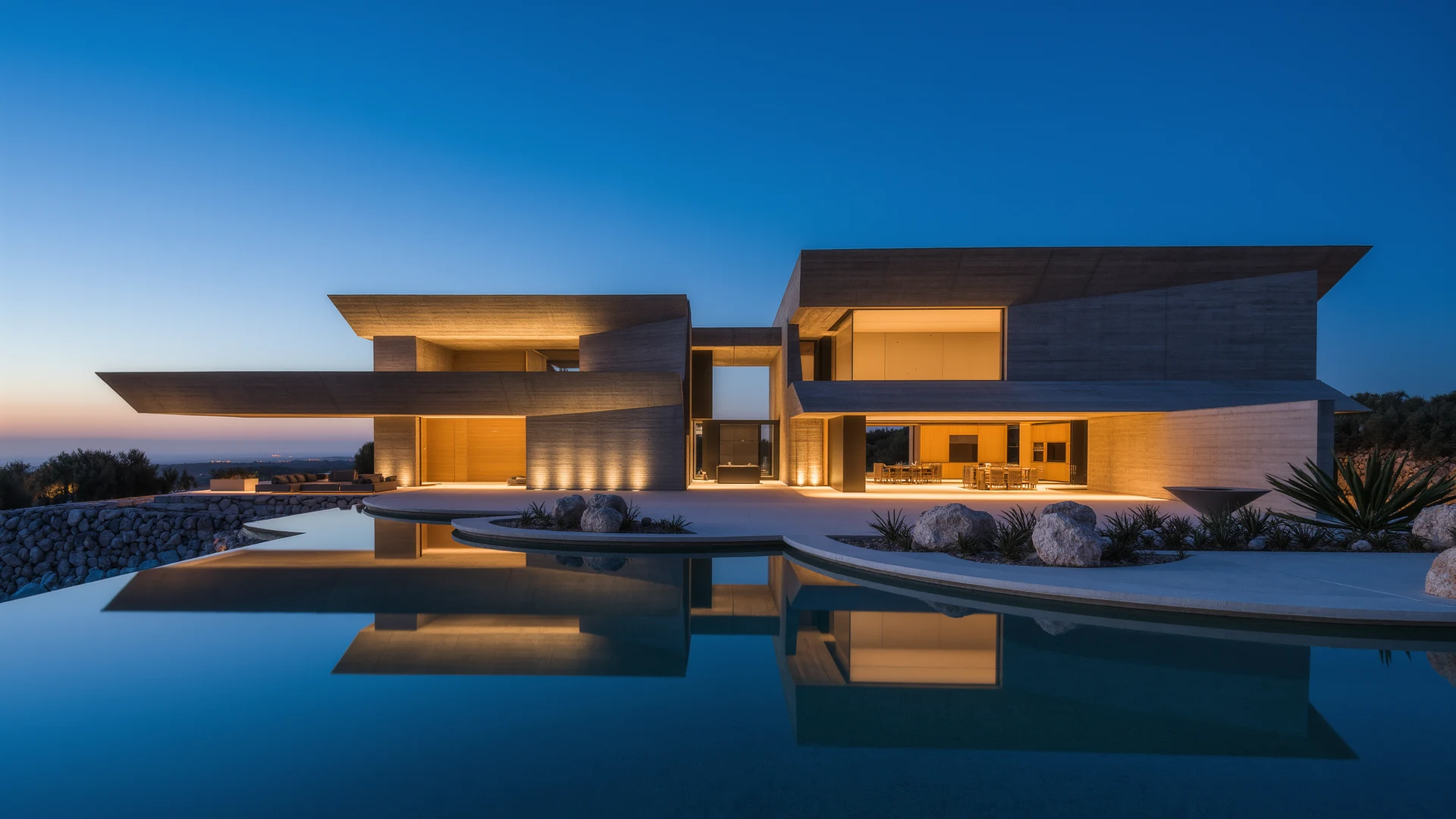
Luxury Home Architecture & Design: The Complete Guide
The complete luxury home design guide: architectural styles, 2026 interior trends, smart-home tech, sustainable systems, kitchens, baths, lighting and…
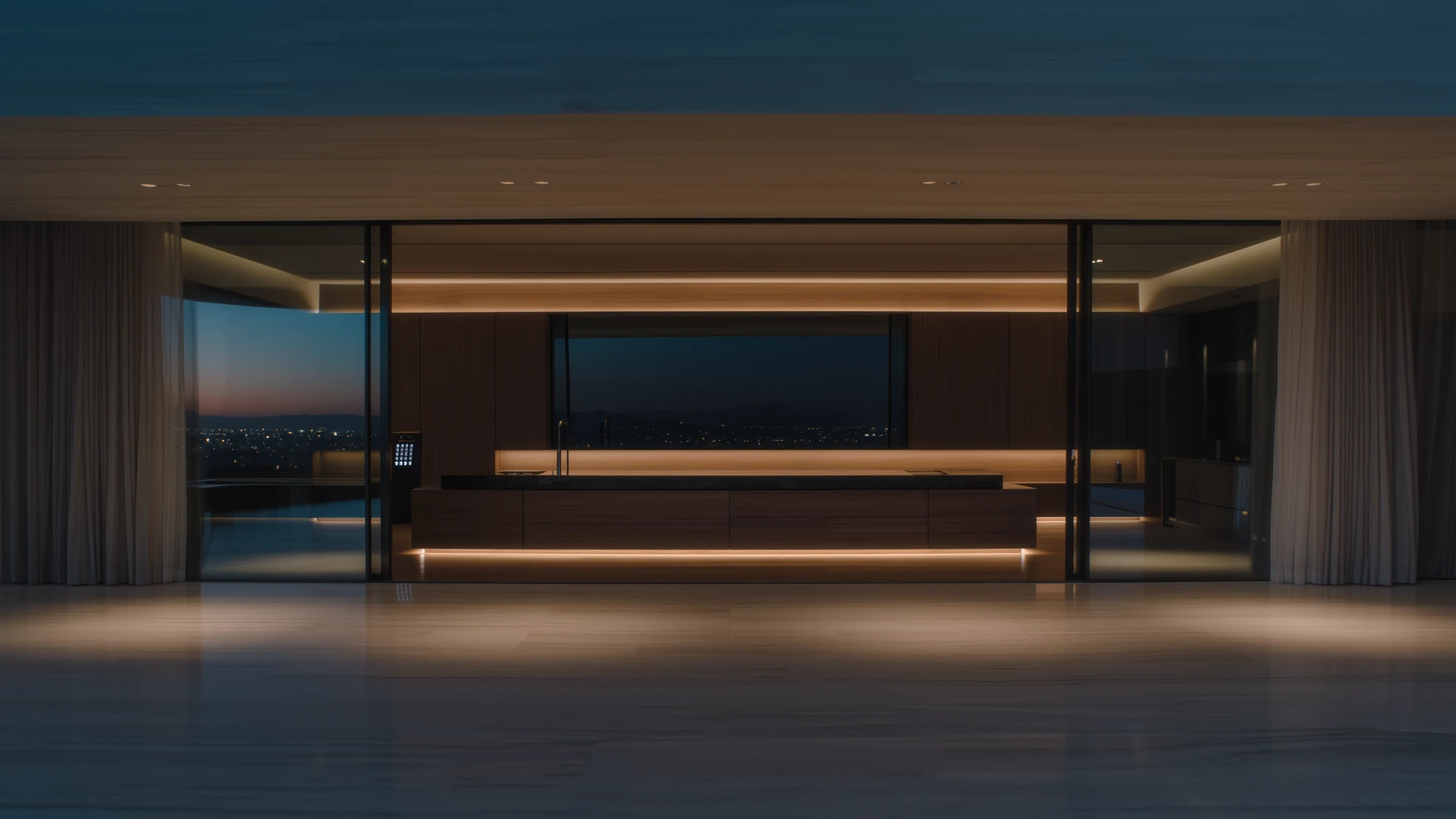
The Smart Home Revolution: Integrating Cutting-Edge Technology into Luxury Residences
Beyond Gadgets: What Smart Home Actually Means in 2026 Step into any luxury property showcase today and you will hear the same buzzwords, smart home,…
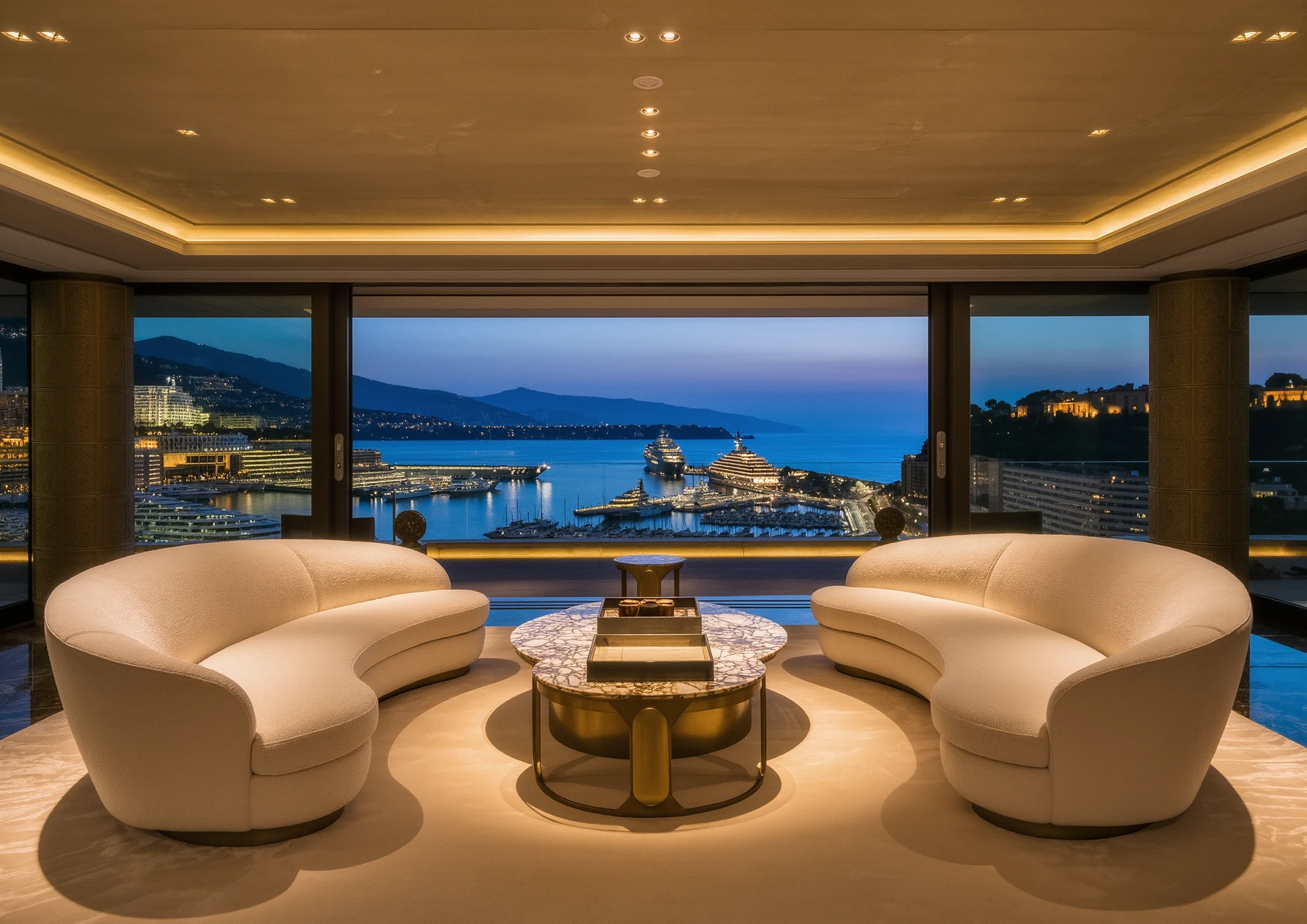
Luxxu Presents the Talie Collection: When Mid-Century Modern Meets Sculptural Design
A New Era of Luxury Design The Talie Collection by Luxxu is more than furniture, it is a sculptural statement. With a strong architectural influence, t…