The Smart Home Revolution: Integrating Cutting-Edge Technology into Luxury Residences
Beyond Gadgets: What Smart Home Actually Means in 2026 Step into any luxury property showcase today and you will hear the same buzzwords, smart home, connected living, intelligent…
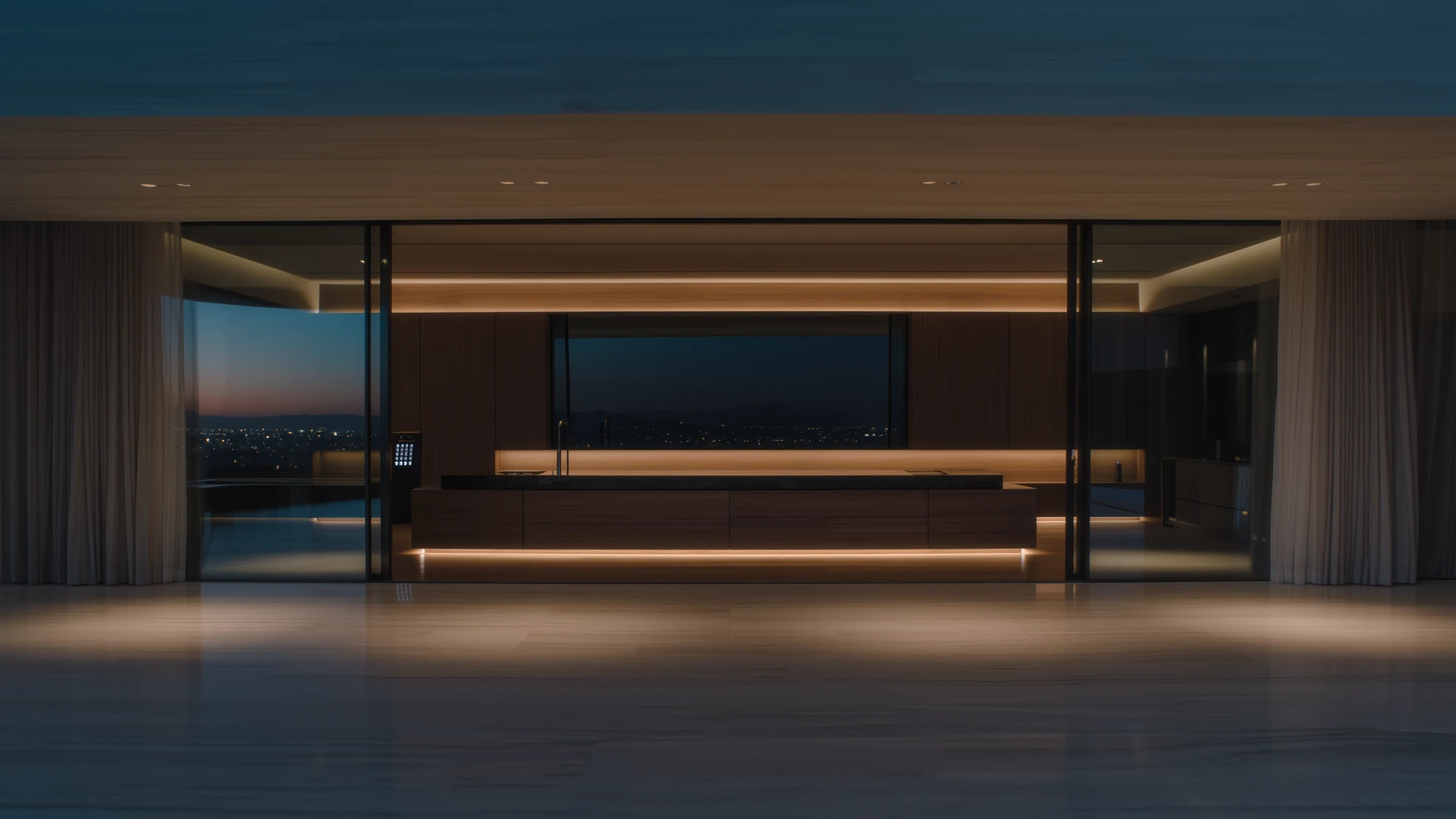
Beyond Gadgets: What Smart Home Actually Means in 2026
Step into any luxury property showcase today and you will hear the same buzzwords, smart home, connected living, intelligent automation. But peel back the marketing veneer and a genuine revolution is underway. The smart home of 2026 is not a collection of Wi-Fi light bulbs and a voice assistant that tells you the weather. It is a deeply integrated ecosystem where lighting, climate, security, entertainment, wellness, and energy management operate in concert, anticipating your needs before you articulate them.
The distinction matters. A connected home lets you turn off the lights from your phone. A smart home adjusts the lights based on the time of day, your circadian rhythm, the ambient sunlight streaming through electrochromic glass, and whether you are reading, dining, or hosting a dinner party, all without a single tap on a screen. The difference is the difference between a remote control and a butler.
For the luxury homeowner, the conversation has shifted from whether to invest in smart technology to how to do it right. Poorly integrated technology is worse than no technology at all, and at the high end, the margin for error is razor-thin. This guide walks you through every layer of a genuinely intelligent luxury residence, from the concrete and conduit that must be planned before the foundation is poured to the invisible user experience that makes it all feel like magic.
The Infrastructure Layer: What Must Be Planned Before Construction
The single most expensive mistake in luxury smart home projects is treating technology as an afterthought. Retrofitting structured cabling into a finished estate can double or triple costs, and in some cases, it is simply impossible without tearing into walls that cost more than most people’s entire renovation budget.
Structured Cabling and Networking
At the core of every reliable smart home lies a robust network backbone. Wi-Fi alone is insufficient for a luxury residence. A proper structured cabling plan includes Cat6a or Cat7 Ethernet runs to every potential device location, television positions, access point ceilings, camera mounts, motorized shade headers, gate entry points, and kitchen appliance niches. Single-mode fiber should connect the main house to outbuildings, pool houses, and guest quarters, providing future-proof bandwidth that will not need replacement for decades. Plan for at least two Ethernet drops per room, four in media spaces, and conduit runs to locations that may house technology you have not yet imagined. The incremental cost of running extra conduit during construction is negligible; the cost of opening walls later is astronomical.
Power Management and Backup
Smart homes consume power in ways traditional homes never did: and they are far more vulnerable to outages. A luxury smart residence requires a whole-house surge protection system at the main panel, dedicated circuits for the equipment rack, and a centralized uninterruptible power supply (UPS) that keeps networking gear, security systems, and essential controllers running during brief outages. For extended backup, a standby generator paired with automatic transfer switches ensures that critical systems never drop offline. Increasingly, luxury homeowners are pairing generators with battery storage systems, Tesla Powerwall, Sonnen, or custom lithium-iron-phosphate banks, that provide instant failover without the generator start-up delay.
Server Rooms and Climate Control
The days of stuffing networking gear into a basement closet are over. A dedicated, climate-controlled equipment room is non-negotiable. This space must have independent HVAC, a mini-split unit is ideal, keeping temperatures between 18bis22°C year-round. It must be dust-sealed, acoustically isolated from living spaces, and accessible for maintenance without disrupting the household. Plan for a 19-inch floor-standing rack with room for network switches, patch panels, AV receivers, matrix switchers, NVRs for surveillance, control processors, and power distribution units. Leave at least 30% empty rack space for future expansion.
The Control Systems: Choosing Your Ecosystem
The control system is the brain of the smart home: and choosing the wrong one is a seven-figure mistake. Three platforms dominate the luxury space, each with distinct strengths and trade-offs.
Crestron, Control4, Savant Compared
Crestron remains the gold standard for ultra-high-end installations. It offers near-infinite customizability, supports virtually every third-party subsystem, and powers the smart homes of heads of state and Fortune 500 CEOs. Its hardware is built to commercial-grade standards, touch panels, processors, and amplifiers that run 24/7 for decades. The trade-off is cost and complexity: Crestron systems require certified programmers, and even minor changes often involve programming fees.
Control4 occupies the upper-middle tier, more accessible than Crestron, yet capable enough for estates in the $2bis10 million range. Its strength lies in rapid deployment, an intuitive end-user interface, and a vast ecosystem of compatible third-party devices. Its subscription-based remote monitoring and support appeals to homeowners who want professional oversight without a full-time technician on staff.
Savant differentiates through its Apple-like design philosophy. Its interface is the most polished in the industry, its iOS integration is seamless, and its Savant Power energy management module is best-in-class. Savant suits the design-conscious homeowner who values aesthetics as highly as functionality. Its limitation is a somewhat smaller third-party integration catalog compared to Crestron or Control4.
When to Use Consumer Platforms
For secondary residences, pied-à-terres, or smaller luxury apartments under 200 square meters, consumer-grade platforms like Apple HomeKit or Google Home, when professionally configured with enterprise-grade networking underneath, can deliver 80% of the smart home experience at 20% of the cost. But for a primary estate exceeding 500 square meters, consumer platforms reveal their limitations quickly, device caps, limited automation logic, and lack of integration depth make them unsuitable.
Security and Privacy: The Non-Negotiable Layer
A smart home that is not secure is a liability, not an asset. The luxury homeowner faces threats that range from physical intrusion to cyberattack, and the most sophisticated systems address both with equal seriousness.
Biometric Access Control
Keys are obsolete. Modern luxury residences deploy multi-factor access control that combines biometrics, fingerprint, facial recognition, or iris scanning, with PIN codes, mobile credentials, and physical tokens. Systems from Brivo, Openpath, and Axis integrate directly with the control platform, logging every entry and exit event. For staff and service providers, time-based and zone-restricted credentials grant access only during authorized windows and only to authorized areas. The homeowner receives real-time push notifications with video stills of every access event.
AI-Powered Surveillance
Traditional CCTV is passive: it records footage for post-incident review. AI-powered surveillance is proactive. Cameras from Axis, Hanwha, and Avigilon running onboard deep-learning analytics can distinguish between a delivery driver, a landscaper, a family member, and an unknown person approaching after midnight. They detect loitering, perimeter crossing, abandoned objects, and vehicle identification, triggering automated responses that range from illumination and audio warnings to direct notification of private security or law enforcement. On-premises NVR storage with encrypted off-site backup keeps footage under the homeowner’s control, not a cloud provider’s.
Cybersecurity for the Connected Home
Every IP-connected device is a potential attack vector. A luxury smart home may have 200bis500 devices on the network and each one must be secured. The minimum standard includes a next-generation firewall, network segmentation with separate VLANs for IoT devices, guest access, management, and the primary LAN, and enterprise-grade Wi-Fi with WPA3-Enterprise authentication. Beyond the hardware, cybersecurity demands process: regular firmware updates, a documented incident response plan, and for estates with high-profile principals, an annual penetration test conducted by an external security firm.
Entertainment and Media: Cinema at Home
The dedicated home theater has evolved from a darkened room with a projector to a multi-sensory experience that rivals, and often surpasses, commercial cinemas.
Dedicated Home Theaters
A properly designed luxury home theater begins with the room itself. Acoustic treatment, bass traps, diffusion panels, and absorption, is engineered to the specific dimensions and speaker configuration. Sound isolation through decoupled walls, floating floors, and isolated ceilings ensures that an action film at reference volume does not disturb the rest of the household. The projection system, typically a native 4K or 8K laser projector from Sony, JVC, or Barco, is paired with an acoustically transparent screen that hides the front channel speakers behind the image. Audio follows one of the immersive formats: Dolby Atmos, DTS:X, or Auro-3D, with speaker counts ranging from 7.2.4 for a modest room to 15.4.8+ for a full-scale cinema.
Multi-Room Audio
Beyond the theater, whole-home audio distributes music to every zone, kitchen, dining, master suite, bathrooms, outdoor entertaining areas, pool, and gym. Systems from Sonos, Bluesound, and Autonomic provide synchronized playback or independent sources per zone. In-wall and in-ceiling speakers from Bowers & Wilkins, Meridian, Sonance, or Steinway Lyngdorf disappear into the architecture, visually invisible, acoustically present. Outdoor zones use burial-rated subwoofers and satellite speakers disguised as landscaping rocks, delivering concert-quality sound without visual intrusion.
Wellness Technology: The New Luxury
The most significant shift in luxury smart homes over the past three years has been the emergence of wellness technology as a primary design driver. Health is the new wealth, and the home is becoming an active participant in its occupants’ well-being.
Circadian Lighting Systems
Human biology is tuned to the sun. Circadian lighting mimics the natural progression of daylight by adjusting color temperature and intensity throughout the day. Morning light is cool and bright (5000K, 6500K), suppressing melatonin and promoting alertness. Evening light warms (2200K, 2700K), signaling the body to prepare for sleep. Systems from Ketra (now part of Lutron) and Lutron Ketra provide tunable white and full-spectrum fixtures that can reproduce any color temperature along the black-body curve. In a luxury context, circadian lighting is programmed per zone with astronomical time clocks that adjust sunset and sunrise triggers based on geographic latitude and season. A properly tuned circadian system improves sleep quality, cognitive performance, and overall mood.
Air and Water Purification
Indoor air quality is the invisible variable that affects everything from sleep to long-term health. Luxury residences increasingly deploy whole-home HEPA filtration integrated with the HVAC system, bipolar ionization for pathogen and mold suppression, and continuous CO₂ and VOC monitoring that triggers fresh air intake when thresholds are breached. ERV/HRV systems exchange stale indoor air for fresh outdoor air while recovering thermal energy.
Water quality receives equal attention. Whole-house reverse osmosis or activated carbon filtration at the point of entry, supplemented by UV sterilization, ensures every tap in the house delivers purified water. For drinking and cooking, dedicated under-sink systems add remineralization and alkaline pH adjustment. Smart sensors continuously monitor water quality parameters and alert the homeowner to filter changes or contamination events.
Smart Fitness and Spa Integration
The home gym has evolved into a smart wellness suite. Peloton, Tonal, Mirror, and Technogym equipment connects to the home network, tracking performance metrics and syncing with health platforms. The room itself participates: dynamic glass transitions from clear to frosted for privacy, immersive audiovisual systems transform the space, and climate control adjusts based on workout intensity. Adjacent spa areas, steam rooms, saunas, cold plunges, and hydrotherapy pools, are controlled through the same interface with automated chemical monitoring, chromotherapy lighting, and integrated audio.
Energy Independence: Solar, Storage, and Smart Grids
Energy independence has moved from an environmental aspiration to a financial and resilience imperative. A luxury smart home with rooftop solar, battery storage, and intelligent load management can operate off-grid indefinitely, and sell excess power back to the utility during peak pricing.
Modern solar deployments use bifacial panels and microinverters that optimize output at the individual panel level. Battery storage, ranging from 40 kWh to over 200 kWh in large estates, buffers production against consumption. The intelligence layer uses predictive algorithms that factor in weather forecasts, time-of-use electricity rates, and historical consumption patterns to decide in real time whether to store, consume, or sell energy. When grid prices spike, the system automatically sheds non-essential loads and powers the home from batteries.
The Art of Invisible Technology
The highest compliment a luxury smart home can receive is that its technology is invisible. Visitors should feel the comfort, the ambience, the effortless perfection of every environmental parameter, without seeing a single wire, touch panel, or speaker grille that draws attention to itself.
Achieving invisibility requires collaboration between the technology integrator and the interior designer from the earliest planning stages. In-wall touch panels are flush-mounted and finished to match surrounding millwork. Motorized blinds and curtains have their mechanisms concealed within ceiling pockets or custom valances. Speakers are installed behind acoustically transparent fabric, plaster, or even artwork. Wi-Fi access points are ceiling-recessed and painted to disappear. Motion and occupancy sensors are the size of a coin and recessed into drywall.
Control interfaces follow the same philosophy. The best systems require the homeowner to interact less, not more. Presence detection triggers welcome scenes on arrival. Schedule-based automation handles daily rhythms. Voice control handles ad-hoc requests. Physical interfaces, when they exist at all, are reduced to a few elegantly designed keypads with engraved buttons for the handful of scenes that matter most: Welcome, Away, Entertain, Sleep.
Working with Systems Integrators
A luxury smart home is not a do-it-yourself project: it is a complex engineering endeavor that demands specialized expertise. The systems integrator is the general contractor of technology, responsible for design, specification, installation, programming, commissioning, and ongoing support.
Choosing the right integrator is the single most consequential decision in a smart home project. Look for firms with certifications from the major platforms, Crestron Certified Programmer, Control4 Pinnacle Dealer, Savant Authorized Integrator, and a portfolio of completed projects at a similar scale. The integrator should be brought in before the architect finalizes plans. Technology infrastructure, conduit pathways, equipment room location, power requirements, HVAC load calculations, has architectural implications that are expensive to retrofit.
Equally important is the ongoing service agreement. Smart homes require maintenance, firmware updates, battery replacements, seasonal programming adjustments. The best integrators offer remote monitoring with proactive alerting and annual preventative maintenance visits. A luxury smart home is a living system, not a one-time installation.
What a Full Smart Home Actually Costs
Let us address the question every homeowner asks first: what does this actually cost? Realistic ranges have emerged across the industry:
- Entry-Level Luxury ($75,000, $150,000): A well-networked apartment or smaller home with Control4, distributed audio in 6bis8 zones, motorized shades in primary rooms, basic surveillance, and a modest home theater. Suitable for properties up to $2 million.
- Mid-Tier Luxury ($200,000, $500,000): A full Crestron or Savant deployment in a 500bis1,000 sq m home, with 12bis16 audio zones, a dedicated theater, comprehensive surveillance, automated lighting throughout, motorized treatments on all windows, and integrated climate control. Typical for properties in the $3bis8 million range.
- Full-Scale Estate ($750,000, $2,000,000+): Complete automation across a large primary residence plus guest house, pool house, and grounds. Crestron throughout, 20+ audio zones, Dolby Atmos reference theater, enterprise-grade networking and cybersecurity, biometric access, AI surveillance, wellness integration, and energy management. Typical for properties exceeding $15 million.
These figures encompass hardware, cabling, programming, commissioning, and project management. Annual maintenance and service agreements typically run 5bis10% of the initial installation cost per year.
Future-Proofing: What’s Coming Next
The pace of innovation in smart home technology is accelerating. Several technologies on the horizon will reshape luxury residences within the next five years:
Matter and Thread, the new interoperability standards backed by Apple, Google, Amazon, and Samsung, promise to eliminate the platform lock-in that has historically plagued smart home investments. Devices certified for Matter will work across ecosystems, reducing dependency on any single vendor.
AI-driven predictive automation is moving from science fiction to reality. Systems that learn occupant patterns, wake times, preferred temperatures, lighting preferences by activity, and adjust proactively without explicit programming are already appearing in high-end Crestron and Control4 deployments.
Digital twins, real-time virtual replicas of the physical home, will enable integrators to simulate changes, diagnose problems, and optimize performance remotely, transforming maintenance from reactive to predictive.
Millimeter-wave presence detection will replace traditional PIR motion sensors, providing room-level occupancy data precise enough to count individuals and detect breathing, enabling safety monitoring for elderly residents and hyper-personalized environmental adjustments.
Your Smart Home Project Roadmap
Building a luxury smart home is a journey measured in years, not months. Following a structured roadmap reduces risk, controls costs, and ensures the finished home delivers on its promise:
- Define Your Vision (Months 1bis2): Work with your integrator to articulate what smart means to you. Which experiences matter most? Cinema? Wellness? Security? Energy independence? Prioritize ruthlessly, you can always expand later, but the infrastructure must support your priorities from day one.
- Select Your Integrator (Month 2): Interview at least three firms. Check references. Visit completed projects. The integrator relationship will span years; choose for expertise, communication style, and long-term stability.
- Design and Engineer (Months 3bis6): The integrator produces detailed documentation, system architecture, device schedules, cable run lists, rack elevations, and programming specifications. This documentation is reviewed with the architect, interior designer, and general contractor to resolve conflicts before construction begins.
- Rough-In (During Construction): Cabling, conduit, back boxes, and mounting brackets are installed before drywall. This is the point of no return, verify every location before the walls close.
- Trim and Install (Post Drywall): Devices are mounted, racks are populated, and terminations are completed and tested.
- Programming and Commissioning (4bis8 Weeks): The integrator programs the control system, calibrates audio and video, tunes lighting scenes, and configures automation logic. This is the most time-intensive phase.
- Client Training and Handover (1bis2 Weeks): The integrator walks you through every system, provides written user guides, and records training sessions for future reference.
- Ongoing Service (Year-Round): Remote monitoring, annual maintenance, and a service agreement keep the system running at peak performance. A smart home is never truly finished, it evolves with technology and with your needs.
Explore more lifestyle insights at laxary.com/topics/living/ and luxury real estate perspectives at laxary.com/topics/real-estate/.
More from Living
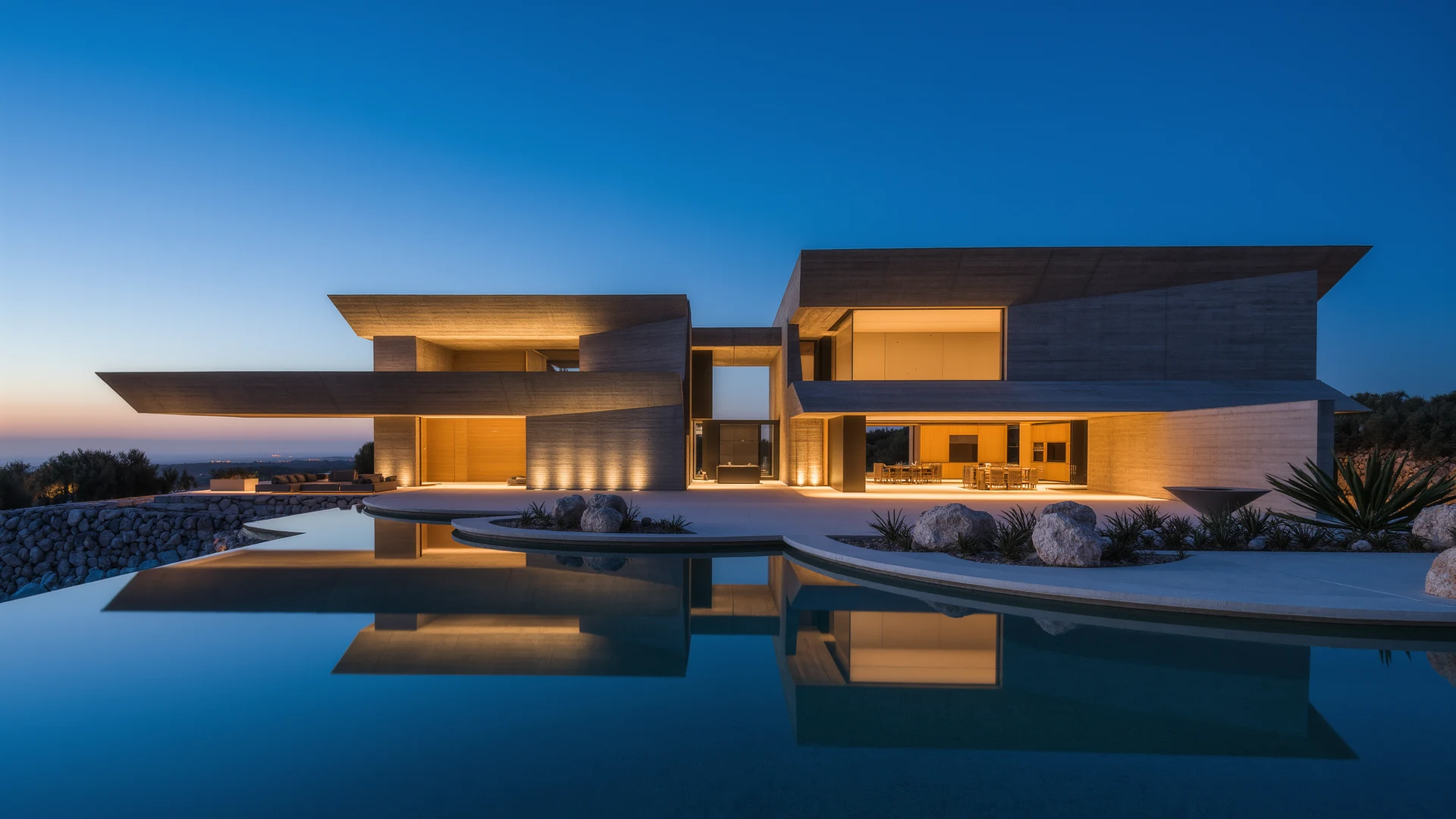
Luxury Home Architecture & Design: The Complete Guide
The complete luxury home design guide: architectural styles, 2026 interior trends, smart-home tech, sustainable systems, kitchens, baths, lighting and…
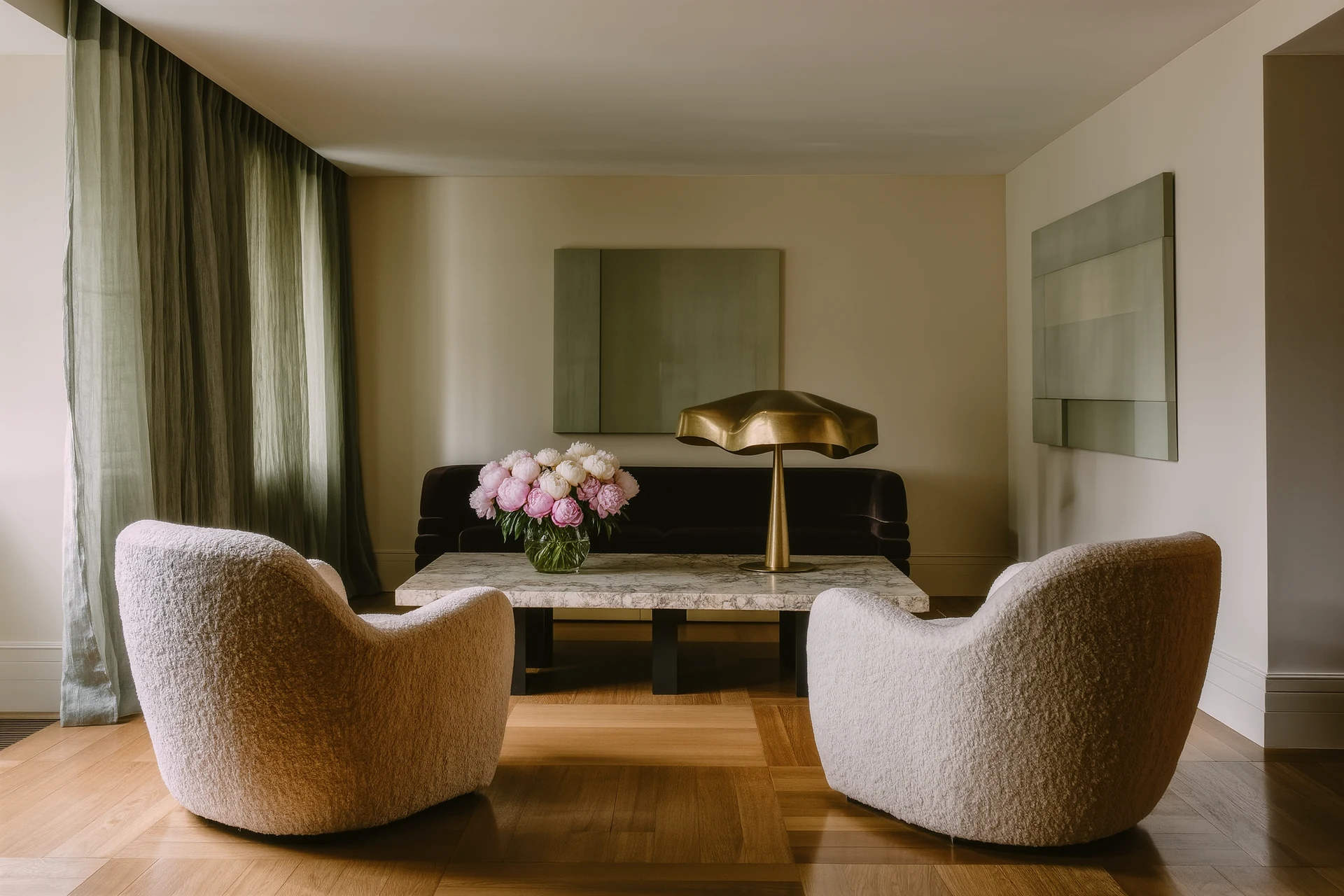
Luxury Interior Design: The Complete Guide to Creating Your Dream Home
Why Interior Design Defines Luxury Living Luxury is no longer defined simply by square footage or a prestigious postcode. True luxury is a feeling, a…
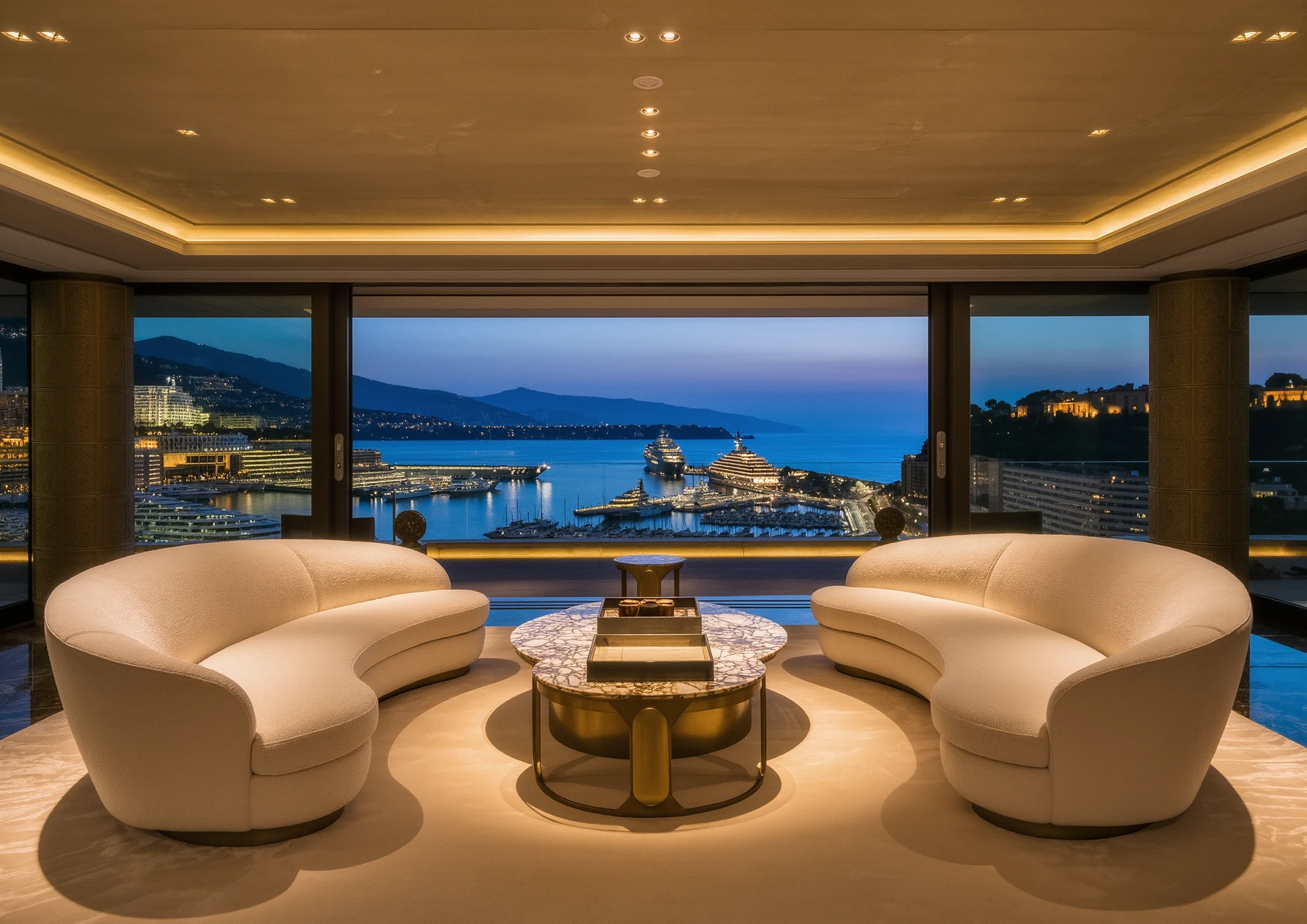
Luxxu Presents the Talie Collection: When Mid-Century Modern Meets Sculptural Design
A New Era of Luxury Design The Talie Collection by Luxxu is more than furniture, it is a sculptural statement. With a strong architectural influence, t…