Magazine
Contemporary Luxury: Inside Berlin’s Cutting-Edge Boutique Hotels
Berlin, the capital city of Germany, is known for its vibrant culture, rich history, and thriving tourism industry. As the city continues to attract millions of visitors each year,…
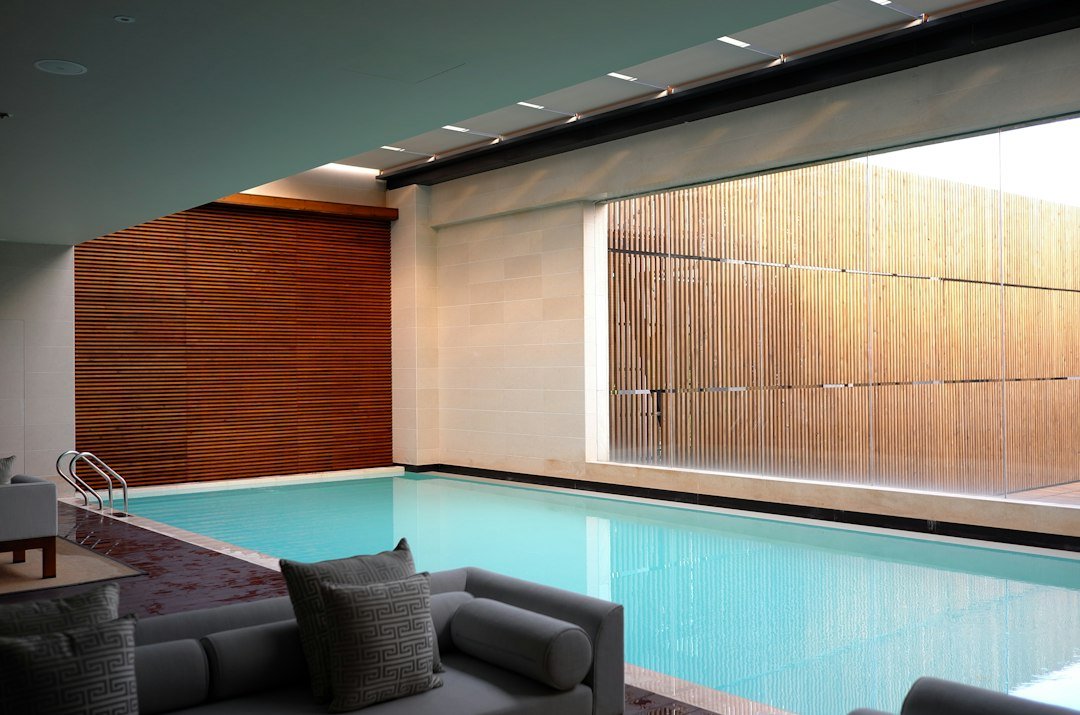
Berlin, the capital city of Germany, is known for its vibrant culture, rich history, and thriving tourism industry. As the city continues to attract millions of visitors each year, the hotel industry has experienced significant growth and development. Among the various types of accommodations available in Berlin, boutique hotels have emerged as a popular choice for travelers seeking a unique and personalized experience.
Boutique hotels are characterized by their intimate size, stylish design, and attention to detail. Unlike large chain hotels, boutique hotels offer a more personalized and intimate atmosphere, often with fewer rooms and a focus on individualized service. These hotels are typically located in trendy neighborhoods and offer a range of amenities and features that cater to the needs and preferences of discerning travelers.
In Berlin, boutique hotels play a crucial role in the city’s tourism industry. They provide an alternative to traditional hotel accommodations and offer guests a chance to immerse themselves in the local culture and atmosphere. With their unique designs, personalized service, and attention to detail, boutique hotels contribute to the overall appeal of Berlin as a destination for travelers seeking an authentic and memorable experience.
The Rise of Contemporary Luxury Hotels in Berlin
The rise of contemporary luxury hotels in Berlin can be traced back to the city’s historical background and its transformation into a global cultural hub. After the fall of the Berlin Wall in 1989, the city experienced a period of rapid development and urban renewal. This led to an influx of tourists and an increased demand for high-quality accommodations.
As Berlin became known for its vibrant arts scene, cutting-edge architecture, and innovative design, luxury hotels began to emerge to cater to the growing number of affluent travelers seeking a unique and luxurious experience. These contemporary luxury hotels combine modern design with historical elements, creating a distinctive aesthetic that reflects the city’s rich history and cultural heritage.
Several factors have contributed to the rise of luxury hotels in Berlin. The city’s central location in Europe, its well-connected transportation system, and its reputation as a cultural and business hub have made it an attractive destination for both leisure and business travelers. Additionally, the city’s commitment to sustainable development and its focus on innovation and creativity have attracted investors and developers who are eager to create unique and luxurious accommodations.
Design and Architecture: A Key Element in Berlin’s Boutique Hotels
Design and architecture play a crucial role in the success of boutique hotels in Berlin. These hotels are known for their unique and innovative designs, which often reflect the city’s history, culture, and artistic heritage. From converted industrial buildings to modern glass structures, Berlin’s boutique hotels showcase a wide range of architectural styles that contribute to the overall guest experience.
One example of a unique design in Berlin’s boutique hotel scene is the Michelberger Hotel. Housed in a converted factory building, the hotel features an industrial-chic aesthetic with exposed brick walls, concrete floors, and vintage furniture. The design reflects the city’s history as an industrial powerhouse while also providing a stylish and comfortable environment for guests.
Another example is the Hotel Zoo Berlin, which combines historical elements with contemporary design. The hotel is located in a former zoo director’s mansion and features a mix of Art Deco and modern design elements. The interior design incorporates luxurious materials, such as marble and velvet, creating an elegant and sophisticated atmosphere.
Design and architecture enhance the guest experience by creating a unique and memorable environment. The attention to detail, use of high-quality materials, and thoughtful layout contribute to a sense of luxury and comfort. Guests are able to immerse themselves in the atmosphere of the hotel, creating a more immersive and personalized experience.
Room Amenities and Features: The Epitome of Comfort and Style
In addition to their unique designs, boutique hotels in Berlin offer a range of luxurious amenities and features that contribute to guest satisfaction. These amenities and features are designed to provide the epitome of comfort and style, ensuring that guests have a memorable and enjoyable stay.
One common feature in boutique hotels is the use of high-quality bedding and linens. Guests can expect to find plush mattresses, soft pillows, and luxurious sheets that provide a restful and comfortable sleep experience. Additionally, many boutique hotels offer a range of room sizes and configurations to cater to the needs of different travelers, whether they are solo adventurers or families.
Another important amenity in boutique hotels is the bathroom. Many boutique hotels in Berlin feature spacious bathrooms with modern fixtures, rain showers, and luxurious bath products. These amenities create a spa-like experience for guests, allowing them to relax and rejuvenate after a long day of exploring the city.
In terms of technology, boutique hotels in Berlin often offer state-of-the-art amenities such as smart TVs, high-speed internet access, and wireless charging stations. These amenities allow guests to stay connected and entertained during their stay, enhancing their overall experience.
Dining and Drinking: A Culinary Journey in Berlin’s Boutique Hotels
Dining and drinking options are an integral part of the guest experience in Berlin’s boutique hotels. These hotels often feature unique and innovative culinary experiences that showcase the city’s vibrant food scene.
Many boutique hotels in Berlin have their own on-site restaurants that offer a range of dining options, from casual cafes to fine dining establishments. These restaurants often focus on using locally sourced ingredients and showcasing regional flavors. Guests can enjoy a culinary journey through Berlin’s diverse cuisine without leaving the comfort of their hotel.
One example of a unique dining experience in Berlin’s boutique hotel scene is the Neni restaurant at the 25hours Hotel Bikini Berlin. The restaurant offers a fusion of Middle Eastern and Mediterranean flavors, with dishes such as hummus, falafel, and shakshuka. The restaurant also features panoramic views of the city, providing guests with a memorable dining experience.
Another example is the Grace restaurant at the Hotel Zoo Berlin, which offers a modern European menu with a focus on seasonal and locally sourced ingredients. The restaurant features an elegant and stylish interior design, creating a sophisticated atmosphere for guests to enjoy their meals.
Dining and drinking options in boutique hotels contribute to the overall guest experience by providing a unique and memorable culinary journey. Guests can explore the flavors of Berlin and experience the city’s vibrant food scene without having to venture far from their hotel.
Wellness and Spa: A Haven of Relaxation and Rejuvenation
Wellness and spa services are another important aspect of the guest experience in Berlin’s boutique hotels. These hotels often offer luxurious wellness facilities, such as spas, fitness centers, and swimming pools, where guests can relax and rejuvenate during their stay.
Many boutique hotels in Berlin feature on-site spas that offer a range of treatments and therapies, such as massages, facials, and body wraps. These spas often incorporate natural and organic products, creating a holistic and rejuvenating experience for guests. Additionally, some boutique hotels offer fitness centers with state-of-the-art equipment, allowing guests to maintain their fitness routine while traveling.
One example of a luxurious wellness facility in Berlin’s boutique hotel scene is the ONO Spa at the Mandala Hotel. The spa offers a range of treatments inspired by Asian healing traditions, such as Thai massages and Ayurvedic therapies. The spa also features a rooftop terrace with panoramic views of the city, providing guests with a tranquil and serene environment.
Another example is the Liquidrom at the Hotel Q! Berlin, which features a unique saltwater pool with underwater music and light therapy. Guests can relax in the warm saltwater pool while listening to soothing music and enjoying the therapeutic effects of light therapy.
Wellness and spa services contribute to guest satisfaction by providing a haven of relaxation and rejuvenation. Guests can escape from the hustle and bustle of the city and indulge in a range of treatments and therapies that promote physical and mental well-being.
Technology and Connectivity: The Latest Innovations in Boutique Hotel Services
Technology and connectivity services are an important aspect of the guest experience in Berlin’s boutique hotels. These hotels often offer innovative technology solutions that enhance the overall guest experience and provide convenience and comfort.
Many boutique hotels in Berlin offer high-speed internet access, allowing guests to stay connected and productive during their stay. Additionally, some hotels provide wireless charging stations in guest rooms and public areas, ensuring that guests can easily charge their devices without the need for cables or adapters.
One example of innovative technology in Berlin’s boutique hotel scene is the use of mobile apps for check-in and check-out processes. Guests can download the hotel’s app and complete the check-in process before arrival, saving time and reducing the need for physical contact at the front desk. Additionally, some hotels offer virtual concierge services through their apps, allowing guests to request services or make reservations without having to speak to a staff member.
Another example is the use of smart room controls in guest rooms. Guests can control various aspects of their room, such as lighting, temperature, and entertainment systems, through a mobile app or voice commands. This technology provides convenience and customization, allowing guests to create a personalized environment that suits their preferences.
Technology and connectivity services enhance the guest experience by providing convenience, comfort, and customization. Guests can stay connected, control their environment, and access hotel services with ease, creating a seamless and enjoyable stay.
Sustainability and Social Responsibility: A Commitment to the Environment and Community
Sustainability and social responsibility practices are becoming increasingly important in Berlin’s boutique hotel scene. These hotels are committed to minimizing their environmental impact and contributing to the local community in a positive way.
Many boutique hotels in Berlin have implemented sustainable practices such as energy-efficient lighting, water-saving fixtures, and recycling programs. Some hotels also source their food and products from local suppliers, reducing their carbon footprint and supporting the local economy. Additionally, some hotels have implemented green initiatives such as rooftop gardens and beekeeping programs, further promoting sustainability and biodiversity.
In terms of social responsibility, many boutique hotels in Berlin are actively involved in community initiatives and support local charities and organizations. Some hotels offer employment opportunities to disadvantaged individuals or provide training programs for young people interested in the hospitality industry. Additionally, some hotels organize cultural events and exhibitions that showcase local artists and promote the city’s cultural heritage.
Sustainability and social responsibility practices contribute to the overall guest experience by providing a sense of purpose and authenticity. Guests can feel good about staying in a hotel that is committed to making a positive impact on the environment and the community.
Location and Surroundings: Exploring Berlin’s Vibrant Neighborhoods and Attractions
The location and surroundings of boutique hotels in Berlin are an important aspect of the guest experience. These hotels are often located in vibrant neighborhoods that offer a range of attractions, restaurants, and cultural sites for guests to explore.
Berlin is known for its diverse neighborhoods, each with its own unique character and atmosphere. From the trendy streets of Mitte to the bohemian vibes of Kreuzberg, guests can choose a boutique hotel that is located in a neighborhood that suits their preferences and interests.
One example of a boutique hotel located in a vibrant neighborhood is the Soho House Berlin, which is situated in the trendy Mitte district. The hotel is surrounded by art galleries, boutiques, and restaurants, allowing guests to immerse themselves in the city’s creative scene. Additionally, the hotel offers exclusive access to its rooftop pool and members-only club, providing a unique and luxurious experience for guests.
Another example is the Sir Savigny Hotel, which is located in the upscale Charlottenburg district. The hotel is surrounded by elegant boutiques, art galleries, and Michelin-starred restaurants, providing guests with a taste of Berlin’s sophisticated side. Additionally, the hotel is within walking distance of the famous Kurfürstendamm shopping street and the iconic Charlottenburg Palace.
The location and surroundings of boutique hotels contribute to the guest experience by allowing guests to explore and experience the vibrant culture and atmosphere of Berlin. Guests can immerse themselves in the local neighborhood, discover hidden gems, and create lasting memories.
Guest Experience and Service: The Heart and Soul of Berlin’s Boutique Hotels
At the heart of Berlin’s boutique hotel scene is the guest experience and service. These hotels are known for their personalized and attentive service, which creates a warm and welcoming atmosphere for guests.
Boutique hotels in Berlin often have a smaller number of rooms compared to larger chain hotels. This allows the staff to provide a more personalized and individualized service, catering to the unique needs and preferences of each guest. From personalized welcome notes to customized recommendations for local attractions and restaurants, boutique hotels go above and beyond to ensure that guests have a memorable and enjoyable stay.
One example of exceptional guest experience and service in Berlin’s boutique hotel scene is the Hotel Oderberger. The hotel is housed in a former public swimming pool building and features a range of unique amenities, such as a rooftop pool and a Finnish sauna. The staff at the hotel are known for their friendly and attentive service, ensuring that guests feel welcome and well taken care of during their stay.
Another example is the Das Stue Hotel, which is located in a former embassy building overlooking the Berlin Zoo. The hotel offers luxurious rooms with panoramic views of the city, as well as a range of amenities such as a spa, fitness center, and on-site restaurant. The staff at the hotel are known for their professionalism and attention to detail, creating a seamless and enjoyable experience for guests.
Guest experience and service are the heart and soul of boutique hotels in Berlin. The personalized and attentive service provided by the staff creates a warm and welcoming atmosphere, ensuring that guests feel valued and well taken care of during their stay.
Conclusion:
In conclusion, boutique hotels play a crucial role in Berlin’s tourism industry, offering a unique and personalized experience for travelers. The rise of contemporary luxury hotels in Berlin can be attributed to the city’s historical background, its transformation into a global cultural hub, and its commitment to sustainable development and innovation.
Design and architecture are key elements in Berlin’s boutique hotel scene, with hotels showcasing unique and innovative designs that reflect the city’s history and culture. Room amenities and features provide the epitome of comfort and style, while dining and drinking options offer a culinary journey through Berlin’s vibrant food scene. Wellness and spa services provide a haven of relaxation and rejuvenation, while technology and connectivity enhance the guest experience with innovative solutions.
Sustainability and social responsibility practices contribute to the overall guest experience by promoting environmental conservation and supporting the local community. The location and surroundings of boutique hotels allow guests to explore Berlin’s vibrant neighborhoods and attractions, while exceptional guest experience and service create a warm and welcoming atmosphere.
As Berlin’s tourism industry continues to grow, the future of the city’s boutique hotel scene looks promising. With their unique designs, personalized service, and commitment to sustainability, boutique hotels will continue to attract discerning travelers seeking an authentic and memorable experience in the heart of Berlin.
◦ Good to know
What distinguishes a boutique hotel in Berlin from a large chain hotel?
Boutique hotels are defined by their intimate size, stylish design and meticulous attention to detail. With fewer rooms, they offer a more personalised, individualised service and are typically set in trendy neighbourhoods. This lets guests immerse themselves in local culture and atmosphere for a more authentic, memorable stay.
How does design and architecture shape Berlin's boutique hotels?
Design is central, often reflecting Berlin's history and artistic heritage. The Michelberger Hotel occupies a converted factory with industrial-chic exposed brick and concrete, while the Hotel Zoo Berlin, set in a former zoo director's mansion, blends Art Deco with modern elements, using marble and velvet for an elegant, sophisticated atmosphere.
What dining experiences do Berlin's boutique hotels offer?
Many feature on-site restaurants championing locally sourced ingredients and regional flavours. At the 25hours Hotel Bikini Berlin, Neni serves Middle Eastern and Mediterranean dishes such as hummus and shakshuka alongside panoramic city views, while the Hotel Zoo Berlin's Grace restaurant offers a modern European menu in an elegant setting.
More in
More from Magazine
Magazine · 28 min
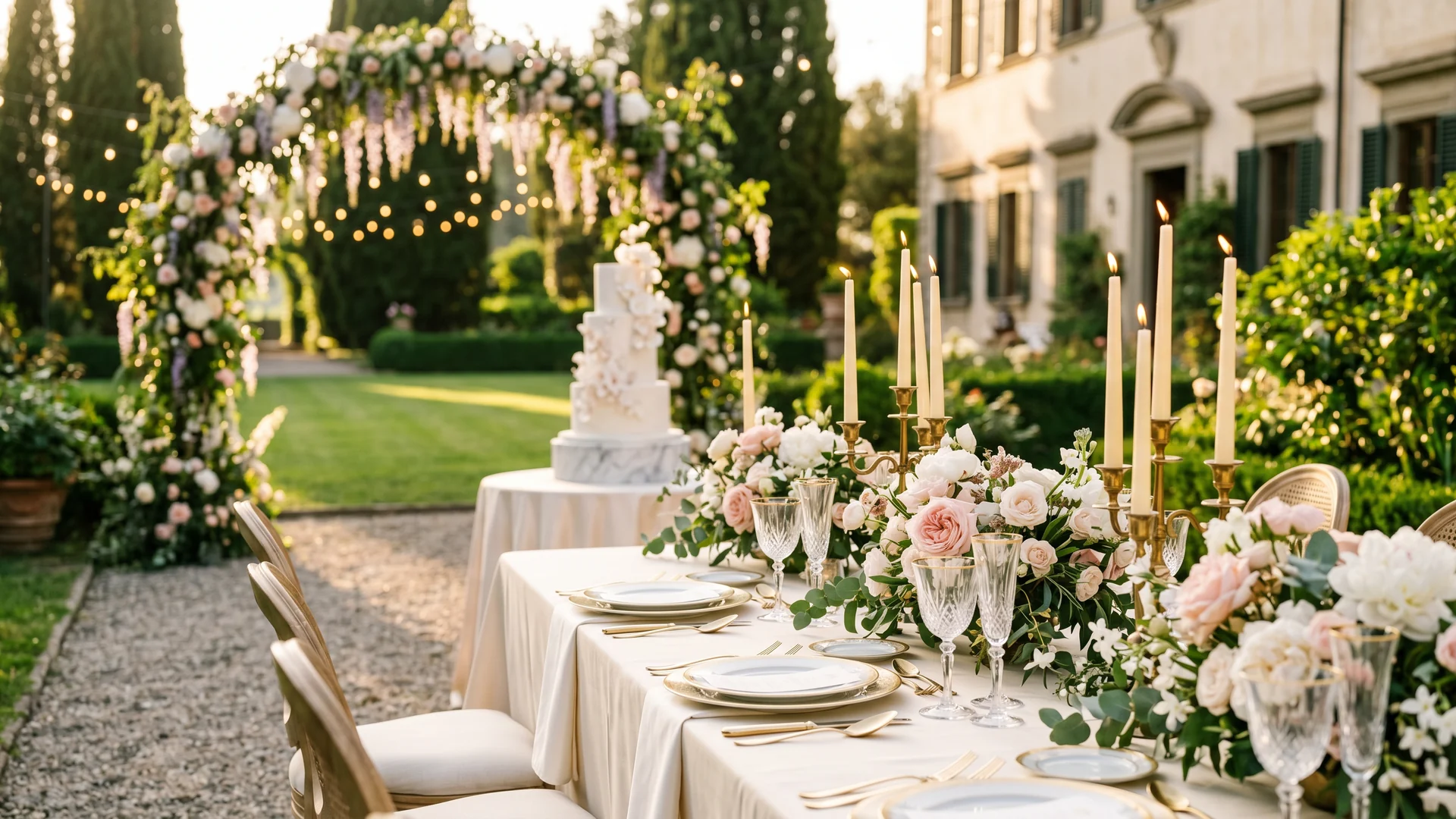
Luxury Wedding Planning: The Ultimate Guide
Luxury wedding planning guide: top destination venues, couture bridal designers, Michelin catering, headline entertainment and elite planners for a fl…
Magazine · 29 min
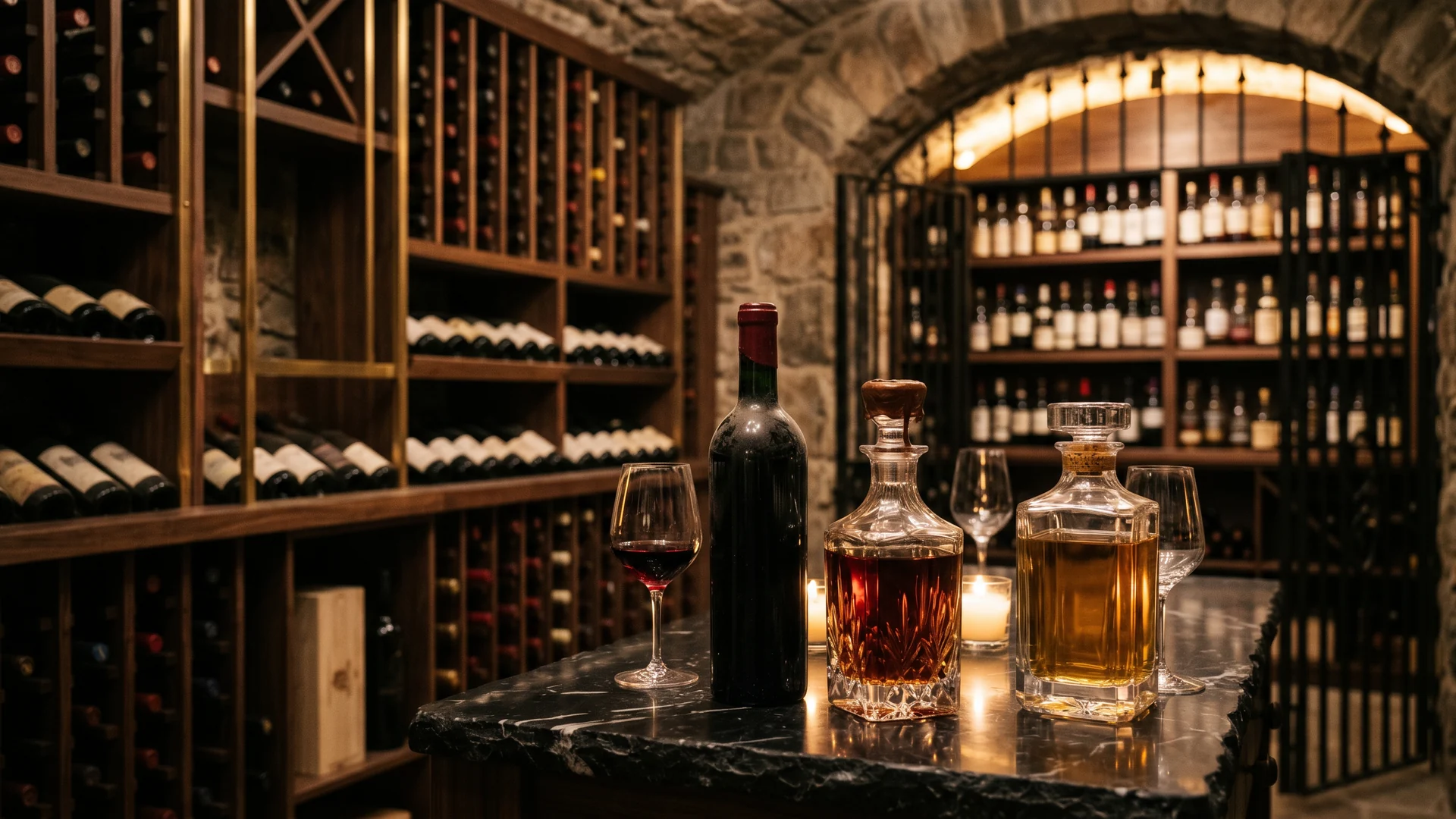
Luxury Wine & Spirits Collecting: The Complete Guide
Luxury wine and spirits collecting guide: how to evaluate investment-grade Bordeaux, Burgundy, Champagne and rare whisky, plus auctions, storage and r…
Magazine · 32 min
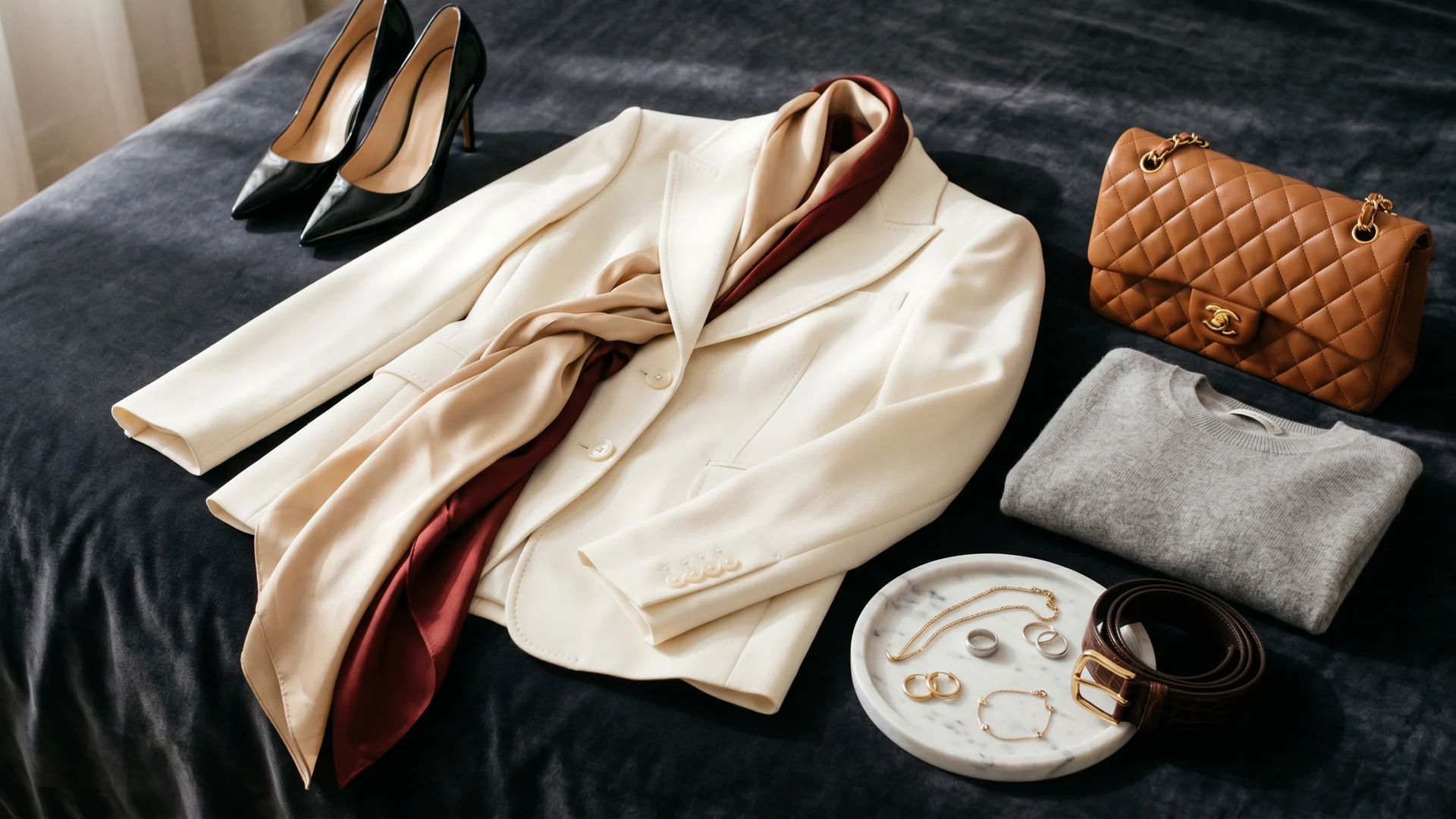
Luxury Fashion: The Complete Style Guide
The complete luxury fashion style guide: bespoke tailoring, haute couture, heritage maisons like Hermes and Chanel, 2026 trends, investment bags and s…