Magazine · Magazine
Danish Design Delights: Exploring Copenhagen’s Luxury Furniture and Homeware
Danish design has long been revered for its simplicity, functionality, and timeless elegance. The origins of Danish design can be traced back to the early 20th century when a group…
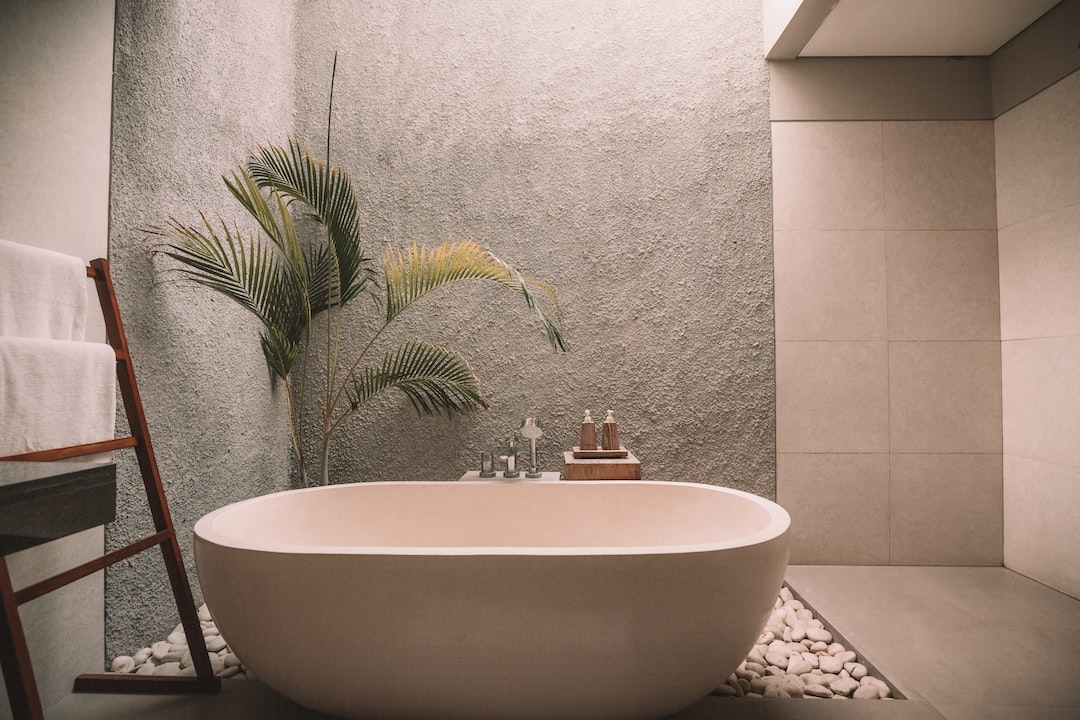
Danish design has long been revered for its simplicity, functionality, and timeless elegance. The origins of Danish design can be traced back to the early 20th century when a group of architects and designers sought to create a new aesthetic that was rooted in the principles of modernism. This movement, known as the Danish Modern, was characterized by clean lines, organic forms, and a focus on craftsmanship.
One of the key figures in the development of Danish design was architect and designer Kaare Klint. Klint believed that design should be based on the principles of functionality and practicality, and he sought to create furniture that was both beautiful and useful. His designs were characterized by their clean lines, use of natural materials, and attention to detail.
Another influential figure in Danish design was Arne Jacobsen. Jacobsen was an architect and designer who is best known for his iconic Egg chair, which was designed for the SAS Royal Hotel in Copenhagen. His designs were characterized by their simplicity, elegance, and attention to detail.
Uncovering the Unique Characteristics of Danish Design
One of the defining characteristics of Danish design is its minimalism and simplicity. Danish designers believe in stripping away unnecessary ornamentation and focusing on clean lines and simple forms. This minimalist approach creates a sense of calm and tranquility in a space, allowing the beauty of the design to shine through.
Functionality and practicality are also key elements of Danish design. Danish designers believe that furniture should not only be beautiful but also serve a purpose. They strive to create pieces that are not only aesthetically pleasing but also functional and practical for everyday use.
The use of natural materials is another hallmark of Danish design. Danish designers have a deep appreciation for the beauty and warmth of natural materials such as wood, leather, and wool. These materials are often used in their raw form, allowing their natural textures and colors to shine through.
Attention to craftsmanship and detail is also a defining characteristic of Danish design. Danish designers take great pride in their work and strive for perfection in every detail. Whether it’s a perfectly executed joint or a meticulously crafted piece of hardware, Danish designers believe that every element of a design should be carefully considered and executed with precision.
Exploring Copenhagen’s Top Luxury Furniture and Homeware Stores
Copenhagen is known for its vibrant design scene, with numerous luxury furniture and homeware stores that showcase the best of Danish design. One of the top stores to visit is Hay House, which offers a curated selection of furniture, lighting, and accessories from both established and up-and-coming Danish designers. The store is known for its minimalist aesthetic and focus on quality craftsmanship.
Another must-visit store in Copenhagen is Normann Copenhagen. This store offers a wide range of contemporary furniture, lighting, and accessories that embody the principles of Danish design. Normann Copenhagen is known for its innovative designs and use of bold colors, making it a favorite among design enthusiasts.
If you’re looking for unique and one-of-a-kind pieces, then Studio Oliver Gustav is the place to go. This boutique store offers a carefully curated selection of furniture, art, and objects that reflect the best of Danish design. The store is known for its attention to detail and commitment to showcasing the work of local artisans.
The Best Danish Design Brands to Look Out For
Denmark is home to many renowned design brands that have made a significant impact on the world of design. One such brand is Fritz Hansen, which is known for its iconic Egg chair designed by Arne Jacobsen. Fritz Hansen’s designs are characterized by their timeless elegance and attention to detail.
Another top Danish design brand is Muuto, which focuses on creating contemporary furniture, lighting, and accessories that embody the principles of Scandinavian design. Muuto’s designs are characterized by their clean lines, use of natural materials, and focus on functionality.
Skagerak is another Danish design brand that is worth mentioning. This brand specializes in outdoor furniture and accessories that are designed to withstand the elements while still maintaining a sense of style. Skagerak’s designs are characterized by their simplicity, durability, and use of sustainable materials.
The Role of Sustainability in Danish Design
Denmark has long been committed to sustainability and environmental responsibility, and this commitment is reflected in Danish design. Many Danish designers and brands prioritize sustainability in their design practices, using materials that are eco-friendly and production methods that minimize waste.
One example of sustainable design practices in Danish design is the use of recycled materials. Many designers are incorporating recycled materials into their designs, such as recycled plastic or reclaimed wood. This not only reduces waste but also gives new life to materials that would otherwise end up in landfills.
Another example of sustainable design practices in Danish design is the use of renewable energy sources. Many Danish design brands have made a commitment to using renewable energy sources in their production processes, reducing their carbon footprint and minimizing their impact on the environment.
The Art of Hygge: How Danish Design Creates Cozy Homes
One of the most well-known aspects of Danish culture is the concept of hygge. Hygge is a Danish word that roughly translates to coziness or a feeling of contentment and well-being. Danish design plays a crucial role in creating hygge in the home, with its emphasis on warmth, comfort, and creating inviting spaces.
Danish design achieves hygge through the use of natural materials such as wood, wool, and leather. These materials add warmth and texture to a space, creating a cozy and inviting atmosphere. Additionally, Danish design often incorporates soft lighting and candles, which further enhance the feeling of coziness.
Another way that Danish design creates hygge is through its focus on comfort. Danish designers prioritize creating furniture and accessories that are not only aesthetically pleasing but also comfortable to use. Whether it’s a plush sofa or a cozy blanket, Danish design ensures that every element of a space is designed with comfort in mind.
The Influence of Scandinavian Minimalism on Danish Design
Scandinavian minimalism has had a significant influence on Danish design. Scandinavian minimalism is characterized by its clean lines, simplicity, and focus on functionality. Danish designers have embraced these principles and incorporated them into their own design practices.
The influence of Scandinavian minimalism can be seen in the clean lines and simple forms of Danish furniture and accessories. Danish designers believe in stripping away unnecessary ornamentation and focusing on the essential elements of a design. This minimalist approach creates a sense of calm and tranquility in a space, allowing the beauty of the design to shine through.
Additionally, Scandinavian minimalism emphasizes functionality and practicality, which are also key elements of Danish design. Danish designers believe that furniture should not only be beautiful but also serve a purpose. They strive to create pieces that are not only aesthetically pleasing but also functional and practical for everyday use.
The Importance of Craftsmanship in Danish Design
Craftsmanship is highly valued in Danish design, with designers taking great pride in their work and striving for perfection in every detail. Danish designers believe that every element of a design should be carefully considered and executed with precision.
Craftsmanship is evident in the attention to detail that is characteristic of Danish design. Whether it’s a perfectly executed joint or a meticulously crafted piece of hardware, Danish designers pay close attention to every aspect of a design, ensuring that it is executed with the utmost care and skill.
Another way that craftsmanship is incorporated into Danish design is through the use of traditional techniques and materials. Many Danish designers continue to use traditional woodworking techniques that have been passed down through generations, ensuring that their designs are not only beautiful but also built to last.
How Danish Design is Shaping the Future of Interior Design
Danish design is having a significant impact on the future of interior design, with its emphasis on simplicity, functionality, and sustainability. Many designers and brands around the world are looking to Danish design for inspiration and incorporating its principles into their own work.
One way that Danish design is influencing the industry is through its focus on sustainability. As more and more people become aware of the environmental impact of their choices, there is a growing demand for sustainable design solutions. Danish designers and brands are at the forefront of this movement, creating innovative and eco-friendly designs that are both beautiful and sustainable.
Additionally, Danish design’s emphasis on simplicity and functionality is resonating with people who are looking to create calm and inviting spaces in their homes. The clean lines and minimalist aesthetic of Danish design have a timeless appeal that transcends trends, making it a popular choice for those who want to create spaces that are both stylish and practical.
Bringing Danish Design Home: Tips for Incorporating it into Your Own Space
If you’re inspired by Danish design and want to incorporate it into your own space, here are some practical tips to get you started:
1. Focus on clean lines and simple forms: Look for furniture and accessories that have clean lines and simple forms. Avoid excessive ornamentation or clutter, as this goes against the principles of Danish design.
2. Use natural materials: Incorporate natural materials such as wood, wool, and leather into your space. These materials add warmth and texture, creating a cozy and inviting atmosphere.
3. Pay attention to craftsmanship: Look for pieces that are well-crafted and pay attention to detail. Choose furniture and accessories that are built to last and will stand the test of time.
4. Embrace minimalism: Embrace the principles of minimalism by decluttering your space and focusing on the essential elements. Keep only what you truly need and love, and let go of anything that doesn’t serve a purpose.
5. Create a cozy atmosphere: Use soft lighting, candles, and textiles to create a cozy and inviting atmosphere. Danish design is all about creating spaces that feel warm and welcoming.
By incorporating these tips into your own space, you can bring the beauty and simplicity of Danish design into your home. Whether you choose to go all-in with a full Danish design aesthetic or simply incorporate a few key pieces, Danish design is sure to bring a sense of calm and tranquility to your space.
More in
More from Magazine
Magazine · 28 min
Luxury Wedding Planning: The Ultimate Guide
Luxury wedding planning guide: top destination venues, couture bridal designers, Michelin catering, headline entertainment and elite planners for a fl…

Magazine · 29 min
Luxury Wine & Spirits Collecting: The Complete Guide
Luxury wine and spirits collecting guide: how to evaluate investment-grade Bordeaux, Burgundy, Champagne and rare whisky, plus auctions, storage and r…
Magazine · 32 min
Luxury Fashion: The Complete Style Guide
The complete luxury fashion style guide: bespoke tailoring, haute couture, heritage maisons like Hermes and Chanel, 2026 trends, investment bags and s…