Magazine · Magazine
De Beers: The Journey of Diamonds in Luxury Jewelry
Diamonds have long been associated with luxury, beauty, and wealth. They are one of the most sought-after gemstones in the world, and their value and allure have only grown over ti…
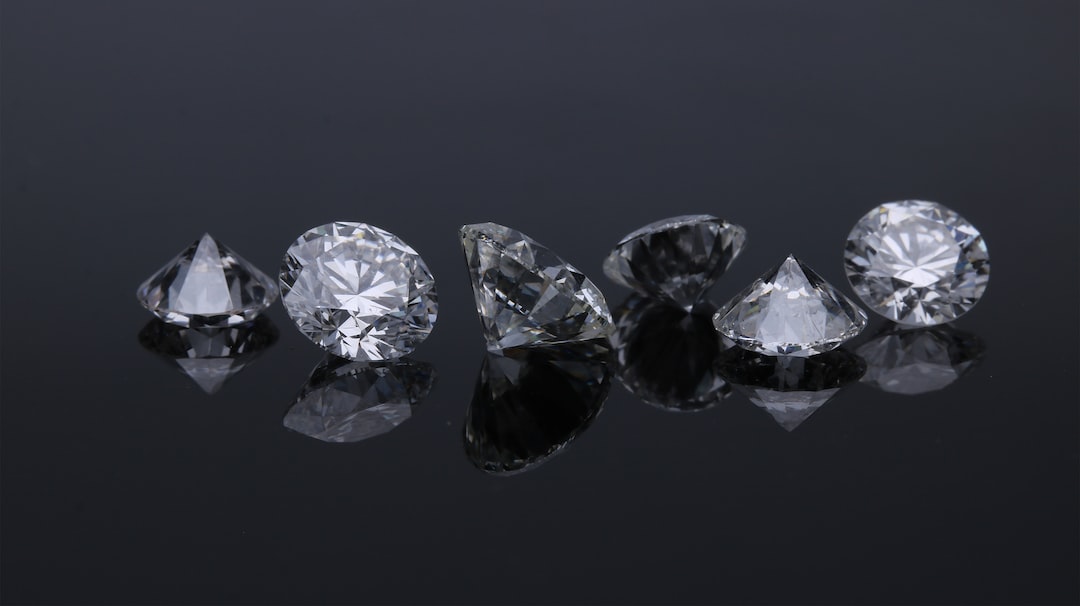
Diamonds have long been associated with luxury, beauty, and wealth. They are one of the most sought-after gemstones in the world, and their value and allure have only grown over time. In this blog post, we will explore the fascinating history and legacy of De Beers, one of the most influential companies in the diamond industry. We will also delve into the process of mining and sorting diamonds, the art of cutting and polishing them, and the importance of diamond certification and grading. Additionally, we will examine the role of De Beers in the diamond industry, the rise of diamond jewelry in luxury fashion, and the iconic De Beers diamond collection. We will also discuss the ethics and sustainability of diamond mining, the future of De Beers and the diamond industry, and the enduring appeal of diamonds in luxury jewelry.
The History and Legacy of De Beers
De Beers was founded in 1888 by Cecil Rhodes, a British businessman and politician. The company was named after the two brothers who owned the farm where diamonds were discovered in South Africa. Rhodes saw the potential for immense wealth in the diamond industry and set out to consolidate control over it. He formed a monopoly by buying up mines and establishing exclusive contracts with other diamond producers.
De Beers played a pivotal role in shaping the diamond industry as we know it today. In the early 20th century, they controlled over 90% of the world’s diamond production. They implemented various strategies to maintain their dominance, including stockpiling diamonds to control supply and creating artificial scarcity to drive up prices.
De Beers also revolutionized diamond marketing with their iconic slogan “A Diamond is Forever.” This campaign, launched in 1947, aimed to associate diamonds with eternal love and commitment. It was incredibly successful and helped solidify diamonds as a symbol of luxury and romance.
The Process of Mining and Sorting Diamonds
Diamonds are formed deep within the Earth’s mantle under intense heat and pressure. They are then brought to the surface through volcanic eruptions or other geological processes. There are several methods of diamond mining, including open-pit mining, underground mining, and alluvial mining.
Open-pit mining involves removing the topsoil and extracting diamonds from large open pits. This method is commonly used when diamonds are located near the surface. Underground mining, on the other hand, involves digging tunnels and shafts to access deeper diamond deposits. This method is more expensive and dangerous but allows for the extraction of diamonds that are not easily accessible.
Once diamonds are mined, they go through a sorting and grading process. This involves separating diamonds based on their size, shape, color, and clarity. The diamonds are then graded according to internationally recognized standards. This process ensures that diamonds are accurately valued and categorized.
Diamond mining is not without its challenges and risks. It can have a significant impact on the environment, including deforestation, soil erosion, and water pollution. There are also ethical concerns surrounding diamond mining, particularly in regions where labor practices and human rights violations are prevalent.
The Art of Cutting and Polishing Diamonds
While diamonds in their natural state are beautiful, it is the art of cutting and polishing that truly enhances their brilliance and sparkle. Diamond cutting involves shaping the rough diamond into a faceted gemstone with multiple flat surfaces called facets. This process requires great skill and precision to maximize the diamond’s beauty and value.
Polishing is the final step in the diamond cutting process. It involves smoothing out any imperfections on the diamond’s surface and enhancing its luster. Polishing is done using various tools and techniques, including polishing wheels and diamond powder.
Advancements in technology have had a significant impact on diamond cutting and polishing. Computer-aided design (CAD) software allows for more precise planning of diamond cuts, resulting in greater efficiency and accuracy. Laser cutting and automated polishing machines have also improved the speed and precision of the process.
The Importance of Diamond Certification and Grading
Diamond certification and grading play a crucial role in ensuring the quality and value of diamonds. Certification provides an independent assessment of a diamond’s characteristics, including its carat weight, color, clarity, and cut. It serves as a guarantee that the diamond meets certain standards of quality.
There are several diamond certification and grading organizations, including the Gemological Institute of America (GIA), the American Gem Society (AGS), and the International Gemological Institute (IGI). These organizations have established internationally recognized standards for diamond grading.
However, there is some controversy surrounding diamond certification and grading. Some argue that the process is subjective and can vary between different organizations. There have also been cases of fraudulent certification, where diamonds are falsely graded to increase their value. To address these concerns, some companies are exploring blockchain technology as a way to create a transparent and tamper-proof certification process.
The Role of De Beers in the Diamond Industry
De Beers has had a significant influence on diamond pricing and sales throughout its history. In the early 20th century, they controlled the global diamond supply, allowing them to dictate prices. They implemented a system known as “the De Beers cartel,” which involved buying up diamonds from other producers and stockpiling them to control supply.
In recent years, De Beers’ influence has diminished as other diamond producers have entered the market. However, they still play a significant role in the industry. De Beers operates mines in several countries, including Botswana, Canada, Namibia, and South Africa. They also have a joint venture with the government of Botswana called Debswana, which is one of the world’s largest diamond producers.
De Beers is also involved in diamond marketing and distribution. They have a subsidiary called Diamond Trading Company (DTC), which sorts, values, and sells rough diamonds to diamond manufacturers and dealers. They also have their own retail stores, including the iconic De Beers flagship store on London’s Bond Street.
The Rise of Diamond Jewelry in Luxury Fashion
Diamond jewelry has a long history in fashion and has been worn by royalty and the wealthy for centuries. In the 20th century, diamonds became more accessible to the middle class, thanks in part to De Beers’ marketing campaigns. Diamonds were no longer reserved for special occasions but became a symbol of status and luxury.
In recent years, there has been a shift in diamond jewelry design. While classic solitaire diamond rings and tennis bracelets are still popular, there is a growing demand for more unique and personalized designs. Customization and individuality are becoming increasingly important to consumers, and jewelry designers are responding by creating pieces that reflect personal style and taste.
The impact of diamond jewelry on the luxury fashion industry cannot be overstated. Diamonds are often featured prominently in high-end fashion shows and red carpet events. They add a touch of glamour and sophistication to any outfit and are considered the ultimate statement of luxury.
The Iconic De Beers Diamond Collection
The De Beers diamond collection is one of the most famous and prestigious collections in the world. It includes some of the most valuable and rare diamonds ever discovered. The collection showcases the exceptional beauty and craftsmanship of diamonds.
One of the most famous diamonds in the De Beers collection is the Hope Diamond. This 45.52-carat blue diamond is known for its deep blue color and rich history. It has been owned by several prominent figures throughout history, including King Louis XIV of France and American socialite Evalyn Walsh McLean.
Another iconic diamond in the De Beers collection is the Millennium Star. This internally flawless diamond weighs 203.04 carats and is one of the largest diamonds ever discovered. It is considered one of the most valuable diamonds in the world.
The De Beers diamond collection has had a significant impact on the diamond industry. It has helped establish De Beers as a leader in the industry and has set the standard for diamond quality and craftsmanship.
The Ethics and Sustainability of Diamond Mining
Diamond mining has long been associated with ethical concerns, particularly in regions where labor practices and human rights violations are prevalent. There have been reports of child labor, forced labor, and unsafe working conditions in some diamond mines. Additionally, there are concerns about the environmental impact of diamond mining, including deforestation, soil erosion, and water pollution.
In recent years, there has been a growing focus on sustainability in the diamond industry. Companies like De Beers have made efforts to promote responsible mining practices and improve working conditions for miners. They have implemented programs to support local communities and protect the environment.
De Beers has also taken steps to ensure that their diamonds are conflict-free. They adhere to the Kimberley Process Certification Scheme, which aims to prevent the trade of diamonds that finance armed conflict. This certification process requires that diamonds be accompanied by a certificate stating that they are from conflict-free sources.
The future of sustainable diamond mining looks promising. There is increasing consumer demand for ethically sourced diamonds, and companies are responding by implementing stricter standards and transparency measures. The industry is also exploring new technologies and techniques to minimize its environmental impact.
The Future of De Beers and the Diamond Industry
The diamond industry is facing several challenges and opportunities in the coming years. One of the biggest challenges is the rise of lab-grown diamonds. These diamonds are created in a laboratory using advanced technology and have the same physical and chemical properties as natural diamonds. Lab-grown diamonds are more affordable and can be produced on a larger scale than natural diamonds.
Another challenge is changing consumer preferences. Millennials and Gen Z consumers are more conscious of ethical and environmental issues and are demanding transparency and sustainability from the brands they support. This has led to a growing interest in lab-grown diamonds and a shift towards more sustainable and ethical practices in the industry.
Technology is also playing a significant role in shaping the future of the diamond industry. Advancements in blockchain technology, artificial intelligence, and robotics are revolutionizing the way diamonds are tracked, graded, and sold. These technologies have the potential to increase transparency, reduce fraud, and improve efficiency in the industry.
Despite these challenges, diamonds are likely to remain a symbol of luxury and beauty for years to come. The enduring appeal of diamonds in luxury jewelry is unlikely to fade, as they continue to be associated with love, commitment, and celebration.
The Enduring Appeal of Diamonds in Luxury Jewelry
Diamonds have a timeless appeal that transcends trends and fads. They have been prized for their beauty and rarity for centuries and continue to be a symbol of luxury and wealth. Diamonds are often associated with love, commitment, and celebration, making them the perfect choice for engagement rings, wedding bands, and anniversary gifts.
Diamonds also hold cultural significance in many societies. They are often passed down through generations as family heirlooms and are considered a symbol of status and prestige. In some cultures, diamonds are believed to have mystical properties and are thought to bring good luck and protection.
The future of diamonds in luxury jewelry looks bright. While there may be shifts in design trends and consumer preferences, diamonds will always hold a special place in the world of high-end jewelry. Their enduring appeal and timeless beauty ensure that they will continue to be cherished for generations to come.
In conclusion, De Beers has played a significant role in shaping the diamond industry as we know it today. Their influence on diamond pricing, marketing, and sales cannot be overstated. The process of mining and sorting diamonds is complex and challenging, but it is essential to ensure the quality and value of diamonds. The art of cutting and polishing diamonds enhances their beauty and brilliance, while diamond certification and grading provide assurance to consumers. The rise of diamond jewelry in luxury fashion has made diamonds more accessible and desirable than ever before. The De Beers diamond collection is a testament to the exceptional beauty and craftsmanship of diamonds. The ethics and sustainability of diamond mining are important considerations for the industry, and efforts are being made to promote responsible practices. The future of De Beers and the diamond industry will be shaped by changing consumer preferences, advancements in technology, and the enduring appeal of diamonds in luxury jewelry.
More in
More from Magazine

Magazine · 28 min
Luxury Wedding Planning: The Ultimate Guide
Luxury wedding planning guide: top destination venues, couture bridal designers, Michelin catering, headline entertainment and elite planners for a fl…

Magazine · 29 min
Luxury Wine & Spirits Collecting: The Complete Guide
Luxury wine and spirits collecting guide: how to evaluate investment-grade Bordeaux, Burgundy, Champagne and rare whisky, plus auctions, storage and r…

Magazine · 32 min
Luxury Fashion: The Complete Style Guide
The complete luxury fashion style guide: bespoke tailoring, haute couture, heritage maisons like Hermes and Chanel, 2026 trends, investment bags and s…