Dining in Düsseldorf, continental Europe’s Japan capital
No other city on the European mainland has a Japanese community of this size. It shows on the plate long before it shows in the guidebooks.
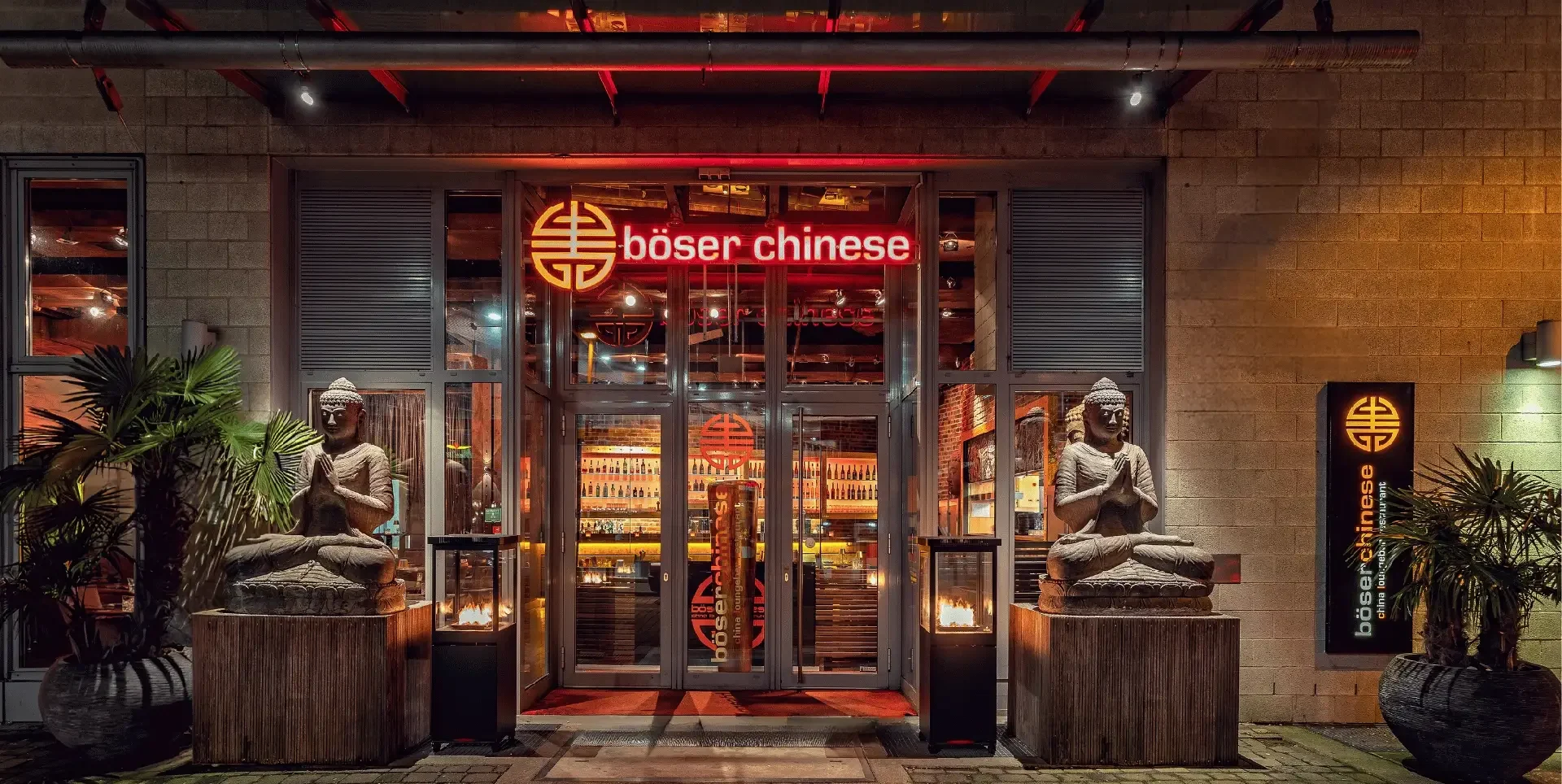
Düsseldorf is not a large city by international standards. It counted 659,312 residents on 31 December 2025, a gain of 1,067 over the previous year, according to the City of Düsseldorf. What makes its restaurant scene unusual is not size but composition.
A community that built a market
More than 8,400 Japanese residents live in the city, and almost 600 Japanese companies are based in the wider region. That makes Düsseldorf the leading Japanese business location in continental Europe, as the City of Düsseldorf puts it. The first companies arrived in the 1950s, the Japan Centre on Immermannstraße was completed in 1978, and by the mid 1970s the city had overtaken Hamburg as Germany’s primary Japanese location.
Six decades of that produce something a marketing budget cannot: a customer base that knows the difference between a dashi that was made this morning and one that came out of a packet. Kitchens serving that audience have to be accurate, and the standard spreads outward from there.
Where fusion stops being a slogan
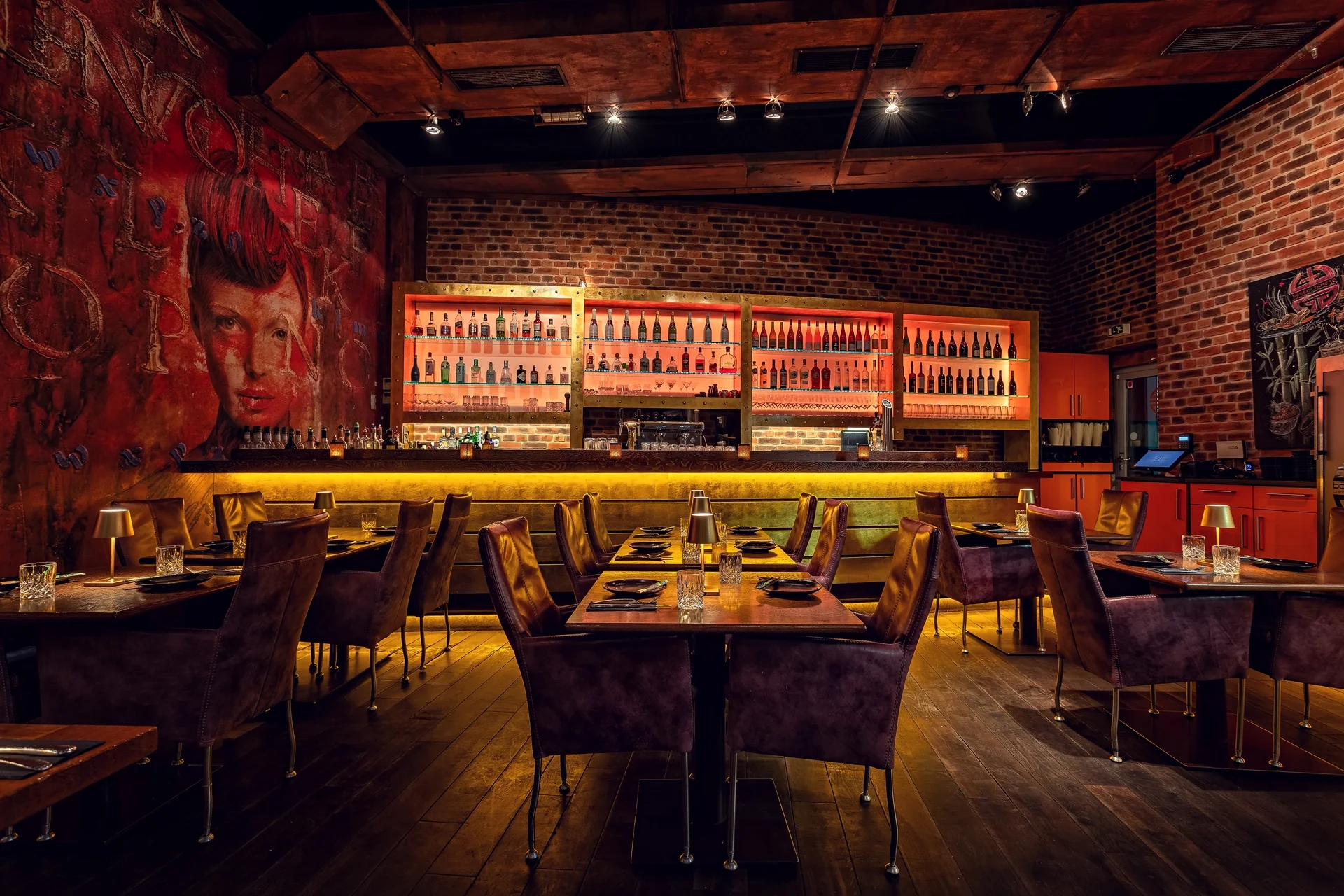
Fusion is an overused word. In practice it means combining cooking techniques and flavour structures from several Asian cuisines, not piling unrelated ingredients onto one plate. The test is the menu itself. A kitchen organised by method rather than by main ingredient will separate steaming, deep frying, wok cooking and the cast iron hot plate into their own sections, because each demands different preparation.
One Düsseldorf house shows what that looks like on paper. Its current menu, valid from 1 January 2026, runs to 24 sections and 203 entries. Nine of those sections and 49 dishes are food, from starters and dumplings through soups and noodle bowls to hot plates and desserts, priced between 5.90 and 28.90 euros. Seventeen of the 49 are marked vegetarian, roughly one in three.
| Section | Entries | What it tells you |
|---|---|---|
| Dumplings | 8 | folded to order or bought in |
| Skewers | 2 | grill capacity in the kitchen |
| Soups and noodle bowls | 7 | stock made on site or not |
| Rice and noodle dishes | 14 | the everyday backbone |
| Hot plates | 7 | how hot the pass really runs |
| Desserts | 4 | whether the kitchen finishes what it starts |
Two addresses, two menus
The same operator runs a second house 4.7 kilometres away in the Flingern district. Its menu holds 33 sections and 137 entries, with 45 dishes priced from 5.50 to 24.90 euros. Thirty four dishes appear on both menus, 14 only in the harbour, 11 only in Flingern. Of 33 dishes that exist at both addresses and carry a price, 31 are priced differently, which follows from two menus issued two years apart and from two very different locations. The kitchen philosophy behind both is set out at Böser Chinese under cuisine.
Booking, timing, and the market behind it
Lunch runs on its own menus: four of them per address, rotating weekly, nine dishes each in the harbour and ten in Flingern. That is 76 lunch dishes across a four week cycle, priced from 6.50 to 15.90 euros. Evenings fill early on Fridays in the harbour quarter, and groups of six or more should book ahead.
The context is not comfortable. According to the Federal Statistical Office, German hospitality turnover fell 2.1 percent in real terms in 2025 while rising 1.4 percent in nominal terms; restaurants alone lost 2.2 percent in real terms and gained 1.8 percent nominally. Prices rose, volume did not. Kitchens that keep eight rotating lunch menus and two separate evening menus in that climate are betting on regulars rather than passing trade, and a confirmed booking is worth more to them than it looks.
Get in touch and book a table in Düsseldorf
Frequently Asked Questions (FAQ)
Why does Düsseldorf have such a strong Asian dining scene?
Because more than 8,400 Japanese residents live there and almost 600 Japanese companies are based in the region, making it the leading Japanese business location in continental Europe. That demand has shaped kitchens for six decades.
What does Asian fusion actually mean?
Combining cooking techniques and flavour structures from several Asian cuisines in one dish. The menu shows whether a kitchen means it: sections organised by cooking method rather than by main ingredient.
How large is a serious menu?
The example described here runs 24 sections and 203 entries, of which nine sections and 49 dishes are food, priced from 5.90 to 28.90 euros.
Is there enough choice for vegetarians?
Seventeen of 49 dishes are marked vegetarian at one address and 13 of 45 at the other, which is 35 and 29 percent of the food menu.
What does lunch cost?
Between 6.50 and 15.90 euros. Four lunch menus per address rotate weekly, giving 76 different lunch dishes over four weeks.
Do I need to book?
For two people midweek usually not. For Friday and Saturday evenings and for groups of six or more, yes. The harbour quarter fills earlier than other parts of the city.
More from Magazine
Luxury Wedding Planning: The Ultimate Guide
Luxury wedding planning guide: top destination venues, couture bridal designers, Michelin catering, headline entertainment and elite planners for a fl…
Luxury Wine & Spirits Collecting: The Complete Guide
Luxury wine and spirits collecting guide: how to evaluate investment-grade Bordeaux, Burgundy, Champagne and rare whisky, plus auctions, storage and r…
Luxury Fashion: The Complete Style Guide
The complete luxury fashion style guide: bespoke tailoring, haute couture, heritage maisons like Hermes and Chanel, 2026 trends, investment bags and s…