Discover the Best of German Wine with Private Tastings and Tours
Germany is known for its rich wine culture and diverse wine regions. The country is home to 13 official wine regions, each with its own unique characteristics and styles of wine. S…
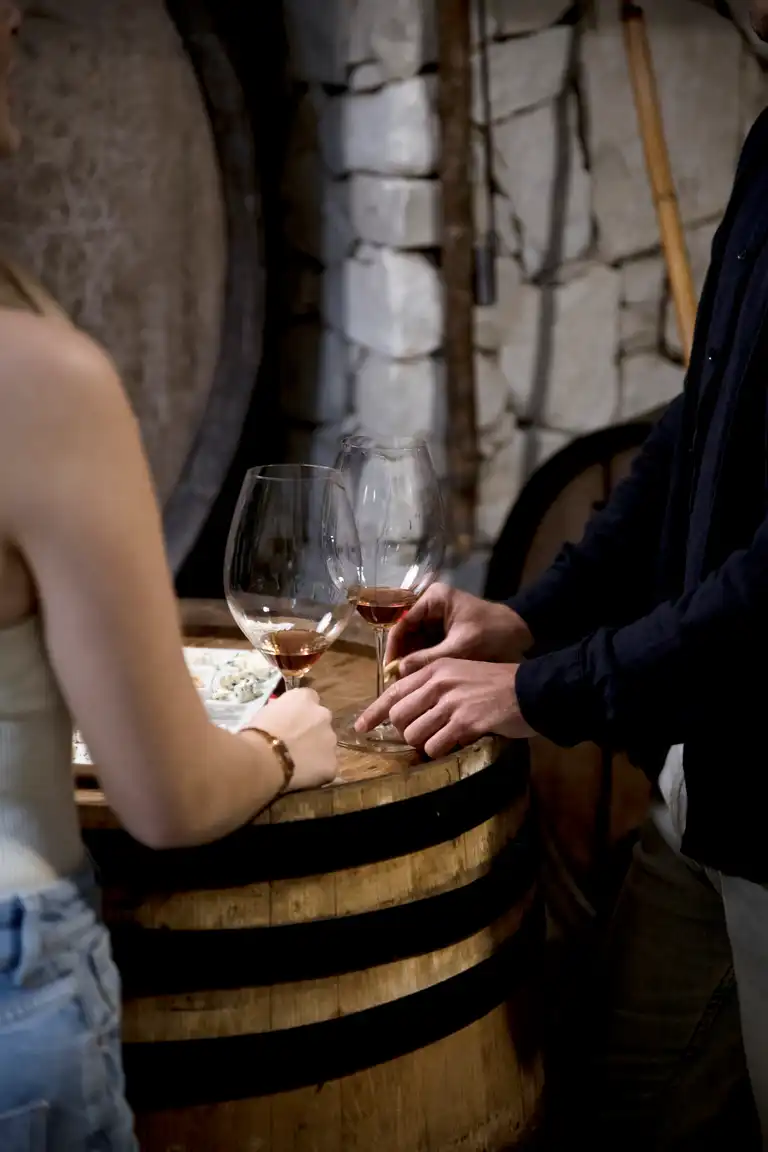
Germany is known for its rich wine culture and diverse wine regions. The country is home to 13 official wine regions, each with its own unique characteristics and styles of wine. Some of the most famous wine regions in Germany include Mosel, Rheingau, and Baden.
German wines are known for their high quality and distinct flavors. The cool climate and unique soil conditions in Germany contribute to the production of wines with a crisp acidity and vibrant fruit flavors. The country is particularly famous for its white wines, especially Riesling, which is considered one of the best white grape varieties in the world.
Key Takeaways
- Germany has 13 wine regions, each with its own unique climate and soil composition.
- German wine making dates back to the Roman Empire, but it wasn’t until the Middle Ages that it became a major industry.
- Private tastings offer a personalized experience and the opportunity to try rare and exclusive wines.
- When choosing a German wine, consider the grape variety, region, and style.
- German wines range from dry to sweet, with Riesling being the most famous grape variety.
- German wines pair well with a variety of foods, including seafood, spicy dishes, and cheese.
- Private vineyard tours offer a behind-the-scenes look at the wine making process and the chance to meet the winemakers.
- Sustainable wine making practices are becoming increasingly popular in Germany, with many wineries adopting organic and biodynamic methods.
- The future of German wine looks bright, with a focus on quality over quantity and a growing interest in natural wines.
- German wine culture is steeped in tradition, with festivals, customs, and rituals that celebrate the country’s rich wine making heritage.
The History of German Wine Making
The history of German wine making dates back to Roman times. The Romans introduced viticulture to the region and planted vineyards along the banks of the Rhine River. The Church also played a significant role in the development of German wine making. Monasteries and abbeys owned vast vineyards and were responsible for cultivating grapes and producing wine.
Over the centuries, German wine making techniques evolved and improved. In the 19th century, advancements in technology, such as the invention of the steam engine, allowed for more efficient grape pressing and fermentation processes. This led to an increase in production and the establishment of Germany as a major player in the global wine industry.
Private Tastings: A Unique Experience
Private tastings offer a unique opportunity to explore and experience German wines in a more intimate setting. Unlike public tastings, private tastings allow for a more personalized experience where you can learn about the wines directly from the winemaker or an expert sommelier.
There are different types of private tastings available, ranging from one-on-one sessions with a winemaker to small group tastings led by a knowledgeable guide. These tastings often take place in a winery or a dedicated tasting room, providing a relaxed and comfortable environment to fully appreciate the wines.
Tasting German wine in its country of origin adds an extra layer of authenticity to the experience. You can learn about the specific terroir of each region and how it influences the flavors and characteristics of the wines. It also allows you to discover lesser-known wineries and hidden gems that may not be widely available outside of Germany.
How to Choose the Best German Wine for You
Choosing the best German wine for your taste can be a daunting task, especially with the wide variety of grape varieties and wine styles available. Here are some tips to help you make the right choice:
1. Research the different grape varieties: German wines are primarily made from white grape varieties, with Riesling being the most famous. However, there are other grape varieties such as Müller-Thurgau, Silvaner, and Gewürztraminer that produce excellent wines as well. Understanding the characteristics of each grape variety can help you narrow down your options.
2. Consider your taste preferences: German wines range from bone-dry to lusciously sweet. If you prefer dry wines, look for terms like “trocken” or “halbtrocken” on the label. If you have a sweet tooth, opt for wines labeled “feinherb” or “lieblich.” It’s also worth noting that German wines often have a pronounced acidity, which adds freshness and balance to the flavors.
3. Explore different wine styles: German wines come in a variety of styles, including still, sparkling, and dessert wines. Each style has its own unique characteristics and food pairing possibilities. Experimenting with different styles can help you discover new favorites and expand your wine knowledge.
The Different Styles of German Wine
German wines are known for their diversity and range of styles. Here is an overview of some of the most popular styles:
1. Dry White Wines: Dry white wines, also known as “trocken” wines, are characterized by their crisp acidity and vibrant fruit flavors. They are often made from grape varieties such as Riesling, Müller-Thurgau, and Silvaner. These wines pair well with a variety of dishes, including seafood, poultry, and salads.
2. Off-Dry White Wines: Off-dry white wines, labeled as “feinherb” or “halbtrocken,” have a touch of sweetness balanced by a refreshing acidity. They are versatile and can be enjoyed on their own or paired with spicy Asian cuisine, creamy cheeses, or light desserts.
3. Sweet White Wines: Sweet white wines, labeled as “lieblich” or “süß,” are made from grapes that have been left on the vine longer to develop higher sugar levels. These wines are rich and luscious, with flavors of honey, apricot, and tropical fruits. They are often enjoyed as dessert wines or paired with foie gras, blue cheese, or fruit-based desserts.
4. Sparkling Wines: Germany is also known for its sparkling wines, known as “Sekt.” These wines are made using the traditional method, similar to Champagne production. They range from dry to sweet and can be enjoyed as an aperitif or paired with seafood, light appetizers, or creamy desserts.
Food Pairing with German Wine
German wines offer a wide range of food pairing possibilities due to their versatility and distinct flavors. Here are some general guidelines for pairing German wine with food:
1. Dry White Wines: Dry white wines pair well with light seafood dishes, such as grilled fish or shrimp cocktail. They also complement salads, vegetable-based dishes, and goat cheese.
2. Off-Dry White Wines: Off-dry white wines can handle a bit more spice and richness in food. They pair well with Asian cuisine, spicy curries, and dishes with a touch of sweetness, such as glazed ham or roasted root vegetables.
3. Sweet White Wines: Sweet white wines are perfect for pairing with desserts. They complement fruit-based desserts, creamy cheeses, and foie gras. They can also be enjoyed on their own as a dessert wine.
4. Sparkling Wines: Sparkling wines are versatile and can be enjoyed throughout a meal. They pair well with seafood, light appetizers, and creamy desserts.
When pairing German wine with food, it’s important to consider the region and style of the wine. For example, wines from the Mosel region are known for their high acidity and delicate flavors, making them a great match for lighter dishes. On the other hand, wines from the Rheingau region are often fuller-bodied and can handle richer and more flavorful dishes.
Exploring the Vineyards: Private Tours
Exploring German vineyards through private tours offers a unique opportunity to get up close and personal with the winemaking process. Here are some benefits of private vineyard tours:
1. Personalized Experience: Private vineyard tours allow you to have a more personalized experience tailored to your interests and preferences. You can ask questions, interact with the winemakers, and learn about their unique techniques and philosophies.
2. Behind-the-Scenes Access: Private tours often include access to areas that are not open to the public, such as the cellar or barrel room. This gives you a chance to see firsthand how the wines are made and aged.
3. Tasting Rare and Limited Edition Wines: Private tours often include tastings of rare or limited edition wines that may not be available for purchase elsewhere. This gives you the opportunity to try unique wines that are not widely known or distributed.
There are different types of vineyard tours available, ranging from guided tours led by a knowledgeable guide to self-guided tours where you can explore at your own pace. Some tours also include additional activities such as wine blending workshops or vineyard picnics.
Sustainable Wine Making in Germany
Sustainable wine making is becoming increasingly important in the global wine industry, and Germany is no exception. Sustainable wine making focuses on minimizing the impact on the environment, promoting biodiversity, and ensuring the long-term viability of vineyards.
In Germany, sustainable wine making practices include organic and biodynamic farming methods, water conservation, and energy efficiency. Many wineries have also implemented measures to reduce their carbon footprint, such as using renewable energy sources and recycling waste materials.
Sustainable wine making not only benefits the environment but also has a positive impact on the taste and quality of German wines. By working in harmony with nature, winemakers are able to produce grapes that are healthier and more flavorful, resulting in wines that truly reflect their terroir.
The Future of German Wine
The German wine industry is currently experiencing a period of growth and innovation. While Riesling remains the flagship grape variety, there is a growing interest in other grape varieties such as Pinot Noir and Sauvignon Blanc.
Climate change is also playing a role in shaping the future of German wine. Warmer temperatures have led to riper grapes and increased alcohol levels in some regions. Winemakers are adapting to these changes by experimenting with new grape varieties and adjusting their vineyard management techniques.
The global demand for German wines is also on the rise. The unique characteristics and high quality of German wines have gained recognition worldwide, leading to increased exports and international acclaim. This presents both challenges and opportunities for German wine makers as they strive to maintain their traditional winemaking practices while meeting the demands of a global market.
German Wine Culture and Traditions
Wine plays an important role in German culture and traditions. Wine festivals, known as “Weinfeste,” are held throughout the country to celebrate the harvest and showcase the local wines. These festivals often feature live music, traditional food, and wine tastings.
In addition to wine festivals, Germany has a rich tradition of wine-related customs and rituals. For example, the “Rheingau Wine Queen” is crowned each year to represent the region and promote its wines. Wine auctions are also a common practice in Germany, where rare and collectible wines are sold to the highest bidder.
German wine culture has had a significant impact on the global wine industry. The country’s focus on quality, terroir-driven wines has influenced winemakers around the world. German winemaking techniques, such as late harvest and botrytis-affected wines, have been adopted by winemakers in other regions, leading to the production of unique and sought-after wines.
More from Travel

Private Aviation & Jet Charter: The Complete Guide
Private jet charter guide: compare aircraft types, hourly costs from $1,800, charter vs. fractional vs. ownership, jet cards, top operators, FBOs and …

The World’s Most Exclusive Luxury Hotels: The Complete Guide
Discover the world’s most exclusive luxury hotels, from €25,000 Paris palaces and private Maldives islands to Serengeti safari lodges and iconic…
The Complete Guide to Luxury Travel: From Private Jets to Hidden Gems
What Defines Luxury Travel in 2026 Luxury travel in 2026 is no longer defined by thread count and champagne alone. Today’s affluent traveler dem…