Magazine · Magazine
Exploring London’s Historic Diamond District
London’s Diamond District, also known as Hatton Garden, is a small area located in the heart of the city. It is renowned for its rich history and significance in the diamond …
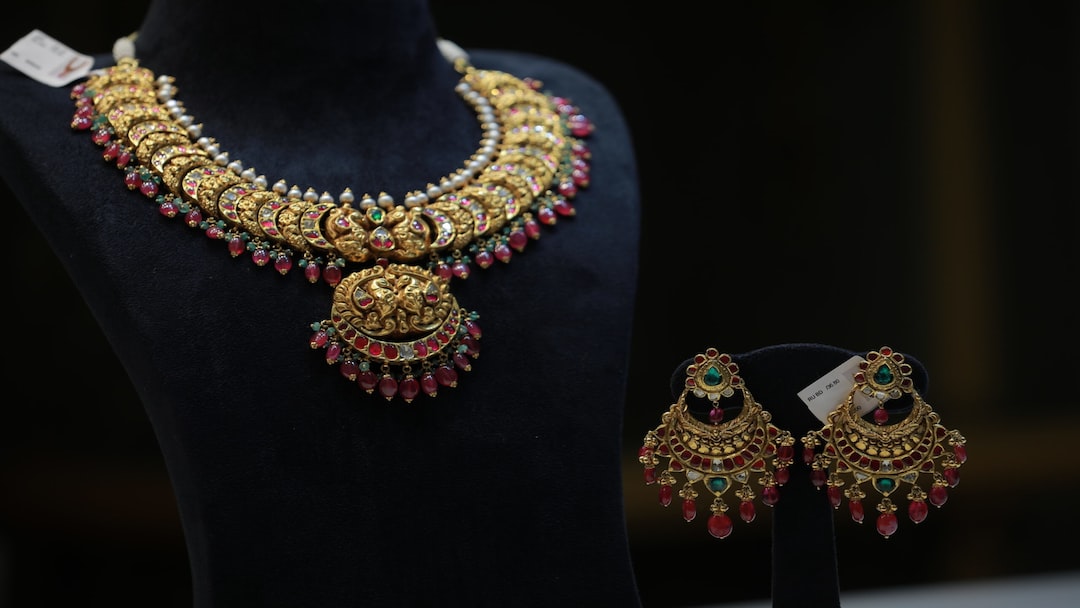
London’s Diamond District, also known as Hatton Garden, is a small area located in the heart of the city. It is renowned for its rich history and significance in the diamond trade. The district is situated in the Holborn area of London, near the historic jewelry quarter of Clerkenwell. Hatton Garden has been a hub for diamond merchants and jewelers since the 19th century, and its reputation as a center for the diamond trade has only grown over time.
The diamond trade in London dates back centuries, with records of diamond cutting and trading in the city as early as the 16th century. However, it was not until the 19th century that Hatton Garden emerged as the epicenter of the diamond industry in London. The district’s proximity to other important commercial areas, such as the City of London and Covent Garden, made it an ideal location for diamond merchants to set up shop.
The origins of the diamond trade in London and how it evolved over time
The origins of the diamond trade in London can be traced back to the 16th century when diamonds were first brought to Europe from India. Initially, diamonds were primarily used for religious purposes and were not widely available to the general public. However, with the rise of colonialism and imperialism in the 18th and 19th centuries, diamonds became more accessible and their demand increased.
The British Empire played a significant role in shaping the diamond trade in London. As Britain expanded its colonial territories, it gained control over diamond-rich regions such as India and South Africa. This allowed British merchants to have direct access to a steady supply of diamonds, which they could then trade in London.
Over time, Hatton Garden became synonymous with the diamond trade in London. The district attracted merchants from all over Europe who came to buy and sell diamonds. The area became known for its expertise in diamond cutting and polishing, and many of the world’s most famous diamonds passed through the hands of Hatton Garden’s jewelers.
Famous diamond merchants and jewelers who made their mark in the district
Hatton Garden has been home to many notable figures in the diamond trade throughout its history. One such figure is Harry Winston, an American jeweler who opened his first international store in the district in 1959. Winston was known for his exquisite diamond jewelry and his collection of famous diamonds, including the Hope Diamond.
Another famous figure in the district’s history is Laurence Graff, a British jeweler who started his career as an apprentice in Hatton Garden. Graff went on to become one of the world’s most renowned diamond dealers and is known for his exceptional collection of rare and valuable diamonds.
The impact of the diamond trade on the local economy and society
The diamond trade has had a significant impact on the local economy and society in Hatton Garden. The district has long been a major contributor to London’s economy, generating substantial revenue through diamond sales and related businesses. The presence of the diamond trade has also created employment opportunities for local residents, with many working in the industry as jewelers, gemologists, and diamond cutters.
The diamond trade has also had a social impact on the district’s residents. Many families in Hatton Garden have been involved in the diamond trade for generations, passing down their knowledge and expertise from one generation to the next. This has created a strong sense of community and identity within the district.
The architecture and design of the district’s iconic buildings and streets
The architecture and design of Hatton Garden’s buildings and streets are an integral part of its cultural identity. The district is characterized by its narrow streets lined with historic buildings that date back to the 19th century. Many of these buildings were originally built as workshops for diamond merchants and jewelers, and they still retain their original charm and character.
One of the most iconic buildings in Hatton Garden is the Hatton Garden Building, which was built in 1913. This Grade II listed building is known for its distinctive Edwardian architecture and is home to many diamond merchants and jewelers. Another notable building in the district is the Diamond Bourse, which was built in the 1950s and serves as a trading center for diamond dealers.
The role of the diamond district in shaping London’s cultural identity
Hatton Garden has played a significant role in shaping London’s cultural identity. The district’s association with the diamond trade has made it a symbol of luxury and elegance. It has become synonymous with high-quality craftsmanship and exquisite jewelry, attracting visitors from all over the world.
The district’s cultural influence extends beyond the diamond trade. Hatton Garden is also home to a vibrant arts scene, with many galleries and studios showcasing the work of local artists. The district’s rich history and unique architecture have also inspired filmmakers and writers, who have used Hatton Garden as a backdrop for their stories.
The impact of technological advancements on the diamond industry in the district
Technological advancements have had a significant impact on the diamond industry in Hatton Garden. The introduction of new cutting and polishing techniques has revolutionized the way diamonds are processed, making it faster and more efficient. This has allowed diamond merchants to meet the growing demand for diamonds and expand their businesses.
Technology has also played a role in improving the security of diamonds in Hatton Garden. With the use of advanced surveillance systems and secure storage facilities, merchants can ensure the safety of their valuable inventory. This has helped to build trust among customers and maintain the district’s reputation as a reliable source of high-quality diamonds.
The district’s significance in the global diamond market and its future prospects
Hatton Garden continues to be a significant player in the global diamond market. The district is known for its expertise in diamond cutting and polishing, and its jewelers are highly regarded for their craftsmanship. Hatton Garden’s reputation as a center for the diamond trade has attracted buyers from all over the world, making it a thriving hub for the industry.
Looking to the future, Hatton Garden is well-positioned to maintain its status as a global leader in the diamond trade. The district’s strong infrastructure and skilled workforce provide a solid foundation for growth. Additionally, the increasing demand for ethically sourced diamonds presents new opportunities for Hatton Garden to expand its market share.
Exploring the district’s hidden gems and lesser-known attractions
While Hatton Garden is primarily known for its diamond trade, the district also has many hidden gems and lesser-known attractions worth exploring. One such attraction is the Bleeding Heart Yard, a historic courtyard that dates back to the 17th century. The courtyard is named after a gruesome legend involving a murdered woman whose heart was found in the yard.
Another hidden gem in Hatton Garden is the St Etheldreda’s Church, which is one of the oldest Catholic churches in England. The church dates back to the 13th century and features stunning medieval architecture. It is a peaceful oasis in the heart of the bustling district and is well worth a visit.
Tips for visiting London’s Diamond District and making the most of your experience
If you’re planning a visit to Hatton Garden, here are some tips to help you make the most of your experience:
1. Plan your visit in advance: Hatton Garden can get busy, especially during peak times, so it’s a good idea to plan your visit in advance. Check opening hours and make any necessary appointments with jewelers or diamond merchants.
2. Explore beyond the diamond trade: While the diamond trade is undoubtedly the main attraction in Hatton Garden, don’t forget to explore the district’s other offerings. Visit the local galleries and studios to discover the work of local artists, or take a stroll through the historic streets to admire the architecture.
3. Take advantage of expert advice: Hatton Garden is home to some of the world’s most knowledgeable diamond experts. If you’re in the market for a diamond, take advantage of their expertise and seek their advice. They can help you find the perfect diamond for your needs and budget.
4. Enjoy the local cuisine: Hatton Garden is also home to a variety of restaurants and cafes where you can enjoy a meal or a cup of coffee. Take a break from your diamond shopping and indulge in some delicious food or a refreshing drink.
In conclusion, London’s Diamond District, Hatton Garden, has a rich history and plays a significant role in the global diamond trade. The district’s origins can be traced back centuries, and it has evolved over time to become a hub for diamond merchants and jewelers. Hatton Garden’s architecture and design, as well as its cultural influence, have shaped London’s identity. The district’s significance in the global diamond market is undeniable, and its future prospects look promising. Whether you’re interested in diamonds or simply want to explore a unique part of London’s history, Hatton Garden is well worth a visit.
More in
More from Magazine
Magazine · 28 min
Luxury Wedding Planning: The Ultimate Guide
Luxury wedding planning guide: top destination venues, couture bridal designers, Michelin catering, headline entertainment and elite planners for a fl…

Magazine · 29 min
Luxury Wine & Spirits Collecting: The Complete Guide
Luxury wine and spirits collecting guide: how to evaluate investment-grade Bordeaux, Burgundy, Champagne and rare whisky, plus auctions, storage and r…

Magazine · 32 min
Luxury Fashion: The Complete Style Guide
The complete luxury fashion style guide: bespoke tailoring, haute couture, heritage maisons like Hermes and Chanel, 2026 trends, investment bags and s…