Magazine · Magazine
Exploring the Exclusive Art Scene of Los Angeles
Los Angeles has long been known as a hub for creativity and artistic expression. With its vibrant and diverse population, the city has become a melting pot of different cultures, i…
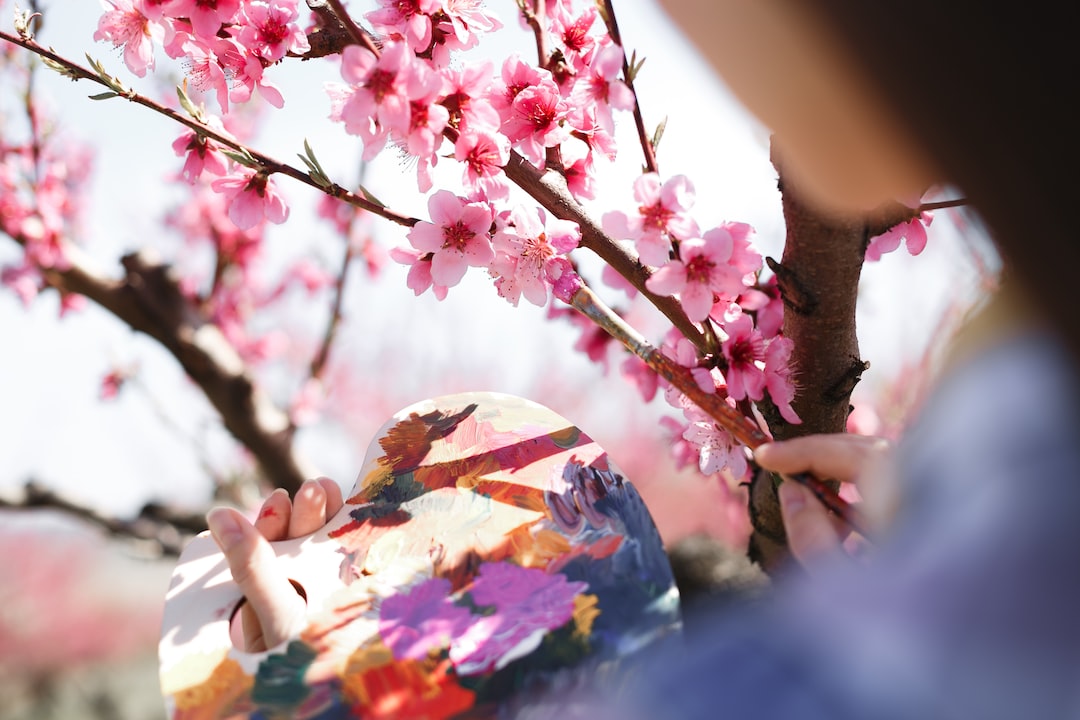
Los Angeles has long been known as a hub for creativity and artistic expression. With its vibrant and diverse population, the city has become a melting pot of different cultures, ideas, and perspectives. The art scene in LA is thriving, with a wide range of galleries, museums, and events that showcase the incredible talent that exists within the city. In this article, we will explore the rise of LA’s art scene, the diversity of artistic expression, the influence of Hollywood, the role of galleries and museums, the emergence of street art, the impact of technology, the intersection of fashion and art, the inclusion of social and political issues, the importance of art festivals and events, and the future of LA’s art scene.
The Rise of the Art Scene in Los Angeles
The art scene in Los Angeles has experienced a significant rise in recent years. However, this rise did not happen overnight. It is important to understand the historical context of LA’s art scene to fully appreciate its growth. In the 1960s and 1970s, LA was primarily known for its entertainment industry rather than its art scene. However, artists began to flock to the city due to its affordable cost of living and abundant studio space. This influx of artists laid the foundation for what would become a thriving art community.
Several factors have contributed to the rise of LA’s art scene. One key factor is the city’s diverse population. Los Angeles is home to people from all over the world, bringing with them their unique perspectives and artistic traditions. This diversity has led to a rich tapestry of artistic expression in the city.
In comparison to other art scenes in the US, LA stands out for its emphasis on experimentation and innovation. While cities like New York have long been considered art capitals, LA offers a more laid-back and collaborative environment for artists. This has attracted many artists who are looking for a supportive community and the freedom to explore new ideas.
The Diversity of Artistic Expression in LA
One of the most remarkable aspects of LA’s art scene is the wide range of artistic expression that can be found within the city. From traditional painting and sculpture to performance art and multimedia installations, there is something for everyone in LA.
One example of an artist pushing the boundaries of traditional art forms is Mark Bradford. Known for his large-scale abstract paintings, Bradford incorporates materials such as billboard paper and found objects into his work. His pieces are a reflection of the urban landscape and the social issues that affect marginalized communities.
Another artist who exemplifies the diversity of artistic expression in LA is Catherine Opie. Opie is known for her photography, which often explores themes of identity, gender, and sexuality. Her work challenges societal norms and offers a fresh perspective on contemporary issues.
The importance of diversity in LA’s art scene cannot be overstated. It allows for a more inclusive and representative art community, where artists from all backgrounds can find their voice and share their stories. This diversity also attracts a wider audience, as people from different walks of life can see themselves reflected in the art that is being produced.
The Influence of Hollywood on LA’s Art Scene
Hollywood has had a significant impact on LA’s art scene. The entertainment industry has long been intertwined with the art world, with many artists drawing inspiration from film, television, and celebrity culture.
One artist who has been influenced by Hollywood is David LaChapelle. LaChapelle started his career as a commercial photographer, working with celebrities such as Madonna and Lady Gaga. However, he eventually turned his attention to fine art photography, creating elaborate and surreal images that comment on consumerism and celebrity culture.
While Hollywood’s influence on LA’s art scene can be seen as a positive thing, there are also criticisms that come along with it. Some argue that the focus on celebrity and commercialism can overshadow other forms of artistic expression. Additionally, the influence of Hollywood can sometimes lead to a homogenization of the art world, with artists feeling pressured to create work that is marketable and appeals to a mainstream audience.
The Role of Galleries and Museums in LA’s Art World
Galleries and museums play a crucial role in LA’s art scene. They provide a platform for artists to showcase their work and connect with collectors, curators, and other art professionals. Additionally, galleries and museums serve as cultural institutions that educate and engage the public.
Los Angeles is home to a wide range of galleries, from small independent spaces to large commercial galleries. These galleries often host exhibitions that feature both emerging and established artists, providing a space for dialogue and exchange within the art community.
Museums also play a vital role in LA’s art world. The Los Angeles County Museum of Art (LACMA) is one of the largest art museums in the country, housing an extensive collection of artwork from around the world. The Museum of Contemporary Art (MOCA) is another prominent institution that focuses on contemporary art. These museums not only showcase important works of art but also organize educational programs and events that engage the public.
The Emergence of Street Art in LA
Street art has become an integral part of LA’s art scene. From colorful murals adorning buildings to intricate stencil work on sidewalks, street art can be found throughout the city.
One notable street artist in LA is Shepard Fairey, who gained international recognition for his “Hope” poster during Barack Obama’s presidential campaign. Fairey’s work often incorporates political and social commentary, challenging viewers to think critically about the world around them.
Another prominent street artist in LA is Retna, known for his distinctive calligraphy-inspired style. His murals can be seen in various neighborhoods across the city, adding a vibrant and dynamic element to the urban landscape.
While street art has gained popularity and acceptance in recent years, it is not without its controversies. Some argue that street art is a form of vandalism and should not be celebrated. Others believe that street art is an important form of self-expression and a way for marginalized communities to reclaim public spaces.
The Impact of Technology on LA’s Artistic Community
Technology has had a profound impact on LA’s art scene. Artists are increasingly using digital tools and platforms to create and share their work.
One example of an artist using technology in their work is Refik Anadol. Anadol is known for his immersive installations that combine architecture, data, and artificial intelligence. His work pushes the boundaries of traditional art forms and explores the relationship between humans and technology.
Technology has also allowed for new forms of artistic expression, such as virtual reality (VR) and augmented reality (AR). Artists like Nancy Baker Cahill are using these technologies to create interactive and immersive experiences for viewers. These digital mediums offer new possibilities for storytelling and engagement, allowing artists to reach audiences in innovative ways.
However, there are also criticisms of technology’s impact on LA’s art scene. Some argue that the reliance on digital tools can lead to a loss of craftsmanship and a devaluation of traditional art forms. Additionally, there are concerns about the accessibility of digital art, as not everyone has access to the necessary technology to fully experience these works.
The Intersection of Fashion and Art in LA
The intersection of fashion and art is a prominent feature of LA’s art scene. The city has long been a hub for fashion, with many designers and brands calling LA home.
One artist who blurs the lines between fashion and art is Sterling Ruby. Ruby’s work often incorporates elements of both disciplines, creating installations that explore themes of consumerism, identity, and popular culture. His collaborations with fashion brands such as Raf Simons have further solidified the connection between fashion and art in LA.
Another artist who works in both fashion and art is Rosson Crow. Crow is known for her large-scale paintings that depict scenes of opulence and excess. She has also collaborated with fashion brands, creating limited-edition clothing and accessories that reflect her artistic style.
While the intersection of fashion and art in LA can lead to exciting collaborations and new possibilities, there are also criticisms that come along with it. Some argue that the commercialization of art through fashion can dilute its meaning and impact. Additionally, there are concerns about the exploitation of artists by fashion brands, who may seek to profit off their work without adequately compensating them.
The Inclusion of Social and Political Issues in LA’s Art Scene
LA’s art scene has a long history of addressing social and political issues. Artists have used their work as a platform to raise awareness, challenge the status quo, and advocate for change.
One artist who addresses social and political issues in their work is Ai Weiwei. Weiwei is known for his provocative installations and sculptures that tackle themes such as human rights, freedom of expression, and government surveillance. His work often draws attention to injustices happening around the world and encourages viewers to take action.
Another artist who addresses social and political issues is Andrea Bowers. Bowers uses her art to shed light on issues such as gender inequality, reproductive rights, and environmental activism. Her work often incorporates elements of activism, such as protest signs and banners, blurring the lines between art and activism.
The inclusion of social and political issues in LA’s art scene is crucial for fostering dialogue and creating change. Art has the power to provoke thought, challenge assumptions, and inspire action. By addressing these important issues, artists are able to contribute to a more just and equitable society.
The Importance of Art Festivals and Events in LA
Art festivals and events play a vital role in LA’s art scene. They provide a platform for artists to showcase their work, connect with audiences, and engage with the community.
One notable art festival in LA is the LA Art Show, which brings together galleries, artists, collectors, and art enthusiasts from around the world. The festival features a wide range of artwork, including painting, sculpture, photography, and digital art. It also includes panel discussions, performances, and special exhibitions that explore different themes and trends in the art world.
Another important event in LA’s art scene is the Pacific Standard Time initiative. This series of exhibitions and programs focuses on the art history of Southern California, highlighting the contributions of artists from the region. The initiative brings together museums, galleries, and cultural institutions to create a comprehensive and inclusive exploration of LA’s art history.
Art festivals and events are important for fostering a sense of community within the art world. They provide opportunities for artists to connect with each other, share ideas, and collaborate on projects. Additionally, these events attract a wide range of visitors, including collectors, curators, and art enthusiasts, who can discover new artists and support their work.
The Future of LA’s Art Scene: Trends and Predictions
The future of LA’s art scene is bright, with several trends and predictions shaping its trajectory. One trend that is likely to continue is the use of technology in art. As digital tools become more accessible and advanced, artists will continue to explore new ways of creating and experiencing art.
Another trend that is likely to continue is the intersection of different disciplines. Artists will continue to blur the lines between traditional art forms such as painting and sculpture, as well as explore new mediums such as virtual reality and augmented reality.
Additionally, there will likely be an increased focus on social and political issues in LA’s art scene. As the world grapples with pressing challenges such as climate change, racial inequality, and political unrest, artists will use their work to raise awareness and advocate for change.
It is important to continue supporting and growing LA’s art scene. By investing in artists, galleries, museums, and cultural institutions, we can ensure that the city remains a vibrant and thriving hub for creativity and artistic expression.
In conclusion, LA’s art scene is a dynamic and diverse community that continues to grow and evolve. From its historical roots to its embrace of new technologies, the art scene in LA offers a wide range of artistic expression and opportunities for engagement. By supporting and celebrating the artists, galleries, museums, festivals, and events that make up LA’s art world, we can ensure that the city remains a vibrant and thriving hub for creativity for years to come.
More in
More from Magazine
Magazine · 28 min
Luxury Wedding Planning: The Ultimate Guide
Luxury wedding planning guide: top destination venues, couture bridal designers, Michelin catering, headline entertainment and elite planners for a fl…
Magazine · 29 min
Luxury Wine & Spirits Collecting: The Complete Guide
Luxury wine and spirits collecting guide: how to evaluate investment-grade Bordeaux, Burgundy, Champagne and rare whisky, plus auctions, storage and r…
Magazine · 32 min
Luxury Fashion: The Complete Style Guide
The complete luxury fashion style guide: bespoke tailoring, haute couture, heritage maisons like Hermes and Chanel, 2026 trends, investment bags and s…