High-End Fashion
High-end fashion has always played a significant role in society, representing not only a form of self-expression but also a symbol of status and luxury. From the elaborate gowns o…
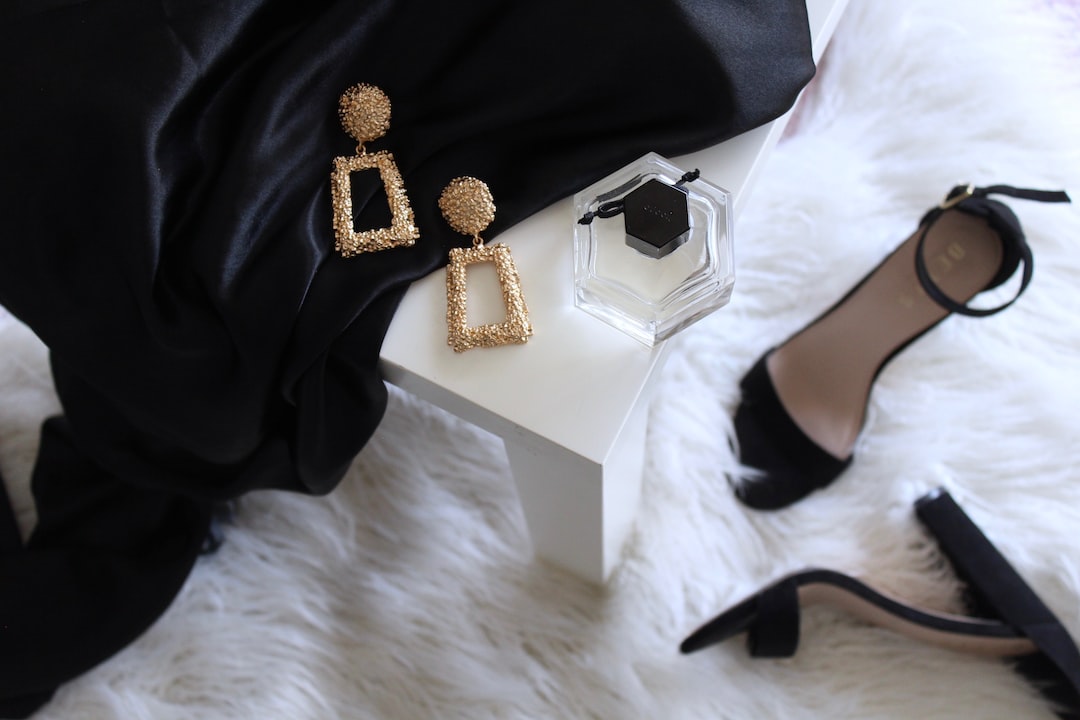
High-end fashion has always played a significant role in society, representing not only a form of self-expression but also a symbol of status and luxury. From the elaborate gowns of the Victorian era to the avant-garde designs of today, high-end fashion has evolved and adapted to reflect the changing times. This article will explore the evolution of high-end fashion, its significance in today’s society, the role of luxury brands, the impact of social media, the art of haute couture, the importance of sustainability, the connection between high-end fashion and celebrity culture, predictions for the future, the economics of the industry, and the intersection of culture and high-end fashion.
The Evolution of High-End Fashion: From Past to Present
High-end fashion has a rich history that dates back centuries. In ancient civilizations such as Egypt and Rome, clothing was used to denote social status and wealth. However, it was during the Renaissance period that fashion truly began to flourish. The rise of trade and exploration brought new fabrics and designs from around the world, leading to an explosion of creativity in European fashion.
Throughout history, there have been key designers and fashion movements that have shaped high-end fashion. In the 20th century, designers such as Coco Chanel, Christian Dior, and Yves Saint Laurent revolutionized the industry with their innovative designs. The 1920s saw the emergence of Art Deco and flapper fashion, while the 1960s brought about a cultural shift with mod fashion and the rise of youth culture.
The Significance of High-End Fashion in Today’s Society
In today’s society, high-end fashion is often seen as a symbol of wealth, status, and taste. It is not just about wearing clothes; it is about making a statement and expressing one’s individuality. High-end fashion allows individuals to showcase their personal style and creativity while also adhering to societal norms and expectations.
Fashion plays a crucial role in self-expression and identity. It allows individuals to communicate who they are and what they stand for. Whether it is through the choice of clothing, accessories, or hairstyles, high-end fashion provides a platform for individuals to express their unique personality and values. It can also serve as a form of empowerment, allowing individuals to feel confident and comfortable in their own skin.
The Role of Luxury Brands in High-End Fashion
Luxury brands play a vital role in the high-end fashion industry. They are known for their craftsmanship, attention to detail, and exclusivity. Luxury brands not only create high-quality products but also cultivate a sense of desirability and aspiration among consumers.
Luxury brand collaborations and partnerships have become increasingly common in the high-end fashion industry. These collaborations allow brands to tap into new markets and reach a wider audience. They also create buzz and excitement among consumers, who are eager to get their hands on limited-edition pieces.
The Impact of Social Media on High-End Fashion
Social media has revolutionized the way we consume and interact with high-end fashion. Platforms such as Instagram, TikTok, and YouTube have become powerful tools for fashion influencers, designers, and brands to showcase their work and connect with their audience.
The rise of influencer marketing has had a significant impact on the high-end fashion industry. Influencers have become powerful voices in shaping trends and influencing consumer behavior. They have the ability to reach millions of followers and can make or break a brand’s reputation.
The Art of Haute Couture: An Inside Look at High-End Fashion Design
Haute couture is the pinnacle of high-end fashion. It is a form of art that combines craftsmanship, creativity, and innovation. Haute couture garments are made by hand using the finest materials and techniques.
The creative process behind haute couture designs is a meticulous and time-consuming one. It involves sketching, draping, pattern-making, and countless fittings. Each garment is made to measure and tailored to perfection.
The Importance of Sustainability in High-End Fashion
The high-end fashion industry has come under scrutiny in recent years for its impact on the environment and society. Fast fashion, characterized by cheap and disposable clothing, has contributed to pollution, waste, and poor working conditions.
However, there has been a growing movement towards sustainable and ethical fashion in the high-end fashion industry. Designers and brands are embracing eco-friendly materials, ethical production practices, and fair trade principles. They are also promoting transparency and accountability in their supply chains.
The Connection Between High-End Fashion and Celebrity Culture
Celebrities have always had a significant influence on high-end fashion trends. Their red carpet appearances and street style choices are closely watched by millions of people around the world. Celebrities have the power to make a particular brand or designer popular overnight.
Celebrity endorsements have become a common marketing strategy in the high-end fashion industry. Brands often collaborate with celebrities to create limited-edition collections or promote their products through social media. These partnerships can be mutually beneficial, as they help increase brand visibility and generate sales.
The Future of High-End Fashion: Trends and Predictions
The future of high-end fashion is constantly evolving. Emerging trends such as gender-neutral fashion, sustainable design, and digital fashion are shaping the industry. Technology is also playing a significant role, with virtual reality, artificial intelligence, and 3D printing revolutionizing the way clothes are designed and produced.
Predictions for the future of the industry include a greater emphasis on inclusivity and diversity, as well as a shift towards more conscious consumerism. Consumers are becoming more aware of the impact of their purchasing decisions and are demanding transparency from brands.
The Economics of High-End Fashion: Understanding the Market
The high-end fashion market is a multi-billion-dollar industry that encompasses luxury brands, designer labels, and high-end retailers. It is driven by consumer demand for exclusivity, quality, and status.
Consumer behavior plays a crucial role in the high-end fashion industry. Factors such as income, age, lifestyle, and cultural background influence purchasing decisions. Luxury brands often target affluent consumers who are willing to pay a premium for high-quality products.
The Intersection of Culture and High-End Fashion: A Global Perspective
Culture has always played a significant role in shaping high-end fashion trends. Different cultures have their own unique styles, traditions, and aesthetics that influence the fashion industry. Globalization has also had a profound impact on high-end fashion, as designers and brands are now able to reach a global audience.
High-end fashion is more than just clothes; it is a form of self-expression, art, and culture. It has evolved over the centuries, reflecting the changing times and societal values. High-end fashion is significant in today’s society as it allows individuals to express their individuality and showcase their personal style. Luxury brands play a vital role in the industry, creating exclusive and desirable products. Social media has revolutionized the way we consume and interact with high-end fashion, while sustainability has become an important consideration for designers and brands. The future of high-end fashion is constantly evolving, with emerging trends and predictions shaping the industry. Ultimately, high-end fashion will continue to be a powerful force in society, influencing trends and shaping culture.
More from Magazine
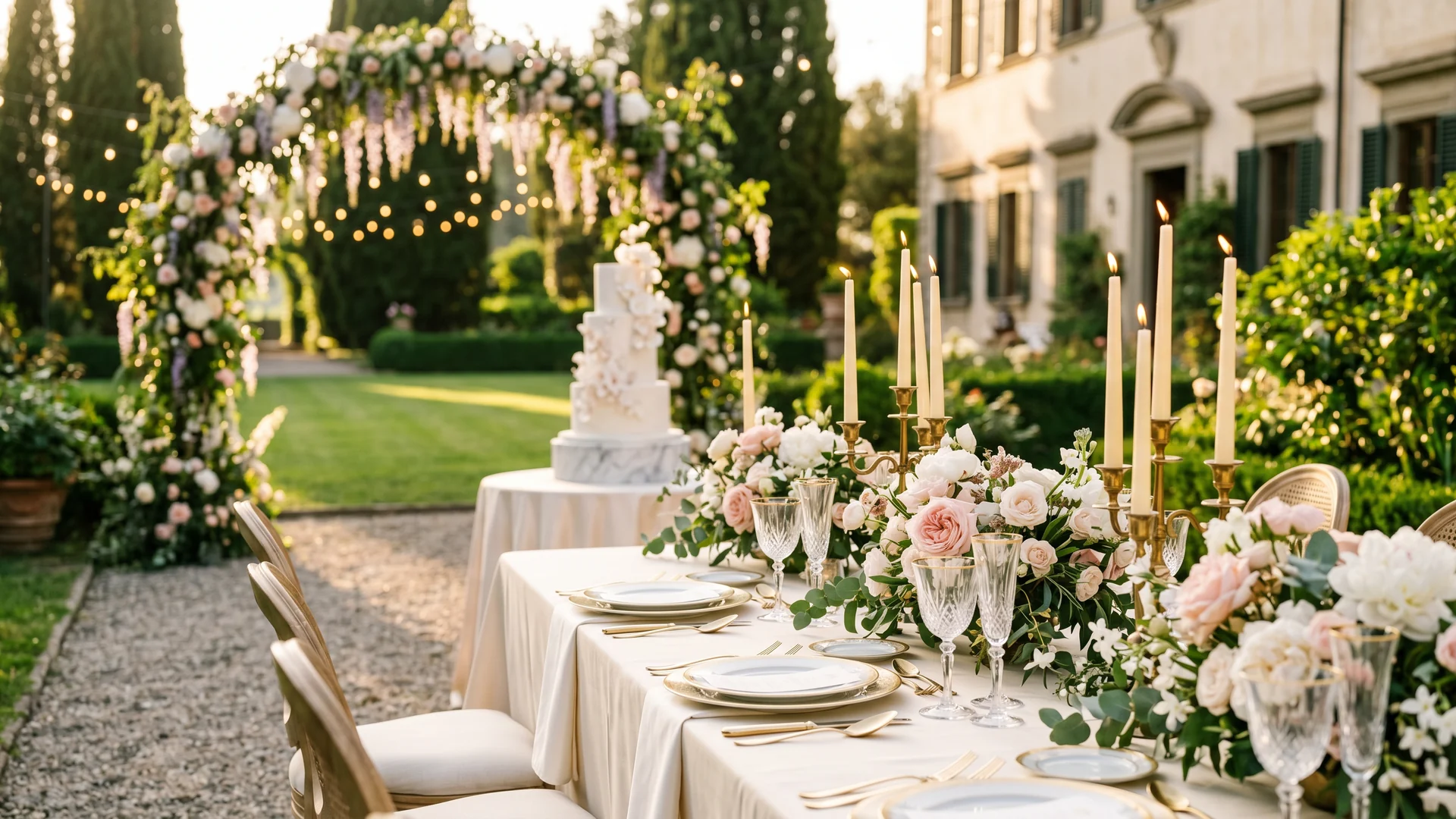
Luxury Wedding Planning: The Ultimate Guide
Luxury wedding planning guide: top destination venues, couture bridal designers, Michelin catering, headline entertainment and elite planners for a fl…
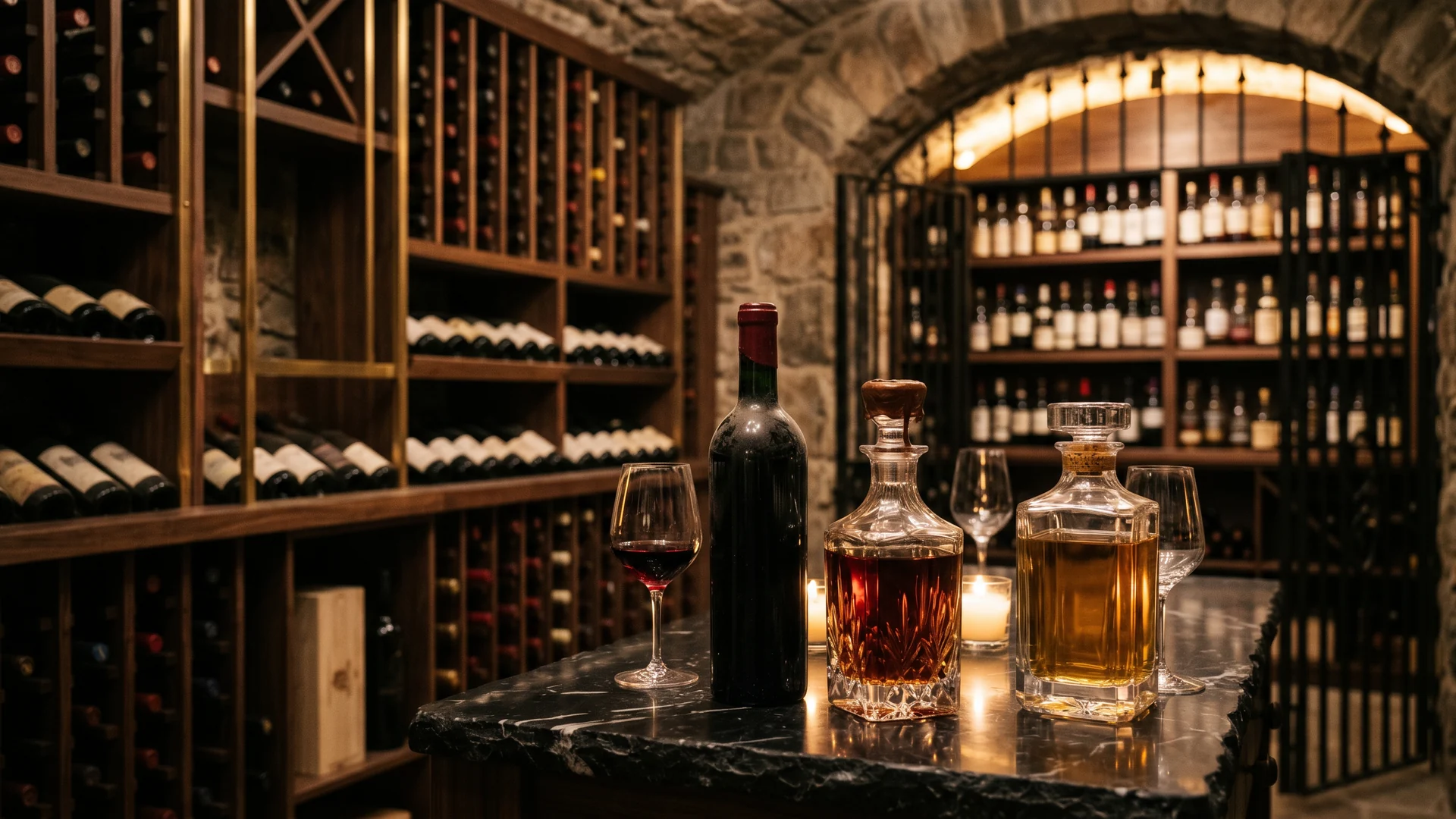
Luxury Wine & Spirits Collecting: The Complete Guide
Luxury wine and spirits collecting guide: how to evaluate investment-grade Bordeaux, Burgundy, Champagne and rare whisky, plus auctions, storage and r…
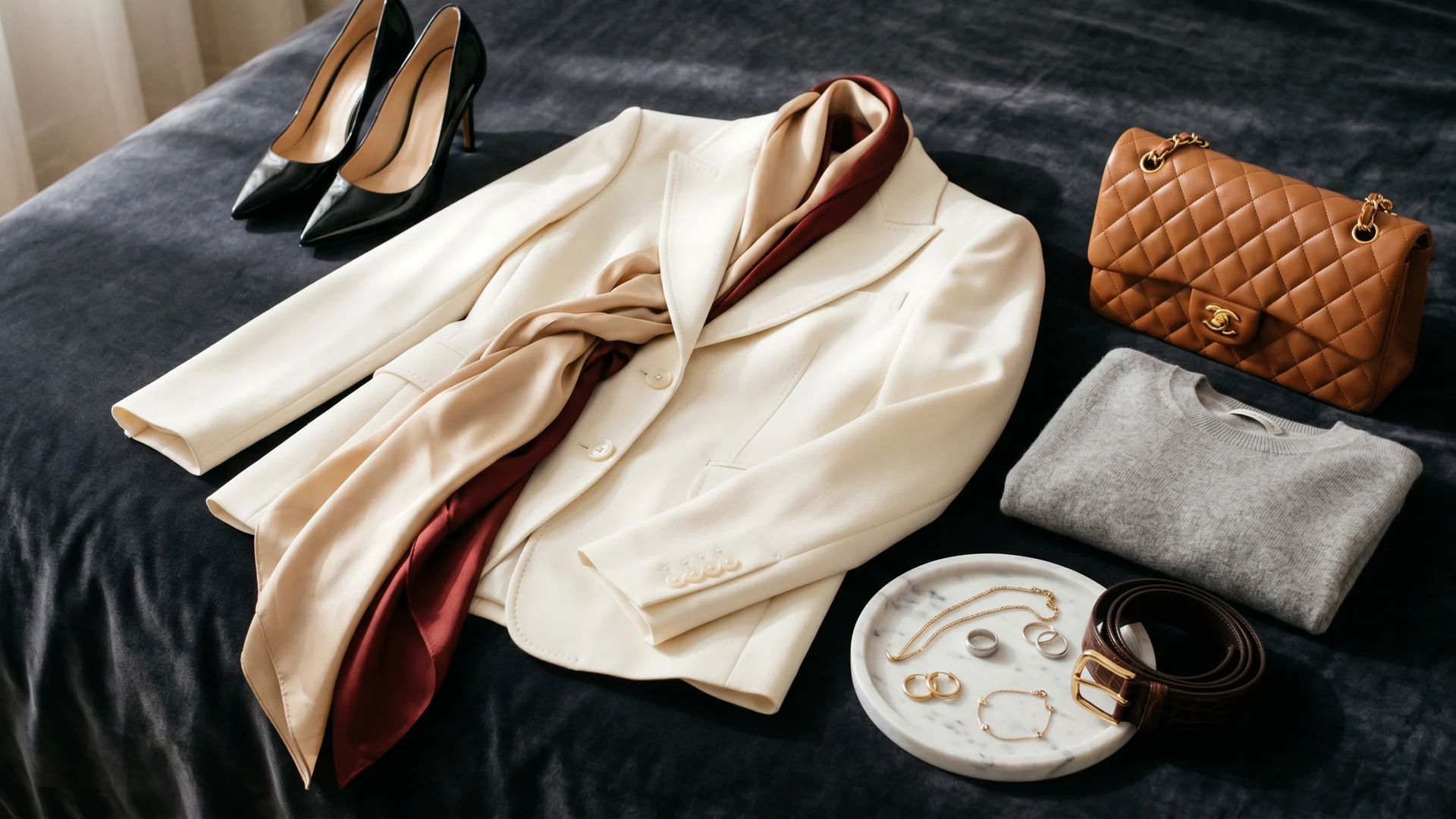
Luxury Fashion: The Complete Style Guide
The complete luxury fashion style guide: bespoke tailoring, haute couture, heritage maisons like Hermes and Chanel, 2026 trends, investment bags and s…