Magazine · Magazine
High-Tea: An Afternoon of Luxury in London
High-tea is a beloved tradition in London, known for its elegance and indulgence. It has become a popular activity for locals and tourists alike, offering a unique and luxurious ex…
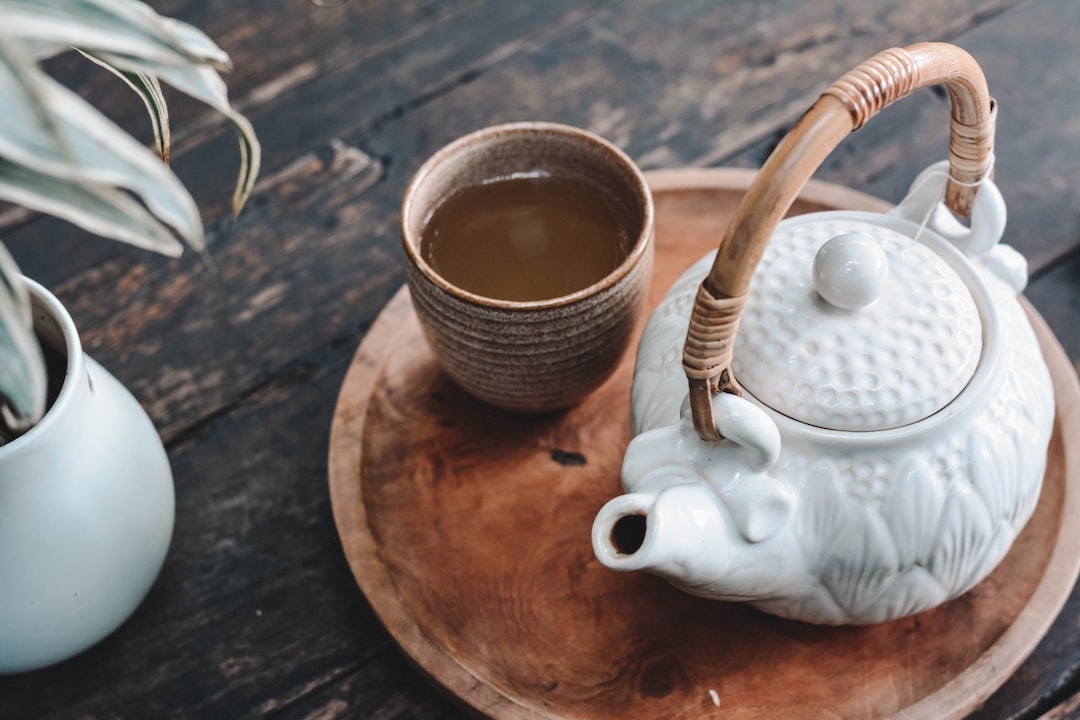
High-tea is a beloved tradition in London, known for its elegance and indulgence. It has become a popular activity for locals and tourists alike, offering a unique and luxurious experience. In this article, we will explore the history of high-tea, the best places in London to experience it, the etiquette and menu of a traditional high-tea service, as well as tips for choosing the perfect tea and making the perfect sandwiches. We will also delve into the quintessential high-tea treats such as scones, clotted cream, and jam, as well as other beverages that can be enjoyed during high-tea. Join us on this journey to discover the art of high-tea in London.
What is High-Tea and Why is it So Popular in London?
High-tea is a formal afternoon meal that originated in Britain in the 19th century. It typically consists of a selection of teas, sandwiches, scones with clotted cream and jam, and various pastries and cakes. The term “high-tea” refers to the height of the dining table where it was traditionally served.
London has embraced high-tea as a cultural tradition and it has become immensely popular for several reasons. Firstly, it offers a chance to experience a taste of British history and tradition. High-tea allows visitors to immerse themselves in the elegance and refinement of a bygone era. Secondly, it provides an opportunity to indulge in delicious food and drink. The carefully curated menu of high-tea offers a variety of flavors and textures that are sure to satisfy even the most discerning palate. Lastly, high-tea is a social activity that brings people together. Whether it’s a gathering of friends or a special occasion with loved ones, high-tea provides an intimate setting for conversation and connection.
The History of High-Tea: From Working-Class Meal to Aristocratic Tradition
The origins of high-tea can be traced back to the working-class meal of the 18th century. During this time, the lower classes would have a substantial meal in the late afternoon or early evening, consisting of tea, bread, butter, and cheese. This meal was known as “high tea” because it was eaten at a high table, as opposed to the low table used for afternoon tea.
In the 19th century, high-tea evolved into an aristocratic tradition. The upper classes began hosting elaborate tea parties in their homes, complete with fine china, silverware, and an array of delicacies. High-tea became a symbol of wealth and status, with hosts competing to create the most extravagant spread. This tradition continues to this day, with high-tea being a luxurious and indulgent experience for those who partake in it.
The Best Places in London to Experience High-Tea: A Guide for Tea Lovers
London is home to numerous establishments that offer high-tea experiences. Here are some recommendations for the best places to experience high-tea in the city:
1. The Ritz: The Ritz is one of the most iconic places in London to enjoy high-tea. Located in the heart of Mayfair, this luxurious hotel offers a traditional high-tea service in its elegant Palm Court. Guests can indulge in a selection of finger sandwiches, freshly baked scones with clotted cream and strawberry preserve, and a variety of pastries and cakes. The Ritz is known for its impeccable service and attention to detail, making it a truly memorable experience.
2. Claridge’s: Claridge’s is another renowned hotel that offers a delightful high-tea experience. Their afternoon tea service takes place in the stunning Art Deco Foyer and Reading Room, providing a glamorous setting for indulging in delicious treats. The menu includes a selection of finger sandwiches, warm scones with clotted cream and Marco Polo gelée, and a range of pastries and cakes. Claridge’s is known for its impeccable service and luxurious ambiance, making it a popular choice for high-tea enthusiasts.
3. Sketch: For those looking for a more contemporary high-tea experience, Sketch is the perfect choice. Located in the trendy neighborhood of Mayfair, Sketch offers a unique and artistic take on high-tea. The Gallery, with its pink velvet seats and quirky artwork, provides a whimsical setting for enjoying a selection of finger sandwiches, scones with clotted cream and strawberry jam, and an assortment of pastries and cakes. Sketch is known for its innovative approach to food and design, making it a must-visit for tea lovers.
The Etiquette of High-Tea: Dos and Don’ts for a Perfect Afternoon
High-tea is steeped in tradition and etiquette. Here are some dos and don’ts to ensure a perfect afternoon:
Dos:
– Dress appropriately: High-tea is a formal affair, so dress in smart attire.
– Arrive on time: It is considered impolite to be late for high-tea.
– Use proper table manners: Remember to use your utensils correctly and avoid talking with your mouth full.
– Engage in polite conversation: High-tea is a social activity, so engage in pleasant conversation with your fellow guests.
– Thank the host: If you are attending high-tea as a guest, be sure to thank the host for their hospitality.
Don’ts:
– Don’t slurp your tea: High-tea is a refined affair, so avoid making noise while drinking your tea.
– Don’t dunk your biscuits: It is considered impolite to dunk your biscuits in your tea.
– Don’t take more than your fair share: High-tea is typically served in a communal setting, so be mindful of others and take only what you need.
– Don’t use your mobile phone: High-tea is a time to disconnect from technology and enjoy the company of others, so avoid using your mobile phone during the meal.
The Menu: What to Expect from a Traditional High-Tea Service in London
A traditional high-tea service in London typically includes a variety of finger sandwiches, scones with clotted cream and jam, and an assortment of pastries and cakes. Here is an overview of each item and its significance:
Finger sandwiches: Finger sandwiches are an essential part of high-tea. They are typically made with thinly sliced bread and filled with a variety of savory ingredients such as cucumber and cream cheese, smoked salmon, or egg and cress. The sandwiches are usually cut into small, bite-sized pieces, making them easy to eat with your fingers.
Scones with clotted cream and jam: Scones are a quintessential part of high-tea. They are small, lightly sweetened bread-like cakes that are often served warm. Scones are traditionally served with clotted cream and jam. The clotted cream is thick and creamy, while the jam is usually strawberry or raspberry. The combination of the warm scone, rich clotted cream, and sweet jam is a delightful treat.
Assortment of pastries and cakes: A high-tea service will typically include a selection of pastries and cakes. These can range from delicate macarons to rich chocolate cakes. The pastries and cakes are often beautifully presented and offer a variety of flavors and textures to satisfy every palate.
Tea Varieties and Pairings: How to Choose the Perfect Brew for Your Tastes
Choosing the perfect tea to accompany your high-tea experience can be a daunting task, as there are numerous varieties to choose from. Here is an overview of tea varieties and their characteristics, as well as tips for choosing the perfect tea to complement your tastes:
Black tea: Black tea is the most common type of tea and is known for its robust flavor. It is often enjoyed with milk and sugar and pairs well with savory foods such as sandwiches and scones.
Green tea: Green tea has a more delicate flavor compared to black tea. It is often enjoyed without milk and pairs well with lighter dishes such as salads and seafood.
Herbal tea: Herbal teas are made from a variety of plants and do not contain any caffeine. They come in a wide range of flavors, from fruity to floral, and can be enjoyed on their own or paired with sweet treats.
Tips for choosing the perfect tea:
– Consider your personal preferences: If you prefer strong flavors, opt for a black tea. If you enjoy lighter flavors, try a green or herbal tea.
– Consider the food you will be eating: Choose a tea that complements the flavors of the food you will be enjoying. For example, if you are having sandwiches with smoked salmon, a light and delicate green tea would be a good choice.
The Art of Sandwich Making: A Crucial Element of High-Tea Culture
Sandwiches are a crucial element of high-tea culture. They are typically served as finger sandwiches, which are small, bite-sized sandwiches that can be eaten with your fingers. Here are some tips for making the perfect sandwich for high-tea:
Choose the right bread: High-tea sandwiches are typically made with thinly sliced bread. Opt for a bread that is soft and easy to bite into, such as white or whole wheat bread.
Use fresh ingredients: High-tea sandwiches should be made with fresh ingredients to ensure the best flavor. Use high-quality meats, cheeses, and vegetables to create delicious fillings.
Cut the sandwiches into small, bite-sized pieces: High-tea sandwiches should be small and easy to eat with your fingers. Cut them into small, bite-sized pieces to make them more manageable.
Experiment with different fillings: High-tea sandwiches offer a chance to get creative with fillings. Try different combinations of meats, cheeses, and vegetables to create unique and delicious sandwiches.
Scones, Clotted Cream and Jam: The Quintessential High-Tea Treats
Scones, clotted cream, and jam are quintessential treats that are enjoyed during high-tea. Here is a description of each item and its significance:
Scones: Scones are small, lightly sweetened bread-like cakes that are often served warm. They have a crumbly texture and are typically flavored with raisins or currants. Scones are an essential part of high-tea and are traditionally served with clotted cream and jam.
Clotted cream: Clotted cream is a thick and creamy dairy product that is made by heating unpasteurized milk until a thick layer of cream forms on the surface. It has a rich and velvety texture and is often spread on scones. Clotted cream is a luxurious treat that adds richness to the scone.
Jam: Jam is a sweet spread made from fruit and sugar. It is typically made from strawberries or raspberries and adds a burst of fruity flavor to the scone. Jam is often spread on top of the clotted cream on the scone.
Beyond Tea: Cocktails, Champagne and Other Beverages to Complement Your High-Tea Experience
While tea is the traditional beverage of choice for high-tea, there are other options available for those who prefer something different. Here are some recommendations for the best cocktails and champagne to complement your high-tea experience:
Cocktails:
– Bellini: A classic cocktail made with peach puree and champagne. The fruity flavors of the Bellini pair well with the sweet treats of high-tea.
– Gin and Tonic: A refreshing cocktail made with gin, tonic water, and a slice of lime. The crisp flavors of the gin and tonic complement the savory sandwiches of high-tea.
Champagne:
– Champagne is a classic choice for celebrating special occasions, and high-tea is no exception. The effervescence and elegance of champagne make it a perfect pairing for the indulgent treats of high-tea.
Other beverages:
– If you prefer non-alcoholic options, consider ordering a pot of herbal tea or a refreshing mocktail. These beverages offer a lighter alternative to tea and can be enjoyed alongside the food.
High-Tea in London: A Luxurious and Indulgent Afternoon to Remember
In conclusion, high-tea in London is a luxurious and indulgent experience that offers a taste of British history and tradition. From its humble origins as a working-class meal to its evolution into an aristocratic tradition, high-tea has become an integral part of British culture. Whether you choose to indulge in finger sandwiches, scones with clotted cream and jam, or an assortment of pastries and cakes, high-tea offers a variety of flavors and textures to satisfy every palate. So, next time you find yourself in London, be sure to treat yourself to a memorable high-tea experience.
More in
More from Magazine
Magazine · 28 min
Luxury Wedding Planning: The Ultimate Guide
Luxury wedding planning guide: top destination venues, couture bridal designers, Michelin catering, headline entertainment and elite planners for a fl…
Magazine · 29 min
Luxury Wine & Spirits Collecting: The Complete Guide
Luxury wine and spirits collecting guide: how to evaluate investment-grade Bordeaux, Burgundy, Champagne and rare whisky, plus auctions, storage and r…
Magazine · 32 min
Luxury Fashion: The Complete Style Guide
The complete luxury fashion style guide: bespoke tailoring, haute couture, heritage maisons like Hermes and Chanel, 2026 trends, investment bags and s…