Magazine · Magazine
Inside the World of Luxury Watches
Luxury watches have long been a symbol of status, style, and sophistication. These timepieces are not just functional accessories; they are works of art that showcase the craftsman…
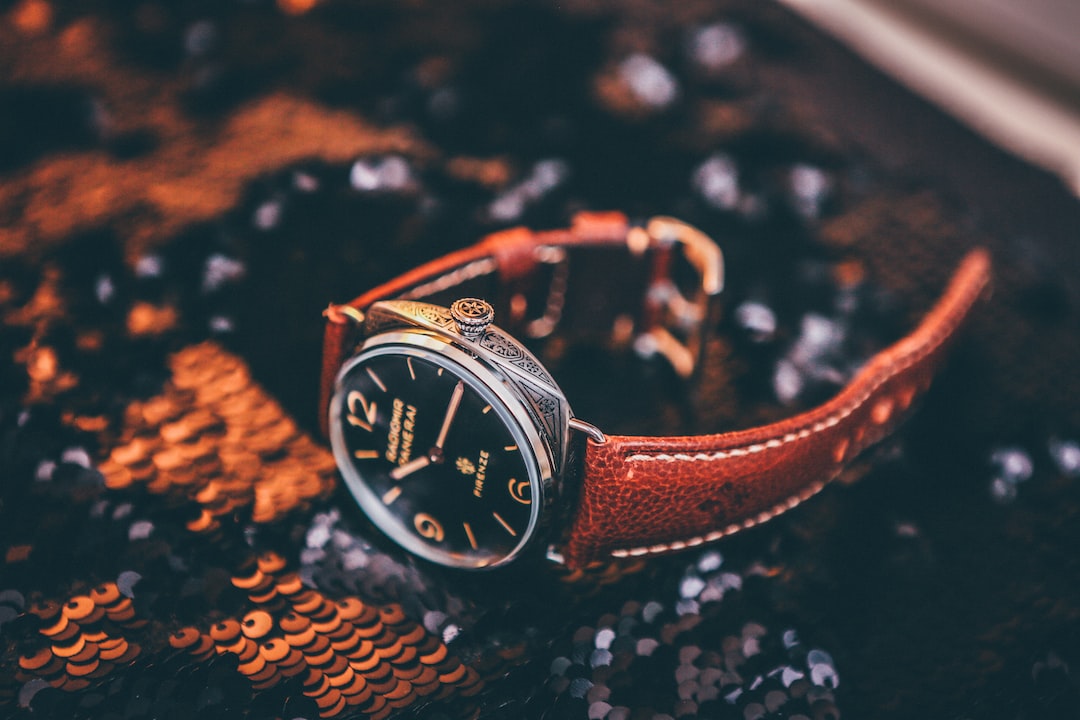
Luxury watches have long been a symbol of status, style, and sophistication. These timepieces are not just functional accessories; they are works of art that showcase the craftsmanship and precision of watchmaking. In the fashion industry, luxury watches play a significant role in completing an outfit and making a statement. From classic designs to innovative complications, luxury watches have become an essential part of the fashion world.
A Brief History of Luxury Watches: From Pocket to Wrist
The history of luxury watches dates back centuries, starting with pocket watches in the 16th century. These early timepieces were worn on chains and kept in pockets, serving as a practical tool for telling time. As technology advanced, watchmakers began to miniaturize the mechanisms and create smaller, more portable timepieces that could be worn on the wrist.
One of the key milestones in the history of luxury watches was the invention of the self-winding mechanism by Abraham-Louis Perrelet in the 18th century. This innovation allowed watches to wind themselves automatically as the wearer moved, eliminating the need for manual winding. Another significant development was the introduction of water-resistant watches by Rolex in the early 20th century, making them suitable for various activities and environments.
The Art of Watchmaking: A Look at the Craftsmanship Behind Luxury Watches
Craftsmanship is at the heart of luxury watchmaking. Each timepiece is meticulously crafted by skilled artisans who dedicate hours, days, and even months to create a single watch. From designing and assembling the movement to hand-finishing and polishing every component, every step in the process requires precision and attention to detail.
The skills required to create a luxury watch are diverse and specialized. Watchmakers must have a deep understanding of mechanics, mathematics, and engineering principles. They must also possess exceptional hand-eye coordination and dexterity to work with tiny components and intricate mechanisms. Additionally, watchmakers must have a keen eye for aesthetics to ensure that the finished product is not only functional but also visually appealing.
The Anatomy of a Luxury Watch: Understanding the Components and Features
A luxury watch is made up of several components, each playing a crucial role in its functionality and design. The movement, also known as the caliber, is the heart of the watch and is responsible for keeping time. There are two types of movements: mechanical and quartz. Mechanical movements are powered by a mainspring and require manual winding or automatic winding through the movement of the wearer’s wrist. Quartz movements, on the other hand, are powered by a battery and use electronic oscillators to keep time.
Other key components of a luxury watch include the case, which houses the movement and protects it from external elements; the dial, which displays the time and other complications; and the hands, which indicate the hours, minutes, and seconds. Luxury watches often feature additional complications, such as chronographs, moon phases, and tourbillons, which add complexity and functionality to the timepiece.
The Role of Precious Materials in Luxury Watches: Gold, Diamonds, and More
Precious materials such as gold, diamonds, and gemstones are commonly used in luxury watches to enhance their aesthetic appeal and value. Gold is a popular choice for watch cases and bracelets due to its durability and timeless elegance. Diamonds and gemstones are often used as hour markers or to adorn the bezel or dial, adding a touch of luxury and glamour.
The use of precious materials in luxury watches significantly impacts their price. The rarity and quality of the materials used can drive up the cost of a timepiece. Additionally, the craftsmanship required to work with these materials adds to the overall value of the watch. Luxury watch brands often collaborate with renowned jewelers to create limited-edition pieces that feature exquisite gemstones and intricate designs.
Iconic Luxury Watch Brands: From Rolex to Patek Philippe
The luxury watch industry is home to several iconic brands that have shaped the industry and set the standard for quality and craftsmanship. Rolex, founded in 1905, is one of the most recognizable luxury watch brands in the world. Known for its precision, durability, and timeless designs, Rolex has become synonymous with luxury and success.
Patek Philippe is another renowned luxury watch brand that has been producing exceptional timepieces since 1839. The brand is known for its complicated movements and exquisite craftsmanship. Patek Philippe watches are highly sought after by collectors and enthusiasts alike.
Other notable luxury watch brands include Audemars Piguet, Jaeger-LeCoultre, and Omega. Each brand has its unique features and design elements that set them apart from the rest.
The World of Complications: Exploring the Complexities of Luxury Watch Design
Complications are additional features or functions in a luxury watch that go beyond basic timekeeping. These complications can range from simple date displays to more complex features such as perpetual calendars, minute repeaters, and tourbillons.
What sets luxury watches apart from their mass-produced counterparts is the level of craftsmanship and engineering required to create these complications. Each complication adds complexity to the movement and requires additional gears, levers, and springs to function correctly. The design and assembly of these intricate mechanisms require a high level of skill and expertise.
The Importance of Heritage and Tradition in Luxury Watchmaking
Heritage and tradition play a significant role in luxury watchmaking. Many luxury watch brands have a rich history that spans several generations, and they take pride in preserving their heritage and traditions. These brands often draw inspiration from their past designs and techniques while incorporating modern innovations to create timepieces that are both timeless and contemporary.
Preserving heritage and tradition is not just about paying homage to the past; it is also about maintaining the high standards of quality and craftsmanship that have been established over the years. Luxury watch brands often have dedicated teams of artisans and watchmakers who specialize in traditional techniques, ensuring that the brand’s legacy is carried forward.
The Rise of Smartwatches: How Luxury Brands are Adapting to the Digital Age
The emergence of smartwatches has disrupted the luxury watch industry, posing new challenges and opportunities for traditional watchmakers. Smartwatches offer a range of features beyond timekeeping, such as fitness tracking, notifications, and mobile payments. These digital devices appeal to a younger, tech-savvy audience who value functionality and connectivity.
Luxury watch brands have responded to this shift by incorporating smart features into their timepieces while maintaining their commitment to craftsmanship and design. Some luxury brands have partnered with technology companies to create hybrid watches that combine traditional watchmaking with smart functionalities. These hybrid watches offer the best of both worlds, allowing wearers to enjoy the elegance and craftsmanship of a luxury watch while benefiting from the convenience of smart features.
The Luxury Watch Market: Trends, Challenges, and Opportunities
The luxury watch market is constantly evolving, driven by changing consumer preferences, technological advancements, and global economic factors. One of the key trends in the market is the growing demand for vintage and limited-edition watches. Collectors and enthusiasts are willing to pay a premium for rare and unique timepieces that tell a story and hold historical value.
Another trend in the luxury watch market is the increasing focus on sustainability and ethical practices. Consumers are becoming more conscious of the environmental impact of their purchases and are seeking out brands that prioritize sustainability in their production processes.
However, the luxury watch industry also faces several challenges. One of the main challenges is competition from smartwatches and other digital devices. Luxury watch brands must find ways to differentiate themselves from these digital competitors while staying true to their heritage and craftsmanship.
Despite these challenges, the luxury watch market presents several opportunities for growth. Emerging markets, such as China and India, offer significant potential for luxury watch brands. These markets have a growing middle class with increasing disposable income and a desire for luxury goods.
The Future of Luxury Watches: What to Expect in the Years Ahead
The future of luxury watches is likely to be shaped by technological advancements and changing consumer preferences. One of the key trends that will continue to influence the industry is the integration of smart features into traditional timepieces. Luxury watch brands will need to find innovative ways to incorporate technology without compromising on craftsmanship and design.
Another trend that is expected to gain momentum is customization. Consumers are increasingly seeking personalized products that reflect their individual style and taste. Luxury watch brands may offer customization options, allowing customers to choose the materials, colors, and complications that best suit their preferences.
Additionally, sustainability and ethical practices are likely to become even more important in the luxury watch industry. Brands will need to adopt sustainable production methods, use ethically sourced materials, and communicate their commitment to environmental and social responsibility.
Luxury watches have a long and rich history that spans centuries. These timepieces are not just functional accessories; they are works of art that showcase the craftsmanship and precision of watchmaking. From classic designs to innovative complications, luxury watches have become an essential part of the fashion world.
The future of luxury watches is likely to be shaped by technological advancements, changing consumer preferences, and global economic factors. Luxury watch brands will need to adapt to these changes while staying true to their heritage and craftsmanship. By embracing innovation, sustainability, and customization, luxury watch brands can continue to thrive in the digital age while maintaining their status as symbols of style and sophistication.
More in
More from Magazine
Magazine · 28 min
Luxury Wedding Planning: The Ultimate Guide
Luxury wedding planning guide: top destination venues, couture bridal designers, Michelin catering, headline entertainment and elite planners for a fl…

Magazine · 29 min
Luxury Wine & Spirits Collecting: The Complete Guide
Luxury wine and spirits collecting guide: how to evaluate investment-grade Bordeaux, Burgundy, Champagne and rare whisky, plus auctions, storage and r…
Magazine · 32 min
Luxury Fashion: The Complete Style Guide
The complete luxury fashion style guide: bespoke tailoring, haute couture, heritage maisons like Hermes and Chanel, 2026 trends, investment bags and s…