Magazine · Magazine
Investing in Time: The Market for Vintage and Collector’s Watches
Vintage and collector’s watches have become increasingly popular in recent years. People are drawn to the unique designs, craftsmanship, and historical significance of these …
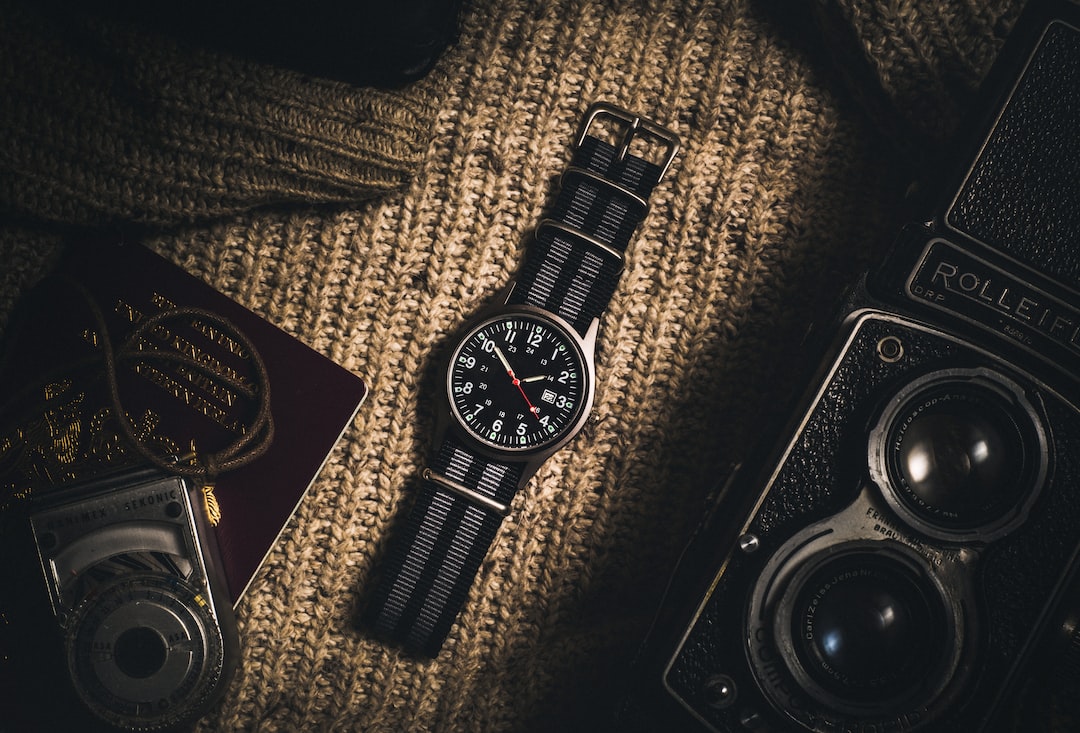
Vintage and collector’s watches have become increasingly popular in recent years. People are drawn to the unique designs, craftsmanship, and historical significance of these timepieces. In addition to their aesthetic appeal, investing in watches can also be a smart financial decision. This article will explore the growing popularity of vintage and collector’s watches, the benefits of investing in watches, the different types of watches to invest in, how to identify authentic watches, factors to consider when investing, the role of auctions in the watch market, the future outlook for watch investment, and the risks and rewards associated with investing in watches.
The Growing Popularity of Vintage and Collector’s Watches
There has been a noticeable trend towards vintage and collector’s watches in recent years. People are increasingly looking for unique and one-of-a-kind pieces that reflect their personal style and taste. Vintage watches offer a sense of nostalgia and history that cannot be replicated by modern timepieces. Additionally, collector’s watches are seen as a status symbol and a way to showcase wealth and taste.
The market for vintage and collector’s watches has experienced significant growth in recent years. According to a report by Knight Frank, the global market for luxury collectibles, including watches, grew by 5% in 2018. This growth can be attributed to several factors, including increased interest from younger generations, rising disposable incomes, and a growing appreciation for craftsmanship and quality.
There are several reasons why vintage and collector’s watches have become so popular. Firstly, they offer a unique investment opportunity. Unlike other luxury goods that may depreciate over time, vintage watches have the potential to increase in value. This is due to their rarity, historical significance, and the demand from collectors. Additionally, vintage watches are often seen as a form of wearable art. They combine functionality with aesthetics, making them highly desirable among watch enthusiasts.
Why Investing in Watches is a Smart Financial Decision
Investing in watches can be a smart financial decision for several reasons. Firstly, watches have a track record of appreciating in value over time. Unlike other luxury goods that may lose their value as trends change, vintage and collector’s watches have a timeless appeal that transcends fashion. This means that even if the market fluctuates, the value of a well-maintained watch is likely to increase over time.
Compared to other investment options, watches offer a tangible and enjoyable asset. While stocks and bonds may provide financial returns, they lack the physicality and emotional connection that comes with owning a watch. Watches can be worn and enjoyed on a daily basis, providing both utility and pleasure.
There are numerous examples of successful watch investments. For instance, the Rolex Daytona has consistently increased in value over the years. In 2017, a vintage Rolex Daytona sold for a record-breaking $17.8 million at auction. This demonstrates the potential for significant returns on investment in the watch market.
The Benefits of Owning Vintage and Collector’s Watches
In addition to their financial benefits, owning vintage and collector’s watches also offers several non-financial advantages. Firstly, these timepieces have a rich historical and cultural significance. They often tell a story about the era in which they were made and the craftsmanship of the time. Owning a vintage watch allows you to connect with the past and appreciate the artistry that went into creating it.
Furthermore, owning vintage and collector’s watches can bring personal enjoyment and satisfaction. Wearing a unique and rare timepiece can make you feel special and stand out from the crowd. It can also be a conversation starter and a way to connect with others who share your passion for watches.
The Different Types of Vintage and Collector’s Watches to Invest In
There are several categories of vintage and collector’s watches to consider when investing. These include classic brands such as Rolex, Omega, and Patek Philippe, as well as more niche brands like Audemars Piguet and Jaeger-LeCoultre. Each brand has its own unique style and appeal, so it’s important to do your research and find the one that resonates with you.
Within each brand, there are also specific models that are highly sought after by collectors. For example, the Rolex Submariner and the Omega Speedmaster are both iconic models that have a strong following. These watches are known for their durability, precision, and timeless design.
When choosing a watch to invest in, there are several factors to consider. Firstly, you should look for watches that are in good condition and have been well-maintained. Watches with original parts and documentation are generally more valuable than those that have been modified or repaired.
You should also consider the rarity of the watch. Limited edition models or watches with unique features are more likely to appreciate in value over time. Additionally, the provenance of the watch can also impact its value. If a watch has a notable history or was owned by a famous individual, it may be more desirable to collectors.
How to Identify Authentic Vintage and Collector’s Watches
Authenticity is crucial when investing in vintage and collector’s watches. There are many counterfeit watches on the market, so it’s important to know how to identify genuine timepieces. One of the best ways to ensure authenticity is to purchase from reputable dealers or auction houses that specialize in vintage watches.
There are several tips for identifying authentic watches. Firstly, you should examine the craftsmanship and quality of the watch. Genuine watches are made with precision and attention to detail, whereas counterfeit watches may have flaws or inconsistencies.
You should also look for specific markings or engravings that indicate the authenticity of the watch. For example, Rolex watches have a unique serial number and model number engraved on the case. These numbers can be cross-referenced with Rolex’s database to verify the authenticity of the watch.
There are also warning signs to watch out for when it comes to fake watches. These include poor quality materials, misspelled brand names or logos, and incorrect or inconsistent markings. If a deal seems too good to be true, it probably is.
Factors to Consider When Investing in Vintage and Collector’s Watches
There are several factors to consider when investing in vintage and collector’s watches. Firstly, the condition of the watch is crucial. Watches that have been well-maintained and are in good working order are generally more valuable than those that require repairs or restoration.
Rarity is another important factor to consider. Limited edition models or watches with unique features are more likely to appreciate in value over time. Additionally, watches with a notable history or provenance may also be more desirable to collectors.
Market trends and demand should also be taken into account. It’s important to research the current market conditions and understand what collectors are looking for. This can help you make informed decisions about which watches to invest in.
The Role of Auctions in the Vintage and Collector’s Watch Market
Auctions play a significant role in the vintage and collector’s watch market. They provide a platform for buyers and sellers to come together and determine the value of a watch. Auctions can be a great way to acquire rare and unique timepieces that may not be available through other channels.
There have been several successful auction sales in the watch market. For example, in 2017, a Rolex Daytona once owned by Paul Newman sold for $17.8 million at auction, making it the most expensive wristwatch ever sold. This demonstrates the potential for significant returns on investment through auctions.
Participating in watch auctions requires careful research and preparation. It’s important to set a budget and stick to it, as auctions can be competitive and prices can quickly escalate. It’s also a good idea to attend auctions in person if possible, as this allows you to inspect the watches and gauge the level of interest from other bidders.
The Future of Vintage and Collector’s Watches as an Investment
The future outlook for vintage and collector’s watches as an investment is positive. The market has been growing steadily in recent years, and there is no sign of this trend slowing down. As more people become interested in watches and appreciate their value, the demand for vintage and collector’s watches is likely to increase.
There are several predictions for growth and trends in the watch market. Firstly, there is a growing interest in vintage watches from younger generations. Millennials and Gen Z are increasingly looking for unique and sustainable alternatives to mass-produced fashion items. Vintage watches offer a way to express individuality and stand out from the crowd.
Additionally, there is a growing appreciation for independent watchmakers. These smaller, artisanal brands offer a level of craftsmanship and exclusivity that cannot be found in mass-produced watches. As more people become aware of these independent brands, their value is likely to increase.
However, there are also potential risks and challenges associated with investing in vintage and collector’s watches. The market can be volatile, and prices can fluctuate based on factors such as economic conditions and changing tastes. It’s important to do thorough research and seek advice from experts before making any investment decisions.
Risks and Rewards of Investing in Vintage and Collector’s Watches
Investing in vintage and collector’s watches comes with both risks and rewards. On the one hand, there is the potential for significant financial returns. Vintage watches have a track record of appreciating in value over time, making them a potentially lucrative investment.
There are numerous examples of successful watch investments. For instance, a vintage Rolex Daytona once owned by Paul Newman sold for $17.8 million at auction in 2017. This demonstrates the potential for significant returns on investment in the watch market.
However, there are also risks associated with watch investment. The market can be volatile, and prices can fluctuate based on factors such as economic conditions and changing tastes. Additionally, there is the risk of counterfeit watches. It’s important to do thorough research and seek advice from experts to minimize these risks.
How to Build a Successful Watch Collection for Investment Purposes
Building a successful watch collection for investment purposes requires careful planning and research. Firstly, you should set a budget and determine how much you are willing to invest in watches. This will help guide your purchasing decisions and ensure that you don’t overspend.
When choosing watches to add to your collection, it’s important to consider factors such as condition, rarity, and provenance. Watches that are in good condition and have been well-maintained are generally more valuable than those that require repairs or restoration. Additionally, limited edition models or watches with unique features are more likely to appreciate in value over time.
Managing and growing a watch collection also requires careful attention. It’s important to regularly maintain and service your watches to ensure that they remain in good working order. Additionally, staying informed about market trends and demand can help you make informed decisions about when to buy or sell watches.
In conclusion, vintage and collector’s watches have become increasingly popular in recent years. People are drawn to the unique designs, craftsmanship, and historical significance of these timepieces. Investing in watches can be a smart financial decision, as they have a track record of appreciating in value over time.
Owning vintage and collector’s watches also offers several non-financial benefits, including the opportunity to connect with history and culture, as well as personal enjoyment and satisfaction. There are several categories of vintage and collector’s watches to consider when investing, each with its own unique appeal.
When investing in vintage and collector’s watches, it’s important to consider factors such as condition, rarity, and provenance. Authenticity is crucial, so it’s important to know how to identify genuine watches and avoid counterfeit ones. Auctions play a significant role in the watch market and can be a great way to acquire rare and unique timepieces.
The future outlook for vintage and collector’s watches as an investment is positive, but there are also potential risks and challenges. It’s important to do thorough research and seek advice from experts before making any investment decisions. Building a successful watch collection requires careful planning and management, but can be a rewarding and enjoyable endeavor.
More in
More from Magazine
Magazine · 28 min
Luxury Wedding Planning: The Ultimate Guide
Luxury wedding planning guide: top destination venues, couture bridal designers, Michelin catering, headline entertainment and elite planners for a fl…

Magazine · 29 min
Luxury Wine & Spirits Collecting: The Complete Guide
Luxury wine and spirits collecting guide: how to evaluate investment-grade Bordeaux, Burgundy, Champagne and rare whisky, plus auctions, storage and r…
Magazine · 32 min
Luxury Fashion: The Complete Style Guide
The complete luxury fashion style guide: bespoke tailoring, haute couture, heritage maisons like Hermes and Chanel, 2026 trends, investment bags and s…