Luxury Holiday Home Ownership: The Complete Guide to Buying Your Dream Vacation Property
The Rise of the Second Home Economy The global second home market has undergone a seismic shift over the past decade. What was once the exclusive domain of the ultra-wealthy has tr…
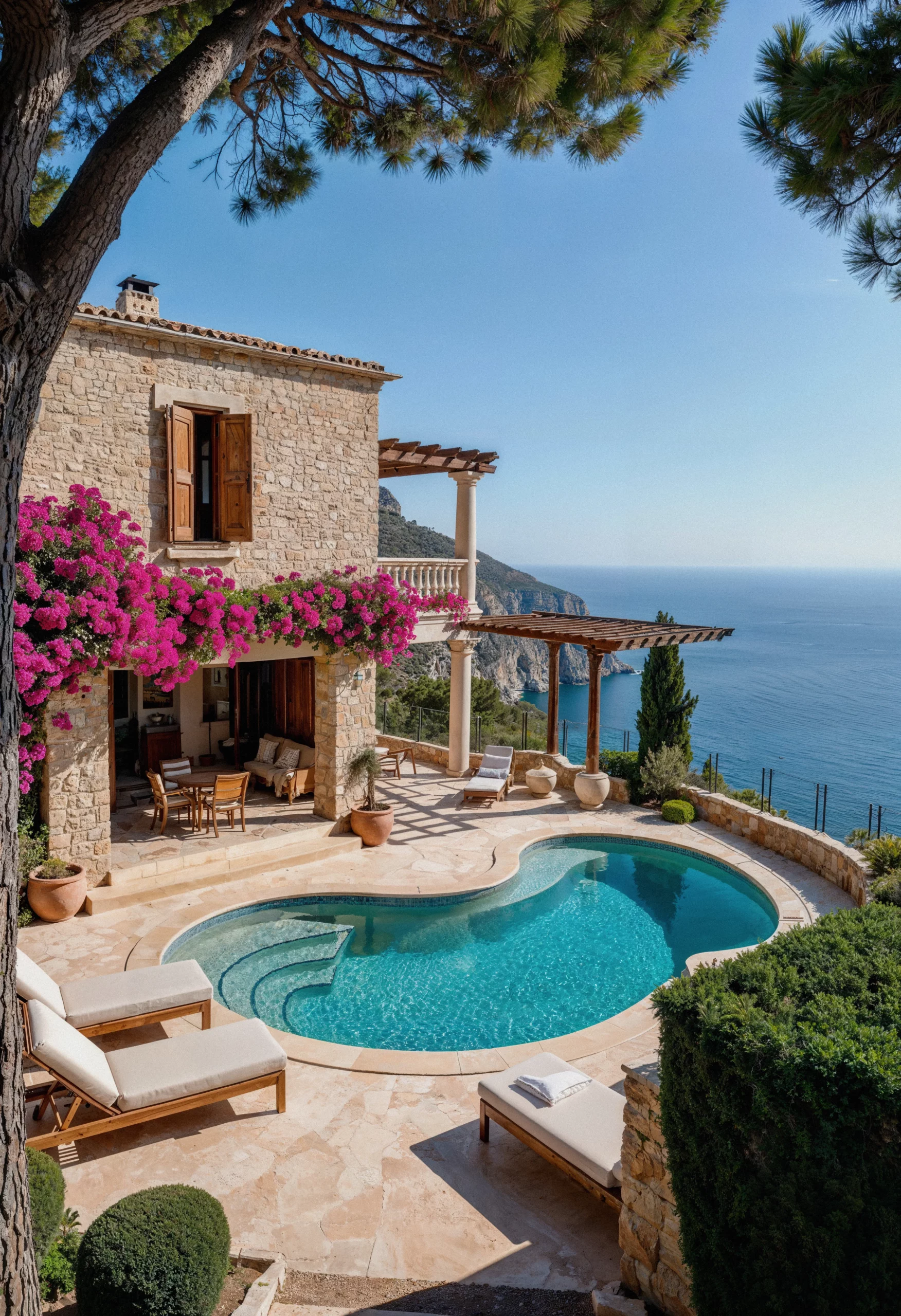
The Rise of the Second Home Economy
The global second home market has undergone a seismic shift over the past decade. What was once the exclusive domain of the ultra-wealthy has transformed into a growing asset class attracting high-net-worth professionals, digital nomads, and forward-thinking investors. According to Knight Frank’s 2025 Wealth Report, the number of individuals owning a second residence outside their home country grew by 34% between 2019 and 2025, driven by remote work flexibility, a desire for geographic diversification, and the increasing ease of international property transactions.
Today’s luxury holiday home buyer is no longer a retiree seeking a sun-drenched escape, they are as likely to be a 42-year-old tech executive hedging against political uncertainty, a family building a multi-generational legacy asset, or an entrepreneur monetising a property through premium short-term rentals. The global vacation rental market surpassed $100 billion in 2025, with the luxury segment, properties commanding $1,000+ per night, growing at nearly twice the rate of the broader market. Destinations like the Balearics, the Algarve, and the Caribbean have seen prime property values appreciate between 8% and 15% year-on-year, outpacing most primary residence markets.
Why Buy a Luxury Holiday Home
The motivations behind purchasing a luxury holiday home are rarely singular. Most buyers operate at the intersection of lifestyle aspiration, financial strategy, and legacy planning. Understanding where you sit on this spectrum determines everything from location choice to ownership structure.
Lifestyle vs Investment
The tension between buying with your heart and buying with your spreadsheet is especially acute in the holiday home market. A property that delivers peak personal enjoyment, a secluded Balearic finca with sunset sea views, may not be the highest-yielding rental asset. Conversely, a three-bedroom apartment in a branded residence in Phuket might generate exceptional rental returns but feel less like a personal sanctuary.
Pure lifestyle buyers prioritise emotional connection. They typically use their property 8bis16 weeks annually and accept lower or zero rental income in exchange for total control. For them, the return on investment is measured in morning swims, family gatherings, and the intangible luxury of belonging to a place. Investment-first buyers treat the property as a yield-generating asset, targeting high-demand rental markets with professional management. They typically occupy their property 2bis4 weeks annually and expect net yields between 4% and 8%. Most successful acquisitions land in the middle: a property you love that also covers its costs through selective rental income.
The Rental Income Equation
The rental mathematics of a luxury holiday home can be surprisingly compelling, or disappointingly thin, depending on location and management quality. A well-located four-bedroom villa in the Balearics might command €3,500, €8,000 per week during the 12-week peak summer season, with shoulder-season weeks at €2,000, €4,000, and winter months generating minimal income.
The critical variables are season length (Mediterranean: 12bis16 weeks; Caribbean: year-round but with hurricane season discounts; Alpine: dual winter-summer peaks), occupancy rate (60bis75% during peak season is strong; 35bis50% blended annually), management costs (20bis35% of gross rental revenue for full-service; branded residences may charge 40bis50%), and operating expenses (25bis40% of gross rental income). A realistic net yield projection falls between 3% and 6% annually. Combined with capital appreciation, averaging 5bis10% in prime markets, and the imputed value of personal use, the total return becomes far more attractive.
Where to Buy: The World’s Best Holiday Home Markets
Mediterranean: Costa del Sol, Balearics, Côte d’Azur, Amalfi Coast
The Mediterranean remains the spiritual home of the European holiday property. Spain’s Costa del Sol offers exceptional value relative to its French and Italian peers, with luxury villas in Marbella’s Golden Mile ranging from €2 million to €20 million. The Balearics, particularly Mallorca’s southwest coast and Ibiza’s northern enclaves, command premium pricing (€3, €15 million) but benefit from intense seasonal demand and extraordinary nightly rates. The Côte d’Azur represents the pinnacle of Mediterranean prestige, with properties in Saint-Jean-Cap-Ferrat and Saint-Tropez trading at €5, €100 million and limited supply maintaining price resilience. The Amalfi Coast offers unique vertical architecture and views that command premium pricing from American and Northern European buyers.
Alpine: Swiss Alps, French Alps, Dolomites
Alpine property markets have been transformed by climate change. As snow reliability declines at lower elevations, premium ski-in/ski-out properties at high-altitude resorts have seen disproportionate appreciation. Verbier, Zermatt, and St. Moritz in Switzerland represent the gold standard, with chalets trading between CHF 5 million and CHF 50 million, benefiting from political stability and permissive foreign ownership in designated tourist zones. The French Alps, Courchevel 1850, Megève, and Val d’Isère, offer skiing prestige plus summer appeal. The Dolomites in northern Italy are an emerging market with UNESCO-protected scenery and dual summer-winter seasons, increasingly appealing to buyers priced out of traditional Alpine resorts.
Caribbean: St. Barths, Turks and Caicos, Barbados
The Caribbean luxury market operates on a different rhythm. St. Barths remains the region’s crown jewel, with beachfront villas trading between €5 million and €50 million and commanding the highest holiday rental rates in the hemisphere, €15,000, €150,000 per week during the Christmas/New Year peak. Strict building codes and limited development create a supply-constrained market with exceptional price resilience. Turks and Caicos offers a more accessible entry point ($2, $15 million) with a longer rental season driven by consistent weather and direct flights from major US hubs. Barbados combines Caribbean lifestyle with British legal infrastructure on the Platinum Coast ($3, $30 million).
Asia-Pacific: Phuket, Bali, Fiji
Phuket, Thailand, offers exceptional value, luxury pool villas with sea views range from $500,000 to $5 million, with a strong rental market, low cost of living, and Thailand’s well-established legal framework for foreign leasehold ownership. Bali has experienced a luxury property boom in Canggu, Uluwatu, and Ubud ($300,000, $5 million), though the Indonesian ownership structure requires careful legal navigation. Fiji represents the aspirational Pacific dream: freehold ownership is available to foreigners in designated areas, and the private-island rental market generates exceptional per-night rates for the ultra-luxury segment.
The Legal Landscape: What You Must Know
Cross-border property ownership introduces legal complexity that can derail even the most enthusiastic buyer. Local expertise is not optional, it is the price of admission.
Foreign Ownership Restrictions
Every country maintains its own rules:
- Thailand: Foreigners cannot own land outright. The standard structure is a 30-year leasehold (renewable) combined with freehold ownership of the structure, or purchasing within a condominium development where foreign freehold quotas exist.
- Indonesia (Bali): Freehold is reserved for Indonesian citizens. Foreigners typically use leasehold or the right-to-use title (Hak Pakai), which can be granted for 25bis80 years. Nominee arrangements are common but legally precarious.
- Switzerland: Foreign non-residents face strict quotas (Lex Koller) limiting purchases in designated tourist areas. Obtaining a permit can take months and is not guaranteed.
- Spain and France: Generally open to foreign ownership, though local planning and coastal protection laws can restrict development. The notarial system differs significantly from common-law jurisdictions.
Engage an independent, bilingual lawyer specialising in foreign property transactions before signing anything. Legal fees of €5,000, €20,000 are trivial compared to the cost of unwinding a poorly structured purchase.
Tax Implications Across Borders
The tax dimension is a multi-jurisdictional puzzle. Purchase taxes vary dramatically. Spain charges 6bis10% transfer tax; France applies approximately 5.8% notary fees; St. Barths has minimal transfer costs. Annual property taxes are typically modest (0.1bis1% of cadastral value). Rental income taxation depends on residency status. Spain applies 24% for non-resident EU citizens; France taxes non-residents at a minimum of 20%. Capital gains tax on sale varies: Spain charges 19% for non-residents; France exempts gains after 22 years. Inheritance and succession is the most overlooked dimension. French forced heirship rules can override a foreign will, and Spanish inheritance tax varies dramatically by region.
Financing Your Holiday Home
Financing a cross-border property purchase requires navigating a different lending landscape. In Spain and France, non-resident mortgages are readily available at 60bis70% loan-to-value, with interest rates typically 0.5bis1.5% above domestic rates. Some French banks offer prêt in fine (interest-only) structures. In Switzerland, foreign buyers access mortgages through private banks at conservative LTVs (50bis60%). In Thailand, local bank financing for foreigners is extremely limited, most purchases are cash or financed through the buyer’s home country.
An increasingly popular alternative is equity release from the buyer’s primary residence. By remortgaging or taking a home equity line of credit in their home country, where they have established credit history and typically lower rates, buyers can fund a holiday home in cash, simplifying the transaction and improving their negotiating position.
Property Management: Making It Work from Afar
The difference between a holiday home that generates joy and income and one that generates stress is almost always the quality of local management. You cannot manage a property from 5,000 kilometres away, you need boots on the ground.
A comprehensive management ecosystem includes rental management (dynamic pricing, guest screening, 24/7 support), housekeeping and maintenance (cleaning, laundry, pool and garden upkeep), concierge services (private chefs, yacht charters, airport transfers), financial management (bill payment, tax filing, consolidated reporting), and legal and regulatory compliance (short-term rental licensing, which in Mallorca can carry fines up to €40,000). The best arrangements align incentives: the manager earns a percentage of revenue, so both parties benefit from maximising occupancy and rates.
The Golden Visa and Residency Play
For many buyers, a luxury holiday home is also a strategic relocation asset. Several countries offer residency-by-investment programmes, colloquially “Golden Visas”, in exchange for property purchases above specified thresholds.
Greece currently offers one of the most accessible programmes: a €400,000 property purchase (€800,000 in Athens, Thessaloniki, and major islands) grants a five-year renewable residency permit with visa-free Schengen travel. Spain’s Golden Visa (€500,000 property purchase) remains operational, though political momentum toward reform has intensified. Malta and Cyprus maintain programmes with higher thresholds (€300,000, €2 million) but faster paths to permanent residency. Beyond Europe, Thailand’s Long-Term Resident visa and Malaysia’s MM2H programme offer compelling alternatives. The key insight: a property qualifying for residency carries embedded “option value”, it will be more liquid and command a premium from future buyers.
Designing for Seasonal Living
A holiday home is not simply a primary residence transplanted to a prettier location. The design brief is fundamentally different: the property must deliver peak emotional impact during concentrated use periods, function efficiently during long absences, and withstand environmental conditions that differ from year-round habitation.
Key design principles include indoor-outdoor flow, retractable glass walls, covered terraces as open-air living rooms, outdoor kitchens, because in Mediterranean and tropical climates, you’re buying the outdoor lifestyle. Climate-responsive design is essential: Alpine properties need robust rapid-heating systems and heated driveways; tropical properties demand cross-ventilation, ceiling fans, and dehumidification. Lock-and-leave security via smart home systems, remote cameras, leak sensors, automated lighting, is not a luxury but essential infrastructure. Low-maintenance materials (marine-grade stainless steel, UV-stabilised fabrics, porcelain flooring) reduce the maintenance burden in coastal salt-air environments. Flexible sleeping configurations, convertible king/twin bedrooms, bunk rooms, ground-floor bedrooms, dramatically increase rental appeal.
The Sustainability Factor in Holiday Homes
Sustainability has moved from “nice-to-have” to a core value driver in luxury real estate. Today’s high-end buyers, particularly the under-50 demographic, actively seek properties with strong environmental credentials. The EU’s Energy Performance of Buildings Directive is progressively tightening requirements toward net-zero emissions by 2050, and properties with poor energy ratings already see valuation discounts in markets like France and Spain.
Practical measures that add genuine value include solar photovoltaic systems with battery storage (now cheaper than grid electricity in sun-rich locations), geothermal or air-source heat pumps (reducing energy consumption by 50bis70%), rainwater harvesting and greywater recycling for irrigation in water-stressed regions, native drought-resistant landscaping that eliminates irrigation needs, and sustainable construction materials, reclaimed wood, low-carbon concrete, locally quarried stone. Properties with certifications like BREEAM or LEED command a growing premium in both sale price and rental rates.
Exit Strategy: When to Sell Your Second Home
Every purchase should begin with a clear-eyed view of the exit. Holiday homes are illiquid assets, selling can take 6bis18 months in normal markets. The three primary exit scenarios are: strategic sale at market peak when the property no longer aligns with your lifestyle; legacy transfer to children or a family trust, requiring years of advance tax and legal planning (holding structures like an SCI or Spanish SL must be set up at purchase, not retrofitted); and conversion to full-time rental asset as personal use declines, often involving renovation and professional management.
The cardinal rule: do not be a forced seller. Maintain sufficient liquidity to carry the property through a market downturn. The owners who lose money on holiday homes are almost always those who bought at the peak with excessive leverage and were forced to sell during the trough.
Your Holiday Home Acquisition Checklist
- Define your strategy: Clarity on lifestyle versus investment priorities, budget (including all taxes and fees), personal use pattern, and exit timeline before viewing a single property.
- Select your market: Research ownership restrictions, tax regimes, rental market depth, and currency exposure. Visit in both high and low season. Talk to existing foreign owners.
- Assemble your team: Independent bilingual lawyer, local accountant, mortgage broker (if financing), and a buyer’s agent. This team should be in place before making any offer.
- Conduct comprehensive due diligence: Title search, planning and zoning verification, building permit review, coastal protection compliance, energy performance certificate, community charges. In some jurisdictions, a nota simple (Spain) or equivalent title extract is the starting point, not the endpoint.
- Structure the purchase: Determine the optimal holding structure (personal name, joint ownership, company, trust) based on tax advice from both your home country and the property’s jurisdiction. The wrong structure at purchase can cost hundreds of thousands later.
- Negotiate and contract: In most civil-law countries, a preliminary contract (compromis de vente in France, contrato de arras in Spain) secures the property with a 5bis10% deposit. The deposit is typically forfeited if you withdraw without cause.
- Plan management before completion: Engage a property management company, establish local bank accounts, set up utilities, and arrange insurance before you receive the keys.
- Complete and furnish: The purchase deed is signed before a notary. Funds must be in place, cleared, in the correct currency. Professional interior design with rental optimisation expertise pays for itself within the first season.
For more expert insights on luxury property acquisition, investment strategies, and global real estate trends, explore our comprehensive guides at laxary.com/topics/real-estate/. For destination-specific travel and lifestyle content that complements your property journey, visit laxary.com/topics/travel/.
More from Real Estate
Luxury Real Estate Worldwide: The Complete Guide to Prime Property Markets
Luxury real estate worldwide guide: compare prime property markets in London, Monaco, Dubai, New York and beyond, with 2026 prices, taxes and buying s…
The World’s Most Prestigious Addresses: Where the Global Elite Call Home
What Makes an Address Prestigious Prestige isn’t just about a high price tag, it’s about scarcity, history, privacy, and the company you …
The Ultimate Guide to Luxury Property Investment in 2026
Why Luxury Real Estate Remains the Ultimate Asset Class For centuries, prime real estate has stood apart from every other investment vehicle. Unlike e…