Luxury Underwater Hotels and Their Unique Features
Underwater hotels are a relatively new concept in the world of hospitality, offering guests a unique and unforgettable experience. These hotels are built beneath the surface of the…
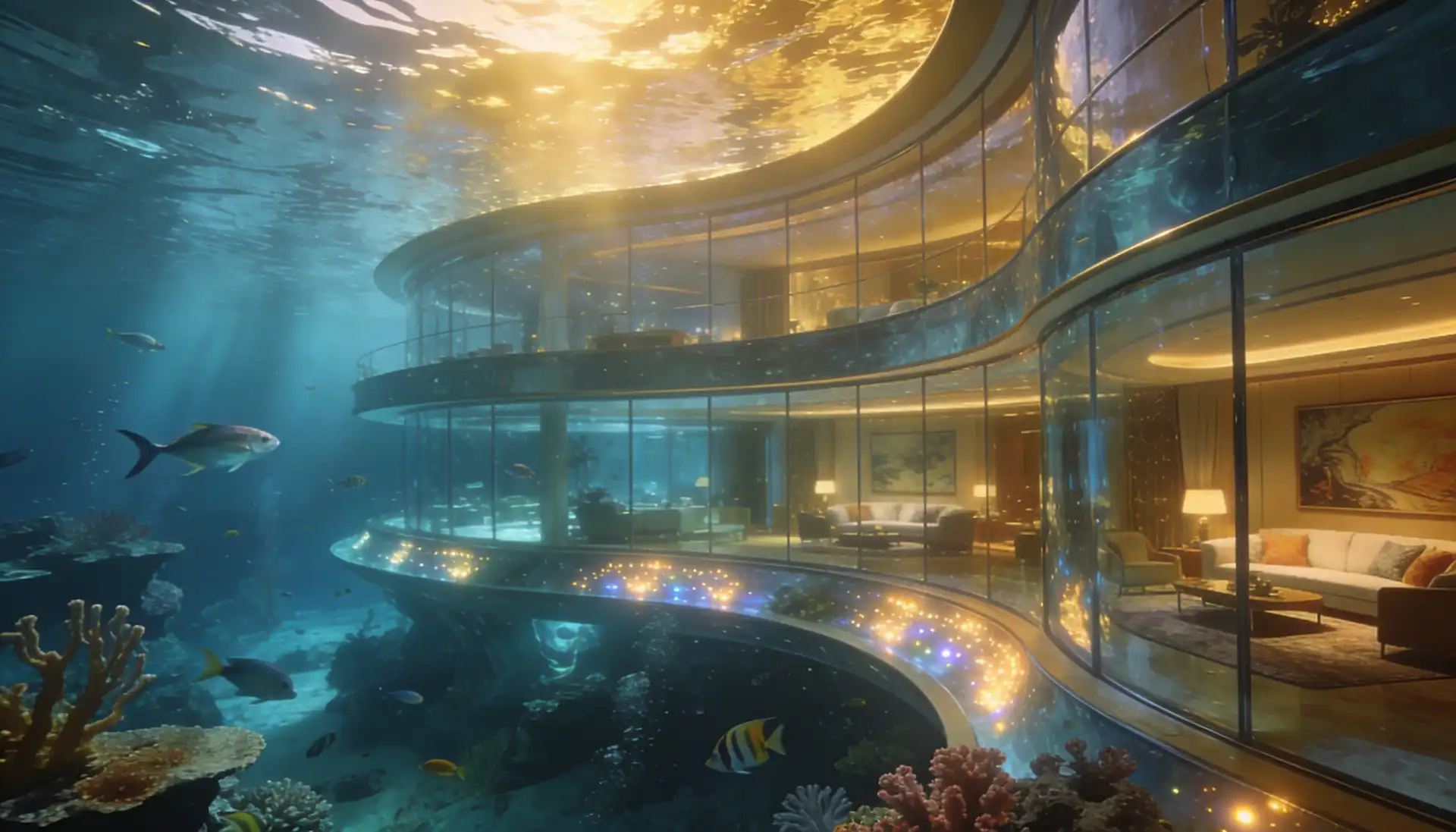
Underwater hotels are a relatively new concept in the world of hospitality, offering guests a unique and unforgettable experience. These hotels are built beneath the surface of the water, allowing guests to immerse themselves in the beauty and tranquility of the ocean. With stunning views of marine life and a serene environment, underwater hotels have become a popular choice for luxury travelers seeking a one-of-a-kind vacation.
The idea of underwater hotels dates back to the 1960s when French architect Jacques Rougerie proposed the concept of an underwater city. However, it wasn’t until the early 2000s that the first underwater hotel, Jules’ Undersea Lodge, was opened in Key Largo, Florida. Since then, there has been a rise in the construction of luxury underwater hotels around the world.
The Fascinating World of Underwater Accommodation: How it Works
Building an underwater hotel is no easy feat. The technology behind these structures is complex and requires careful planning and engineering. The hotels are typically built using reinforced concrete or steel, with large windows made from thick acrylic glass to withstand the pressure of the water.
One of the biggest challenges in building and maintaining underwater hotels is ensuring the safety of guests. Specialized systems are put in place to regulate temperature, humidity, and air quality inside the hotel. In case of an emergency, there are multiple escape routes and safety protocols in place to ensure the well-being of guests.
The Benefits of Staying in an Underwater Hotel: An Unforgettable Experience
One of the main benefits of staying in an underwater hotel is the unique views it offers. Guests can enjoy panoramic views of marine life right from their rooms, giving them a front-row seat to the wonders of the ocean. From colorful coral reefs to schools of tropical fish, the underwater world is truly mesmerizing.
In addition to the stunning views, staying in an underwater hotel also offers a peaceful and serene environment. The underwater setting provides a sense of tranquility and isolation, allowing guests to escape the hustle and bustle of everyday life. The absence of noise and distractions creates a truly immersive experience.
Furthermore, staying in an underwater hotel offers an exclusive and private experience. With limited rooms and a secluded location, guests can enjoy a high level of privacy and personalized service. This makes underwater hotels a popular choice for honeymooners and those seeking a romantic getaway.
The Most Luxurious Underwater Hotels in the World: A Comparison
There are several luxurious underwater hotels around the world that offer guests a once-in-a-lifetime experience. One of the most famous underwater hotels is Atlantis, The Palm in Dubai. This iconic hotel features an underwater suite called the Neptune Suite, which offers breathtaking views of the Ambassador Lagoon, home to over 65,000 marine animals.
Another top contender is Conrad Maldives Rangali Island, located in the Maldives. This resort boasts an underwater restaurant called Ithaa, which is situated 16 feet below sea level. Guests can enjoy a gourmet meal while surrounded by panoramic views of the coral reef.
The Manta Resort in Tanzania is another popular choice for underwater accommodation. The resort features an underwater room that is completely submerged in the ocean. Guests can sleep surrounded by marine life and wake up to stunning views of the ocean.
Lastly, Poseidon Undersea Resort in Fiji offers guests the opportunity to stay in luxury underwater suites. The resort features a variety of amenities, including an underwater spa and fitness center, as well as submarine tours to explore the surrounding marine life.
The Unique Features of Underwater Hotels: From Underwater Dining to Submarine Tours
One of the most exciting features of underwater hotels is the presence of underwater restaurants and bars. These dining establishments offer guests the opportunity to enjoy a meal or a drink while surrounded by the beauty of the ocean. From fine dining to casual cocktails, underwater restaurants and bars provide a truly unique and memorable experience.
In addition to dining, underwater hotels also offer spa and fitness facilities. Guests can indulge in a range of treatments and therapies while enjoying panoramic views of the underwater world. Fitness enthusiasts can also take advantage of state-of-the-art gym equipment while surrounded by marine life.
Furthermore, many underwater hotels offer submarine tours and excursions. Guests can explore the surrounding marine life in a comfortable and safe environment. These tours provide a unique opportunity to get up close and personal with marine creatures such as dolphins, turtles, and colorful fish.
The Design and Architecture of Underwater Hotels: Blending with the Oceanic Environment
The design and architecture of underwater hotels are carefully planned to blend seamlessly with the oceanic environment. Sustainable materials are often used in the construction of these hotels to minimize their impact on the marine ecosystem. Additionally, efforts are made to incorporate marine life into the design, creating a harmonious relationship between the hotel and its surroundings.
The use of sustainable materials is essential in minimizing the environmental impact of underwater hotels. Materials such as recycled steel and concrete are often used in construction, reducing the carbon footprint of these structures. Additionally, energy-efficient systems are put in place to reduce energy consumption and promote sustainability.
To create a seamless transition from land to sea, underwater hotels often feature large windows made from thick acrylic glass. These windows allow guests to enjoy panoramic views of the ocean while maintaining a safe and comfortable environment inside the hotel. The design also takes into consideration factors such as water pressure and temperature control to ensure the well-being of guests.
The Environmental Impact of Underwater Hotels: Sustainable Tourism Practices
While underwater hotels offer a unique and unforgettable experience, it is important to consider their environmental impact. These hotels are built in delicate marine ecosystems, and steps must be taken to ensure their sustainability. Many underwater hotels have implemented sustainable tourism practices to minimize their impact on the environment.
Preserving marine life is of utmost importance in underwater hotel operations. Hotels often collaborate with local conservation organizations to protect and preserve the surrounding marine ecosystem. Efforts are made to educate guests about the importance of marine conservation and encourage responsible tourism practices.
Sustainable tourism practices are also put in place to minimize waste and reduce energy consumption. Hotels often implement recycling programs, use energy-efficient appliances, and promote water conservation. Additionally, efforts are made to source local and organic products to support the local economy and reduce carbon emissions associated with transportation.
The Cost of Staying in an Underwater Hotel: Is it Worth it?
Staying in an underwater hotel is undoubtedly a luxurious experience, but it comes with a hefty price tag. The cost of staying in these hotels can range from a few thousand dollars per night to tens of thousands of dollars, depending on the location and level of luxury. However, for those seeking a truly unique and unforgettable experience, many believe that the cost is worth it.
When staying in an underwater hotel, guests can expect a high level of service and personalized attention. The price often includes amenities such as gourmet meals, spa treatments, and access to exclusive facilities. Additionally, the experience of staying in an underwater hotel is unparalleled and offers memories that will last a lifetime.
The Future of Underwater Hotels: Advancements in Technology and Design
As technology continues to advance, the future of underwater hotels looks promising. There is potential for more underwater hotels to be built around the world, offering guests a wider range of options and destinations. Advancements in technology and design will also contribute to creating more sustainable and eco-friendly underwater hotels.
One area of advancement is in the construction materials used for underwater hotels. Researchers are exploring the use of innovative materials such as transparent aluminum and carbon fiber composites, which are stronger and more durable than traditional materials. These advancements will allow for the construction of larger and more complex underwater structures.
Additionally, advancements in technology will enhance the guest experience in underwater hotels. Virtual reality and augmented reality technologies can be used to create immersive experiences, allowing guests to explore the underwater world without leaving their rooms. These technologies can also be used to educate guests about marine conservation and promote sustainable tourism practices.
Tips for Planning a Trip to an Underwater Hotel: What to Expect and How to Prepare
If you’re considering a trip to an underwater hotel, there are a few things to keep in mind. First, it is important to book well in advance, as these hotels often have limited availability and high demand. It is also advisable to check the cancellation policy and any additional fees or requirements before making a reservation.
When packing for an underwater hotel stay, it is important to bring appropriate clothing for both on land and underwater activities. Swimwear, sunscreen, and comfortable shoes are essential for exploring the surrounding area. Additionally, it is advisable to bring a waterproof camera or GoPro to capture the stunning views and marine life.
Safety precautions should also be taken into consideration when staying in an underwater hotel. Guests should familiarize themselves with the emergency procedures and escape routes in case of an emergency. It is also important to follow any guidelines or instructions provided by the hotel staff to ensure a safe and enjoyable stay.
In conclusion, luxury underwater hotels offer a unique and unforgettable experience for travelers seeking a one-of-a-kind vacation. With stunning views of marine life, a peaceful environment, and exclusive amenities, these hotels have become a popular choice for luxury travelers around the world. While they come with a high price tag, many believe that the experience of staying in an underwater hotel is worth every penny. With advancements in technology and design, the future of underwater hotels looks promising, offering even more options for travelers seeking an extraordinary experience.
Which hotels offer the most remarkable underwater experiences?
How are underwater hotels built to keep guests safe?
When did underwater hotels first appear?
More from Magazine

Luxury Wedding Planning: The Ultimate Guide
Luxury wedding planning guide: top destination venues, couture bridal designers, Michelin catering, headline entertainment and elite planners for a fl…

Luxury Wine & Spirits Collecting: The Complete Guide
Luxury wine and spirits collecting guide: how to evaluate investment-grade Bordeaux, Burgundy, Champagne and rare whisky, plus auctions, storage and r…

Luxury Fashion: The Complete Style Guide
The complete luxury fashion style guide: bespoke tailoring, haute couture, heritage maisons like Hermes and Chanel, 2026 trends, investment bags and s…