Magazine · Magazine
Paseo de la Reforma: A Journey Through Mexico City’s Luxurious Avenue
Paseo de la Reforma is one of the most iconic avenues in Mexico City, known for its grandeur and historical significance. Stretching for 9.2 kilometers (5.7 miles) through the hear…
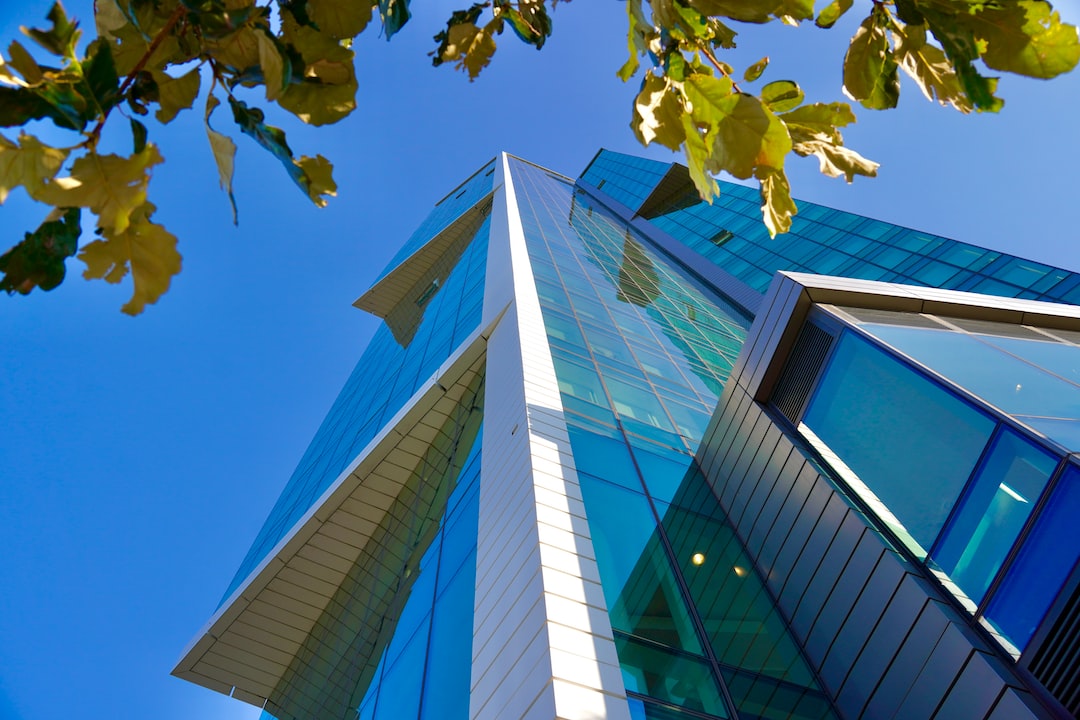
Paseo de la Reforma is one of the most iconic avenues in Mexico City, known for its grandeur and historical significance. Stretching for 9.2 kilometers (5.7 miles) through the heart of the city, it is lined with beautiful architecture, lush green spaces, and cultural landmarks. Paseo de la Reforma holds a special place in Mexico City’s history and culture, serving as a symbol of the country’s progress and modernization.
The History of Paseo de la Reforma: From Emperor Maximilian to Modern-Day Mexico City
Paseo de la Reforma has its origins in the mid-19th century during the reign of Emperor Maximilian of Mexico. Maximilian envisioned a grand boulevard that would connect the Chapultepec Castle to the city center, showcasing the city’s beauty and European influence. The avenue was named after the liberal reforms that were implemented during this time.
Throughout its history, Paseo de la Reforma has witnessed significant events that have shaped Mexico City. It has been the site of political protests, parades, and celebrations. In 1968, it was the location of the Tlatelolco massacre, a tragic event that marked a turning point in Mexican history.
In recent years, Paseo de la Reforma has undergone modern developments and changes. The avenue has been pedestrianized on Sundays, allowing residents and visitors to enjoy the street without the presence of cars. This initiative has been well-received and has become a popular activity for families and tourists alike.
Iconic Landmarks Along Paseo de la Reforma: A Tour of Mexico City’s Most Famous Sites
Paseo de la Reforma is home to some of Mexico City’s most famous landmarks. One such landmark is the Angel of Independence, a towering monument that stands at the intersection of Paseo de la Reforma and Avenida Juarez. The Angel of Independence is a symbol of Mexico’s independence from Spain and is a popular gathering place for celebrations and protests.
Another notable landmark along Paseo de la Reforma is the Diana the Huntress Fountain. This beautiful fountain depicts the Roman goddess Diana and is surrounded by lush greenery, making it a peaceful oasis in the heart of the city.
The National Museum of Anthropology is also located along Paseo de la Reforma. This world-renowned museum houses a vast collection of artifacts from Mexico’s pre-Columbian civilizations, including the Aztecs and Mayans. It is a must-visit for anyone interested in Mexican history and culture.
Art and Culture on Paseo de la Reforma: Museums, Galleries, and Cultural Centers
Paseo de la Reforma is a hub for art and culture in Mexico City. The avenue is home to several important museums, galleries, and cultural centers that showcase the country’s rich artistic heritage.
One such institution is the Museo Nacional de Arte (National Museum of Art), which houses an extensive collection of Mexican art from the 16th century to the present day. The museum’s collection includes works by renowned artists such as Diego Rivera, Frida Kahlo, and Rufino Tamayo.
Another notable cultural center along Paseo de la Reforma is the Centro Cultural del Bosque (Cultural Center of the Forest). This complex is home to several theaters, exhibition spaces, and performance venues, hosting a wide range of cultural events throughout the year.
Luxury Shopping and Dining on Paseo de la Reforma: Indulge in Mexico City’s Finest Offerings
Paseo de la Reforma offers a wealth of luxury shopping and dining options for those looking to indulge in Mexico City’s finest offerings. The avenue is lined with upscale boutiques, international designer stores, and high-end restaurants.
One of the most exclusive shopping destinations along Paseo de la Reforma is the luxury department store El Palacio de Hierro. This iconic store offers a wide range of designer brands, as well as a gourmet food market and a rooftop terrace with panoramic views of the city.
For those looking to dine in style, Paseo de la Reforma is home to several renowned restaurants. One such restaurant is Pujol, which has been named one of the best restaurants in the world. Pujol offers a modern take on traditional Mexican cuisine, using locally sourced ingredients to create innovative and delicious dishes.
The Architecture of Paseo de la Reforma: From Classic to Contemporary
Paseo de la Reforma is known for its diverse architectural styles, ranging from classic to contemporary. The avenue is lined with beautiful buildings and monuments that showcase Mexico City’s architectural heritage.
One of the most iconic buildings along Paseo de la Reforma is the Torre Mayor, which was once the tallest building in Latin America. This modern skyscraper stands out among the historic architecture of the avenue and offers stunning views of the city from its observation deck.
Another notable architectural landmark along Paseo de la Reforma is the Palacio de Bellas Artes (Palace of Fine Arts). This grand building combines Art Nouveau and Art Deco styles and is home to a theater and a museum. The Palacio de Bellas Artes is a must-visit for anyone interested in architecture and the arts.
The Green Spaces of Paseo de la Reforma: Parks and Gardens in the Heart of Mexico City
Despite being a bustling urban avenue, Paseo de la Reforma is also home to several green spaces that offer a respite from the city’s hustle and bustle. These parks and gardens provide a peaceful oasis in the heart of Mexico City.
One such green space is the Chapultepec Park, which is located at the western end of Paseo de la Reforma. This expansive park is one of the largest urban parks in the world and is home to several attractions, including the Chapultepec Castle, the National Museum of Anthropology, and a zoo.
Another notable green space along Paseo de la Reforma is the Bosque de Chapultepec, a large forested area that offers walking trails, picnic spots, and recreational activities. The Bosque de Chapultepec is a popular destination for locals and tourists alike, especially on weekends when it comes alive with families enjoying outdoor activities.
The Business District of Paseo de la Reforma: The Financial Hub of Mexico City
Paseo de la Reforma is also home to Mexico City’s bustling business district, making it the financial hub of the city. The avenue is lined with towering office buildings that house some of Mexico’s largest financial institutions and corporations.
One of the most prominent buildings in the business district is the Torre Reforma, a modern skyscraper that stands out among the historic architecture of Paseo de la Reforma. This building is home to several multinational companies and offers state-of-the-art office spaces.
The business district along Paseo de la Reforma is also home to several luxury hotels, making it a convenient location for business travelers. These hotels offer world-class amenities and services, as well as easy access to the city’s financial institutions and corporate offices.
Festivals and Events on Paseo de la Reforma: Celebrating Mexico’s Culture and Heritage
Paseo de la Reforma is a vibrant avenue that hosts numerous festivals and events throughout the year, celebrating Mexico’s rich culture and heritage. These events showcase the country’s music, dance, food, and traditions, offering visitors a unique insight into Mexican culture.
One of the most important festivals that takes place on Paseo de la Reforma is the Day of the Dead parade. This colorful and lively event celebrates Mexico’s unique tradition of honoring and remembering the deceased. The parade features elaborate costumes, music, and dancing, creating a festive atmosphere along the avenue.
Another notable event that takes place on Paseo de la Reforma is the Independence Day celebrations. On September 15th, the avenue comes alive with fireworks, music, and dancing as Mexicans celebrate their country’s independence from Spain. The celebrations culminate in the Grito de Dolores, a reenactment of Miguel Hidalgo’s cry for independence.
Tips for Exploring Paseo de la Reforma: How to Make the Most of Your Visit to Mexico City’s Iconic Avenue
When visiting Paseo de la Reforma, there are several tips to keep in mind to make the most of your experience. Firstly, it is recommended to use public transportation or taxis to get around the avenue, as parking can be limited and traffic can be heavy.
In terms of accommodation, there are several hotels located along Paseo de la Reforma that offer convenient access to the avenue’s attractions. These hotels range from luxury options to more budget-friendly choices, catering to a variety of travelers.
Lastly, it is important to prioritize safety when exploring Paseo de la Reforma. While the avenue is generally safe during the day, it is advisable to avoid walking alone at night and to be aware of your surroundings at all times.
In conclusion, Paseo de la Reforma is a must-visit destination in Mexico City. With its rich history, iconic landmarks, vibrant art and culture scene, luxury shopping and dining options, diverse architecture, green spaces, bustling business district, and lively festivals and events, the avenue offers something for everyone. Whether you are a history buff, an art enthusiast, a foodie, or a business traveler, Paseo de la Reforma is sure to captivate and inspire you.
More in
More from Magazine
Magazine · 28 min
Luxury Wedding Planning: The Ultimate Guide
Luxury wedding planning guide: top destination venues, couture bridal designers, Michelin catering, headline entertainment and elite planners for a fl…
Magazine · 29 min
Luxury Wine & Spirits Collecting: The Complete Guide
Luxury wine and spirits collecting guide: how to evaluate investment-grade Bordeaux, Burgundy, Champagne and rare whisky, plus auctions, storage and r…

Magazine · 32 min
Luxury Fashion: The Complete Style Guide
The complete luxury fashion style guide: bespoke tailoring, haute couture, heritage maisons like Hermes and Chanel, 2026 trends, investment bags and s…