Magazine · Magazine
Rick Owens’ Avant-Garde Contribution to Fashion
Rick Owens is a fashion designer known for his avant-garde style and unique approach to fashion design. His work has had a significant impact on the industry, pushing boundaries an…
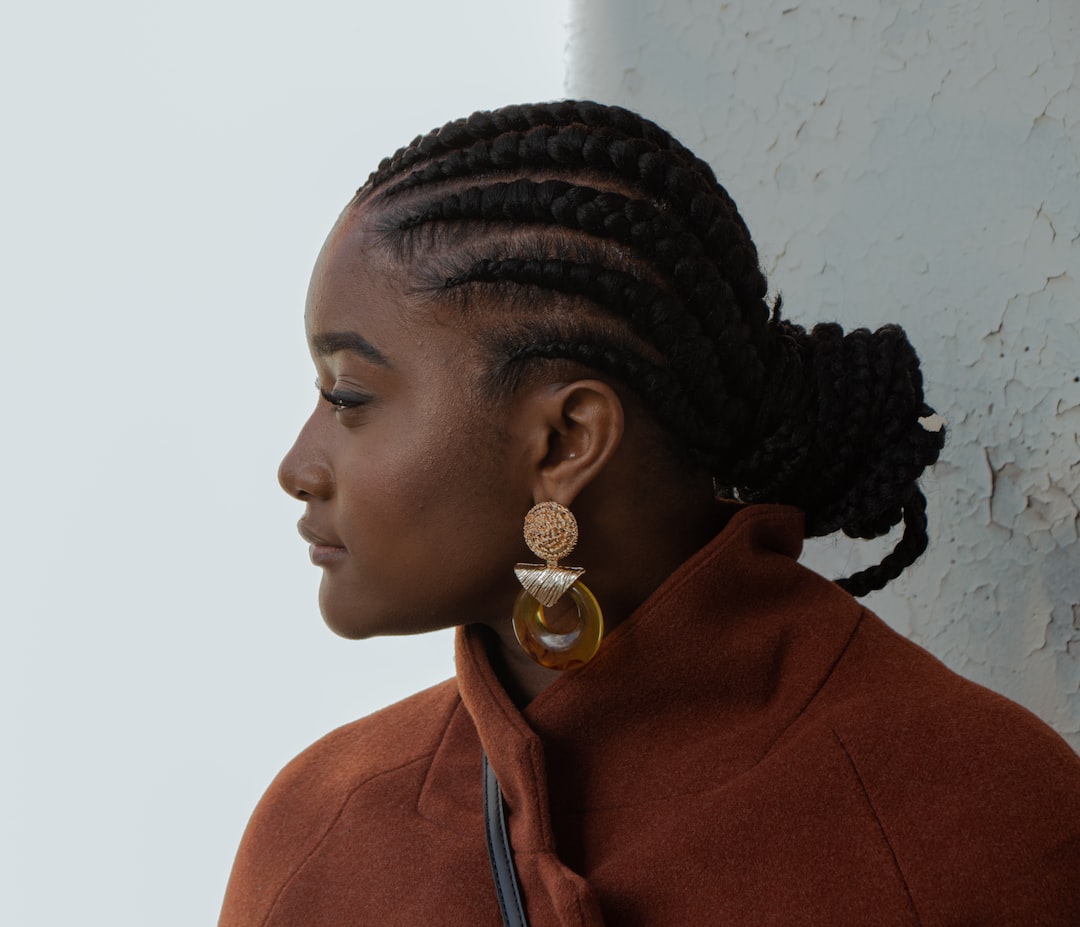
Rick Owens is a fashion designer known for his avant-garde style and unique approach to fashion design. His work has had a significant impact on the industry, pushing boundaries and challenging traditional notions of beauty and aesthetics. With his dark color palette, unconventional materials, and minimalist designs, Owens has carved out a niche for himself in the fashion world.
The Origins of Rick Owens’ Avant-Garde Fashion Style
Rick Owens was born in Porterville, California in 1962. Growing up, he was influenced by the punk and glam rock scenes of the 1970s, as well as the works of designers like Rei Kawakubo and Yohji Yamamoto. These early influences laid the foundation for Owens’ unique aesthetic.
Owens’ signature style began to take shape in the early 1990s when he moved to Los Angeles and started his own label. He gained recognition for his deconstructed designs and use of unconventional materials such as leather, fur, and distressed fabrics. His collections were characterized by their dark color palette and edgy, urban aesthetic.
The Evolution of Owens’ Design Aesthetic Over the Years
Over the years, Rick Owens’ design aesthetic has evolved and developed. While he has stayed true to his avant-garde roots, he has also incorporated new elements and techniques into his work. In recent years, he has experimented with different silhouettes, proportions, and textures, creating a more diverse range of designs.
One notable evolution in Owens’ work is his use of draping and asymmetry. In his earlier collections, he focused on structured and tailored pieces. However, in more recent collections, he has embraced a more fluid and relaxed silhouette, incorporating draping and asymmetrical cuts into his designs.
The Role of Minimalism in Owens’ Fashion Philosophy
Minimalism is a key aspect of Rick Owens’ fashion philosophy. He believes in the importance of simplicity and functionality in design. His minimalist approach is evident in his clean lines, monochromatic color palette, and focus on essential elements.
Owens’ minimalist designs are often characterized by their lack of embellishments and ornamentation. He strips away unnecessary details, allowing the form and structure of the garment to speak for itself. This focus on simplicity and functionality creates a timeless and understated elegance in his designs.
The Use of Dark Colors and Textures in Owens’ Designs
One of the defining characteristics of Rick Owens’ designs is his use of dark colors, particularly black. Black is a recurring theme in his collections, symbolizing strength, power, and rebellion. It also allows the focus to be on the silhouette and construction of the garment.
In addition to his use of dark colors, Owens also incorporates unconventional materials and textures into his designs. He often works with leather, fur, and distressed fabrics, creating a sense of rawness and edginess. These materials add depth and dimension to his designs, further enhancing their avant-garde aesthetic.
The Influence of Architecture and Sculpture on Owens’ Work
Rick Owens’ interest in architecture and sculpture has had a significant influence on his designs. He draws inspiration from the clean lines, geometric shapes, and structural elements found in these disciplines. This influence is evident in the construction and silhouette of his garments.
Owens often incorporates architectural elements such as draping, asymmetry, and volume into his designs. He creates sculptural shapes that are both visually striking and functional. This fusion of fashion, architecture, and sculpture sets Owens apart from other designers and adds a unique dimension to his work.
The Relationship Between Owens’ Fashion and Gender Identity
Rick Owens has been praised for his gender-neutral approach to fashion. He believes that clothing should be inclusive and accessible to all individuals, regardless of their gender identity. His designs often blur the lines between traditional masculine and feminine aesthetics, creating a sense of fluidity and freedom.
Owens’ gender-neutral approach is evident in his choice of silhouettes, fabrics, and styling. He often incorporates oversized and boxy shapes, as well as soft and flowing fabrics, creating a sense of ambiguity. This approach challenges traditional gender norms and encourages self-expression and individuality.
The Importance of Sustainability in Owens’ Production Process
Sustainability is a key focus for Rick Owens. He is committed to producing his garments in an ethical and environmentally friendly manner. He uses eco-friendly materials such as organic cotton, recycled fabrics, and vegetable-tanned leather. He also works with suppliers who adhere to fair labor practices.
Owens’ commitment to sustainability extends beyond the production process. He encourages his customers to take care of their garments and make them last. He believes in investing in quality pieces that can be worn for years to come, rather than following fast fashion trends.
The Collaborations That Have Shaped Owens’ Career
Throughout his career, Rick Owens has collaborated with various designers and brands, each collaboration leaving its mark on his work. One notable collaboration was with Adidas, where he reimagined classic sportswear pieces with his avant-garde aesthetic. This collaboration brought Owens’ designs to a wider audience and introduced his unique style to the world of athletic wear.
Another significant collaboration was with Birkenstock, where Owens put his own spin on the iconic sandal. He incorporated unconventional materials such as fur and leather into the design, creating a luxurious and edgy version of the classic shoe.
The Impact of Owens’ Fashion on the Avant-Garde Movement
Rick Owens’ work has had a significant impact on the avant-garde fashion movement. His unique aesthetic and boundary-pushing designs have inspired countless designers and challenged traditional notions of beauty and aesthetics.
Owens’ emphasis on simplicity, functionality, and inclusivity has also had a lasting impact on the industry. His gender-neutral approach to fashion has paved the way for more diversity and representation in the fashion world. His commitment to sustainability has also inspired other designers to prioritize ethical and environmentally friendly practices.
The Future of Owens’ Fashion and Its Contribution to the Industry
As Rick Owens continues to push boundaries and challenge conventions, we can expect to see more innovative and thought-provoking designs from him in the future. His unique approach to fashion design will continue to inspire and influence the industry, shaping the way we think about beauty, aesthetics, and self-expression.
Owens’ commitment to sustainability and ethical production will also continue to be a driving force in the industry. As consumers become more conscious of their purchasing decisions, Owens’ focus on quality, longevity, and eco-friendly practices will become increasingly relevant.
Rick Owens’ avant-garde fashion style and unique approach to design have made a lasting impact on the industry. His minimalist aesthetic, use of dark colors and textures, and incorporation of architectural elements have set him apart from other designers. His gender-neutral approach and commitment to sustainability have also made him a trailblazer in the industry.
As Owens continues to push boundaries and challenge conventions, his work will continue to shape the way we think about fashion and self-expression. His commitment to inclusivity, diversity, and sustainability will inspire future generations of designers to prioritize ethical and environmentally friendly practices. Rick Owens is truly a visionary in the fashion world, leaving an indelible mark on the industry.
More in
More from Magazine
Magazine · 28 min
Luxury Wedding Planning: The Ultimate Guide
Luxury wedding planning guide: top destination venues, couture bridal designers, Michelin catering, headline entertainment and elite planners for a fl…

Magazine · 29 min
Luxury Wine & Spirits Collecting: The Complete Guide
Luxury wine and spirits collecting guide: how to evaluate investment-grade Bordeaux, Burgundy, Champagne and rare whisky, plus auctions, storage and r…
Magazine · 32 min
Luxury Fashion: The Complete Style Guide
The complete luxury fashion style guide: bespoke tailoring, haute couture, heritage maisons like Hermes and Chanel, 2026 trends, investment bags and s…