Magazine · Magazine
Royal Retreats: A Look at Copenhagen’s Historic Palaces and Gardens
Copenhagen, the capital city of Denmark, is steeped in rich royal history. The city is home to several magnificent palaces and gardens that serve as cultural landmarks and offer a …
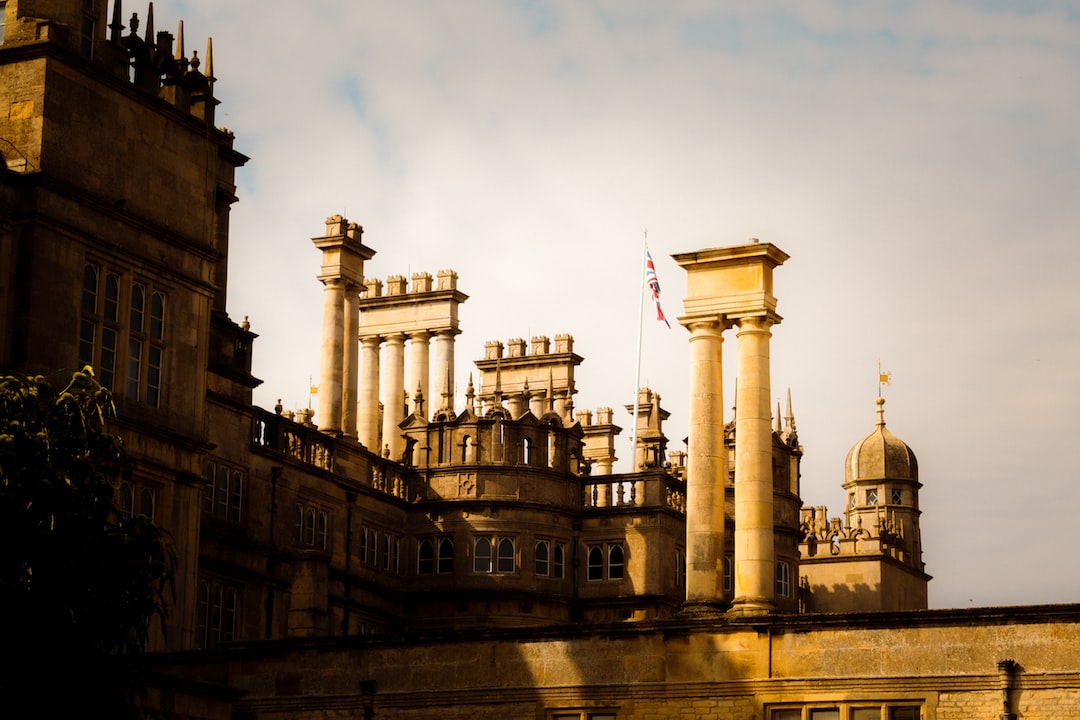
Copenhagen, the capital city of Denmark, is steeped in rich royal history. The city is home to several magnificent palaces and gardens that serve as cultural landmarks and offer a glimpse into Denmark’s royal heritage. These palaces and gardens not only showcase stunning architecture and design but also provide visitors with an opportunity to learn about the country’s history and experience the grandeur of the Danish monarchy.
Rosenborg Castle: A Glimpse into Denmark’s Royal History
Rosenborg Castle, located in the heart of Copenhagen, is a must-visit for anyone interested in Denmark’s royal history. Built in the early 17th century, the castle served as a summer residence for King Christian
Today, it houses a remarkable collection of royal artifacts and treasures.
Inside Rosenborg Castle, visitors can explore the opulent rooms that were once inhabited by Danish kings and queens. The castle’s interior is adorned with intricate tapestries, ornate furniture, and beautiful artwork. One of the highlights of a visit to Rosenborg Castle is the chance to see the Crown Jewels, including the crown of King Christian IV and the crown of Queen Sophie Magdalene.
When visiting Rosenborg Castle, it is recommended to arrive early in the day to avoid crowds. The castle can get quite busy, especially during peak tourist season. Additionally, be sure to take your time exploring each room and reading the informative plaques that provide historical context. Photography is allowed inside the castle, so be sure to bring your camera to capture the stunning interiors.
Amalienborg Palace: The Official Residence of the Danish Royal Family
Amalienborg Palace is one of Copenhagen’s most iconic landmarks and serves as the official residence of the Danish royal family. The palace complex consists of four identical rococo-style buildings surrounding an octagonal courtyard. Each building represents a different era in Danish architecture and history.
One of the highlights of a visit to Amalienborg Palace is witnessing the Changing of the Guard ceremony, which takes place daily at noon. The ceremony is a grand spectacle, with guards marching from their barracks to the palace square. Visitors can watch as the new guards take over their posts, accompanied by a marching band.
Inside Amalienborg Palace, visitors can explore the museum, which showcases the history and traditions of the Danish monarchy. The museum features a collection of royal artifacts, including portraits, furniture, and personal belongings of past kings and queens. Additionally, visitors can tour the royal apartments, which are still used by the current royal family during official functions.
Frederiksborg Palace: A Majestic Renaissance Castle
Frederiksborg Palace, located in Hillerød, just outside of Copenhagen, is a majestic Renaissance castle that is often referred to as the “Versailles of Denmark.” The palace was built in the early 17th century by King Christian IV and served as a royal residence until the 19th century.
The interior of Frederiksborg Palace is a true masterpiece, with lavish decorations and intricate details. The Great Hall is particularly impressive, with its ornate ceiling and grand chandeliers. The palace also houses a museum that showcases Danish history through a collection of paintings, sculptures, and decorative arts.
Surrounding Frederiksborg Palace is a beautiful baroque garden that adds to the grandeur of the castle. The gardens feature manicured lawns, flower beds, and fountains. Visitors can take a leisurely stroll through the gardens and enjoy the peaceful atmosphere.
Christiansborg Palace: The Seat of the Danish Government
Christiansborg Palace is a grand palace located on the island of Slotsholmen in central Copenhagen. It serves as the seat of the Danish government and houses several important institutions, including the Parliament, the Supreme Court, and the Prime Minister’s Office.
The history of Christiansborg Palace dates back to the 12th century when a castle was first built on the site. Over the centuries, the castle was rebuilt and expanded multiple times, resulting in the magnificent palace that stands today. The architecture of Christiansborg Palace is a mix of different styles, including baroque, neoclassical, and modern.
Visitors to Christiansborg Palace can explore the royal reception rooms, which are used for official functions and ceremonies. The palace also houses a museum that showcases the history of Danish democracy and the role of the monarchy in Danish society. Additionally, visitors can climb to the top of the palace tower for panoramic views of Copenhagen.
The Royal Gardens of Frederiksberg: A Lush Oasis in the Heart of Copenhagen
The Royal Gardens of Frederiksberg is a lush oasis located in the heart of Copenhagen. The gardens were originally created as a royal pleasure garden in the 18th century and have since become a popular destination for locals and tourists alike.
The Royal Gardens of Frederiksberg feature beautifully landscaped lawns, flower beds, and tree-lined paths. One of the highlights of the gardens is the Chinese Pavilion, a small pagoda-style building that was a gift from King Frederik V to his queen. The pavilion offers a tranquil spot to relax and enjoy the surroundings.
Another notable feature of the Royal Gardens of Frederiksberg is the Elephant House, which was designed by renowned architect Norman Foster. The Elephant House is home to a small herd of elephants and provides visitors with an opportunity to observe these majestic creatures up close.
When visiting the Royal Gardens of Frederiksberg, be sure to bring a picnic lunch and enjoy it on one of the many grassy areas. The gardens are also a popular spot for jogging and cycling, so consider renting a bike to explore the grounds.
The King’s Garden: A Baroque Gem in the City Center
The King’s Garden, also known as Kongens Have, is a beautiful baroque garden located in the city center of Copenhagen. The garden was originally created as a private royal garden in the 17th century and is now open to the public.
The King’s Garden is home to several notable features, including the Hercules Pavilion, which houses a collection of sculptures depicting scenes from Greek mythology. The pavilion offers a peaceful retreat and provides visitors with an opportunity to learn about classical art.
Another highlight of the King’s Garden is Rosenborg Castle, which is located within the garden grounds. Rosenborg Castle is a stunning Renaissance castle that houses a remarkable collection of royal artifacts and treasures. Visitors can explore the castle and learn about Denmark’s royal history.
When visiting the King’s Garden, be sure to take a leisurely stroll along the tree-lined paths and enjoy the beautiful flower beds. The garden is also a popular spot for picnics, so consider bringing a blanket and some snacks to enjoy in the peaceful surroundings.
The Botanical Garden: A Tranquil Haven for Nature Lovers
The Botanical Garden, located in the heart of Copenhagen, is a tranquil haven for nature lovers. The garden was established in the 17th century and is home to an extensive collection of plants from around the world.
The Botanical Garden features several collections, including a Palm House that houses tropical plants, a Rock Garden that showcases alpine plants, and a Rose Garden that boasts over 2,000 different rose varieties. Visitors can take a leisurely stroll through the garden and admire the diverse range of plant species.
One of the highlights of the Botanical Garden is the Palm House, which is a stunning glass greenhouse that houses tropical plants from various regions. Inside the Palm House, visitors can explore different climate zones and learn about the unique ecosystems found in each.
When visiting the Botanical Garden, be sure to take your time and explore each section of the garden. The garden is a peaceful retreat from the bustling city and provides visitors with an opportunity to connect with nature.
Kronborg Castle: The Setting of Shakespeare’s Hamlet
Kronborg Castle, located in Helsingør, just north of Copenhagen, is a UNESCO World Heritage site and is famous for being the setting of Shakespeare’s play Hamlet. The castle dates back to the 15th century and played a significant role in Danish history.
Inside Kronborg Castle, visitors can explore the grand halls and chambers that were once inhabited by Danish kings and queens. One of the highlights of a visit to Kronborg Castle is the chance to see the Ballroom, which is adorned with beautiful tapestries and chandeliers. The castle also features a network of underground casemates that were used for defense during times of war.
When visiting Kronborg Castle, be sure to take a guided tour to learn about the history and significance of the castle. The guides are knowledgeable and provide interesting insights into the life of Danish royalty. Additionally, take some time to explore the surrounding grounds, which offer stunning views of the Øresund Strait.
Exploring Copenhagen’s Royal Retreats: Tips and Recommendations
In addition to the palaces and gardens mentioned above, Copenhagen is home to several other royal retreats that are worth exploring. Fredensborg Palace, located just outside of Copenhagen, is the summer residence of the Danish royal family and offers guided tours during the summer months. Marselisborg Palace, located in Aarhus, is another royal retreat that is open to the public and offers beautiful gardens to explore.
When visiting Copenhagen’s palaces and gardens, it is recommended to purchase a Copenhagen Card, which provides free admission to many attractions, including Rosenborg Castle, Amalienborg Palace, and the Botanical Garden. The card also includes unlimited public transportation, making it easy to navigate the city.
Additionally, be sure to check the opening hours of each palace and garden before visiting, as they may vary depending on the season. It is also a good idea to arrive early in the day to avoid crowds, especially during peak tourist season.
Overall, exploring Copenhagen’s royal palaces and gardens is a must-do for anyone visiting the city. These cultural landmarks offer a glimpse into Denmark’s rich royal history and provide visitors with an opportunity to experience the grandeur of the Danish monarchy. Whether you’re interested in architecture, history, or simply enjoying beautiful gardens, Copenhagen’s royal palaces and gardens have something for everyone.
More in
More from Magazine
Magazine · 28 min
Luxury Wedding Planning: The Ultimate Guide
Luxury wedding planning guide: top destination venues, couture bridal designers, Michelin catering, headline entertainment and elite planners for a fl…
Magazine · 29 min
Luxury Wine & Spirits Collecting: The Complete Guide
Luxury wine and spirits collecting guide: how to evaluate investment-grade Bordeaux, Burgundy, Champagne and rare whisky, plus auctions, storage and r…

Magazine · 32 min
Luxury Fashion: The Complete Style Guide
The complete luxury fashion style guide: bespoke tailoring, haute couture, heritage maisons like Hermes and Chanel, 2026 trends, investment bags and s…