Magazine
The Art of Handcrafted Leather Goods
Handcrafted leather goods have become increasingly popular in recent years, as people seek out unique and high-quality products. From wallets and bags to shoes and accessories, han…
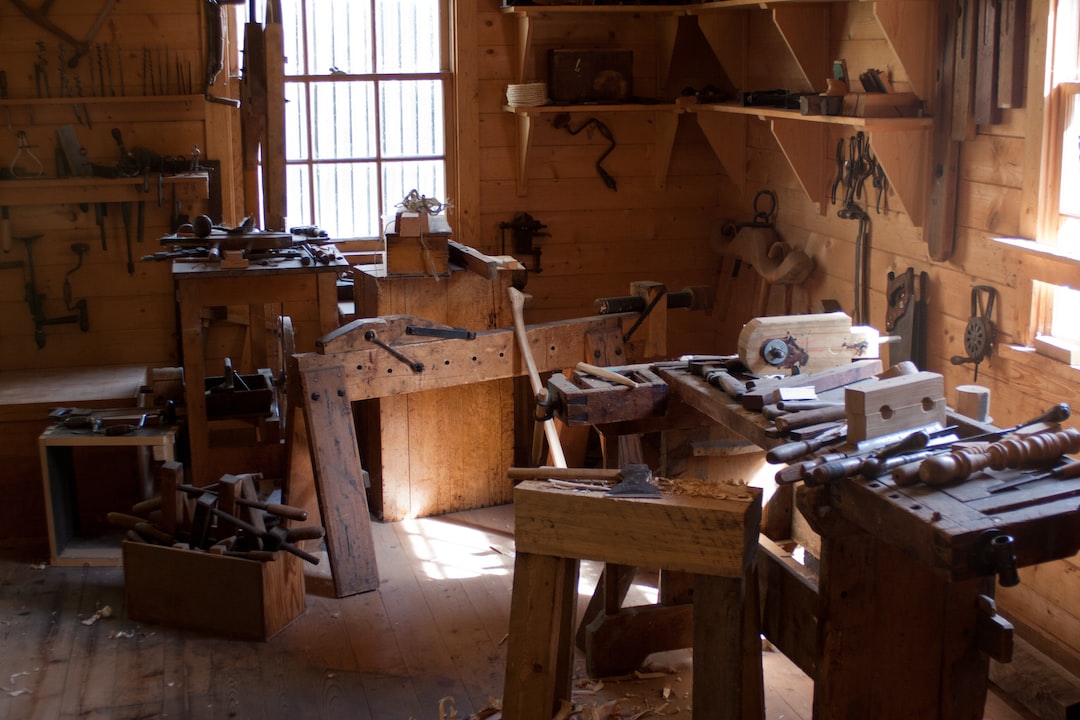
Handcrafted leather goods have become increasingly popular in recent years, as people seek out unique and high-quality products. From wallets and bags to shoes and accessories, handcrafted leather goods offer a level of craftsmanship and artistry that is hard to find in mass-produced items. In this article, we will explore the history, beauty, craftsmanship, versatility, sustainability, timeless appeal, value, personalization options, and future trends of handcrafted leather goods.
The History of Handcrafted Leather Goods: From Ancient Times to Modern Day
Leatherworking has a long and rich history that dates back to ancient times. The art of working with leather can be traced back to the earliest civilizations, where it was used for clothing, footwear, and shelter. Over time, leatherworking techniques evolved and became more sophisticated, with artisans developing new methods for tanning and shaping leather.
Throughout history, handcrafted leather goods have been used for a variety of purposes. In ancient Egypt, leather was used to create sandals and bags for everyday use. In medieval Europe, leather armor was essential for knights and soldiers. During the Renaissance period, leather was used to create luxurious accessories such as gloves and belts.
The Beauty of Handcrafted Leather Goods: The Art of Creating One-of-a-Kind Pieces
One of the main reasons why handcrafted leather goods are so popular is because they are unique and beautiful. Each piece is carefully crafted by skilled artisans who take pride in their work. The artistic elements involved in creating handcrafted leather goods include designing patterns, cutting the leather, stitching it together, and adding decorative elements such as embossing or tooling.
Handcrafted leather goods can be customized to suit individual preferences and styles. Artisans can create personalized designs or incorporate special details such as initials or logos. This level of customization adds to the beauty and uniqueness of each piece.
The Craftsmanship Behind Handcrafted Leather Goods: Techniques and Tools Used by Artisans
Creating handcrafted leather goods requires a high level of skill and craftsmanship. Artisans use a variety of techniques to shape and manipulate the leather, including cutting, stitching, and molding. They also use specialized tools such as knives, punches, and hammers to create the desired shapes and textures.
Different types of handcrafted leather goods require different techniques and tools. For example, creating a leather bag may involve cutting and stitching multiple pieces of leather together, while creating a leather belt may involve embossing or tooling the surface. The craftsmanship involved in creating handcrafted leather goods is what sets them apart from mass-produced items.
The Importance of Quality Materials in Handcrafted Leather Goods: Choosing the Right Leather
The quality of the leather used in handcrafted leather goods is crucial to the final product. High-quality leather is durable, supple, and ages beautifully over time. It is important to choose the right type of leather for each project, as different types of leather have different characteristics.
There are several types of leather commonly used in handcrafted leather goods, including full-grain leather, top-grain leather, and genuine leather. Full-grain leather is the highest quality and is made from the top layer of the hide. Top-grain leather is slightly lower in quality but still retains its natural grain. Genuine leather is made from the lower layers of the hide and is less expensive but also less durable.
The Versatility of Handcrafted Leather Goods: From Fashion Accessories to Home Decor
Handcrafted leather goods are incredibly versatile and can be used in a variety of ways. In the world of fashion, handcrafted leather goods are popular for their timeless appeal and durability. Leather bags, wallets, belts, and shoes are all classic accessories that can elevate any outfit.
In addition to fashion accessories, handcrafted leather goods can also be used in home decor. Leather furniture, such as sofas and chairs, adds a touch of luxury and sophistication to any space. Leather home decor items, such as coasters, trays, and storage boxes, are also popular choices for those who appreciate the beauty and durability of leather.
The Sustainability of Handcrafted Leather Goods: Ethical Practices and Eco-Friendly Alternatives
The production of leather has a significant environmental impact, as it requires the use of chemicals and energy. However, there are ethical practices in the leather industry that aim to minimize this impact. For example, some tanneries use vegetable-based dyes and tanning methods that are less harmful to the environment.
In recent years, there has also been a rise in eco-friendly alternatives to traditional leather. These alternatives, such as vegan leather or cork leather, are made from sustainable materials and do not involve the use of animal products. While they may not have the same feel or durability as traditional leather, they offer a more ethical and environmentally friendly option for those who are concerned about animal welfare and sustainability.
The Timeless Appeal of Handcrafted Leather Goods: Why They Never Go Out of Style
Handcrafted leather goods have a timeless appeal that never goes out of style. They are classic pieces that can be passed down from generation to generation. The durability and longevity of leather make it a worthwhile investment that will stand the test of time.
In addition to their durability, handcrafted leather goods also have a certain charm and character that mass-produced items lack. Each piece is unique and tells a story, whether it’s the natural grain of the leather or the hand-stitched details. This authenticity and craftsmanship are what make handcrafted leather goods so special.
The Value of Handcrafted Leather Goods: Why They Are Worth the Investment
Handcrafted leather goods are often more expensive than mass-produced items, but they offer a level of quality and craftsmanship that is worth the investment. Mass-produced items are often made with lower-quality materials and lack the attention to detail that handcrafted leather goods have.
Handcrafted leather goods are made to last and can withstand the test of time. They are durable, functional, and beautiful, making them a worthwhile investment. In addition, handcrafted leather goods often have a higher resale value compared to mass-produced items, making them a smart financial choice as well.
The Personal Touch of Handcrafted Leather Goods: Customization and Personalization Options
One of the unique aspects of handcrafted leather goods is the ability to customize and personalize them. Artisans can create custom designs or incorporate special details such as initials or logos. This level of personalization adds a special touch to each piece and makes it even more meaningful.
Customized handcrafted leather goods also make great gifts for loved ones. Whether it’s a personalized wallet or a monogrammed bag, these one-of-a-kind pieces are sure to be cherished for years to come.
The Future of Handcrafted Leather Goods: Innovations and Trends in the Industry
The handcrafted leather goods industry is constantly evolving, with new trends and innovations emerging all the time. Technology is being used to enhance the production process, with laser cutting and 3D printing being used to create intricate designs and patterns.
There is also a growing trend towards sustainable and ethical practices in the industry. More artisans are using eco-friendly alternatives to traditional leather, and consumers are becoming more conscious of the environmental impact of their purchases.
Handcrafted leather goods have become increasingly popular in recent years, thanks to their unique beauty, craftsmanship, versatility, sustainability, timeless appeal, value, personalization options, and future trends. Whether it’s a hand-stitched bag or a personalized wallet, handcrafted leather goods offer a level of quality and artistry that is hard to find in mass-produced items. As the industry continues to evolve, we can expect to see even more innovative and sustainable practices, ensuring that handcrafted leather goods remain a timeless and cherished part of our lives.
More in
More from Magazine
Magazine · 28 min
Luxury Wedding Planning: The Ultimate Guide
Luxury wedding planning guide: top destination venues, couture bridal designers, Michelin catering, headline entertainment and elite planners for a fl…

Magazine · 29 min
Luxury Wine & Spirits Collecting: The Complete Guide
Luxury wine and spirits collecting guide: how to evaluate investment-grade Bordeaux, Burgundy, Champagne and rare whisky, plus auctions, storage and r…
Magazine · 32 min
Luxury Fashion: The Complete Style Guide
The complete luxury fashion style guide: bespoke tailoring, haute couture, heritage maisons like Hermes and Chanel, 2026 trends, investment bags and s…