Magazine · Magazine
The Art of Landscape Design in Luxury Properties
Landscape design plays a crucial role in enhancing the beauty and value of luxury properties. It is not just about creating a visually appealing outdoor space, but also about creat…
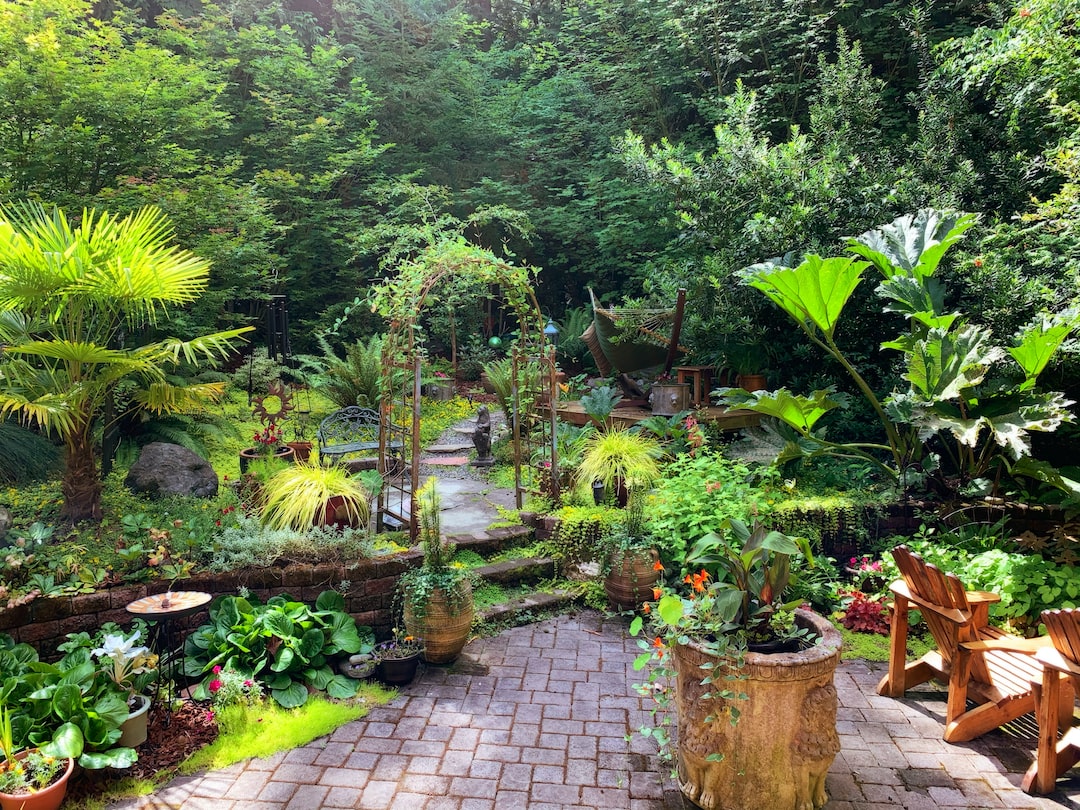
Landscape design plays a crucial role in enhancing the beauty and value of luxury properties. It is not just about creating a visually appealing outdoor space, but also about creating a functional and sustainable environment that complements the architecture of the property. A well-designed landscape can transform a luxury property into a private oasis, providing a serene and relaxing atmosphere for homeowners and their guests.
Understanding the Principles of Landscape Design for Luxury Properties
The principles of landscape design include balance, proportion, unity, rhythm, and focalization. These principles help create a harmonious and cohesive outdoor space that is visually pleasing. In luxury landscape design, these principles are applied in a way that reflects the elegance and sophistication of the property.
Balance is achieved by distributing elements evenly throughout the landscape, creating a sense of equilibrium. Proportion ensures that the size and scale of elements are in harmony with each other and with the overall property. Unity brings together different elements to create a cohesive design, while rhythm adds movement and flow to the landscape. Focalization draws attention to specific areas or features, creating visual interest.
The Importance of Site Analysis in Luxury Landscape Design
Site analysis is an essential step in luxury landscape design as it helps designers understand the unique characteristics and challenges of the property. It involves assessing factors such as topography, soil conditions, climate, and existing vegetation. By conducting a thorough site analysis, designers can make informed decisions about plant selection, hardscaping elements, and water features.
Site analysis also helps designers identify opportunities to enhance views, create privacy, and maximize natural light. It allows them to work with the existing features of the property and integrate them seamlessly into the design. By understanding the site’s strengths and limitations, designers can create a luxury landscape that is not only aesthetically pleasing but also functional and sustainable.
Incorporating Water Features in Luxury Landscape Design
Water features are a popular choice in luxury landscape design as they add a sense of tranquility and elegance to the outdoor space. They can range from simple fountains and ponds to elaborate waterfalls and swimming pools. Water features not only provide visual interest but also create a soothing ambiance with the sound of flowing water.
In luxury landscape design, water features are often used as focal points, drawing attention and creating a sense of drama. They can be strategically placed to enhance views or create a sense of privacy. Water features also provide opportunities for incorporating unique lighting techniques, further enhancing the beauty of the landscape at night.
Choosing the Right Plants for Luxury Landscape Design
Plant selection is a crucial aspect of luxury landscape design as it can greatly impact the overall aesthetic and functionality of the outdoor space. When choosing plants for a luxury property, factors such as climate, soil conditions, maintenance requirements, and desired aesthetic should be considered.
Luxury properties often feature a variety of plantings, including trees, shrubs, flowers, and ornamental grasses. These plants are carefully selected to create a lush and vibrant landscape that complements the architecture of the property. Native plants are often preferred as they are well-adapted to the local climate and require less maintenance.
The Role of Hardscaping in Luxury Landscape Design
Hardscaping refers to the non-living elements in a landscape design, such as patios, walkways, walls, and pergolas. It plays a crucial role in luxury landscape design as it provides structure and defines outdoor living spaces. Hardscaping elements are often made from high-quality materials such as natural stone, brick, or wood to create a luxurious and timeless look.
In luxury landscape design, hardscaping is used to create focal points, define boundaries, and enhance functionality. Patios and outdoor kitchens provide spaces for entertaining and dining, while walkways and paths guide visitors through the landscape. Hardscaping elements can also be used to create privacy and enhance security, as well as to frame views and create visual interest.
Creating Outdoor Living Spaces in Luxury Landscape Design
Outdoor living spaces are a key feature of luxury landscape design, providing homeowners with a seamless transition between indoor and outdoor living. These spaces are designed to be functional, comfortable, and visually appealing, offering a variety of amenities for relaxation and entertainment.
Luxury outdoor living spaces often include features such as fire pits, outdoor kitchens, seating areas, and dining areas. They are designed to accommodate different activities and provide a comfortable environment for homeowners and their guests. Outdoor living spaces can be integrated into the overall landscape design or created as standalone areas, depending on the preferences and needs of the homeowner.
Lighting Techniques for Luxury Landscape Design
Lighting is an important aspect of luxury landscape design as it not only enhances the beauty of the outdoor space but also provides safety and security. Different lighting techniques can be used to create different effects and highlight specific areas or features.
In luxury landscape design, lighting is often used to create a warm and inviting ambiance. Path lights can guide visitors through the landscape, while uplights can highlight trees or architectural features. Downlights can be used to illuminate seating areas or outdoor kitchens, while underwater lights can add drama to water features. Lighting can also be used to create a sense of depth and perspective, making the outdoor space feel larger and more expansive.
Sustainable Landscape Design for Luxury Properties
Sustainability is an important consideration in luxury landscape design as it not only reduces the environmental impact but also enhances the long-term value of the property. Sustainable practices such as water conservation, use of native plants, and efficient irrigation systems can help create a low-maintenance and environmentally friendly landscape.
In luxury landscape design, sustainable practices are often integrated seamlessly into the overall design. Rainwater harvesting systems can be used to irrigate the landscape, while permeable paving can reduce stormwater runoff. Native plants are often chosen for their low water requirements and ability to attract local wildlife. Sustainable landscape design not only benefits the environment but also creates a healthier and more enjoyable outdoor space for homeowners.
Enhancing Privacy and Security in Luxury Landscape Design
Privacy and security are important considerations in luxury landscape design, especially for homeowners who value their privacy and want to create a secure and secluded environment. Different techniques can be used to enhance privacy and security without compromising the aesthetic appeal of the outdoor space.
Tall hedges, fences, or walls can be used to create a sense of enclosure and seclusion. Strategic plantings can be used to block unwanted views or create natural barriers. Outdoor lighting can be used to deter intruders and provide a sense of security. Privacy screens or pergolas can be used to create private outdoor living spaces. By carefully considering the layout and design of the landscape, designers can create a luxurious and secure environment for homeowners.
The Benefits of Hiring a Professional Landscape Designer for Luxury Properties
While some homeowners may choose to design their own landscapes, hiring a professional landscape designer for a luxury property offers many benefits. A professional designer has the knowledge, skills, and experience to create a landscape that meets the unique needs and preferences of the homeowner.
A professional designer can help homeowners navigate the complexities of luxury landscape design, from site analysis to plant selection to hardscaping elements. They have access to a wide range of resources and suppliers, ensuring that the highest quality materials are used in the design. A professional designer also has a keen eye for detail and can create a cohesive and visually appealing design that reflects the elegance and sophistication of the property.
In conclusion, landscape design plays a crucial role in enhancing the beauty and value of luxury properties. By understanding the principles of landscape design, conducting a thorough site analysis, and incorporating elements such as water features, plants, hardscaping, outdoor living spaces, lighting, sustainability, privacy, and security, homeowners can create a luxurious and functional outdoor space that complements their property. Hiring a professional landscape designer can help homeowners navigate the complexities of luxury landscape design and ensure that their vision is brought to life.
More in
More from Magazine
Magazine · 28 min
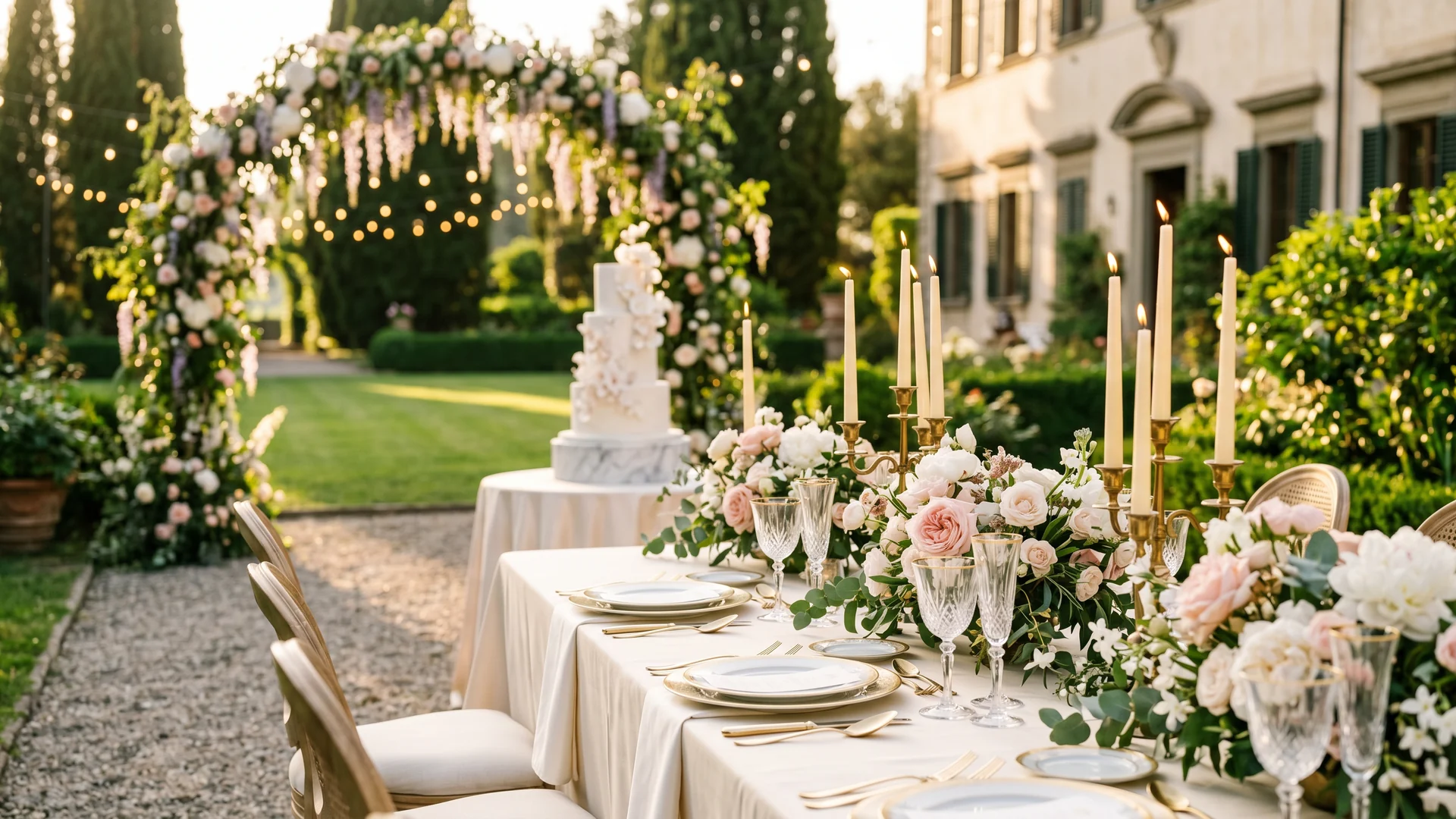
Luxury Wedding Planning: The Ultimate Guide
Luxury wedding planning guide: top destination venues, couture bridal designers, Michelin catering, headline entertainment and elite planners for a fl…
Magazine · 29 min
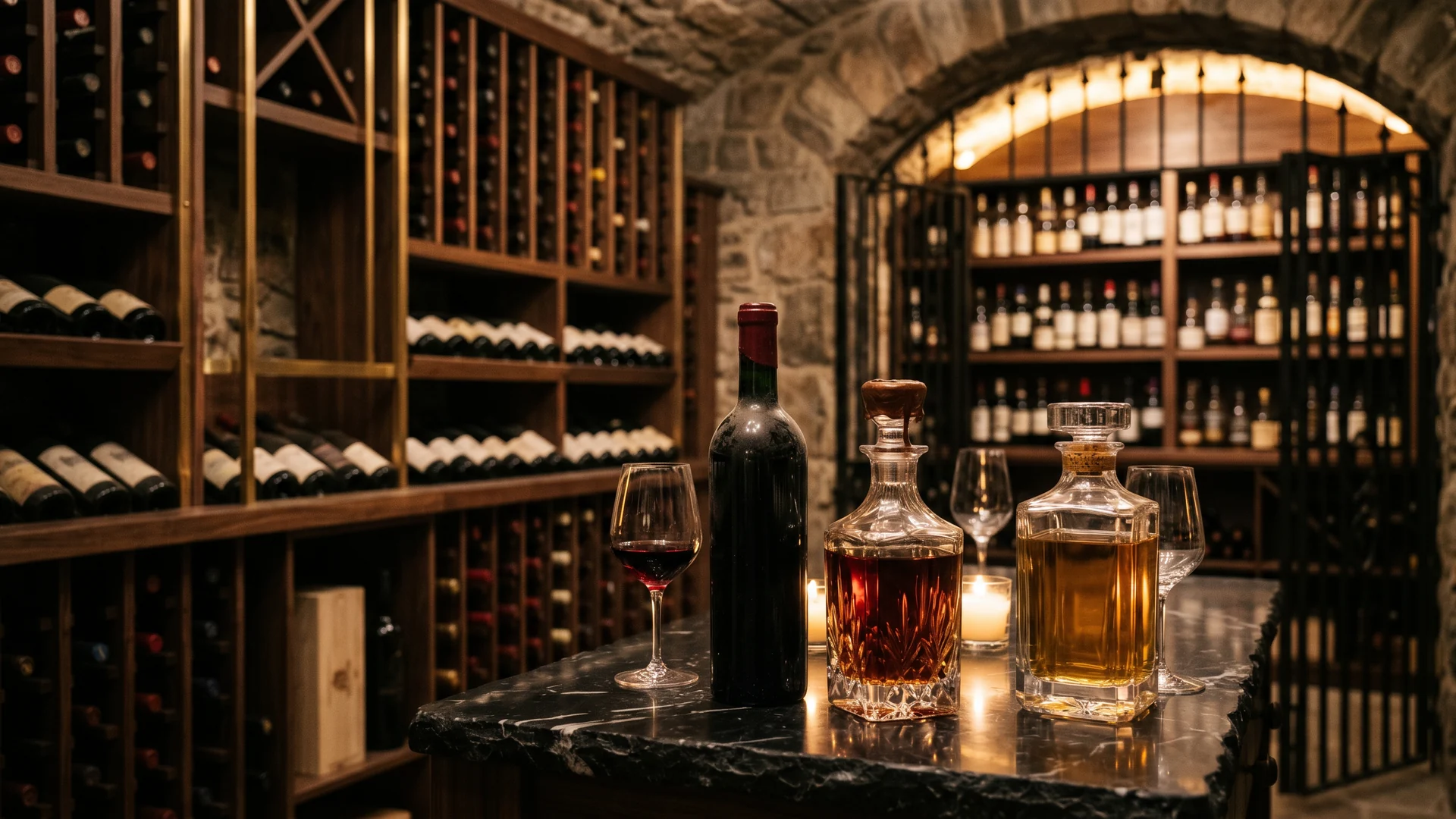
Luxury Wine & Spirits Collecting: The Complete Guide
Luxury wine and spirits collecting guide: how to evaluate investment-grade Bordeaux, Burgundy, Champagne and rare whisky, plus auctions, storage and r…
Magazine · 32 min
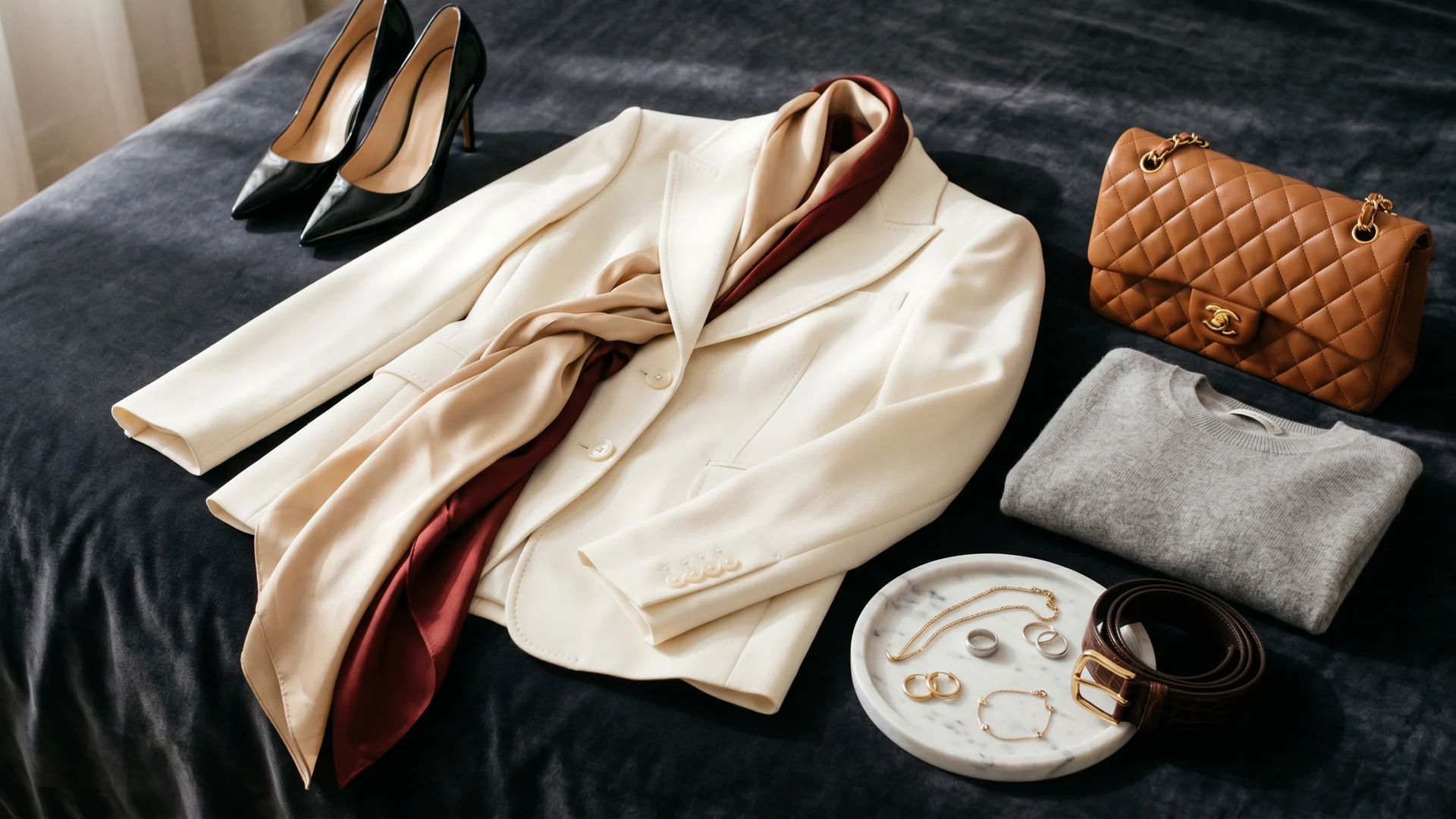
Luxury Fashion: The Complete Style Guide
The complete luxury fashion style guide: bespoke tailoring, haute couture, heritage maisons like Hermes and Chanel, 2026 trends, investment bags and s…