Magazine · Magazine
The Art of Luxury Herbal Medicine
Luxury herbal medicine is a growing trend in the wellness industry, offering a unique and indulgent approach to natural healing. It combines the ancient practice of herbal medicine…
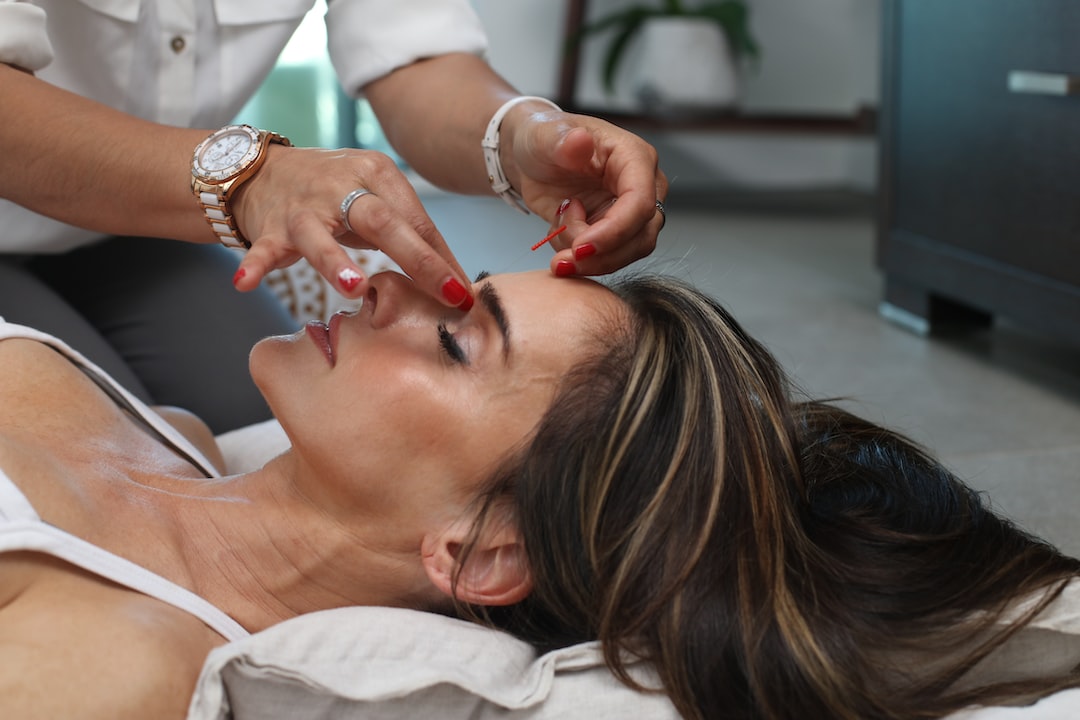
Luxury herbal medicine is a growing trend in the wellness industry, offering a unique and indulgent approach to natural healing. It combines the ancient practice of herbal medicine with the modern desire for luxury and self-care. Luxury herbal medicine refers to the use of high-quality, premium ingredients in herbal remedies, as well as the incorporation of luxurious elements such as beautiful packaging, soothing scents, and elegant presentation.
In recent years, there has been a shift towards more holistic and natural approaches to health and wellness. People are becoming more aware of the potential side effects and long-term consequences of conventional medicine, and are seeking alternative options. Herbal medicine offers a gentle and effective way to support the body’s natural healing processes, without the harsh chemicals and synthetic ingredients found in many pharmaceuticals.
The rise of luxury herbal medicine can be attributed to several factors. Firstly, there is a growing interest in self-care and wellness rituals that promote relaxation and rejuvenation. Luxury herbal medicine provides an opportunity for individuals to indulge in a pampering experience while also benefiting their health. Additionally, there is a desire for products that are not only effective but also aesthetically pleasing. Luxury herbal medicine offers beautifully crafted remedies that are a pleasure to use and display.
The History and Evolution of Herbal Medicine
Herbal medicine has been used for thousands of years by cultures around the world. The ancient Egyptians, Greeks, Chinese, and Native Americans all had their own traditional systems of herbal medicine. These early civilizations recognized the healing properties of plants and developed sophisticated methods for preparing and administering herbal remedies.
Over time, herbal medicine has evolved and adapted to different cultures and medical practices. In ancient times, herbal remedies were often based on folklore and tradition, with knowledge passed down through generations. As scientific understanding advanced, herbal medicine began to incorporate more evidence-based practices.
In the modern era, herbal medicine has gained recognition as a legitimate form of healthcare. Many herbs have been studied extensively and their therapeutic properties have been scientifically validated. Today, herbal medicine is practiced by trained professionals who combine traditional knowledge with modern research to create effective and safe remedies.
Understanding the Benefits of Herbal Medicine
Herbal medicine offers a wide range of benefits for both physical and mental health. One of the key advantages of herbal medicine is its gentle and holistic approach to healing. Unlike conventional medicine, which often focuses on treating specific symptoms or diseases, herbal medicine takes into account the whole person and aims to restore balance and harmony to the body.
Herbal remedies can be used to support the immune system, promote digestion, reduce inflammation, relieve pain, improve sleep, and enhance overall well-being. They can also be used as preventative measures to maintain good health and prevent illness.
Another benefit of herbal medicine is its minimal side effects. While pharmaceutical drugs often come with a long list of potential side effects, herbal remedies are generally well-tolerated and have fewer risks. This is because herbs contain a complex combination of active compounds that work synergistically to produce therapeutic effects, rather than a single isolated compound.
The Science Behind Herbal Medicine
While herbal medicine is often associated with traditional wisdom and natural healing, it is also grounded in scientific principles. The active compounds found in herbs have been extensively studied and their mechanisms of action have been elucidated.
Many herbs contain bioactive compounds such as alkaloids, flavonoids, terpenes, and phenolic acids, which have been shown to have various therapeutic effects. For example, chamomile contains apigenin, a flavonoid that has anti-inflammatory and antioxidant properties. Turmeric contains curcumin, a polyphenol that has been shown to have anti-inflammatory and anticancer effects.
When consumed or applied topically, these bioactive compounds interact with the body’s cells and systems to produce therapeutic effects. They can modulate gene expression, regulate enzyme activity, inhibit the growth of pathogens, reduce inflammation, and promote tissue repair.
The Role of Luxury in Herbal Medicine
Luxury plays an important role in enhancing the experience of herbal medicine. By incorporating luxurious elements such as beautiful packaging, soothing scents, and elegant presentation, luxury herbal medicine elevates the act of self-care and makes it a truly indulgent experience.
Luxury herbal medicine products are often made with high-quality, premium ingredients that have been carefully selected for their therapeutic properties. These ingredients are sourced from reputable suppliers who prioritize sustainability and ethical practices. The herbs are then processed and formulated using advanced techniques to ensure maximum potency and efficacy.
In addition to the quality of the ingredients, luxury herbal medicine products are also designed to be aesthetically pleasing. They often come in beautifully designed packaging that can be displayed proudly on a shelf or vanity. The scents and textures of the products are carefully crafted to provide a sensory experience that is both soothing and uplifting.
Examples of luxury herbal medicine products include artisanal teas, infused oils, bath salts, facial masks, and body creams. These products are not only effective in promoting health and well-being but also provide a luxurious and pampering experience.
The Art of Crafting High-Quality Herbal Remedies
Crafting high-quality herbal remedies is both an art and a science. It requires a deep understanding of the properties and interactions of different herbs, as well as the skill to create formulations that are effective and safe.
The process begins with sourcing high-quality ingredients. This involves finding reputable suppliers who prioritize sustainability and ethical practices. The herbs should be grown organically or wildcrafted in their natural habitats to ensure their potency and purity.
Once the herbs have been sourced, they need to be processed and formulated into remedies. This can involve various techniques such as drying, grinding, extracting, infusing, and blending. Each herb requires a different method of preparation to extract its active compounds and preserve its therapeutic properties.
The final step is packaging and presentation. Luxury herbal medicine products are often packaged in beautiful containers that are not only functional but also visually appealing. The labels and packaging materials should be made from sustainable and eco-friendly materials.
The Importance of Sustainable and Ethical Sourcing
Sustainable and ethical sourcing is crucial in the production of herbal medicine. Many herbs are harvested from the wild, and if not done responsibly, can lead to overharvesting and depletion of natural resources. Additionally, the demand for certain herbs can drive unsustainable practices such as deforestation and habitat destruction.
To ensure the long-term availability of medicinal plants, it is important to support suppliers who practice sustainable harvesting methods. This includes harvesting only a small percentage of the plant population, leaving enough plants to regenerate and reproduce. It also involves avoiding the use of harmful chemicals and pesticides that can contaminate the environment.
Ethical sourcing is also important to ensure fair trade practices and support local communities. Many herbs are harvested by indigenous people who have traditional knowledge and expertise in herbal medicine. By supporting suppliers who work directly with these communities, we can help preserve their cultural heritage and provide them with a sustainable livelihood.
Incorporating Herbal Medicine into Your Daily Routine
Incorporating herbal medicine into your daily routine is a simple and effective way to support your health and well-being. Here are some tips for incorporating herbal medicine into your daily routine:
1. Start with a cup of herbal tea: Herbal teas are a convenient and enjoyable way to incorporate herbs into your daily routine. Choose a blend that suits your needs, such as chamomile for relaxation or peppermint for digestion.
2. Use herbal remedies as part of your skincare routine: Many herbs have beneficial effects on the skin, such as reducing inflammation, promoting collagen production, and improving hydration. Look for facial masks, serums, and creams that contain herbal extracts.
3. Take herbal supplements: If you have specific health concerns, you may benefit from taking herbal supplements. Consult with a qualified herbalist or healthcare professional to determine the right supplements for your needs.
4. Create a relaxing herbal bath: Add a few drops of essential oils or herbal infusions to your bathwater for a soothing and aromatic experience. Herbs such as lavender, chamomile, and rosemary are particularly calming and rejuvenating.
5. Cook with herbs: Many culinary herbs have medicinal properties and can be easily incorporated into your meals. Experiment with different herbs and spices to add flavor and health benefits to your dishes.
Exploring the Different Forms of Herbal Medicine
Herbal medicine comes in various forms, each with its own advantages and applications. Here are some of the different forms of herbal medicine:
1. Teas and infusions: Herbal teas are one of the most common forms of herbal medicine. They are made by steeping herbs in hot water and can be consumed for their therapeutic properties or simply for enjoyment.
2. Tinctures: Tinctures are concentrated liquid extracts made by soaking herbs in alcohol or glycerin. They are easy to use and have a long shelf life. Tinctures can be taken orally or applied topically.
3. Capsules and tablets: Herbal remedies are also available in capsule or tablet form for convenience. These are often standardized extracts that contain specific amounts of active compounds.
4. Essential oils: Essential oils are highly concentrated extracts obtained from plants through distillation or cold pressing. They can be used for aromatherapy, massage, skincare, and household cleaning.
5. Topical preparations: Herbal remedies can also be applied topically in the form of creams, ointments, salves, and poultices. These are often used for skin conditions, muscle pain, and wound healing.
When choosing a form of herbal medicine, consider your personal preferences, the specific health concern you are addressing, and the ease of use. Some forms may be more suitable for certain conditions or individuals.
Choosing the Right Luxury Herbal Medicine for You
When choosing luxury herbal medicine, there are several factors to consider:
1. Quality of ingredients: Look for products that use high-quality, premium ingredients that have been sourced responsibly. The herbs should be organic or wildcrafted and processed using gentle methods to preserve their therapeutic properties.
2. Formulation: Consider the specific needs you are addressing and choose a product that contains herbs known for their therapeutic effects in that area. For example, if you are looking for a calming tea, choose one that contains herbs such as chamomile, lavender, and lemon balm.
3. Packaging and presentation: Luxury herbal medicine products often come in beautiful packaging that adds to the overall experience. Look for products that are aesthetically pleasing and made from sustainable materials.
4. Reputation of the brand: Research the brand and read reviews to ensure that they have a good reputation for quality and efficacy. Look for certifications or endorsements from reputable organizations.
Examples of luxury herbal medicine products include artisanal teas, infused oils, bath salts, facial masks, and body creams. These products can be found in specialty stores, online retailers, and wellness spas.
In conclusion, luxury herbal medicine offers a unique and indulgent approach to natural healing. It combines the ancient practice of herbal medicine with the modern desire for luxury and self-care. Luxury herbal medicine products are made with high-quality ingredients and often come in beautiful packaging. They provide a pampering experience while also benefiting health and well-being. By incorporating herbal medicine into your daily routine, you can support your body’s natural healing processes and enhance your overall sense of well-being.
More in
More from Magazine
Magazine · 28 min
Luxury Wedding Planning: The Ultimate Guide
Luxury wedding planning guide: top destination venues, couture bridal designers, Michelin catering, headline entertainment and elite planners for a fl…

Magazine · 29 min
Luxury Wine & Spirits Collecting: The Complete Guide
Luxury wine and spirits collecting guide: how to evaluate investment-grade Bordeaux, Burgundy, Champagne and rare whisky, plus auctions, storage and r…

Magazine · 32 min
Luxury Fashion: The Complete Style Guide
The complete luxury fashion style guide: bespoke tailoring, haute couture, heritage maisons like Hermes and Chanel, 2026 trends, investment bags and s…