Magazine · Magazine
The Art of Luxury Leather Craftsmanship
Leather craftsmanship is an ancient art form that has been practiced for thousands of years. From the earliest civilizations to the modern day, leather has been valued for its dura…
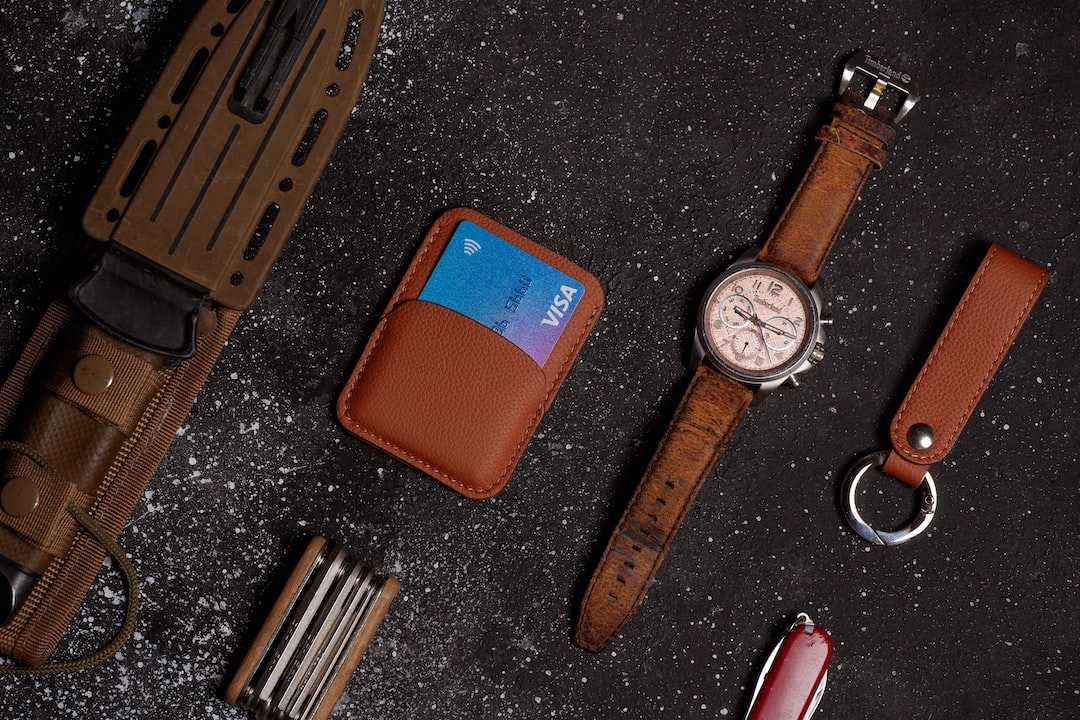
Leather craftsmanship is an ancient art form that has been practiced for thousands of years. From the earliest civilizations to the modern day, leather has been valued for its durability, versatility, and beauty. Leather craftsmen have honed their skills over generations, passing down their knowledge and techniques to create exquisite pieces of art. In this article, we will explore the history and importance of leather craftsmanship, the art of choosing the perfect leather, the tools of the trade, the techniques of leatherworking, the importance of attention to detail, the role of creativity in luxury leather craftsmanship, the art of personalization, the sustainability of leather crafting, the future of the industry, and the timeless appeal of handmade leather goods.
The History of Leather Craftsmanship: From Ancient Times to Modern Day
Leatherworking has a rich history that dates back to ancient times. The earliest evidence of leatherworking can be traced back to around 5000 BCE in ancient Egypt. Leather was used for a variety of purposes, including clothing, footwear, and armor. As civilizations developed and trade routes expanded, leatherworking techniques spread across different cultures and societies.
In ancient Rome, leather was highly valued and used for a wide range of purposes. Roman soldiers wore leather armor for protection in battle, while wealthy citizens adorned themselves with luxurious leather garments and accessories. The Romans also developed advanced tanning techniques that allowed them to create soft and supple leather.
During the Middle Ages, leatherworking became an important trade in Europe. Guilds were formed to regulate the industry and ensure high-quality craftsmanship. Leather goods were in high demand, with nobles and royalty commissioning elaborate pieces for their homes and wardrobes.
In modern times, leather craftsmanship has evolved to meet the changing needs and tastes of consumers. Today, leather is used in a wide range of industries, including fashion, furniture, automotive, and accessories. Skilled craftsmen continue to create beautiful and functional leather goods using traditional techniques and innovative designs.
The Art of Choosing the Perfect Leather: Quality, Texture, and Color
Choosing the right leather is crucial for any leatherworking project. There are several factors to consider when selecting leather, including quality, texture, and color.
Quality is perhaps the most important factor to consider when choosing leather. High-quality leather is durable, long-lasting, and ages beautifully. It should be free from blemishes, scars, and other imperfections. Full-grain leather is considered the highest quality as it retains the natural grain and markings of the animal hide. Top-grain leather is also a good option, as it is slightly more affordable but still retains a high level of quality.
Texture is another important consideration when choosing leather. Different types of leather have different textures, ranging from smooth and supple to rough and textured. The texture of the leather can greatly impact the overall look and feel of the finished product. For example, smooth leather is often used for formal or dressy items, while textured leather adds a more rugged or casual look.
Color is also an important aspect of leather crafting. Leather comes in a wide range of colors, from natural browns and blacks to vibrant hues. The color of the leather can greatly impact the overall aesthetic of the finished product. It is important to choose a color that complements the design and purpose of the item being crafted.
The Tools of the Trade: Essential Equipment for Leather Crafting
To create beautiful leather goods, craftsmen need a set of essential tools. These tools are designed to cut, shape, stitch, and finish leather with precision and accuracy.
Some of the basic tools needed for leatherworking include:
1. Cutting tools: These include knives, shears, and rotary cutters for cutting leather into desired shapes and sizes.
2. Stitching tools: These include needles, awls, and thread for hand stitching leather pieces together.
3. Punching tools: These include hole punches and pricking irons for creating holes in leather for stitching or attaching hardware.
4. Edge finishing tools: These include edge bevelers, slickers, and burnishers for smoothing and finishing the edges of leather.
5. Riveting tools: These include rivet setters and hammers for attaching hardware such as buckles, snaps, and rivets to leather.
For more advanced leatherworkers, there are additional tools and equipment that can enhance their craft. These may include leather skivers, strap cutters, embossing tools, and sewing machines.
It is important to properly maintain and care for leatherworking tools to ensure their longevity and performance. Tools should be cleaned after each use and stored in a dry and safe place. Blades should be sharpened regularly to maintain their cutting edge, and needles should be replaced when they become dull or bent.
The Techniques of Leatherworking: Hand Stitching, Cutting, and Finishing
Leatherworking involves a variety of techniques that are used to cut, stitch, and finish leather. These techniques require precision and attention to detail to achieve professional results.
Hand stitching is one of the most common techniques used in leather crafting. It involves using a needle and thread to sew pieces of leather together. Hand stitching creates a strong and durable bond that is less likely to come undone compared to machine stitching. To hand stitch leather, holes are first punched along the edges of the pieces to be stitched. The needle is then threaded with waxed thread and passed through the holes in a specific pattern. The thread is pulled tight to create a secure stitch, and the process is repeated until the pieces are fully stitched together.
Cutting leather is another important technique in leatherworking. Leather can be cut using a variety of tools, including knives, shears, or rotary cutters. It is important to use a sharp blade and make clean, precise cuts to ensure a professional finish. Templates or patterns can be used to guide the cutting process and ensure consistency in shape and size.
Finishing leather is the final step in the leatherworking process. This involves smoothing and polishing the edges of the leather to create a clean and professional look. Edge bevelers are used to remove any rough edges, while slickers and burnishers are used to smooth and polish the edges. Finishing products such as edge paints or dyes can also be applied to enhance the appearance and durability of the leather.
The Importance of Attention to Detail: The Difference Between Good and Great Leathercraft
Attention to detail is crucial in leather crafting. It is what sets apart good craftsmanship from great craftsmanship. Paying close attention to every aspect of the leatherworking process ensures that the finished product is of the highest quality.
One area where attention to detail is particularly important is in the stitching of leather. Each stitch should be evenly spaced and pulled tight to create a strong bond. The thread should be neatly trimmed and secured at the end of each stitch. Any loose threads or uneven stitches can detract from the overall appearance of the finished product.
Another area where attention to detail is important is in the cutting of leather. Clean, precise cuts ensure that the pieces fit together seamlessly and create a polished look. Any jagged or uneven edges can be noticeable and detract from the overall aesthetic.
Attention to detail is also important in the finishing of leather. Smoothing and polishing the edges creates a clean and professional look. Any rough or unfinished edges can be noticeable and give the impression of poor craftsmanship.
The Role of Creativity in Luxury Leather Craftsmanship: Designing Unique Pieces
Creativity plays a vital role in luxury leather craftsmanship. It is what allows craftsmen to design unique and innovative pieces that stand out from the crowd. Creativity is not limited to the design of the leather goods themselves but also extends to the choice of materials, colors, and finishes.
When designing leather goods, craftsmen have the opportunity to showcase their artistic vision and create something truly unique. They can experiment with different shapes, sizes, and styles to create pieces that are both functional and aesthetically pleasing. Creativity allows craftsmen to push the boundaries of traditional leatherworking techniques and create new and exciting designs.
The choice of materials is another area where creativity comes into play. Leather comes in a wide range of colors, textures, and finishes, allowing craftsmen to create pieces that are tailored to individual tastes and preferences. By combining different types of leather or incorporating other materials such as fabric or metal, craftsmen can create truly one-of-a-kind pieces.
Creativity also extends to the finishing touches of leather goods. This includes the choice of hardware such as buckles, snaps, or zippers, as well as any additional embellishments or decorations. These small details can greatly impact the overall look and feel of the finished product and add a unique touch.
The Art of Personalization: Customizing Leather Goods to Suit Individual Tastes
One of the great advantages of leather crafting is the ability to personalize and customize leather goods to suit individual tastes. Personalization adds a special touch to leather goods and makes them truly unique and meaningful.
There are several ways in which leather goods can be personalized. One common method is through embossing or engraving. This involves stamping or etching initials, names, or other designs onto the surface of the leather. Embossing or engraving can be done using specialized tools or by working with a professional leatherworker.
Another way to personalize leather goods is through the choice of colors and finishes. By selecting specific colors or finishes that reflect individual preferences or styles, leather goods can be customized to suit the tastes of the owner. This can include anything from bold and vibrant colors to more subtle and understated tones.
Customization can also extend to the design and functionality of leather goods. Craftsmen can work closely with customers to create bespoke pieces that meet their specific needs and requirements. This can include designing custom pockets, compartments, or closures, as well as incorporating unique features or details.
The Sustainability of Leather Crafting: Ethical Sourcing and Production Methods
In recent years, there has been a growing concern about the environmental impact of the leather industry. The sourcing and production methods used in leather crafting can have a significant impact on the environment and animal welfare.
Ethical sourcing is an important consideration in leather crafting. It is important to ensure that the leather used in the production of goods is sourced from sustainable and responsible sources. This includes using hides from animals that have been raised in humane conditions and have not been subjected to unnecessary harm or suffering.
Sustainable production methods are also important in leather crafting. This includes using environmentally friendly tanning processes that minimize the use of chemicals and reduce water consumption. It also involves minimizing waste and recycling materials whenever possible.
Many leather craftsmen are now embracing sustainable practices and working towards reducing their environmental impact. They are using vegetable-tanned leather, which is a more eco-friendly alternative to traditional chrome-tanned leather. Vegetable tanning uses natural tannins derived from plants, such as tree bark, instead of harsh chemicals.
The Future of Leather Craftsmanship: Innovations and Trends in the Industry
The leather industry is constantly evolving, with new innovations and trends shaping the future of leather craftsmanship. Advancements in technology, materials, and techniques are opening up new possibilities for craftsmen and pushing the boundaries of traditional leatherworking.
One emerging trend in the industry is the use of sustainable materials. As consumers become more conscious of their environmental impact, there is a growing demand for leather goods made from eco-friendly materials. This includes alternatives to traditional leather, such as plant-based or recycled materials.
Another trend in leather craftsmanship is the integration of technology. Craftsmen are now using computer-aided design (CAD) software and laser cutting machines to create intricate and precise designs. This allows for greater accuracy and efficiency in the production process.
There is also a growing interest in artisanal and handmade products. As consumers seek unique and high-quality goods, there is a renewed appreciation for the craftsmanship and artistry of handmade leather goods. Craftsmen who can offer personalized and bespoke pieces are likely to thrive in this market.
The Timeless Appeal of Handmade Leather Goods: Why They Will Always Be in Demand
Despite the advancements in technology and the availability of mass-produced goods, handmade leather goods continue to have a timeless appeal. There is something special about owning a piece that has been crafted with care and attention to detail by a skilled artisan.
Handmade leather goods have a unique quality that cannot be replicated by machines. Each piece is one-of-a-kind, with its own distinct characteristics and imperfections. This adds to the charm and character of the item, making it truly special.
Handmade leather goods also have a sense of authenticity and craftsmanship that is often lacking in mass-produced items. The time and effort that goes into creating each piece is evident in the finished product. This attention to detail and dedication to quality sets handmade leather goods apart from their factory-made counterparts.
In addition, handmade leather goods often have a longer lifespan than mass-produced items. The use of high-quality materials and traditional techniques ensures that these pieces are built to last. They can be passed down through generations, becoming cherished heirlooms that tell a story.
Leather craftsmanship is an ancient art form that continues to thrive in the modern world. It is an art that requires skill, precision, and creativity to create beautiful and functional leather goods. From the selection of the perfect leather to the use of specialized tools and techniques, every step in the leatherworking process is important in achieving a high level of craftsmanship.
The future of leather craftsmanship looks promising, with new innovations and trends shaping the industry. As consumers become more conscious of their environmental impact and seek unique and high-quality goods, there is a growing demand for sustainable and handmade leather goods. Craftsmen who can offer personalized and bespoke pieces are likely to thrive in this market.
In conclusion, leather craftsmanship is an art form that has stood the test of time. It is an art that combines tradition with innovation, creativity with precision. Whether it is a hand-stitched bag, a finely tooled wallet, or a beautifully embossed journal, handmade leather goods will always have a timeless appeal.
More in
More from Magazine
Magazine · 28 min
Luxury Wedding Planning: The Ultimate Guide
Luxury wedding planning guide: top destination venues, couture bridal designers, Michelin catering, headline entertainment and elite planners for a fl…

Magazine · 29 min
Luxury Wine & Spirits Collecting: The Complete Guide
Luxury wine and spirits collecting guide: how to evaluate investment-grade Bordeaux, Burgundy, Champagne and rare whisky, plus auctions, storage and r…
Magazine · 32 min
Luxury Fashion: The Complete Style Guide
The complete luxury fashion style guide: bespoke tailoring, haute couture, heritage maisons like Hermes and Chanel, 2026 trends, investment bags and s…