Magazine · Magazine
The Best in Exclusive Organic Wineries
Exclusive organic wineries are a growing trend in the wine industry. These wineries focus on producing high-quality wines using organic farming practices. Organic wineries prioriti…
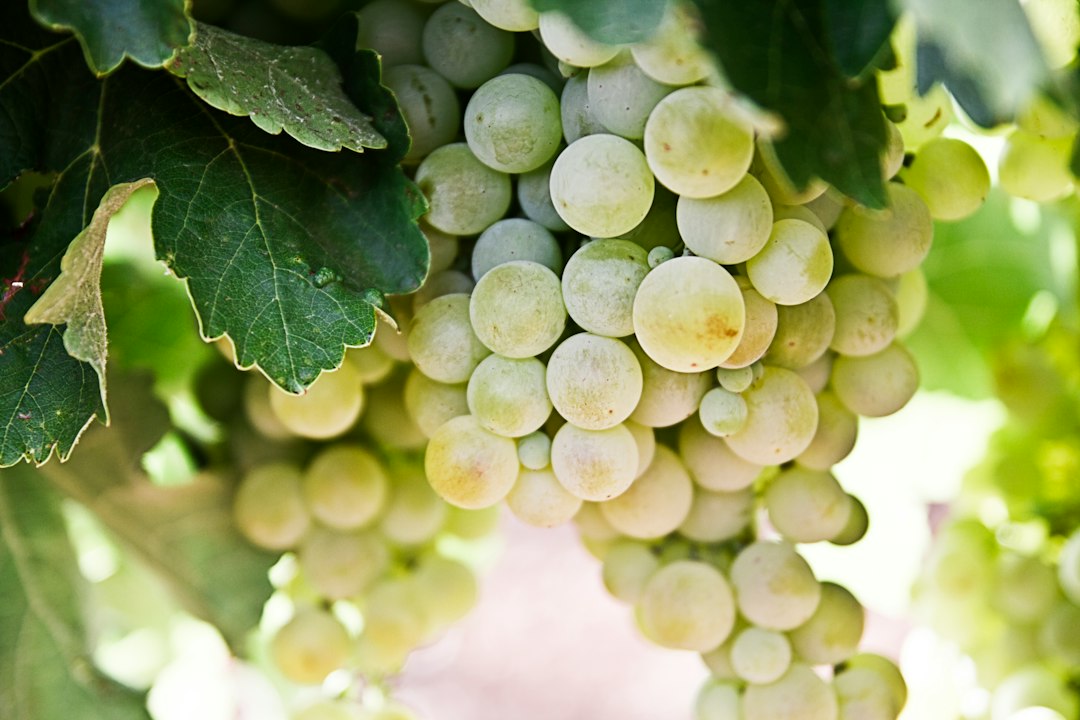
Exclusive organic wineries are a growing trend in the wine industry. These wineries focus on producing high-quality wines using organic farming practices. Organic wineries prioritize sustainability and environmental stewardship, making them a popular choice for wine enthusiasts who value both taste and ethical production methods.
The popularity of exclusive organic wineries can be attributed to several factors. Firstly, there is a growing awareness and concern about the impact of conventional farming practices on the environment and human health. Consumers are becoming more conscious of the chemicals and pesticides used in conventional agriculture, and are seeking out alternatives that align with their values.
Secondly, there is a growing demand for organic products in general, as people become more health-conscious and seek out natural and chemical-free options. This trend extends to the wine industry, where consumers are increasingly interested in wines that are made without the use of synthetic chemicals or genetically modified organisms.
The Rise of Organic Winemaking
Organic winemaking has a long history that dates back centuries. In fact, before the advent of modern agricultural practices, all wines were essentially organic. However, with the rise of industrial farming in the 20th century, many winemakers began using synthetic pesticides and fertilizers to increase yields and protect against pests and diseases.
In recent years, there has been a resurgence of interest in organic winemaking. This can be attributed to a combination of factors, including increased consumer demand for organic products, advancements in organic farming techniques, and a growing understanding of the potential health and environmental risks associated with conventional winemaking practices.
Today, the organic wine industry is thriving, with more and more wineries adopting organic farming practices. In order to be certified as organic, wineries must adhere to strict guidelines set forth by various certification bodies around the world. These guidelines typically prohibit the use of synthetic pesticides, herbicides, fungicides, and genetically modified organisms in the vineyard, as well as the use of added sulfites during the winemaking process.
The Benefits of Drinking Organic Wine
There are several benefits to drinking organic wine, which contribute to its growing popularity among consumers.
From a health perspective, organic wines are made without the use of synthetic chemicals, which can be harmful to both human health and the environment. By choosing organic wines, consumers can reduce their exposure to potentially harmful substances and enjoy a more natural and pure product.
In addition to health benefits, organic winemaking also has positive environmental impacts. Organic farming practices prioritize sustainability and work in harmony with nature, rather than against it. By avoiding the use of synthetic chemicals, organic wineries help to protect soil health, promote biodiversity, and reduce pollution.
Furthermore, many wine enthusiasts argue that organic wines simply taste better. Without the use of synthetic chemicals, the flavors and aromas of the grapes are allowed to shine through, resulting in wines that are more expressive and true to their terroir.
Top Exclusive Organic Wineries Around the World
There are many exceptional exclusive organic wineries around the world that are worth exploring. Here is a list of some of the best:
1. Domaine de la Romanée-Conti (Burgundy, France): This legendary winery is known for producing some of the most sought-after and expensive wines in the world. Their vineyards are farmed organically and biodynamically, resulting in wines that are elegant, complex, and age-worthy.
2. Lopez de Heredia (Rioja, Spain): This historic winery has been producing organic wines for over 140 years. They are known for their traditional winemaking methods and long aging process, which results in wines that are rich, complex, and full of character.
3. Cullen Wines (Margaret River, Australia): Cullen Wines is a family-owned winery that has been practicing organic and biodynamic farming since the 1970s. They are known for their elegant and balanced wines, particularly their flagship Cabernet Sauvignon.
4. Quinta do Crasto (Douro Valley, Portugal): This winery is located in the heart of the Douro Valley, a UNESCO World Heritage site. They are committed to sustainable farming practices and produce a range of organic wines that showcase the unique terroir of the region.
5. Bonterra Vineyards (California, USA): Bonterra Vineyards is one of the largest organic wineries in the United States. They are known for their commitment to sustainability and produce a wide range of organic wines, including Chardonnay, Merlot, and Cabernet Sauvignon.
The Process of Organic Winemaking
Organic winemaking differs from conventional winemaking in several key ways. While both processes involve fermenting grape juice into wine, organic winemaking places a greater emphasis on sustainability and natural production methods.
In organic winemaking, the vineyard is managed using organic farming practices. This means that synthetic pesticides, herbicides, and fertilizers are prohibited, and instead, natural alternatives are used to control pests and diseases and nourish the soil.
During the winemaking process, organic wineries also avoid the use of additives and chemicals. This includes avoiding the use of added sulfites, which are commonly used as a preservative in conventional winemaking. Instead, organic wineries rely on natural methods to stabilize and preserve their wines.
The Importance of Sustainable Practices in Winemaking
Winemaking can have a significant impact on the environment, which is why sustainable practices are so important. From vineyard management to packaging and distribution, every aspect of the winemaking process can be optimized to reduce its environmental footprint.
One of the biggest environmental challenges in winemaking is water usage. Vineyards require a significant amount of water to thrive, and in many wine-producing regions, water scarcity is a growing concern. Sustainable wineries prioritize water conservation by implementing irrigation systems that minimize water waste and by using cover crops to reduce evaporation.
Another important aspect of sustainable winemaking is energy usage. Wineries consume a significant amount of energy for tasks such as grape processing, fermentation, and bottling. Sustainable wineries invest in energy-efficient equipment and technologies, such as solar panels and LED lighting, to reduce their energy consumption and reliance on fossil fuels.
Furthermore, sustainable wineries prioritize waste management and recycling. They implement practices to minimize waste generation, such as composting grape pomace and reusing or recycling packaging materials. By reducing waste and recycling whenever possible, wineries can minimize their impact on landfills and natural resources.
The Unique Characteristics of Organic Wines
Organic wines have unique characteristics that set them apart from conventional wines. These characteristics are a result of the organic farming practices used in the vineyard, as well as the absence of synthetic additives during the winemaking process.
One of the most noticeable differences in organic wines is their flavor profile. Without the use of synthetic chemicals, organic wines often have more pronounced fruit flavors and aromas. They also tend to have a greater sense of place, as the natural farming methods allow the terroir to shine through.
In addition to their flavor profile, organic wines also tend to have a different mouthfeel compared to conventional wines. This is because organic winemakers often use less intervention during the winemaking process, allowing the wine to develop naturally. As a result, organic wines can be more vibrant and lively on the palate.
Lastly, organic wines are often praised for their ability to age gracefully. The absence of synthetic additives means that organic wines rely on natural processes for stabilization and preservation. This can result in wines that have a longer aging potential and develop complex flavors and aromas over time.
The Best Organic Wines for Different Occasions
When it comes to choosing the best organic wines for different occasions, there are several factors to consider, including personal taste preferences, food pairings, and the occasion itself.
For a special occasion or celebration, sparkling organic wines are always a good choice. Look for organic Champagne or sparkling wines from regions such as Franciacorta in Italy or Cava in Spain. These wines are typically made using the traditional method, which involves a second fermentation in the bottle, resulting in fine bubbles and complex flavors.
For a casual gathering or a summer barbecue, light and refreshing white wines are a great option. Look for organic Sauvignon Blanc from regions such as Marlborough in New Zealand or Sancerre in France. These wines are known for their crisp acidity and vibrant fruit flavors, making them perfect for warm weather and outdoor dining.
For a cozy evening at home or a dinner party, rich and full-bodied red wines are a good choice. Look for organic Cabernet Sauvignon from regions such as Napa Valley in California or Bordeaux in France. These wines are known for their bold flavors and firm tannins, which pair well with hearty dishes such as grilled steak or roasted lamb.
Organic Wine Tasting Tips for Beginners
Tasting wine can be an enjoyable and educational experience, even for beginners. Here are some tips to enhance your wine tasting experience:
1. Start with the basics: Begin by observing the wine’s appearance, noting its color and clarity. Then, take a moment to swirl the wine gently in the glass to release its aromas.
2. Use your senses: Take a moment to smell the wine and try to identify different aromas. Is it fruity? Floral? Earthy? Take note of any scents that stand out to you.
3. Take a small sip: Take a small sip of the wine and let it coat your palate. Pay attention to the flavors and textures you experience. Is it sweet? Dry? Acidic? Tannic?
4. Consider the finish: After swallowing or spitting out the wine, pay attention to the lingering flavors and sensations. Does the wine have a long or short finish? Is it smooth or harsh?
5. Compare and contrast: If you have multiple wines to taste, try comparing and contrasting them. Note the similarities and differences between each wine, and try to identify your preferences.
Supporting Small-Scale Organic Wineries
Supporting small-scale organic wineries is important for several reasons. Firstly, small-scale wineries often have limited resources and face greater challenges in terms of marketing and distribution. By supporting these wineries, consumers can help them thrive and continue producing high-quality organic wines.
Secondly, small-scale wineries often prioritize sustainability and environmental stewardship. They are more likely to implement organic farming practices, minimize their environmental footprint, and support local communities. By supporting these wineries, consumers can contribute to a more sustainable and ethical wine industry.
There are several ways to find and support small-scale organic wineries. One option is to visit local farmers’ markets or specialty wine shops that focus on organic and natural wines. These establishments often carry a selection of wines from small-scale producers.
Another option is to join a wine club or subscription service that specializes in organic wines. These services often curate a selection of wines from small-scale producers and deliver them directly to your door.
Conclusion:
Exclusive organic wineries are gaining popularity for their commitment to sustainability, natural production methods, and high-quality wines. The rise of organic winemaking can be attributed to increased consumer demand for organic products, as well as a growing awareness of the potential health and environmental risks associated with conventional winemaking practices.
Drinking organic wine offers several benefits, including improved health outcomes, reduced environmental impact, and enhanced taste experiences. By choosing organic wines, consumers can support sustainable winemaking practices and enjoy a more natural and pure product.
There are many exceptional exclusive organic wineries around the world that are worth exploring. These wineries produce wines that are true expressions of their terroir and showcase the unique flavors and aromas of organic grapes.
Supporting small-scale organic wineries is important for the continued growth and success of the organic wine industry. By seeking out and purchasing wines from these wineries, consumers can contribute to a more sustainable and ethical wine industry.
More in
More from Magazine
Magazine · 28 min
Luxury Wedding Planning: The Ultimate Guide
Luxury wedding planning guide: top destination venues, couture bridal designers, Michelin catering, headline entertainment and elite planners for a fl…

Magazine · 29 min
Luxury Wine & Spirits Collecting: The Complete Guide
Luxury wine and spirits collecting guide: how to evaluate investment-grade Bordeaux, Burgundy, Champagne and rare whisky, plus auctions, storage and r…

Magazine · 32 min
Luxury Fashion: The Complete Style Guide
The complete luxury fashion style guide: bespoke tailoring, haute couture, heritage maisons like Hermes and Chanel, 2026 trends, investment bags and s…