Magazine · Magazine
The Cultural Significance of Luxury Watches in Different Societies
Luxury watches have long been a symbol of status, wealth, and style. These timepieces are not just functional accessories; they are works of art that showcase the craftsmanship and…
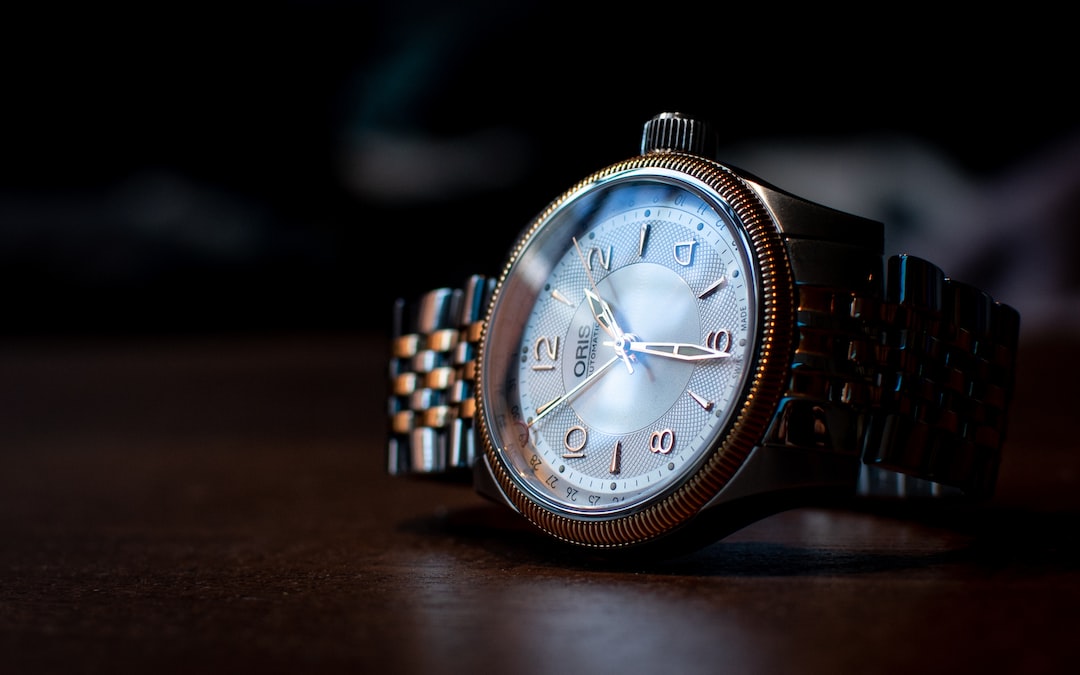
Luxury watches have long been a symbol of status, wealth, and style. These timepieces are not just functional accessories; they are works of art that showcase the craftsmanship and precision of watchmaking. In today’s society, luxury watches continue to hold a special place, representing success, sophistication, and a love for the finer things in life.
The Historical Evolution of Luxury Watches in Society
The history of watches dates back to the 16th century when portable timepieces were first invented. These early watches were primarily worn by the elite and were considered a luxury item. As technology advanced, so did the design and functionality of watches. In the 18th and 19th centuries, pocket watches became popular among the upper class, with intricate designs and precious materials.
It was during the 20th century that luxury watches truly emerged as a status symbol. Brands like Rolex, Patek Philippe, and Cartier gained prominence and became synonymous with luxury and prestige. These brands introduced innovative features such as automatic movements, chronographs, and water resistance, further enhancing the appeal of luxury watches.
The Symbolic Value of Luxury Watches in Modern Culture
In modern culture, luxury watches represent more than just a timekeeping device. They are symbols of success, achievement, and personal style. Owning a luxury watch is seen as a mark of accomplishment and can elevate one’s social status. These timepieces are often associated with wealth, power, and sophistication.
Luxury watches are perceived differently by society depending on various factors such as brand reputation, design, and rarity. Certain brands like Rolex are highly regarded for their quality and heritage, while others like Audemars Piguet or Richard Mille are known for their avant-garde designs and technical innovations. The emotional connection people have with luxury watches is also significant. Many individuals view their watches as heirlooms or investments that can be passed down through generations.
Luxury Watches as Status Symbols in Different Societies
The use of luxury watches as status symbols varies across different cultures. In some societies, owning a luxury watch is seen as a sign of wealth and social standing. For example, in Middle Eastern countries, where opulence and luxury are highly valued, wearing a Rolex or a Patek Philippe is a way to display one’s affluence.
In other cultures, luxury watches may hold different meanings. In Japan, for instance, the focus is more on craftsmanship and attention to detail. Japanese consumers often gravitate towards brands like Grand Seiko or Seiko, which are known for their precision and quality.
The Role of Luxury Watches in the Fashion Industry
Luxury watches play a significant role in the fashion industry, as they are often considered an essential accessory to complete a stylish look. Many fashion brands have their own line of luxury watches, collaborating with renowned watchmakers to create unique timepieces that reflect their brand identity.
Luxury watches can also influence fashion trends. The design elements and materials used in watches often find their way into other fashion accessories such as jewelry or clothing. For example, the rose gold trend in watches has also been seen in earrings, bracelets, and even clothing.
The Psychology of Luxury Watch Collecting
The act of collecting luxury watches goes beyond mere ownership; it is a passion and a form of self-expression. People collect luxury watches for various reasons, including the appreciation of craftsmanship, the desire to own rare or limited-edition pieces, and the thrill of hunting for new additions to their collection.
There is often an emotional attachment that collectors have with their timepieces. Each watch tells a story and holds sentimental value. Collectors may associate certain watches with significant moments in their lives or view them as a representation of their personal style and taste.
The Cultural Significance of Luxury Watch Brands
Different luxury watch brands hold varying cultural significance in different parts of the world. For example, in Switzerland, where many luxury watch brands are based, these timepieces are deeply ingrained in the country’s heritage and are seen as a symbol of Swiss craftsmanship and precision.
In China, luxury watches are highly sought after as a status symbol and a sign of wealth. Brands like Rolex and Omega are particularly popular among Chinese consumers. In contrast, in the United States, luxury watches are often associated with success and achievement, with brands like Rolex and TAG Heuer being highly regarded.
The Impact of Technology on the Luxury Watch Industry
Technology has had a significant impact on the luxury watch industry, both in terms of design and functionality. The introduction of quartz movements in the 1970s revolutionized the industry, making watches more accurate and affordable. However, this also led to a decline in the demand for mechanical watches.
In recent years, technology has been embraced by luxury watchmakers to enhance their timepieces. Smartwatches have gained popularity among younger consumers who value connectivity and functionality. Luxury watch brands like TAG Heuer and Montblanc have introduced their own smartwatches that combine traditional craftsmanship with modern technology.
The Importance of Craftsmanship in Luxury Watchmaking
Craftsmanship is at the heart of luxury watchmaking. Skilled artisans spend countless hours meticulously assembling and finishing each component of a watch by hand. The attention to detail and precision required in watchmaking is what sets luxury watches apart from mass-produced timepieces.
The role of skilled artisans in luxury watchmaking cannot be overstated. These craftsmen possess specialized knowledge and expertise that has been passed down through generations. Their dedication to their craft ensures that each luxury watch is a masterpiece of design and engineering.
Luxury Watches as Investment Opportunities
Luxury watches can also be seen as investment opportunities. Certain models from prestigious brands have shown a track record of appreciating in value over time. Factors that affect the value of luxury watches include brand reputation, rarity, condition, and demand.
Investing in luxury watches requires careful research and knowledge of the market. It is important to consider factors such as the brand’s history, the popularity of certain models, and the potential for future appreciation. While not all luxury watches will appreciate in value, owning a well-curated collection can be a rewarding investment.
The Future of Luxury Watches in a Changing Society
As society evolves, so too does the perception and demand for luxury watches. Changing societal values, such as a shift towards sustainability and ethical consumption, may impact the luxury watch industry. Consumers are becoming more conscious of the environmental and social impact of their purchases, which may influence their buying decisions.
In a digital age where smartphones and smartwatches dominate the market, luxury watchmakers must adapt to stay relevant. Some brands have embraced technology by incorporating smart features into their timepieces, while others focus on preserving traditional craftsmanship and heritage.
Luxury watches hold a special place in society, representing success, style, and craftsmanship. They are more than just functional accessories; they are symbols of status and personal expression. The historical evolution of luxury watches, their cultural significance, and their role in the fashion industry all contribute to their enduring appeal.
As technology continues to advance and societal values change, the luxury watch industry must adapt to stay relevant. However, one thing remains constant: the emotional connection people have with their timepieces. Whether it is collecting, investing, or simply wearing a luxury watch, these timepieces continue to captivate and inspire.
More in
More from Magazine
Magazine · 28 min
Luxury Wedding Planning: The Ultimate Guide
Luxury wedding planning guide: top destination venues, couture bridal designers, Michelin catering, headline entertainment and elite planners for a fl…

Magazine · 29 min
Luxury Wine & Spirits Collecting: The Complete Guide
Luxury wine and spirits collecting guide: how to evaluate investment-grade Bordeaux, Burgundy, Champagne and rare whisky, plus auctions, storage and r…
Magazine · 32 min
Luxury Fashion: The Complete Style Guide
The complete luxury fashion style guide: bespoke tailoring, haute couture, heritage maisons like Hermes and Chanel, 2026 trends, investment bags and s…