Magazine · Magazine
The Evolution of Spa and Massage Therapies
Spa and massage therapies have a long and rich history that dates back thousands of years. These practices have evolved over time, incorporating various techniques and traditions f…
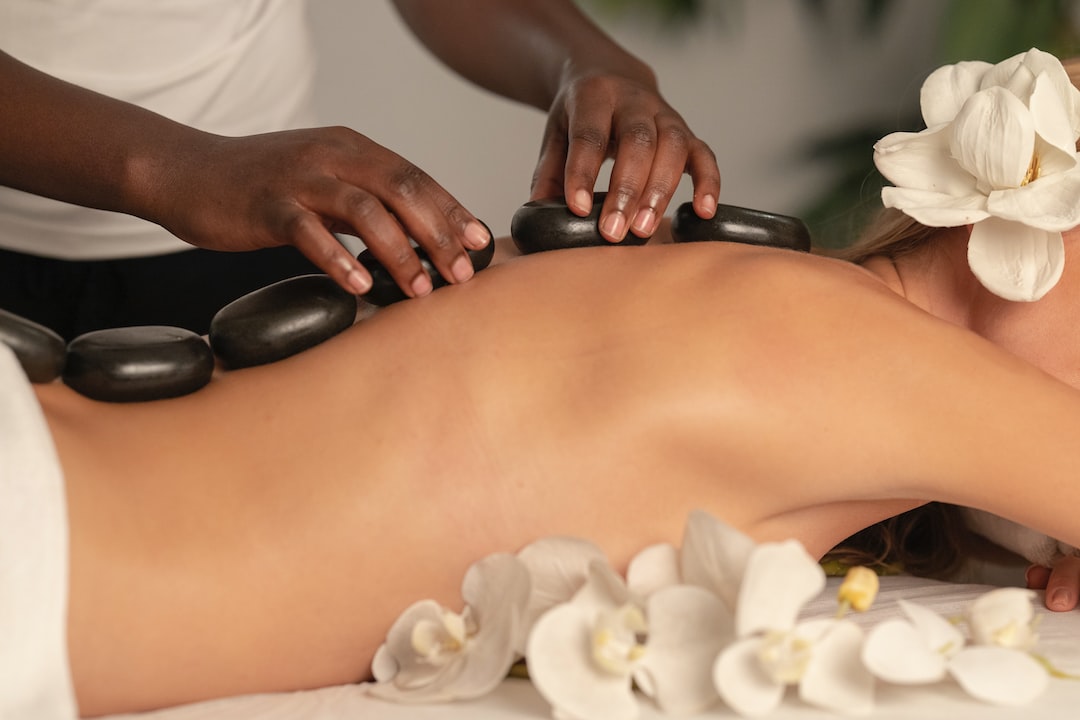
Spa and massage therapies have a long and rich history that dates back thousands of years. These practices have evolved over time, incorporating various techniques and traditions from different cultures around the world. Today, spa and massage therapies are not only seen as a luxury, but also as a means to promote relaxation, wellness, and healing. In this article, we will explore the origins of spa and massage therapies, the science behind these practices, the influence of Eastern medicine, the role of technology, and the future of spa culture.
The Origins of Spa and Massage Therapies: A Historical Overview
Massage therapy has been practiced for thousands of years in various cultures around the world. Ancient Egyptians, Greeks, Romans, and Chinese all had their own unique methods of massage. These early civilizations recognized the healing power of touch and used massage to treat a variety of ailments.
In ancient Egypt, massage was used to relieve pain, improve circulation, and promote relaxation. The Egyptians believed that the body was made up of channels called meridians, and that by applying pressure to specific points on these meridians, they could restore balance and harmony to the body.
In ancient Greece and Rome, bathing rituals were an important part of daily life. These cultures believed that bathing in hot water could cleanse the body and promote good health. Massage was often incorporated into these bathing rituals as a way to relax the muscles and release tension.
Traditional Chinese medicine also played a significant role in the development of massage techniques. Chinese physicians believed that energy flowed through the body along specific pathways called meridians. By applying pressure to these meridians, they could stimulate the flow of energy and promote healing.
Advertising
The Emergence of Modern Spa and Massage Techniques: A Timeline
In the 19th century, Swedish physician Per Henrik Ling developed a system of massage known as Swedish massage. This technique involved long, flowing strokes and kneading of the muscles to promote relaxation and improve circulation. Swedish massage quickly gained popularity and became the foundation for many modern massage techniques.
In the 20th century, other massage techniques began to emerge. Deep tissue massage, for example, focuses on targeting the deeper layers of muscle and connective tissue to relieve chronic pain and tension. Hot stone massage uses heated stones to relax the muscles and promote a sense of deep relaxation. Thai massage combines stretching, acupressure, and yoga-like movements to improve flexibility and balance.
Alongside the development of massage techniques, modern spa treatments also began to emerge. Facials, body wraps, and aromatherapy became popular ways to pamper oneself and promote overall wellness. These treatments often incorporate natural ingredients and essential oils to nourish the skin and relax the mind.
The Science of Massage Therapy: How Understanding the Body Has Changed the Spa Experience
Over the years, our understanding of the human body has greatly influenced the practice of massage therapy. Today, massage therapists have a deep knowledge of anatomy and physiology, allowing them to tailor their treatments to each individual’s needs.
Massage therapy has been shown to have numerous benefits on the nervous, muscular, and circulatory systems. It can help reduce stress and anxiety, relieve muscle tension and pain, improve flexibility and range of motion, and promote better sleep. Massage also stimulates the release of endorphins, which are natural painkillers and mood elevators.
Advancements in technology have also enhanced the effectiveness of massage therapy. For example, electric massagers can provide targeted relief to specific areas of the body. Infrared light therapy uses infrared waves to penetrate deep into the muscles, promoting healing and reducing inflammation. These technological advancements have made massage therapy more accessible and effective for people of all ages and conditions.
The Influence of Eastern Medicine on Spa and Massage Therapies
Eastern medicine has had a profound influence on spa and massage therapies. Practices such as acupuncture, acupressure, and reflexology have been incorporated into spa treatments to promote balance and harmony in the body.
Acupuncture involves the insertion of thin needles into specific points on the body to stimulate the flow of energy. Acupressure uses finger pressure on these same points to achieve similar results. Reflexology focuses on applying pressure to specific points on the feet, hands, and ears that correspond to different organs and systems in the body.
In addition to these techniques, Eastern medicine also emphasizes the use of herbal remedies and natural ingredients in spa products. Many spas now offer treatments that incorporate traditional Chinese herbs, Ayurvedic oils, and other natural ingredients to promote healing and relaxation.
The Role of Technology in Spa and Massage Therapies: From Saunas to Infrared Light Therapy
Technology has played a significant role in enhancing the spa experience and promoting healing. Heat therapy, for example, has long been used in saunas, steam rooms, and hot tubs to relax the muscles and promote detoxification. These heat-based treatments can help improve circulation, relieve muscle tension, and reduce stress.
In recent years, new technologies such as infrared light therapy and cryotherapy have emerged in the spa industry. Infrared light therapy uses infrared waves to penetrate deep into the muscles, promoting healing and reducing inflammation. Cryotherapy involves exposing the body to extremely cold temperatures for a short period of time to reduce pain and inflammation.
These technological advancements have made it possible for individuals to experience the benefits of heat therapy and other treatments in a more controlled and targeted manner. They have also opened up new possibilities for treating a wide range of conditions, from chronic pain to skin conditions.
The Importance of Aromatherapy in Modern Spa Treatments
Aromatherapy is another important aspect of modern spa treatments. Essential oils are used in massage, facials, and other spa treatments to enhance relaxation and promote overall well-being.
Different essential oils have different properties and can be used to address specific concerns. Lavender, for example, is known for its calming and soothing effects, while peppermint is invigorating and can help relieve headaches. Rosemary is often used to improve focus and concentration, while chamomile is used to promote relaxation and sleep.
Aromatherapy has been shown to have a positive impact on the mind and body. Inhaling essential oils can stimulate the limbic system, which is responsible for emotions and memory. This can help reduce stress and anxiety, improve mood, and promote a sense of well-being.
The Benefits of Hydrotherapy: From Hot Springs to Jacuzzis
Hydrotherapy has been used for centuries as a way to promote relaxation, pain relief, and detoxification. Hot springs, mineral baths, and jacuzzis are all examples of hydrotherapy treatments that have been enjoyed by people around the world.
Soaking in hot springs or mineral baths can help relax the muscles, improve circulation, and relieve pain. The minerals found in these waters, such as magnesium and sulfur, can also have a therapeutic effect on the body.
Jacuzzis, or hot tubs, provide a similar experience in a more controlled environment. The warm water and jets can help relax the muscles, reduce stress, and promote a sense of well-being. Many spas now offer hydrotherapy treatments that incorporate hot tubs or whirlpools as a way to enhance the spa experience.
The Evolution of Massage Techniques: From Swedish to Deep Tissue
Massage therapy has evolved over time, with different techniques emerging to address specific needs and preferences. Swedish massage, with its long, flowing strokes and kneading of the muscles, remains one of the most popular forms of massage therapy.
In recent years, deep tissue massage has gained popularity among athletes and active individuals. This technique focuses on targeting the deeper layers of muscle and connective tissue to relieve chronic pain and tension. It can be more intense than Swedish massage, but can also provide greater relief for those with specific muscular issues.
Other massage techniques, such as sports massage, prenatal massage, and lymphatic drainage massage, have also emerged to address specific needs and conditions. The key to a successful massage is customization and personalization, as each individual’s body is unique and may require different techniques and pressures.
The Growing Trend of Wellness Retreats: Combining Spa Treatments with Mindfulness and Fitness
In recent years, there has been a growing trend towards wellness retreats that combine spa treatments with mindfulness practices and fitness activities. These retreats offer a holistic approach to wellness, focusing on the mind, body, and spirit.
Wellness retreats often take place in beautiful natural settings, such as mountains or beaches, allowing participants to connect with nature and find inner peace. They typically offer a range of spa treatments, such as massages, facials, and body wraps, as well as mindfulness practices such as meditation and yoga.
Fitness activities are also an important part of wellness retreats. Participants can engage in activities such as hiking, biking, or swimming to promote physical fitness and overall well-being. These retreats provide an opportunity for individuals to disconnect from their daily routines and focus on their health and well-being.
The Future of Spa and Massage Therapies: Predictions and Innovations
The future of spa culture and massage therapy is filled with exciting possibilities. As technology continues to advance, we can expect to see more innovations in the spa industry.
Virtual reality is one area that holds great potential for enhancing the spa experience. Imagine being able to immerse yourself in a virtual world while receiving a massage or enjoying a facial. This technology could help create a more immersive and relaxing experience for spa-goers.
Sustainability and eco-friendly practices are also likely to play a larger role in the future of spa culture. As people become more conscious of their impact on the environment, there will be a greater demand for spas that prioritize sustainability and use natural, organic products.
In addition, the integration of Eastern medicine and Western science is likely to continue. Practices such as acupuncture, acupressure, and herbal remedies will become more mainstream in spa treatments, as people recognize their benefits for overall wellness.
Spa and massage therapies have a long and rich history that spans across cultures and continents. These practices have evolved over time, incorporating new techniques and technologies to enhance the spa experience. Today, spa and massage therapies are not only seen as a luxury, but also as a means to promote relaxation, wellness, and healing.
The future of spa culture and massage therapy holds great promise. With advancements in technology, we can expect to see more innovative treatments and techniques that cater to individual needs and preferences. The integration of Eastern medicine and Western science will continue to shape the spa industry, as people seek holistic approaches to wellness.
In conclusion, spa and massage therapies have come a long way since their ancient origins. They have become an integral part of our modern lives, offering a sanctuary for relaxation, rejuvenation, and healing. Whether you’re seeking relief from chronic pain or simply looking to pamper yourself, the spa experience has something to offer everyone. So go ahead, indulge in a massage or treat yourself to a day at the spa, your mind and body will thank you.
More in
More from Magazine
Magazine · 28 min
Luxury Wedding Planning: The Ultimate Guide
Luxury wedding planning guide: top destination venues, couture bridal designers, Michelin catering, headline entertainment and elite planners for a fl…
Magazine · 29 min
Luxury Wine & Spirits Collecting: The Complete Guide
Luxury wine and spirits collecting guide: how to evaluate investment-grade Bordeaux, Burgundy, Champagne and rare whisky, plus auctions, storage and r…
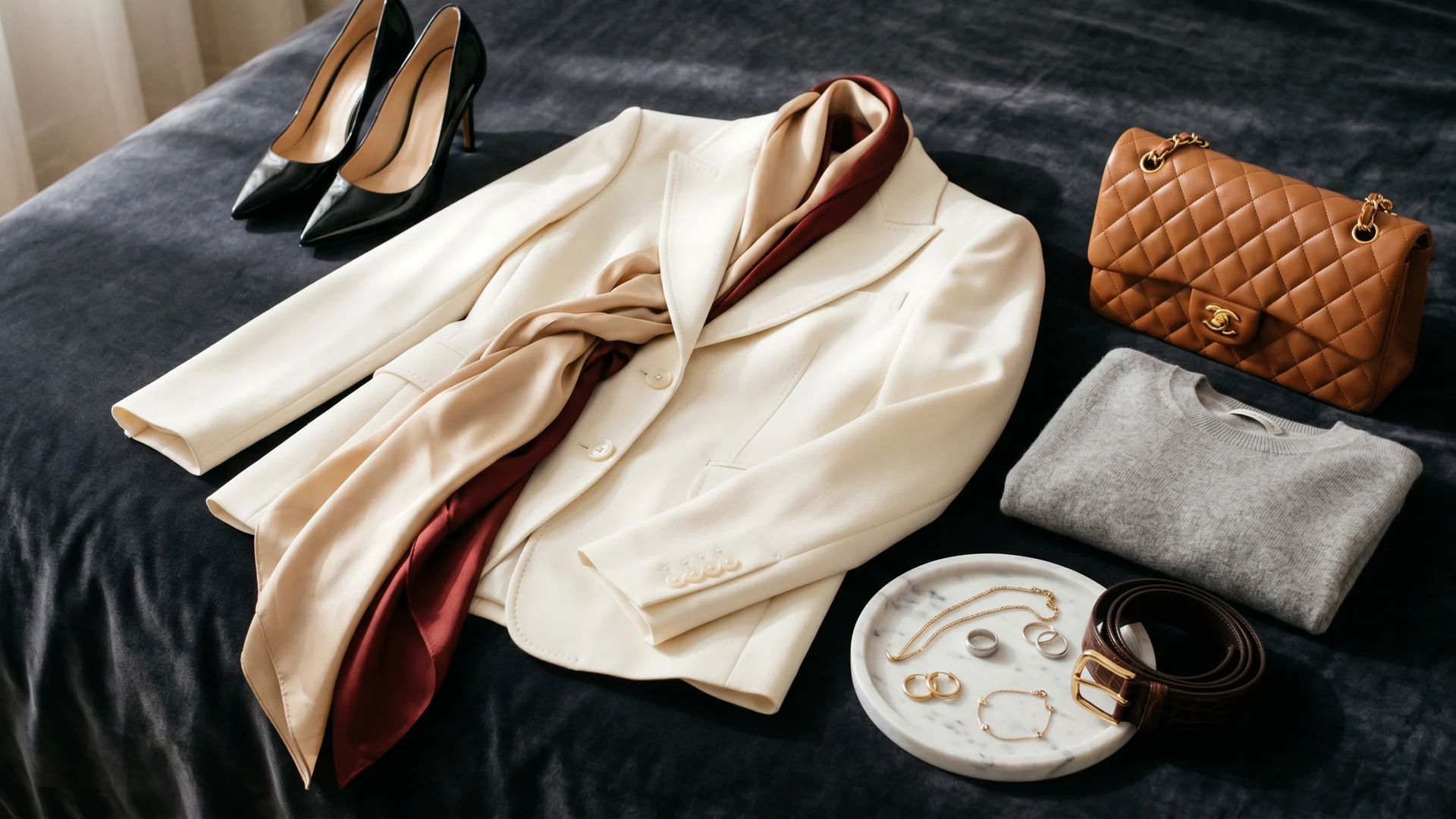
Magazine · 32 min
Luxury Fashion: The Complete Style Guide
The complete luxury fashion style guide: bespoke tailoring, haute couture, heritage maisons like Hermes and Chanel, 2026 trends, investment bags and s…