Magazine · Magazine
The Fascination with Vintage Photography Collectibles
Vintage photography has become increasingly popular in recent years, as people are drawn to the nostalgia and history that these old images evoke. From black and white portraits to…
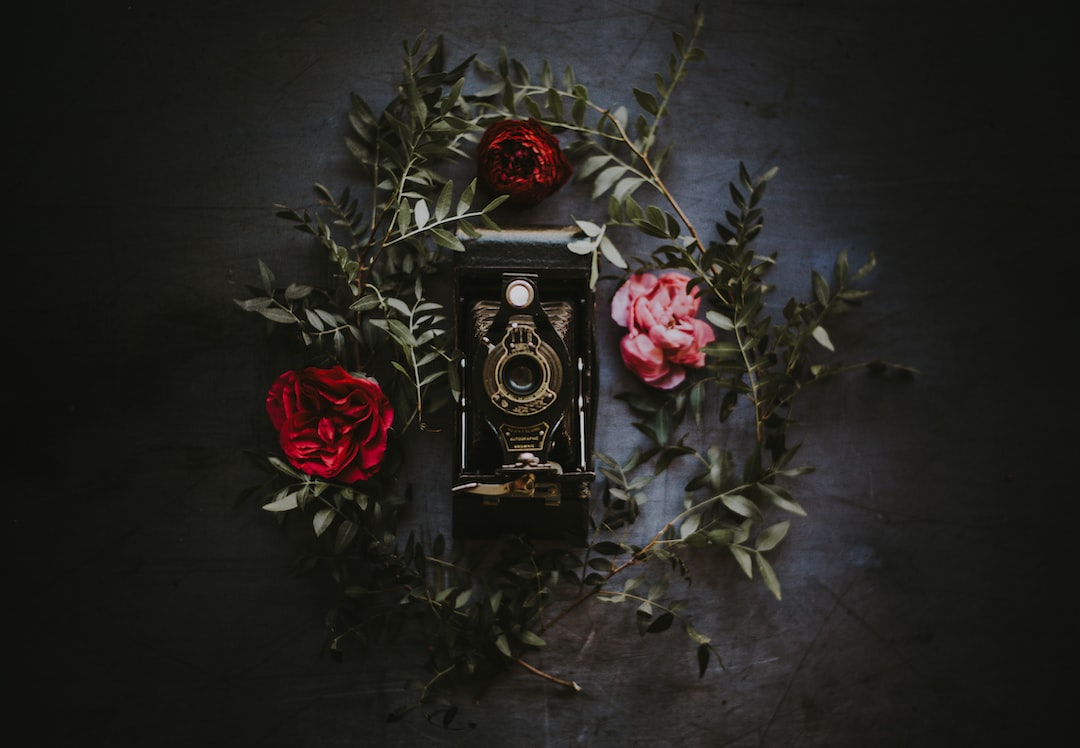
Vintage photography has become increasingly popular in recent years, as people are drawn to the nostalgia and history that these old images evoke. From black and white portraits to faded landscapes, vintage photographs capture a moment in time and transport us to a different era. This blog post will explore the allure of nostalgia and the history, value, art, ethics, preservation, psychology, and future of vintage photography collecting.
The Allure of Nostalgia: Why We Love Vintage Photography
Nostalgia is a powerful emotion that can transport us back to a time when things seemed simpler and more innocent. It is a longing for the past, a yearning for a time that we may not have even experienced ourselves. Vintage photography taps into this nostalgia by providing a visual representation of the past. These old photographs allow us to glimpse into the lives of those who came before us, and they evoke a sense of longing for a time that we may never have known.
Vintage photography has had a significant impact on popular culture, with many iconic images becoming ingrained in our collective memory. Think of the famous photograph of Marilyn Monroe standing over a subway grate, her white dress billowing up around her. This image has become synonymous with Monroe’s beauty and sensuality, and it continues to captivate audiences today. Vintage photographs like this one have become cultural touchstones, representing an era or an ideal that we still find compelling.
The History of Vintage Photography Collectibles
The history of vintage photography collectibles is closely tied to the evolution of photography technology itself. In the early days of photography, images were captured on glass plates or metal sheets, making them incredibly fragile and difficult to reproduce. As technology advanced, photographs became more accessible and affordable, leading to an increase in their popularity as collectibles.
The rise of vintage photography as a collectible can be traced back to the late 19th century when photography became more widespread and affordable. At this time, people began to recognize the value of preserving and collecting these images as a way to document history and capture moments in time. Key figures in the early days of vintage photography collecting include Alfred Stieglitz, who founded the Photo-Secession movement, and Edward Steichen, who curated the groundbreaking “Family of Man” exhibition.
The Value of Vintage Photography: A Look at the Market
The value of vintage photography is determined by a variety of factors, including the rarity of the image, the condition of the print, the reputation of the photographer, and the historical significance of the subject matter. Some vintage photographs have sold for millions of dollars at auction, while others can be found for a few dollars at a flea market.
One example of a high-value vintage photograph is “Moonrise, Hernandez, New Mexico” by Ansel Adams. This iconic image, taken in 1941, captures a small town beneath a dramatic sky. In 2006, a print of this photograph sold for over $600,000 at auction. Another example is “Billy the Kid” by unknown photographer, which sold for $2.3 million in 2011. These high-value sales demonstrate the enduring appeal and value of vintage photography.
The current state of the vintage photography market is strong, with collectors and enthusiasts continuing to seek out rare and unique images. Online platforms and auction houses have made it easier than ever to buy and sell vintage photographs, allowing collectors to connect with sellers from around the world. However, as with any market, there are fluctuations in value and trends that can impact prices.
The Art of Collecting: Tips for Building a Vintage Photography Collection
For those interested in starting a vintage photography collection, there are several tips to keep in mind. First and foremost, it’s important to do your research and educate yourself about different photographers, styles, and periods of photography. This will help you make informed decisions when purchasing photographs and ensure that you are building a collection that reflects your interests and tastes.
Finding and acquiring vintage photography can be a challenge, but there are several strategies that can help. Visiting antique shops, flea markets, and estate sales can yield hidden treasures, as can online platforms and auction houses. Building relationships with dealers and other collectors can also be beneficial, as they may have access to rare or unique pieces.
Once you have started building your collection, it’s important to take steps to preserve and display your photographs. Vintage photographs are often delicate and susceptible to damage from light, moisture, and handling. Investing in archival materials, such as acid-free sleeves and storage boxes, can help protect your collection for years to come. When displaying your photographs, consider using UV-protective glass or frames to minimize exposure to light.
The Role of Technology in Vintage Photography Collecting
Technology has had a significant impact on vintage photography collecting, both in terms of how we acquire and view these images. The rise of digital photography has made it easier than ever to find and purchase vintage photographs online. Online platforms such as eBay and Etsy have become popular marketplaces for collectors, allowing them to connect with sellers from around the world.
Digital collections have also become more prevalent, with many collectors opting to digitize their vintage photographs for easier viewing and sharing. Digital collections offer the advantage of being easily searchable and accessible from anywhere with an internet connection. However, some collectors argue that the physicality of a print adds value and authenticity to a vintage photograph.
There are also technology-based platforms that cater specifically to vintage photography collectors. For example, the app “Collectors Weekly” allows users to browse and buy vintage photographs from a curated selection of sellers. These platforms provide a convenient way for collectors to discover new images and connect with other enthusiasts.
The Ethics of Collecting Vintage Photography: Cultural Appropriation and Ownership
The ethics of collecting vintage photography are complex and multifaceted. One issue that has gained attention in recent years is cultural appropriation, particularly when it comes to photographs of indigenous peoples or marginalized communities. It is important for collectors to approach these images with sensitivity and respect, recognizing the potential harm that can come from exploiting or misrepresenting these subjects.
Ownership and copyright issues are also relevant in vintage photography collecting. It can be challenging to determine the original creator of a photograph, especially if it is an anonymous or unattributed image. Collectors should be mindful of copyright laws and seek permission from the copyright holder if they plan to reproduce or display a photograph publicly.
To practice ethical collecting, it is important to research the history and context of the photographs you are acquiring. This includes understanding the cultural significance of the subject matter and respecting the wishes of the communities depicted. It is also important to support organizations and initiatives that work to preserve and promote diverse voices in photography.
The Importance of Preservation: Caring for Vintage Photography
Preservation is a crucial aspect of vintage photography collecting, as these images are often fragile and susceptible to damage. Vintage photographs can deteriorate over time due to factors such as exposure to light, fluctuations in temperature and humidity, and improper handling.
To care for vintage photographs, it is important to store them in a cool, dry environment away from direct sunlight. Acid-free sleeves and storage boxes can help protect prints from deterioration caused by contact with acidic materials. When handling photographs, it is best to wear clean cotton gloves to prevent oils from your hands transferring onto the print.
It is also important to be mindful of how vintage photographs are displayed. UV-protective glass or frames can help minimize exposure to light, which can cause fading and discoloration over time. Avoid hanging photographs in areas prone to high humidity or temperature fluctuations, such as bathrooms or near radiators.
Preserving vintage photography is not only important for the longevity of individual prints but also for the preservation of our collective history. These images provide valuable insights into the past and can help future generations understand and appreciate the world that came before them.
The Influence of Vintage Photography on Contemporary Art
Vintage photography has had a significant influence on contemporary art, with many artists incorporating old images into their work. By recontextualizing and repurposing vintage photographs, these artists create new narratives and challenge our understanding of history and memory.
One example of an artist who incorporates vintage photography in their work is Vik Muniz. Muniz is known for his recreations of iconic photographs using unconventional materials such as chocolate syrup, sugar, and garbage. By recreating these images, Muniz invites viewers to question the authenticity and meaning of the original photograph.
Vintage photography can also inspire new artistic movements. For example, the “New Topographics” movement of the 1970s was influenced by the aesthetics of vintage landscape photography. Artists such as Robert Adams and Lewis Baltz sought to capture the changing American landscape in a way that echoed the starkness and simplicity of early landscape photography.
By incorporating vintage photography into their work, contemporary artists pay homage to the past while also pushing the boundaries of what is possible in the medium. These artists challenge our preconceived notions of what a photograph can be and invite us to see old images in a new light.
The Psychology of Vintage Photography: Why We are Drawn to Old Images
There are several psychological reasons why we are drawn to vintage photography. One reason is that these old images provide a sense of connection to the past. They allow us to imagine what life was like during a different time and place, and they evoke a sense of nostalgia for a simpler or more romanticized era.
Vintage photographs also tap into our desire for authenticity and realness. In a world saturated with digital images and filters, there is something refreshing and genuine about a physical print. Vintage photographs capture a moment in time, frozen forever on paper, and they remind us of the impermanence of life.
Additionally, vintage photography can evoke a range of emotions, from joy and nostalgia to sadness and longing. These images have the power to transport us to a different time and place, and they can evoke memories and emotions that we may not even be aware of. Vintage photographs have a way of touching our hearts and stirring our souls in a way that few other mediums can.
The Future of Vintage Photography Collecting: Trends and Predictions
The future of vintage photography collecting is likely to be shaped by technology and cultural shifts. As technology continues to advance, it is likely that more collectors will turn to digital platforms for acquiring and viewing vintage photographs. This shift towards digital collections may also lead to an increase in the accessibility and affordability of vintage photography.
Cultural shifts may also impact the future of vintage photography collecting. As society becomes more aware of issues such as cultural appropriation and representation, collectors may become more mindful of the images they acquire and display. There may be a greater emphasis on collecting photographs that represent diverse voices and perspectives.
Another trend that may emerge in the future is the integration of virtual reality (VR) technology into vintage photography collecting. VR has the potential to revolutionize the way we experience and interact with photographs, allowing us to step into the past and explore historical moments in a more immersive way.
Vintage photography has an undeniable allure that continues to captivate collectors and enthusiasts around the world. The nostalgia, history, value, art, ethics, preservation, psychology, and future of vintage photography collecting all contribute to its enduring appeal. Whether you are a seasoned collector or just starting out, there is something magical about holding a piece of history in your hands and connecting with the past through the power of a photograph.
More in
More from Magazine
Magazine · 28 min
Luxury Wedding Planning: The Ultimate Guide
Luxury wedding planning guide: top destination venues, couture bridal designers, Michelin catering, headline entertainment and elite planners for a fl…

Magazine · 29 min
Luxury Wine & Spirits Collecting: The Complete Guide
Luxury wine and spirits collecting guide: how to evaluate investment-grade Bordeaux, Burgundy, Champagne and rare whisky, plus auctions, storage and r…
Magazine · 32 min
Luxury Fashion: The Complete Style Guide
The complete luxury fashion style guide: bespoke tailoring, haute couture, heritage maisons like Hermes and Chanel, 2026 trends, investment bags and s…