Magazine · Magazine
The Fashion Capital: Inside Milan’s Luxury Fashion Scene
Milan, the fashion capital of Italy, has long been renowned for its luxury fashion scene. The city is synonymous with style, elegance, and sophistication, making it a global hub fo…
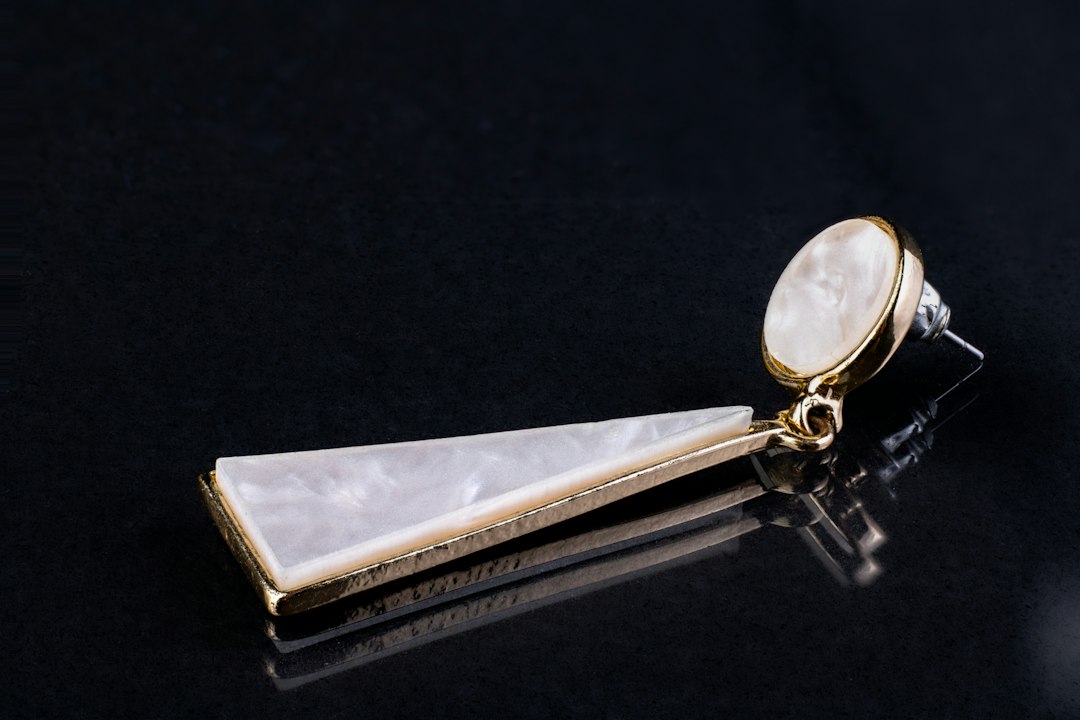
Milan, the fashion capital of Italy, has long been renowned for its luxury fashion scene. The city is synonymous with style, elegance, and sophistication, making it a global hub for fashion enthusiasts and industry professionals alike. Milan’s reputation as a fashion powerhouse can be attributed to its rich history, influential designers, and the presence of top luxury fashion brands. In this article, we will explore the allure of Milan’s fashion industry and delve into its various aspects that have contributed to its prominence in the global fashion landscape.
A brief history of Milan’s fashion scene
Milan’s rise as a fashion hub can be traced back to the 1970s when Italian designers began to gain international recognition for their innovative designs and impeccable craftsmanship. Designers like Giorgio Armani, Gianni Versace, and Valentino Garavani put Milan on the map as a center for luxury fashion. Their creations showcased the perfect blend of Italian elegance and modernity, captivating fashion enthusiasts around the world.
Italian fashion designers have always been known for their attention to detail and their ability to create timeless pieces that exude luxury. Milan became a breeding ground for creativity and innovation, attracting talented designers from all over Italy and beyond. The city’s fashion scene flourished, with new designers emerging and pushing boundaries in terms of design and aesthetics.
The top luxury fashion brands based in Milan
Milan is home to some of the most prominent luxury fashion brands in the world. Brands like Gucci, Prada, Dolce & Gabbana, and Versace have their headquarters in Milan and have become synonymous with Italian luxury and style. These brands have had a significant impact on the fashion industry, setting trends and influencing the way people dress.
Gucci, founded in Florence in 1921 but now based in Milan, is known for its iconic logo and bold designs. The brand has reinvented itself under the creative direction of Alessandro Michele, who has brought a fresh and eclectic aesthetic to the brand. Prada, another Milan-based brand, is renowned for its minimalist and avant-garde designs. Miuccia Prada, the creative force behind the brand, has consistently pushed boundaries and challenged conventional notions of fashion.
Dolce & Gabbana, founded by Domenico Dolce and Stefano Gabbana in 1985, is known for its opulent and glamorous designs. The brand celebrates Italian heritage and culture, often incorporating elements of Sicilian folklore into its collections. Versace, founded by Gianni Versace in 1978, is synonymous with bold prints, vibrant colors, and a rock ‘n’ roll aesthetic. Donatella Versace has continued her brother’s legacy, infusing the brand with her own unique vision.
Milan’s fashion district: The hub of Italian fashion
Milan’s fashion district, also known as the Quadrilatero della Moda, is the beating heart of Italian fashion. Located in the city center, this area is home to some of the most prestigious fashion boutiques, showrooms, and ateliers. The district is comprised of four main streets: Via Montenapoleone, Via della Spiga, Via Sant’Andrea, and Via Manzoni.
Via Montenapoleone is considered the most prestigious street in the district and is lined with flagship stores of luxury brands like Gucci, Prada, and Valentino. Via della Spiga is known for its elegant boutiques and high-end shopping experience. Via Sant’Andrea is home to international luxury brands like Chanel and Hermès. Via Manzoni houses showrooms and ateliers of emerging designers as well as prestigious art galleries.
The fashion district plays a crucial role in Milan’s fashion industry as it attracts fashion enthusiasts, buyers, and industry professionals from around the world. It is a place where creativity and commerce intersect, where trends are set, and where the future of fashion is shaped.
The role of Milan Fashion Week in shaping the industry
Milan Fashion Week is one of the most important events in the fashion calendar. It takes place twice a year, showcasing the latest collections of top luxury fashion brands as well as emerging designers. Milan Fashion Week attracts international press, buyers, and celebrities, making it a platform for designers to gain global recognition.
The event not only showcases the creativity and craftsmanship of Milan’s fashion industry but also sets trends for the upcoming seasons. Designers present their collections on the runway, showcasing their vision and aesthetic. The shows are often elaborate and theatrical, creating a spectacle that captivates the audience.
Milan Fashion Week has a significant impact on the fashion industry as it influences the way people dress and shapes the direction of fashion trends. It provides a platform for designers to showcase their talent and gain exposure, helping them establish themselves in the competitive world of fashion.
The influence of Italian craftsmanship on Milan’s fashion industry
Italian craftsmanship has always been synonymous with quality and excellence. Milan’s luxury fashion scene is deeply rooted in this tradition of craftsmanship, with designers and brands placing great emphasis on the artistry and attention to detail that goes into creating their collections.
Italian artisans are known for their expertise in tailoring, leatherwork, and textile production. They bring a level of precision and skill to their craft that is unparalleled. Milan’s luxury fashion brands often collaborate with these artisans to create unique pieces that showcase their mastery.
Craftsmanship is not only valued for its aesthetic appeal but also for its sustainability. By investing in quality materials and skilled labor, Milan’s luxury fashion brands create pieces that are made to last. This approach aligns with the growing importance of sustainability in the fashion industry, as consumers are becoming more conscious of the environmental impact of fast fashion.
The impact of sustainability on Milan’s luxury fashion scene
Sustainability has become a key focus in the fashion industry, and Milan’s luxury fashion brands are responding to this trend. Many brands are incorporating sustainable practices into their production processes, using eco-friendly materials and adopting ethical labor practices.
Brands like Gucci and Prada have made significant commitments to sustainability. Gucci has launched its “Gucci Equilibrium” initiative, which aims to reduce the brand’s environmental impact and promote social responsibility. Prada has also made strides in sustainability, using recycled nylon in its iconic bags and investing in renewable energy sources.
Milan’s luxury fashion brands are not only embracing sustainability in their production processes but also in their designs. They are creating collections that are timeless and versatile, encouraging consumers to invest in pieces that can be worn for years to come. This shift towards sustainability is not only a response to consumer demand but also a reflection of the brands’ commitment to responsible fashion.
The emergence of new designers in Milan’s fashion industry
While Milan is known for its established luxury fashion brands, the city is also a breeding ground for emerging designers who are making a name for themselves in the industry. These designers bring fresh perspectives and innovative ideas to Milan’s fashion scene, pushing boundaries and challenging conventions.
Designers like Marco de Vincenzo, Arthur Arbesser, and Stella Jean have gained recognition for their unique aesthetic and creative vision. They often draw inspiration from their Italian heritage, incorporating traditional craftsmanship and cultural references into their designs.
The emergence of new designers in Milan’s fashion industry adds diversity and dynamism to the city’s fashion scene. They bring a fresh perspective and inject new energy into an industry that is constantly evolving.
The role of technology in Milan’s fashion industry
Technology has had a profound impact on the fashion industry, and Milan’s luxury fashion scene is no exception. From the use of 3D printing in the design process to the integration of e-commerce platforms, technology is changing the way fashion is created, marketed, and consumed.
Milan’s luxury fashion brands are embracing technology to enhance their design processes and improve efficiency. They are using digital tools to create virtual prototypes, allowing them to experiment with different designs and materials before producing physical samples. This not only saves time and resources but also allows for greater creativity and innovation.
Technology is also revolutionizing the way fashion is marketed and sold. Milan’s luxury fashion brands are leveraging social media platforms and e-commerce websites to reach a global audience. They are using virtual reality and augmented reality technologies to create immersive shopping experiences, allowing customers to try on clothes virtually and make informed purchasing decisions.
The future of Milan’s luxury fashion scene
The future of Milan’s luxury fashion industry looks promising. The city’s reputation as a fashion capital is firmly established, and its influence on the global fashion landscape continues to grow. Milan’s luxury fashion brands are adapting to the changing demands of consumers, embracing sustainability and technology to stay relevant in a rapidly evolving industry.
As new designers emerge and push boundaries, Milan’s fashion scene will continue to evolve and innovate. The city’s commitment to craftsmanship and attention to detail will remain at the core of its luxury fashion industry, ensuring that Milan remains a global hub for style, elegance, and sophistication. With its rich history, influential designers, and top luxury fashion brands, Milan will continue to shape the future of fashion for years to come.
More in
More from Magazine
Magazine · 28 min
Luxury Wedding Planning: The Ultimate Guide
Luxury wedding planning guide: top destination venues, couture bridal designers, Michelin catering, headline entertainment and elite planners for a fl…
Magazine · 29 min
Luxury Wine & Spirits Collecting: The Complete Guide
Luxury wine and spirits collecting guide: how to evaluate investment-grade Bordeaux, Burgundy, Champagne and rare whisky, plus auctions, storage and r…
Magazine · 32 min
Luxury Fashion: The Complete Style Guide
The complete luxury fashion style guide: bespoke tailoring, haute couture, heritage maisons like Hermes and Chanel, 2026 trends, investment bags and s…