Magazine · Magazine
The Future of Time: Emerging Trends in Luxury Watches
Timekeeping has been an essential part of human civilization for centuries. From the ancient sundials to the mechanical clocks of the Middle Ages, the measurement of time has playe…
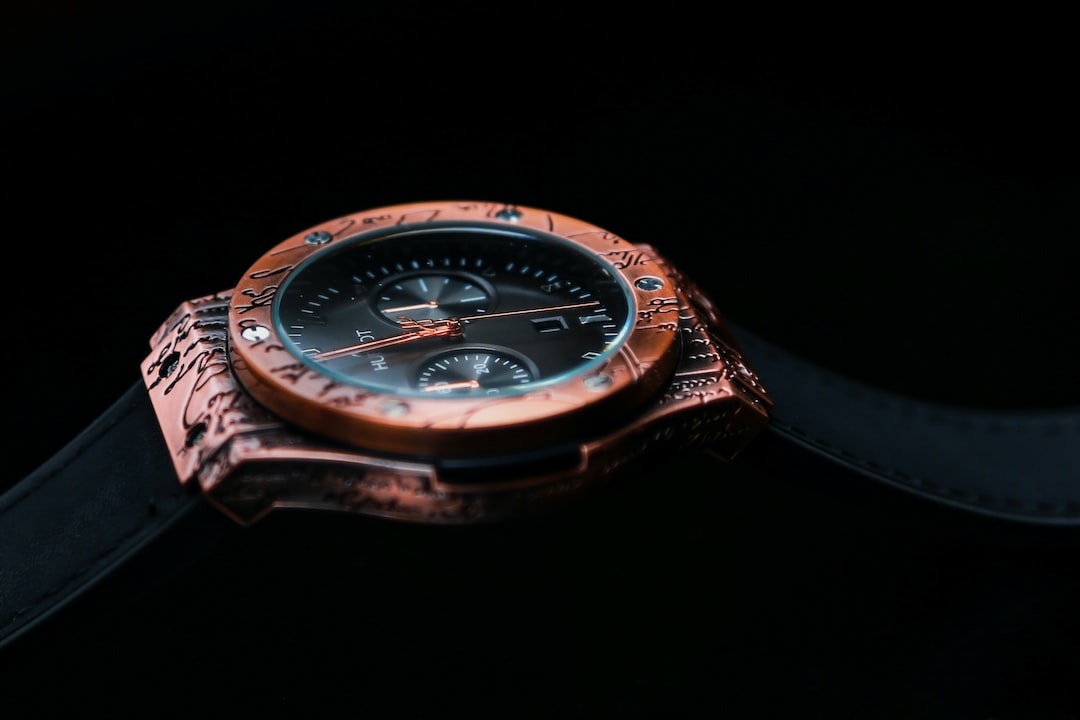
Timekeeping has been an essential part of human civilization for centuries. From the ancient sundials to the mechanical clocks of the Middle Ages, the measurement of time has played a crucial role in our daily lives. However, it was not until the invention of the wristwatch that timekeeping truly became a personal and portable accessory.
The first wristwatches were created in the late 19th century as a practical solution for soldiers who needed to synchronize their movements during battle. These early timepieces were simple and functional, but they laid the foundation for the modern luxury watches we know today.
In modern society, watches have become more than just a tool for telling time. They have evolved into a status symbol and a fashion statement. Luxury watches are now coveted by collectors and enthusiasts around the world, with some models fetching astronomical prices at auctions.
Smart Watches: The Future of Luxury Timepieces
In recent years, there has been a significant shift in the luxury watch market with the rise of smartwatches. These high-tech timepieces combine traditional craftsmanship with cutting-edge technology, offering a new level of functionality and convenience.
Luxury brands such as Apple, TAG Heuer, and Montblanc have embraced this trend and introduced their own versions of luxury smartwatches. These devices not only tell time but also offer features such as fitness tracking, notifications, and even mobile payment capabilities.
The benefits of luxury smartwatches are numerous. They provide users with instant access to information and allow them to stay connected without having to constantly check their smartphones. Additionally, these devices often come with interchangeable straps and customizable watch faces, allowing users to personalize their timepiece to suit their style.
Sustainable Materials: The Next Big Thing in Luxury Watches
As sustainability becomes an increasingly important issue in our society, luxury watchmakers are also embracing eco-friendly practices. Many brands are now using sustainable materials in the production of their timepieces, reducing their environmental impact and appealing to consumers who prioritize ethical and responsible consumption.
One example of a sustainable material used in luxury watches is recycled or upcycled metals. Brands such as Breitling and Panerai have started using recycled stainless steel and titanium in their watch cases, reducing the need for new mining and minimizing waste.
Another sustainable material gaining popularity in luxury watchmaking is wood. Brands like Jord and WeWood are known for their wooden watches, which are not only stylish but also environmentally friendly. These watches are made from sustainably sourced wood and often come with a minimal carbon footprint.
Customization: Personalizing Luxury Watches for the Modern Consumer
In today’s consumer-driven society, personalization has become a key trend in the luxury watch industry. Many brands now offer customization options, allowing customers to create a timepiece that is uniquely their own.
Luxury watchmakers like Rolex and Patek Philippe offer a range of customization options, including different dial colors, case materials, and strap choices. Some brands even allow customers to engrave their initials or a special message on the watch case or back.
The ability to personalize a luxury watch not only adds a personal touch but also creates a sense of exclusivity. Customers feel a deeper connection to their timepiece when they have been involved in the design process, making it even more special and meaningful.
Vintage Styles: The Timeless Appeal of Classic Watches
While technology continues to advance at a rapid pace, there is still a strong demand for classic and vintage-inspired luxury watches. These timepieces evoke a sense of nostalgia and timeless elegance that appeals to collectors and fashion enthusiasts alike.
Vintage watches from iconic brands such as Rolex, Omega, and Cartier are highly sought after by collectors due to their historical significance and craftsmanship. These watches often feature classic designs such as round cases, leather straps, and simple dials, which have stood the test of time.
In recent years, luxury watch brands have also started releasing new models with vintage-inspired designs. These watches combine the best of both worlds, offering modern technology and reliability with a touch of old-world charm.
Wearable Technology: The Intersection of Fashion and Functionality
The integration of technology into luxury watches has opened up a whole new world of possibilities. From fitness tracking to GPS navigation, wearable technology has transformed the way we interact with our timepieces.
Luxury brands such as Garmin and Suunto are known for their high-performance sports watches, which offer features such as heart rate monitoring, GPS tracking, and even oxygen level measurement. These watches are not only functional but also stylish, making them a popular choice among athletes and outdoor enthusiasts.
In addition to sports watches, luxury brands like Louis Vuitton and Hermès have also introduced smartwatches that combine fashion and functionality. These devices offer features such as notifications, music control, and even contactless payment capabilities, all wrapped in a luxurious package.
Innovative Designs: Pushing the Boundaries of Luxury Watchmaking
Innovation has always been at the heart of luxury watchmaking. From the invention of the tourbillon to the development of the chronograph, watchmakers have constantly pushed the boundaries of what is possible in terms of design and functionality.
Today, luxury watch brands continue to innovate by introducing new materials, complications, and design elements. For example, Hublot is known for its use of unconventional materials such as carbon fiber, ceramic, and even sapphire crystal in its watch cases.
Another example of innovation in luxury watchmaking is the development of new complications. Brands like Jaeger-LeCoultre and A. Lange & Söhne are known for their intricate movements that feature complications such as perpetual calendars, moon phases, and even minute repeaters.
Limited Editions: The Rise of Exclusivity in Luxury Watches
In recent years, there has been a growing trend of limited edition luxury watches. These timepieces are produced in limited quantities, often with unique design elements or special features, making them highly sought after by collectors and enthusiasts.
Limited edition watches offer a sense of exclusivity and rarity that cannot be found in regular production models. They often feature special engravings, unique dial colors, or even precious gemstones, making them truly one-of-a-kind.
Luxury watch brands such as Rolex, Audemars Piguet, and Richard Mille are known for their limited edition releases, which often sell out within minutes of being announced. These watches not only hold their value but also become coveted collector’s items that can appreciate in price over time.
Collaborations: The Future of Luxury Watchmaking Partnerships
Collaborations have become increasingly popular in the luxury watch industry as brands seek to tap into new markets and reach a wider audience. By partnering with other luxury brands or influential individuals, watchmakers can create unique and highly desirable timepieces that appeal to a specific target market.
One example of a successful collaboration in the luxury watch industry is the partnership between Hublot and Ferrari. The two brands have worked together to create a range of limited edition watches that feature design elements inspired by Ferrari’s iconic cars.
Another example is the collaboration between TAG Heuer and Formula 1 racing team Red Bull Racing. The two brands have joined forces to create special edition watches that incorporate elements of motorsport design and technology.
Collaborations not only allow luxury watch brands to expand their reach but also provide an opportunity for creative expression and innovation. By combining the expertise and resources of different brands, watchmakers can create truly unique and groundbreaking timepieces.
The Role of Tradition: Balancing Timeless Craftsmanship with Modern Innovation
While innovation and modernity are important in luxury watchmaking, tradition and craftsmanship remain at the core of the industry. The art of watchmaking has been passed down through generations, with many brands still using traditional techniques and handcrafted movements.
Luxury watch brands such as Vacheron Constantin and A. Lange & Söhne are known for their commitment to traditional craftsmanship. These brands employ master watchmakers who spend years perfecting their skills and creating timepieces that are works of art.
However, tradition does not mean stagnation. Luxury watch brands are constantly finding ways to balance timeless craftsmanship with modern innovation. For example, brands like Breguet and Blancpain have introduced new materials and complications while still maintaining the highest standards of traditional watchmaking.
Conclusion: The Future of Luxury Watchmaking
The luxury watch industry is constantly evolving, driven by changing consumer preferences and technological advancements. From smartwatches to sustainable materials, customization to vintage styles, the future of luxury watchmaking is filled with exciting possibilities.
As technology continues to advance, we can expect to see even more integration of wearable technology in luxury watches. Features such as biometric sensors, augmented reality displays, and even artificial intelligence could become commonplace in the coming years.
At the same time, luxury watch brands will continue to push the boundaries of design and craftsmanship, creating innovative timepieces that captivate collectors and enthusiasts alike. Whether it’s through limited editions, collaborations, or the use of sustainable materials, luxury watchmakers will strive to create unique and meaningful experiences for their customers.
In conclusion, the future of luxury watchmaking is a blend of tradition and innovation, where timeless craftsmanship meets modern technology. As consumers become more conscious of sustainability and seek personalized experiences, luxury watch brands will need to adapt and embrace these trends to stay relevant in a rapidly changing market.
More in
More from Magazine
Magazine · 28 min
Luxury Wedding Planning: The Ultimate Guide
Luxury wedding planning guide: top destination venues, couture bridal designers, Michelin catering, headline entertainment and elite planners for a fl…

Magazine · 29 min
Luxury Wine & Spirits Collecting: The Complete Guide
Luxury wine and spirits collecting guide: how to evaluate investment-grade Bordeaux, Burgundy, Champagne and rare whisky, plus auctions, storage and r…
Magazine · 32 min
Luxury Fashion: The Complete Style Guide
The complete luxury fashion style guide: bespoke tailoring, haute couture, heritage maisons like Hermes and Chanel, 2026 trends, investment bags and s…