Magazine · Magazine
The Future of Underwater Luxury Resorts
Underwater luxury resorts have become a popular and sought-after travel experience in recent years. These unique accommodations offer guests the opportunity to stay in luxurious su…
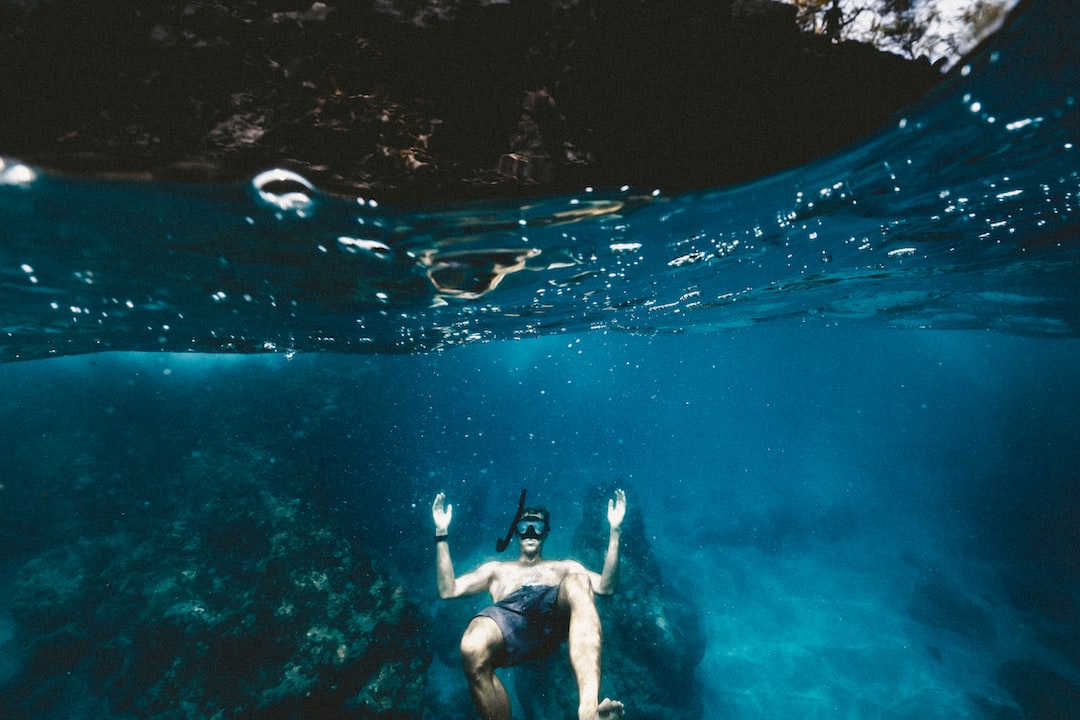
Underwater luxury resorts have become a popular and sought-after travel experience in recent years. These unique accommodations offer guests the opportunity to stay in luxurious suites submerged beneath the ocean’s surface, providing breathtaking views of marine life and the underwater world. The concept of underwater resorts is not new, with the first underwater hotel, Jules’ Undersea Lodge, opening in Florida in 1986. However, advancements in technology and engineering have allowed for the development of more sophisticated and awe-inspiring underwater resorts.
The growing popularity of underwater resorts can be attributed to several factors. Firstly, travelers are increasingly seeking unique and immersive experiences that go beyond traditional hotel stays. Underwater resorts offer a one-of-a-kind experience that allows guests to feel completely immersed in the beauty and tranquility of the ocean. Additionally, the rise of social media has played a significant role in driving the popularity of underwater resorts. Guests are eager to capture and share their experiences on platforms like Instagram, creating a sense of envy among their followers and fueling the desire to visit these extraordinary destinations.
The Technology Driving the Future of Underwater Resorts
The development of underwater resorts requires advanced engineering and construction techniques to ensure the safety and stability of the structures. Building underwater presents unique challenges, such as withstanding water pressure, maintaining structural integrity, and providing adequate ventilation and lighting. Engineers and architects have developed innovative solutions to overcome these challenges, including using reinforced concrete structures, advanced waterproofing techniques, and state-of-the-art materials.
In addition to engineering advancements, underwater resorts rely on innovative technology to create a comfortable and immersive experience for guests. This includes advanced filtration systems to maintain water quality, specialized lighting systems to mimic natural sunlight, and soundproofing technology to minimize noise from outside sources. Some resorts even incorporate virtual reality technology to enhance the guest experience by providing virtual tours of coral reefs or allowing guests to interact with marine life.
Sustainable energy sources are also a key focus in the development of underwater resorts. Many resorts utilize renewable energy technologies, such as solar panels and wind turbines, to power their operations. Additionally, some resorts have implemented innovative water treatment systems that recycle and purify wastewater, reducing their impact on the surrounding marine environment.
The Environmental Impact of Underwater Resorts
While underwater resorts offer a unique and unforgettable experience for guests, there are concerns about their potential impact on marine life and ecosystems. The construction and operation of these resorts can disrupt natural habitats and contribute to pollution and waste. However, many developers are taking steps to minimize their environmental impact and promote responsible tourism.
Efforts to minimize environmental impact include using sustainable building materials, implementing strict waste management practices, and conducting regular environmental assessments. Some resorts have even partnered with local conservation organizations to support marine conservation efforts and promote sustainable practices. For example, some resorts have established coral nurseries to help restore damaged reefs or have implemented strict guidelines for diving and snorkeling activities to prevent damage to fragile ecosystems.
Responsible tourism is also crucial in minimizing the environmental impact of underwater resorts. Guests are encouraged to follow guidelines for interacting with marine life, such as not touching or feeding animals, and to participate in educational programs that promote awareness and conservation. By educating guests about the importance of protecting the marine environment, underwater resorts can play a significant role in promoting sustainable tourism practices.
The Design and Architecture of Underwater Resorts
Designing underwater structures presents unique challenges for architects and designers. The structures must be able to withstand the immense pressure of the water while providing a comfortable and visually stunning experience for guests. Aesthetics and functionality are equally important considerations in the design process.
Architects must carefully consider the placement of windows and viewing areas to maximize views of the underwater world while maintaining structural integrity. Specialized materials are used to ensure that windows are strong enough to withstand water pressure and provide clear views of the surrounding marine environment. Lighting is also a crucial aspect of the design, as it must mimic natural sunlight to create a realistic and immersive experience for guests.
There have been several stunning underwater resort designs that showcase the creativity and innovation of architects in this field. For example, the Conrad Maldives Rangali Island Resort features an underwater restaurant called Ithaa, which is situated 16 feet below sea level and offers panoramic views of the coral reef. Another notable example is The Muraka at Conrad Maldives Rangali Island, which is a two-story villa with an underwater bedroom that allows guests to sleep surrounded by marine life.
The Unique Experience of Staying in an Underwater Resort
One of the main attractions of staying in an underwater resort is the thrill of being submerged beneath the ocean’s surface. Guests can enjoy the unique experience of waking up to panoramic views of the underwater world and observing marine life in their natural habitat. The sense of awe and wonder that comes from being surrounded by the beauty and tranquility of the ocean is unparalleled.
Staying in an underwater resort also provides guests with the opportunity to observe marine life up close and personal. Many resorts offer activities such as snorkeling, diving, and underwater excursions, allowing guests to explore coral reefs and encounter a diverse array of marine species. This immersive experience can be educational and inspiring, fostering a deeper appreciation for the importance of marine conservation.
In addition to the thrill and excitement, staying in an underwater resort offers a sense of peace and tranquility. The underwater environment is known for its calming effect on the mind and body, with the sound of water and the gentle movements of marine life creating a serene atmosphere. Guests can relax and unwind in luxurious accommodations while being surrounded by the soothing sights and sounds of the ocean.
The Future of Underwater Resort Amenities
As underwater resorts continue to evolve, so do the amenities and experiences they offer to guests. The future of underwater resort amenities holds the potential for new and exciting experiences that cater to diverse interests and preferences.
One area of potential growth is in underwater dining experiences. While underwater restaurants are already a popular feature in some resorts, there is room for innovation and expansion in this area. Imagine enjoying a gourmet meal while surrounded by a vibrant coral reef or having a private dinner in an underwater dome with panoramic views of the ocean.
Another area of potential growth is in underwater spa and wellness facilities. Many resorts already offer spa treatments with ocean views, but the future could bring underwater relaxation areas or even underwater yoga and meditation classes. The peacefulness and tranquility of the underwater environment make it an ideal setting for wellness activities that promote relaxation and rejuvenation.
Furthermore, there is potential for the development of new and exciting underwater activities and experiences. Resorts could offer underwater photography workshops, where guests can learn how to capture stunning images of marine life. There could also be opportunities for underwater weddings or special events, creating unforgettable memories for guests.
The Cost of Building and Staying in an Underwater Resort
Building and maintaining an underwater resort is a costly endeavor due to the advanced engineering and construction techniques required, as well as the ongoing maintenance and operational costs. The high cost of construction is primarily due to the specialized materials and technologies needed to ensure the safety and stability of the structures.
The luxury price tag of staying in an underwater resort reflects the exclusivity and uniqueness of the experience. These resorts cater to high-end clientele who are willing to pay a premium for the opportunity to stay in such extraordinary accommodations. The cost of staying in an underwater resort typically includes not only the accommodation itself but also access to exclusive amenities, such as private diving excursions or personalized services.
However, as technology advances and more resorts enter the market, there is potential for more affordable options in the future. Just as traditional luxury hotels have become more accessible to a wider range of travelers, underwater resorts could follow a similar trajectory. This could open up the possibility for a broader range of travelers to experience the wonder and beauty of staying underwater.
The Potential for Expansion and Growth in the Underwater Resort Industry
The demand for unique travel experiences continues to grow, and underwater resorts are well-positioned to capitalize on this trend. As more travelers seek out extraordinary and immersive accommodations, there is potential for expansion and growth in the underwater resort industry.
One area of potential expansion is in new markets. While underwater resorts are currently concentrated in popular tourist destinations such as the Maldives and Dubai, there is potential for development in other coastal regions around the world. Countries with rich marine biodiversity and a strong tourism industry could benefit from the addition of underwater resorts, attracting a new segment of high-end travelers.
However, expanding the industry comes with its challenges. Building underwater structures requires significant investment and expertise, making it difficult for new players to enter the market. Additionally, there are environmental considerations that must be taken into account when developing new resorts. Ensuring that construction and operation practices are sustainable and minimize impact on marine ecosystems is crucial for the long-term viability of the industry.
The Competition Among Underwater Resort Developers
As the popularity of underwater resorts grows, so does the competition among developers. Several major players have emerged in the industry, each striving to create the most innovative and awe-inspiring underwater accommodations.
Innovation and differentiation are key factors in standing out in a crowded market. Developers are constantly pushing the boundaries of design and technology to create unique and unforgettable experiences for guests. This includes incorporating cutting-edge features such as underwater suites with 360-degree views, underwater spas, or even underwater nightclubs.
While competition is fierce, there is also potential for collaboration and partnerships among developers. By joining forces, developers can pool their resources and expertise to create even more extraordinary underwater resorts. Collaboration could also lead to the sharing of best practices and the development of industry standards that promote sustainability and responsible tourism.
The Future of Underwater Resorts in the Travel Industry
The rise of underwater resorts has the potential to make a significant impact on the travel industry. These unique accommodations offer a new and exciting option for travelers seeking extraordinary experiences. As more travelers prioritize sustainability and responsible tourism, underwater resorts can play a crucial role in promoting awareness and conservation efforts.
Underwater resorts have the potential to become a mainstream travel option, appealing to a broader range of travelers. As technology advances and costs decrease, these accommodations could become more accessible and affordable, allowing more people to experience the wonder and beauty of staying underwater.
In conclusion, underwater luxury resorts have emerged as a popular and sought-after travel experience. The technology driving the future of these resorts is advancing rapidly, with innovative engineering techniques and sustainable energy sources being utilized. While there are concerns about the environmental impact of underwater resorts, efforts are being made to minimize their footprint and promote responsible tourism. The design and architecture of these resorts are unique and challenging, with aesthetics and functionality being key considerations. Staying in an underwater resort offers a unique experience, allowing guests to observe marine life up close and enjoy the tranquility of being submerged. The future of underwater resort amenities holds the potential for new and exciting experiences, catering to diverse interests and preferences. While the cost of building and staying in an underwater resort is high, there is potential for more affordable options in the future. The industry has the potential for expansion and growth, with new markets and collaborations on the horizon. Underwater resorts have the potential to make a significant impact on the travel industry, promoting sustainable tourism practices and becoming a mainstream travel option.
More in
More from Magazine

Magazine · 28 min
Luxury Wedding Planning: The Ultimate Guide
Luxury wedding planning guide: top destination venues, couture bridal designers, Michelin catering, headline entertainment and elite planners for a fl…

Magazine · 29 min
Luxury Wine & Spirits Collecting: The Complete Guide
Luxury wine and spirits collecting guide: how to evaluate investment-grade Bordeaux, Burgundy, Champagne and rare whisky, plus auctions, storage and r…

Magazine · 32 min
Luxury Fashion: The Complete Style Guide
The complete luxury fashion style guide: bespoke tailoring, haute couture, heritage maisons like Hermes and Chanel, 2026 trends, investment bags and s…