Magazine · Magazine
The Innovative Aesthetics of Iris van Herpen in High Fashion
Iris van Herpen is a Dutch fashion designer known for her unique and innovative approach to fashion. She has gained international recognition for her avant-garde designs that push …
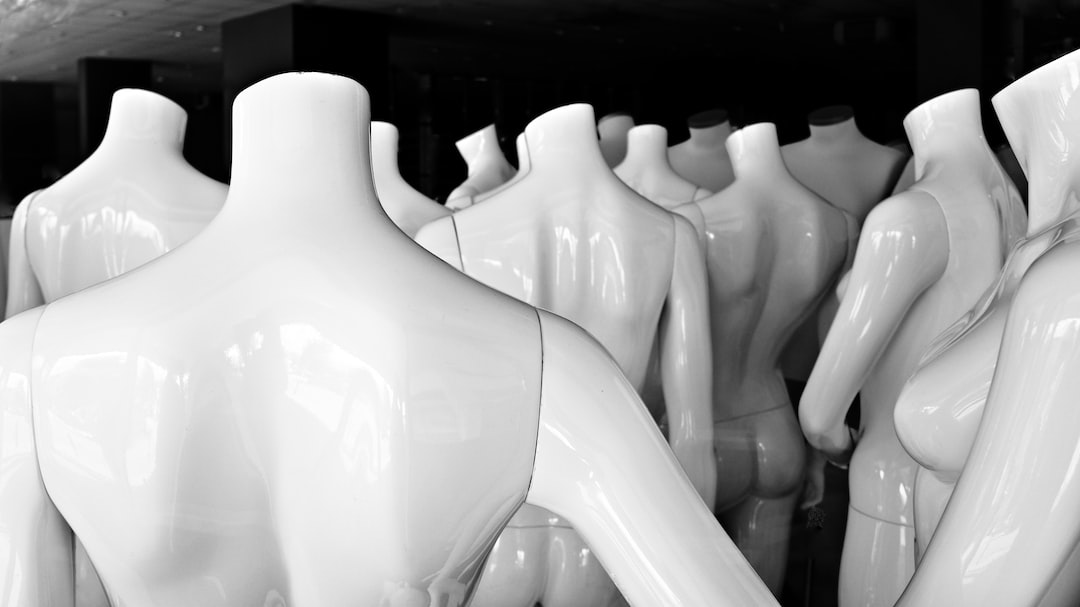
Iris van Herpen is a Dutch fashion designer known for her unique and innovative approach to fashion. She has gained international recognition for her avant-garde designs that push the boundaries of traditional fashion. Van Herpen’s designs are often described as futuristic and otherworldly, combining elements of technology, nature, and science. Her work has been featured in major fashion magazines and worn by celebrities such as Lady Gaga and Björk.
The Intersection of Fashion and Technology in Iris van Herpen’s Designs
One of the defining features of Iris van Herpen’s designs is her incorporation of technology into her fashion creations. She is known for her use of 3D printing, laser cutting, and other advanced techniques to create intricate and unconventional garments. Van Herpen sees technology as a tool for artistic expression, allowing her to bring her visions to life in ways that were previously impossible.
For example, in her Spring/Summer 2010 collection, titled “Crystallization,” van Herpen used 3D printing to create a dress made entirely of transparent polyamide. The dress featured intricate geometric patterns that seemed to defy gravity. This combination of technology and fashion created a truly unique and visually stunning piece.
The Role of 3D Printing in Iris van Herpen’s Creative Process
One of the key technologies that Iris van Herpen utilizes in her fashion designs is 3D printing. This process allows her to create complex and intricate structures that would be impossible to achieve through traditional methods. Van Herpen often collaborates with architects and engineers to develop new techniques and materials for 3D printing.
The use of 3D printing in fashion offers several benefits. It allows for greater precision and control over the design process, as well as the ability to create custom-fit garments. Additionally, 3D printing reduces waste and environmental impact, as it only uses the exact amount of material needed for each garment.
However, there are also challenges associated with using 3D printing in fashion. The technology is still relatively new and constantly evolving, which means that there are limitations in terms of materials and production speed. Additionally, 3D printing can be expensive and time-consuming, making it less accessible for smaller fashion brands.
The Influence of Nature and Science in Iris van Herpen’s Fashion Designs
Nature and science play a significant role in Iris van Herpen’s fashion designs. She draws inspiration from natural phenomena such as water, wind, and the movement of animals. Van Herpen also incorporates scientific concepts into her designs, exploring themes such as genetics, biology, and physics.
For example, in her Fall/Winter 2011 collection, titled “Capriole,” van Herpen was inspired by the movement of a horse’s body. She used laser-cutting techniques to create garments that mimicked the fluidity and grace of a horse in motion. The collection featured intricate patterns and textures that resembled the musculature of a horse.
By combining elements of nature and science in her designs, Iris van Herpen creates garments that are both visually striking and intellectually stimulating. Her work challenges traditional notions of fashion and encourages viewers to think about the relationship between the natural world and human creativity.
The Evolution of Iris van Herpen’s Aesthetics from Haute Couture to Ready-to-Wear
Over the years, Iris van Herpen’s fashion designs have evolved from haute couture to ready-to-wear collections. While her early work was primarily focused on creating one-of-a-kind pieces for the runway, she has since expanded her brand to include more accessible and commercially viable designs.
Van Herpen’s haute couture collections are known for their intricate craftsmanship and avant-garde aesthetics. These collections often feature experimental materials and techniques, pushing the boundaries of what is considered traditional fashion. Her ready-to-wear collections, on the other hand, are more wearable and accessible to a wider audience.
Despite the shift towards ready-to-wear, Iris van Herpen’s designs continue to be innovative and unconventional. She maintains her commitment to pushing the boundaries of fashion and exploring new possibilities in design. This evolution in her aesthetics reflects her desire to make her work more accessible while still maintaining her unique artistic vision.
The Collaboration between Iris van Herpen and Other Artists and Designers
Iris van Herpen has collaborated with a wide range of artists and designers throughout her career. These collaborations have played a significant role in shaping her fashion designs and pushing the boundaries of what is possible in fashion.
One notable collaboration was with architect Philip Beesley for her Spring/Summer 2015 collection, titled “Magnetic Motion.” Beesley created a kinetic sculpture that was integrated into the garments, creating a sense of movement and fluidity. This collaboration between fashion and architecture resulted in a collection that was both visually stunning and conceptually rich.
Another collaboration was with artist Jólan van der Wiel for her Fall/Winter 2013 collection, titled “Voltage.” Van der Wiel created a magnetic machine that allowed him to shape garments using magnets. This collaboration resulted in garments that seemed to defy gravity, with intricate patterns and textures that were created through the interaction of magnets and fabric.
These collaborations demonstrate Iris van Herpen’s willingness to push the boundaries of fashion by incorporating other artistic disciplines into her work. By working with artists and designers from different backgrounds, she is able to bring new perspectives and techniques to her fashion designs.
The Impact of Iris van Herpen’s Designs on the Fashion Industry and Beyond
Iris van Herpen’s fashion designs have had a significant impact on the fashion industry. Her innovative use of technology, unconventional materials, and avant-garde aesthetics have challenged traditional notions of fashion and inspired other designers to think outside the box.
Her work has also influenced other industries, such as art and technology. Van Herpen’s designs have been exhibited in museums and galleries around the world, blurring the line between fashion and art. Additionally, her use of technology in fashion has inspired other designers to explore new possibilities in their own work.
Furthermore, Iris van Herpen’s commitment to sustainability and ethical fashion has had a positive impact on the industry. She is known for using recycled materials and minimizing waste in her production process. Her focus on sustainability has encouraged other designers to consider the environmental impact of their work and find ways to create more sustainable fashion.
The Use of Unconventional Materials in Iris van Herpen’s Fashion Designs
Iris van Herpen is known for her use of unconventional materials in her fashion designs. She often experiments with new materials and techniques to create garments that are visually striking and conceptually rich.
For example, in her Spring/Summer 2013 collection, titled “Voltage,” van Herpen used metal filaments to create garments that seemed to be made of liquid metal. The collection featured dresses that were molded to the body and had a sculptural quality.
In another collection, titled “Hybrid Holism,” van Herpen used magnets to create garments that could be shaped and molded by the wearer. The collection featured dresses that could be transformed into different shapes and silhouettes, allowing for a high degree of customization.
By using unconventional materials, Iris van Herpen challenges traditional notions of fashion and explores new possibilities in design. Her work pushes the boundaries of what is considered wearable and encourages viewers to think about the relationship between materials, form, and function.
The Concept of Wearable Art in Iris van Herpen’s Fashion Collections
Iris van Herpen’s fashion designs can be considered wearable art. Her work blurs the line between fashion and art, challenging traditional notions of what constitutes a garment.
Van Herpen’s designs are often visually striking and conceptually rich, with intricate patterns and textures that resemble works of art. Her use of unconventional materials and avant-garde aesthetics further reinforces the idea that her designs are more than just clothing.
Additionally, van Herpen’s focus on craftsmanship and attention to detail is reminiscent of traditional art forms. Each garment is meticulously crafted, with a high degree of precision and skill. This level of craftsmanship elevates her designs from mere clothing to works of art that can be appreciated for their beauty and creativity.
The Future of Iris van Herpen’s Innovative Aesthetics in High Fashion
The future of Iris van Herpen’s fashion designs is likely to continue pushing the boundaries of traditional fashion. As technology continues to advance, she will have even more tools at her disposal to create innovative and unconventional garments.
It is also likely that van Herpen will continue to collaborate with other artists and designers, further expanding the possibilities in her work. By bringing together different artistic disciplines, she can continue to explore new techniques and materials that will push the boundaries of fashion.
Furthermore, Iris van Herpen’s commitment to sustainability and ethical fashion is likely to continue influencing the industry. As more designers become aware of the environmental impact of fashion, they will look to van Herpen as a role model for creating more sustainable and ethical designs.
In conclusion, Iris van Herpen’s innovative aesthetics in high fashion have had a significant impact on the industry. Her unique approach to fashion, which combines elements of technology, nature, and science, has challenged traditional notions of what constitutes a garment. Through her use of 3D printing, unconventional materials, and collaborations with other artists and designers, she has pushed the boundaries of what is possible in fashion. As technology continues to advance and sustainability becomes an increasingly important issue, it is likely that van Herpen’s work will continue to evolve and influence the fashion industry.
More in
More from Magazine
Magazine · 28 min
Luxury Wedding Planning: The Ultimate Guide
Luxury wedding planning guide: top destination venues, couture bridal designers, Michelin catering, headline entertainment and elite planners for a fl…

Magazine · 29 min
Luxury Wine & Spirits Collecting: The Complete Guide
Luxury wine and spirits collecting guide: how to evaluate investment-grade Bordeaux, Burgundy, Champagne and rare whisky, plus auctions, storage and r…
Magazine · 32 min
Luxury Fashion: The Complete Style Guide
The complete luxury fashion style guide: bespoke tailoring, haute couture, heritage maisons like Hermes and Chanel, 2026 trends, investment bags and s…