Magazine · Magazine
The Psychology Behind Luxury Consumption
Luxury consumption is a phenomenon that has fascinated researchers and marketers alike for decades. The allure of luxury goods and services is undeniable, as they often symbolize w…
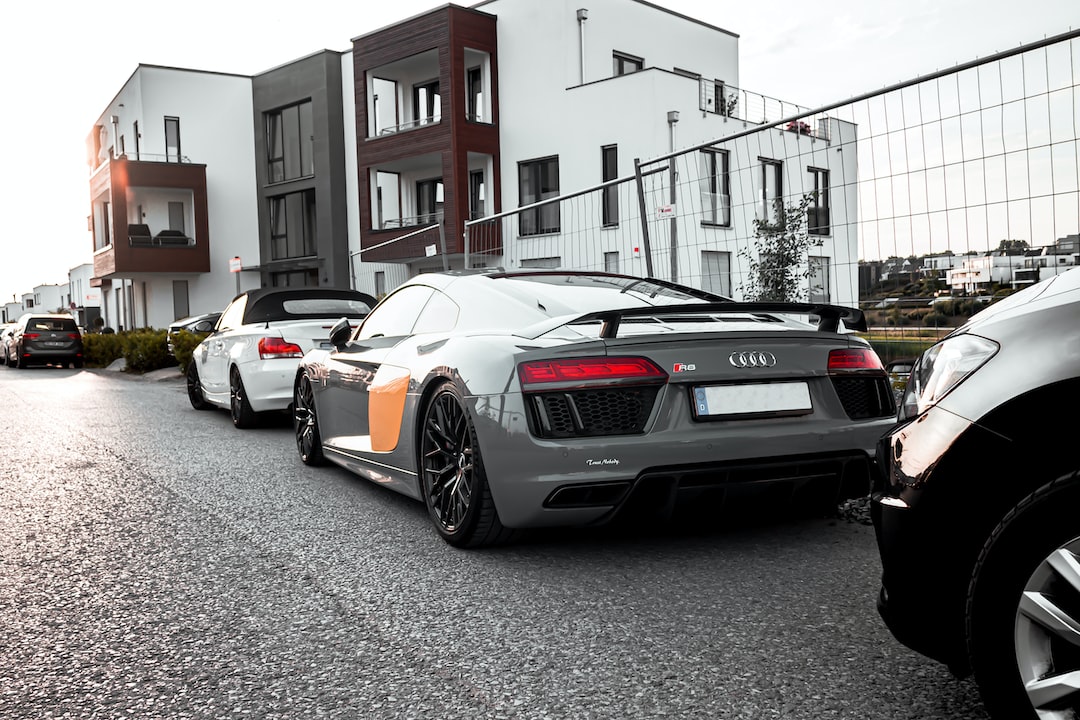
Luxury consumption is a phenomenon that has fascinated researchers and marketers alike for decades. The allure of luxury goods and services is undeniable, as they often symbolize wealth, status, and exclusivity. Understanding the psychology behind luxury consumption is crucial for marketers to effectively target and appeal to their affluent consumer base. Additionally, understanding why individuals are drawn to luxury can provide valuable insights into human behavior and motivations.
Understanding the allure of luxury goods and services
Luxury can be defined as something that is not essential for survival but is highly desirable due to its superior quality, craftsmanship, and exclusivity. The concept of luxury consumption has a long history, dating back to ancient civilizations where rulers and elites would adorn themselves with precious jewels and fabrics. Throughout history, luxury has been associated with power, wealth, and social status.
One of the key reasons why individuals are drawn to luxury goods and services is the appeal of exclusivity and rarity. Luxury brands often produce limited quantities of their products, creating a sense of scarcity and desirability. This exclusivity makes consumers feel special and privileged when they are able to acquire these items. Additionally, luxury brands often invest heavily in craftsmanship and quality, ensuring that their products are superior to mass-produced alternatives.
The role of social status in luxury consumption
Social comparison theory suggests that individuals have an innate desire to compare themselves to others in order to evaluate their own worth and social standing. Luxury consumption provides a means for individuals to signal their social status and gain recognition from others. Owning luxury goods or engaging in luxurious experiences can serve as a visible symbol of wealth and success.
The desire for social recognition and prestige also plays a significant role in luxury consumption behavior. Luxury brands often cultivate an image of exclusivity and prestige through their marketing strategies, appealing to consumers who want to be associated with these qualities. By owning luxury goods or engaging in luxurious experiences, individuals can enhance their social image and gain admiration from others.
The impact of social media on luxury consumption behavior cannot be ignored. Platforms like Instagram and Facebook have created a culture of showcasing one’s lifestyle and possessions, leading to increased pressure to engage in conspicuous consumption. Individuals are constantly exposed to images of others flaunting their luxury goods and experiences, which can create a desire to keep up with the perceived standards of success.
The psychology of conspicuous consumption
Conspicuous consumption refers to the act of purchasing and displaying luxury goods and services as a means of signaling one’s wealth and social status. This behavior is rooted in Thorstein Veblen’s theory of conspicuous consumption, which suggests that individuals engage in this behavior to gain social recognition and differentiate themselves from others.
The desire for status signaling is a key driver of conspicuous consumption behavior. By owning luxury goods or engaging in luxurious experiences, individuals can signal their wealth and success to others. This can lead to increased social recognition and admiration, as well as a sense of superiority over those who do not possess these items.
Social norms also play a significant role in influencing conspicuous consumption behavior. In some cultures, owning luxury goods is seen as a status symbol and a measure of success. Individuals may feel pressure to conform to these norms in order to fit in or gain acceptance within their social group.
The impact of advertising on luxury consumption behavior
Advertising plays a crucial role in shaping consumer behavior, and luxury brands are no exception. Luxury brands often use aspirational advertising, which portrays an idealized lifestyle that consumers aspire to achieve. By associating their products with this lifestyle, luxury brands create a desire for consumers to own their products as a means of achieving that desired image.
Celebrity endorsements are another common strategy used by luxury brands to influence consumer behavior. By associating their brand with a well-known celebrity, luxury brands can tap into the aspirational qualities that consumers admire in these individuals. This can create a desire to own the same products as their favorite celebrities, further driving luxury consumption behavior.
Emotional appeals are also commonly used in luxury advertising. Luxury brands often evoke emotions such as desire, excitement, and exclusivity in their advertisements to create a sense of longing and aspiration in consumers. By tapping into these emotions, luxury brands can create a strong emotional connection with consumers, leading to increased desire for their products.
The emotional appeal of luxury brands and products
Emotions play a significant role in luxury consumption behavior. Luxury brands often evoke emotions such as desire, excitement, and exclusivity in consumers through their marketing strategies. These emotions can create a strong emotional connection with the brand, leading to increased desire for their products.
Sensory marketing is a strategy often used by luxury brands to create an emotional appeal. Luxury brands often focus on creating a multisensory experience for consumers, appealing to their senses of sight, sound, touch, smell, and taste. By engaging multiple senses, luxury brands can create a more immersive and memorable experience for consumers, enhancing the emotional appeal of their products.
Brand storytelling is another strategy used by luxury brands to create an emotional connection with consumers. Luxury brands often tell stories about their heritage, craftsmanship, and attention to detail, creating a sense of authenticity and uniqueness. By sharing these stories, luxury brands can tap into consumers’ emotions and create a deeper connection with the brand.
The influence of personality traits on luxury consumption
Personality traits play a significant role in shaping consumer behavior, including luxury consumption behavior. The Big Five personality traits – openness to experience, conscientiousness, extraversion, agreeableness, and neuroticism – have been found to be related to luxury consumption.
Individuals who score high on openness to experience are more likely to engage in luxury consumption as they are more willing to try new things and seek out unique experiences. Conscientious individuals, on the other hand, may be less likely to engage in luxury consumption as they tend to be more practical and value-oriented.
Materialism and narcissism are two personality traits that have been found to be positively related to luxury consumption. Materialistic individuals place a high value on possessions and wealth, making them more likely to engage in luxury consumption as a means of signaling their status. Narcissistic individuals, who have an inflated sense of self-importance, may engage in luxury consumption as a means of enhancing their self-image and gaining admiration from others.
Self-monitoring is another personality trait that has been found to influence luxury consumption behavior. Individuals who score high on self-monitoring are more likely to engage in luxury consumption as they are more attuned to social cues and norms. They are more likely to be influenced by the opinions and behaviors of others, making them more susceptible to engaging in conspicuous consumption.
The role of self-esteem in luxury consumption behavior
Self-esteem plays a significant role in shaping consumer behavior, including luxury consumption behavior. Research has found that individuals with higher levels of self-esteem are more likely to engage in luxury consumption as a means of enhancing their self-image and boosting their self-worth.
Self-enhancement motives are a key driver of luxury consumption behavior among individuals with high self-esteem. By owning luxury goods or engaging in luxurious experiences, individuals can enhance their social image and gain admiration from others. This can lead to increased feelings of self-worth and satisfaction.
Luxury consumption can also serve as a coping mechanism for individuals with low self-esteem. Research has found that individuals with low self-esteem may engage in luxury consumption as a means of compensating for feelings of inadequacy or insecurity. By owning luxury goods or engaging in luxurious experiences, individuals can temporarily boost their self-esteem and feel better about themselves.
The psychology of brand loyalty in luxury consumption
Brand loyalty is a crucial aspect of luxury consumption behavior. Consumers who are loyal to a particular luxury brand are more likely to continue purchasing their products and recommending them to others. Understanding the psychology behind brand loyalty can provide valuable insights for marketers looking to build and maintain a loyal customer base.
Brand identity plays a significant role in influencing brand loyalty. Luxury brands often cultivate a strong brand identity that resonates with their target audience. This can include elements such as heritage, craftsmanship, and exclusivity. By aligning themselves with these qualities, luxury brands can create a sense of loyalty and affinity among consumers.
Perceived quality and value are also important factors in influencing brand loyalty. Luxury brands are often associated with superior quality and craftsmanship, which can create a perception of value among consumers. When consumers perceive that they are getting a high-quality product that is worth the price, they are more likely to develop loyalty towards the brand.
Brand community is another factor that influences brand loyalty in luxury consumption. Luxury brands often cultivate a sense of community among their customers through events, exclusive access, and personalized experiences. By creating a sense of belonging and connection, luxury brands can foster loyalty among their customers.
The impact of cultural values on luxury consumption behavior
Cultural values play a significant role in shaping luxury consumption behavior. Different cultures have different attitudes towards luxury and what it represents. Understanding these cultural values is crucial for marketers looking to effectively target and appeal to their global consumer base.
The influence of cultural values on luxury consumption can be seen in the differences between individualistic and collectivistic cultures. In individualistic cultures, such as the United States, individuals tend to place a higher value on personal achievement and self-expression. Luxury consumption in these cultures may be driven by the desire for self-enhancement and status signaling.
In collectivistic cultures, such as China, the emphasis is on group harmony and social relationships. Luxury consumption in these cultures may be driven by the desire to fit in and gain acceptance within one’s social group. Luxury brands that understand and cater to these cultural values are more likely to be successful in these markets.
Globalization has also had a significant impact on luxury consumption behavior. As cultures become more interconnected, individuals are exposed to different cultural values and norms. This can lead to a blending of cultural values and the adoption of luxury consumption behaviors from different cultures.
Cultural capital is another important factor in luxury consumption behavior. Cultural capital refers to the knowledge, skills, and cultural assets that individuals possess. Luxury consumption can serve as a means of displaying one’s cultural capital and distinguishing oneself from others. Individuals with higher levels of cultural capital may be more likely to engage in luxury consumption as a means of signaling their sophistication and taste.
The relationship between luxury consumption and happiness
The relationship between luxury consumption and happiness is complex and multifaceted. While luxury consumption can provide temporary feelings of happiness and satisfaction, research has found that the impact on overall well-being is limited.
Luxury consumption can provide individuals with a sense of pleasure and excitement in the short term. Owning luxury goods or engaging in luxurious experiences can create a sense of novelty and excitement, leading to increased feelings of happiness. However, these feelings are often short-lived, as individuals quickly adapt to their new possessions or experiences.
Hedonic adaptation is a psychological phenomenon where individuals quickly adapt to positive or negative changes in their lives, returning to their baseline level of happiness. This means that the initial boost in happiness from luxury consumption is temporary and does not have a lasting impact on overall well-being.
Finding a balance in luxury consumption behavior is crucial for long-term happiness. Research has found that individuals who engage in moderate levels of luxury consumption, rather than excessive or minimal levels, tend to have higher levels of overall well-being. This suggests that finding a balance between indulgence and restraint is key for maximizing happiness in luxury consumption.
Understanding the psychology behind luxury consumption is crucial for marketers and consumers alike. Luxury consumption is driven by a variety of factors, including the allure of exclusivity and rarity, the desire for social recognition and prestige, and the impact of advertising and emotional appeals. Personality traits, self-esteem, and cultural values also play a significant role in shaping luxury consumption behavior.
The relationship between luxury consumption and happiness is complex, with luxury consumption providing temporary feelings of pleasure and excitement but limited long-term impact on overall well-being. Finding a balance in luxury consumption behavior is crucial for maximizing happiness and well-being.
For marketers, understanding the psychology behind luxury consumption can provide valuable insights for effectively targeting and appealing to their affluent consumer base. By understanding the motivations and desires of luxury consumers, marketers can create more compelling marketing strategies that resonate with their target audience.
Future research directions in the field of luxury consumption could explore the impact of emerging technologies, such as virtual reality and augmented reality, on consumer behavior. Additionally, further research could delve into the role of sustainability and ethical considerations in luxury consumption behavior, as consumers become more conscious of their environmental impact. Overall, understanding the psychology behind luxury consumption will continue to be a fascinating area of study with implications for both marketers and consumers.
More in
More from Magazine
Magazine · 28 min
Luxury Wedding Planning: The Ultimate Guide
Luxury wedding planning guide: top destination venues, couture bridal designers, Michelin catering, headline entertainment and elite planners for a fl…

Magazine · 29 min
Luxury Wine & Spirits Collecting: The Complete Guide
Luxury wine and spirits collecting guide: how to evaluate investment-grade Bordeaux, Burgundy, Champagne and rare whisky, plus auctions, storage and r…
Magazine · 32 min
Luxury Fashion: The Complete Style Guide
The complete luxury fashion style guide: bespoke tailoring, haute couture, heritage maisons like Hermes and Chanel, 2026 trends, investment bags and s…