Magazine · Magazine
The Rise of Autonomous Luxury Vehicles
Autonomous luxury vehicles, also known as self-driving cars, are vehicles that can operate without human intervention. These vehicles use a combination of sensors, cameras, and art…
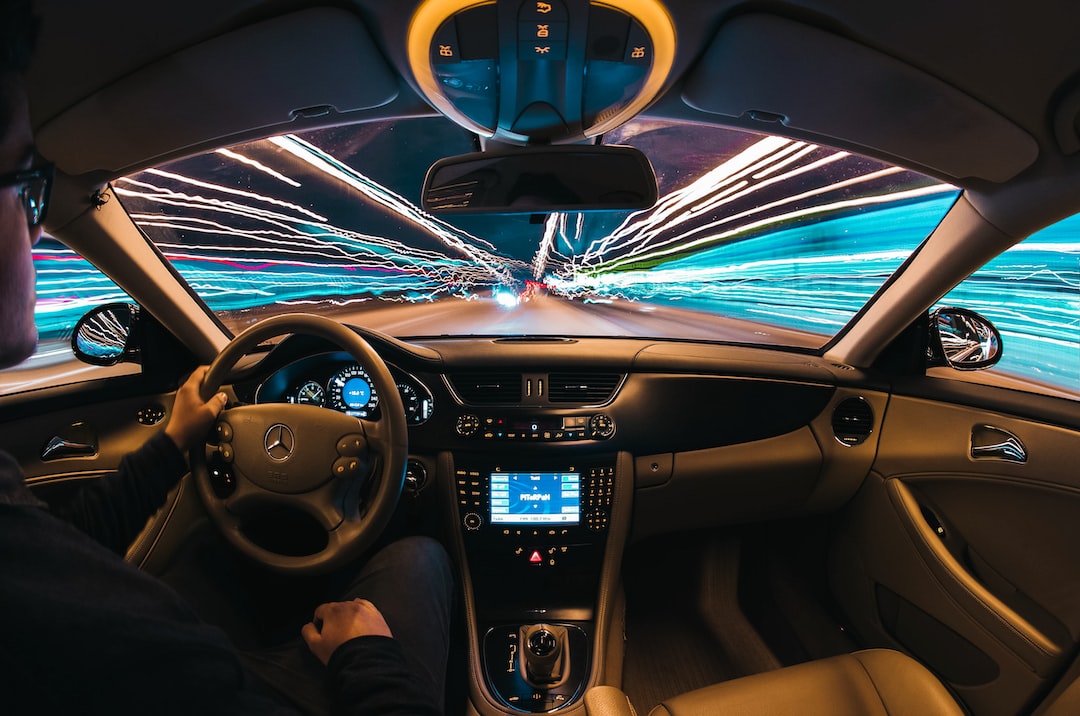
Autonomous luxury vehicles, also known as self-driving cars, are vehicles that can operate without human intervention. These vehicles use a combination of sensors, cameras, and artificial intelligence (AI) to navigate and make decisions on the road. The concept of self-driving cars has been around for decades, but recent advancements in technology have brought us closer to a future where autonomous vehicles are a common sight on our roads.
The history of self-driving technology can be traced back to the 1920s when researchers began experimenting with automated driving systems. However, it wasn’t until the 1980s that significant progress was made in developing self-driving technology. The Defense Advanced Research Projects Agency (DARPA) launched the first autonomous vehicle project in 1984, which led to the development of the first fully autonomous vehicle in 1995. Since then, luxury car manufacturers have been at the forefront of developing autonomous vehicles, with companies like Tesla, Mercedes-Benz, and BMW leading the way.
The Evolution of Self-Driving Technology in the Luxury Car Market
Luxury car manufacturers have been investing heavily in developing autonomous vehicles to meet the growing demand for advanced driving technologies. These companies have been working on various levels of autonomy, from driver-assist features to fully autonomous driving capabilities.
One of the major milestones in the development of self-driving technology in luxury cars was the introduction of Tesla’s Autopilot system in 2014. This system allowed Tesla vehicles to perform certain driving tasks, such as steering and braking, on their own. Since then, Tesla has continued to improve its Autopilot system and has even introduced a “Full Self-Driving” option that promises fully autonomous driving capabilities.
Other luxury car manufacturers have also made significant advancements in self-driving technology. Mercedes-Benz introduced its Drive Pilot system in 2013, which allows for semi-autonomous driving on highways. BMW has been working on its own autonomous driving system, called BMW Personal CoPilot, which is expected to be available in its vehicles by 2021.
Benefits of Autonomous Luxury Vehicles for Consumers
Autonomous luxury vehicles offer a range of benefits for consumers. One of the main advantages is increased safety. Self-driving cars are equipped with advanced sensors and AI algorithms that can detect and respond to potential hazards on the road more quickly and accurately than human drivers. This can help reduce the number of accidents and save lives.
In addition to safety, autonomous luxury vehicles also offer increased convenience. With self-driving technology, drivers can relax and let the car take over the driving tasks, allowing them to use their time more productively or simply enjoy the ride. This can be especially beneficial on long trips or during heavy traffic.
Another benefit of autonomous luxury vehicles is improved driving experience. Self-driving cars are designed to provide a smooth and comfortable ride, with features like adaptive cruise control and lane-keeping assist that help maintain a steady speed and stay in the correct lane. This can make driving more enjoyable and less stressful for consumers.
The Role of Artificial Intelligence in Autonomous Luxury Vehicles
Artificial intelligence plays a crucial role in enabling self-driving technology in luxury cars. AI algorithms analyze data from sensors and cameras to understand the vehicle’s surroundings and make decisions on the road. These algorithms can recognize objects, predict their movements, and plan the car’s trajectory accordingly.
AI-powered features in luxury cars go beyond just self-driving capabilities. For example, many luxury vehicles now come with voice recognition systems that allow drivers to control various functions of the car using voice commands. These systems use natural language processing algorithms to understand and respond to spoken instructions.
Another example of AI-powered features in luxury cars is advanced driver-assist systems (ADAS). These systems use AI algorithms to analyze data from sensors and cameras to provide real-time feedback to the driver. For example, ADAS can detect if the driver is drowsy or distracted and alert them to take corrective action. They can also provide warnings if the car is drifting out of its lane or if there is a potential collision ahead.
Challenges Faced by Luxury Car Manufacturers in Developing Autonomous Vehicles
Developing autonomous vehicles is not without its challenges. Luxury car manufacturers face several technical, regulatory, and consumer acceptance challenges in bringing self-driving cars to the market.
One of the main technical challenges is ensuring the reliability and safety of self-driving technology. Autonomous vehicles need to be able to operate in a wide range of driving conditions and handle unexpected situations on the road. This requires advanced sensors and AI algorithms that can accurately perceive and interpret the environment.
Regulatory hurdles are another challenge for luxury car manufacturers. Self-driving technology is still relatively new, and there are many legal and regulatory issues that need to be addressed before autonomous vehicles can be widely adopted. For example, there are questions about liability in case of accidents involving self-driving cars and how to ensure the safety of passengers and pedestrians.
Consumer acceptance is also a challenge for luxury car manufacturers. Many people are still skeptical about the safety and reliability of self-driving cars. There is a need for more education and awareness about the benefits of autonomous vehicles to overcome this skepticism and gain consumer trust.
The Impact of Autonomous Luxury Vehicles on the Automotive Industry
The rise of autonomous luxury vehicles is expected to have a significant impact on the automotive industry. One of the main ways it will disrupt the industry is by changing traditional car ownership models. With self-driving technology, consumers may no longer need to own a car. Instead, they can use ride-sharing services or autonomous taxis to get around, which could lead to a decline in car ownership.
This shift in car ownership models presents new business opportunities for luxury car manufacturers. Instead of selling cars directly to consumers, they can partner with ride-sharing companies or develop their own autonomous taxi services. This could open up new revenue streams and help luxury car manufacturers adapt to the changing market.
The rise of autonomous luxury vehicles will also have an impact on the automotive supply chain. With the introduction of self-driving technology, there will be a need for new components and systems, such as advanced sensors and AI algorithms. This could create new opportunities for suppliers and manufacturers of these technologies.
The Future of Autonomous Luxury Vehicles: Trends and Predictions
The future of autonomous luxury vehicles looks promising, with experts predicting significant growth in the coming years. According to a report by Allied Market Research, the global autonomous luxury vehicle market is expected to reach $223 billion by 2026, growing at a CAGR of 35.6% from 2019 to 2026.
One of the emerging trends in self-driving technology is the integration of AI and machine learning. As AI algorithms become more advanced, they will be able to learn from real-world driving data and improve their performance over time. This could lead to even safer and more efficient autonomous vehicles.
Another trend is the development of connected autonomous vehicles. These vehicles will be able to communicate with each other and with infrastructure systems, such as traffic lights and road signs, to optimize traffic flow and reduce congestion. This could help improve overall transportation efficiency and reduce travel times.
In terms of luxury car ownership, there are predictions that car ownership will become more personalized and on-demand. With self-driving technology, consumers may be able to customize their ride experience, such as choosing the interior design or entertainment options, and have the car delivered to their location when they need it.
Autonomous Luxury Vehicles and Sustainability: Environmental Benefits
Autonomous luxury vehicles have the potential to bring significant environmental benefits. One of the main advantages is reduced carbon emissions. Self-driving cars can optimize their driving patterns to minimize fuel consumption and emissions. They can also take advantage of advanced energy management systems to maximize the use of renewable energy sources, such as solar or wind power.
In addition to reduced carbon emissions, autonomous luxury vehicles can also help increase overall transportation efficiency and reduce traffic congestion. With self-driving technology, vehicles can communicate with each other and with traffic management systems to optimize traffic flow and reduce the number of vehicles on the road. This can help reduce travel times and fuel consumption.
Furthermore, autonomous luxury vehicles have the potential to integrate renewable energy sources into their power systems. For example, self-driving cars could be equipped with solar panels on the roof to generate electricity and reduce reliance on fossil fuels. This could help accelerate the transition to a more sustainable transportation system.
Safety Concerns and Regulations for Autonomous Luxury Vehicles
Safety is a top concern when it comes to autonomous luxury vehicles. While self-driving technology has the potential to improve road safety, there are still challenges that need to be addressed. Current safety standards for self-driving cars focus on ensuring that the technology is reliable and can operate safely in a wide range of driving conditions.
Ethical considerations are also important in autonomous vehicle design. For example, self-driving cars may need to make split-second decisions in situations where there is a risk of an accident. These decisions may involve choosing between different courses of action that could result in harm to different parties. There is a need for clear guidelines and regulations on how these decisions should be made to ensure ethical behavior.
Regulatory challenges are another concern for autonomous luxury vehicles. As self-driving technology continues to advance, there is a need for updated regulations that address the unique challenges posed by autonomous vehicles. This includes issues such as liability in case of accidents involving self-driving cars and ensuring the safety of passengers and pedestrians.
The Cost of Autonomous Luxury Vehicles: Affordability and Accessibility
The cost of autonomous luxury vehicles is another important consideration. Currently, self-driving cars are still relatively expensive compared to traditional vehicles. The advanced sensors, cameras, and AI algorithms required for autonomous driving add to the cost of the vehicle. However, as the technology continues to evolve and become more widespread, it is expected that the cost of autonomous luxury vehicles will decrease.
There is also a concern about the accessibility of autonomous luxury vehicles for low-income consumers. While self-driving technology has the potential to improve transportation accessibility for people with disabilities or those who are unable to drive, there is a need to ensure that autonomous vehicles are affordable and accessible to all segments of society. This includes addressing issues such as affordability, availability, and infrastructure support.
Conclusion:
Autonomous luxury vehicles have the potential to revolutionize the way we travel and experience transportation. With their advanced self-driving technology and AI-powered features, these vehicles offer increased safety, convenience, and improved driving experiences for consumers. However, there are still challenges that need to be addressed, such as technical hurdles, regulatory issues, and consumer acceptance.
Despite these challenges, the future of autonomous luxury vehicles looks promising. With advancements in AI and machine learning, we can expect even safer and more efficient self-driving cars in the future. The rise of autonomous luxury vehicles will also have a significant impact on the automotive industry, disrupting traditional car ownership models and creating new business opportunities.
Furthermore, autonomous luxury vehicles have the potential to bring environmental benefits by reducing carbon emissions and increasing transportation efficiency. However, safety concerns and regulations need to be addressed to ensure the safe operation of self-driving cars. Additionally, the cost and accessibility of autonomous luxury vehicles need to be considered to ensure that they are affordable and accessible to all segments of society.
In conclusion, while there are still challenges to overcome, autonomous luxury vehicles have the potential to transform our transportation system and improve our lives in many ways. As technology continues to advance and regulations catch up, we can expect to see more self-driving cars on our roads in the near future.
More in
More from Magazine

Magazine · 28 min
Luxury Wedding Planning: The Ultimate Guide
Luxury wedding planning guide: top destination venues, couture bridal designers, Michelin catering, headline entertainment and elite planners for a fl…

Magazine · 29 min
Luxury Wine & Spirits Collecting: The Complete Guide
Luxury wine and spirits collecting guide: how to evaluate investment-grade Bordeaux, Burgundy, Champagne and rare whisky, plus auctions, storage and r…

Magazine · 32 min
Luxury Fashion: The Complete Style Guide
The complete luxury fashion style guide: bespoke tailoring, haute couture, heritage maisons like Hermes and Chanel, 2026 trends, investment bags and s…