Magazine · Magazine
The Rise of Personalized Luxury Apparel
Personalized luxury apparel is a growing trend in the fashion industry, allowing consumers to create unique and one-of-a-kind pieces that reflect their individual style and prefere…

Personalized luxury apparel is a growing trend in the fashion industry, allowing consumers to create unique and one-of-a-kind pieces that reflect their individual style and preferences. In a world where mass production dominates, personalization offers a way for consumers to stand out and express their individuality. This article will explore the evolution of personalized luxury apparel, the role of technology in revolutionizing personalization, the impact of social media on the demand for personalized luxury apparel, the role of artificial intelligence in creating personalized fashion, the growing trend of sustainable and ethical personalized luxury apparel, the rise of bespoke luxury fashion, the importance of personalized luxury apparel in building brand loyalty, predictions and trends for the future of personalized luxury apparel, the intersection of personalization and mass production in luxury fashion, and the power of personalized luxury apparel in celebrating individuality and self-expression.
The Evolution of Personalized Luxury Apparel: From Custom Tailoring to Digital Design
Personalized luxury apparel has a rich historical background that dates back centuries. In the past, custom tailoring was the primary method of personalization. Wealthy individuals would have their garments made to measure by skilled tailors who would take precise measurements and create garments that fit perfectly. This level of customization was a symbol of status and exclusivity.
With the advent of digital design, personalization has taken on a new form. Digital design allows consumers to create their own unique designs using software programs or online platforms. They can choose from a variety of options such as fabric, color, pattern, and style to create a garment that is truly their own. This shift from traditional methods of customization to digital design has made personalization more accessible to a wider audience.
How Technology is Revolutionizing the Personalization of Luxury Fashion
Technology has played a significant role in revolutionizing the personalization of luxury fashion. One of the most notable advancements is the use of 3D printing and virtual reality. 3D printing allows designers to create intricate and complex designs that were previously impossible to achieve. Virtual reality, on the other hand, allows consumers to virtually try on garments and see how they would look before making a purchase. These technologies have made personalization more immersive and interactive.
Advancements in artificial intelligence and machine learning have also had a profound impact on the personalization of luxury fashion. AI algorithms can analyze vast amounts of data to predict consumer preferences and trends, allowing brands to offer personalized recommendations and suggestions. AI-powered chatbots and virtual stylists can also provide personalized styling advice based on individual preferences and body types. These advancements have made personalization more efficient and accurate.
The Impact of Social Media on the Demand for Personalized Luxury Apparel
Social media has had a significant impact on the demand for personalized luxury apparel. Platforms like Instagram, Pinterest, and TikTok have become influential in shaping fashion trends and driving consumer demand. Fashion influencers and celebrities often showcase their personalized outfits on social media, inspiring their followers to seek out similar personalized pieces.
In addition, the rise of influencer marketing has further fueled the demand for personalized luxury apparel. Brands collaborate with influencers to create limited-edition collections or exclusive designs that are only available to their followers. This creates a sense of exclusivity and uniqueness, driving consumers to seek out personalized options.
Furthermore, social media plays a crucial role in creating brand awareness and loyalty. Brands that embrace personalization and showcase their customized offerings on social media are more likely to attract a loyal following. Consumers feel a sense of connection with brands that understand their individual style and preferences, leading to increased brand loyalty.
The Role of Artificial Intelligence in Creating Personalized Luxury Fashion
Artificial intelligence is playing an increasingly important role in creating personalized luxury fashion. AI algorithms can analyze vast amounts of data, including consumer preferences, purchase history, and social media activity, to predict what individuals are likely to be interested in. This allows brands to offer personalized recommendations and suggestions, making the shopping experience more tailored and efficient.
AI-powered chatbots and virtual stylists are also being used to provide personalized styling advice. These virtual assistants can ask questions about individual preferences, body type, and occasion to provide customized outfit suggestions. This level of personalization creates a more engaging and interactive shopping experience.
While AI has many benefits in personalization, there are also challenges that need to be addressed. Privacy concerns and data security are major considerations when using AI algorithms to analyze consumer data. Brands must ensure that they have proper safeguards in place to protect consumer information. Additionally, there is a risk of over-reliance on AI, which could lead to a loss of human touch and creativity in the design process.
The Growing Trend of Sustainable and Ethical Personalized Luxury Apparel
Sustainability and ethics have become increasingly important in the fashion industry, and this trend extends to personalized luxury apparel as well. Consumers are becoming more conscious of the environmental and social impact of their clothing choices and are seeking out sustainable and ethical options.
Brands are responding to this demand by using eco-friendly materials and ethical production methods in their personalized offerings. They are sourcing organic or recycled fabrics, using natural dyes, and ensuring fair labor practices throughout the supply chain. This commitment to sustainability and ethics adds value to personalized luxury apparel and resonates with consumers who prioritize these values.
The Rise of Bespoke Luxury Fashion: Why Custom-Made is the New Luxury
Bespoke luxury fashion is experiencing a resurgence in popularity as consumers seek out unique and exclusive pieces. Bespoke refers to garments that are made to measure, taking into account individual measurements, preferences, and style. This level of customization offers a truly one-of-a-kind experience that cannot be replicated with ready-to-wear garments.
One of the key benefits of bespoke luxury fashion is the perfect fit. Garments are made to the exact measurements of the individual, ensuring a flattering and comfortable fit. This attention to detail and craftsmanship is a hallmark of luxury and adds to the exclusivity of the piece.
Consumers are also drawn to bespoke luxury fashion because it allows them to have a say in the design process. They can choose from a wide range of options such as fabric, color, pattern, and style to create a garment that reflects their personal style and preferences. This level of customization offers a sense of self-expression and individuality that is highly valued by consumers.
The Importance of Personalized Luxury Apparel in Building Brand Loyalty
Personalized luxury apparel plays a crucial role in building brand loyalty. By offering personalized options, brands can create emotional connections with consumers and make them feel valued and understood. When consumers feel that a brand understands their individual style and preferences, they are more likely to develop a sense of loyalty and trust.
Personalization also enhances the overall shopping experience. When consumers can create their own unique designs or receive personalized recommendations, they feel more engaged and invested in the process. This positive experience leads to increased satisfaction and loyalty.
Several brands have successfully used personalization to build brand loyalty. For example, Nike allows customers to design their own sneakers through their Nike By You program. This level of customization has created a loyal following of customers who appreciate the ability to create unique designs that reflect their personal style.
The Future of Personalized Luxury Apparel: Predictions and Trends
The future of personalized luxury apparel holds many exciting possibilities. One prediction is that technology will continue to play a significant role in personalization. Advancements in virtual reality and augmented reality will allow consumers to virtually try on garments and see how they would look in real-time. This immersive experience will make personalization even more interactive and engaging.
Another trend that is expected to continue is the integration of AI into the personalization process. AI algorithms will become even more sophisticated in predicting consumer preferences and trends, allowing brands to offer highly personalized recommendations and suggestions. AI-powered chatbots and virtual stylists will also become more advanced, providing even more accurate and tailored advice.
Challenges and opportunities lie ahead for brands in the future of personalized luxury apparel. Brands will need to find a balance between personalization and mass production to meet consumer demand while maintaining profitability. They will also need to address privacy concerns and data security as they collect and analyze more consumer data. However, the opportunities for brands to create unique and personalized experiences for consumers are vast, and those that embrace personalization are likely to thrive in the future.
The Intersection of Personalization and Mass Production in Luxury Fashion
Finding a balance between personalization and mass production is a challenge that luxury fashion brands face. Personalization often requires more time, resources, and attention to detail, which can be at odds with the efficiency and cost-effectiveness of mass production.
However, technology has made it possible to combine personalization with mass production. For example, brands can use digital printing techniques to create personalized designs on a larger scale. This allows for greater customization while still maintaining efficiency in the production process.
The benefits of combining personalization with mass production are significant. Brands can offer a wider range of options to consumers while still meeting demand in a timely manner. This allows for greater flexibility and choice, enhancing the overall shopping experience.
The Power of Personalized Luxury Apparel in Celebrating Individuality and Self-Expression
Personalized luxury apparel has the power to celebrate individuality and self-expression. In a world where fashion trends often dictate what is considered stylish, personalization offers a way for individuals to break free from the mold and create their own unique style.
By allowing consumers to choose from a wide range of options such as fabric, color, pattern, and style, personalized luxury apparel allows individuals to express their personality and preferences. It offers a way for individuals to stand out and be seen in a sea of mass-produced garments.
Several brands have successfully used personalization to celebrate individuality. For example, Gucci offers a customization service where customers can personalize their handbags with their initials or choose from a variety of patches and embellishments. This level of personalization allows individuals to create a bag that is truly their own and reflects their personal style.
Personalized luxury apparel is a growing trend in the fashion industry, offering consumers the opportunity to create unique and one-of-a-kind pieces that reflect their individual style and preferences. The evolution of personalized luxury apparel has been shaped by advancements in technology, the influence of social media, and the growing demand for sustainability and ethics.
The future of personalized luxury apparel holds many exciting possibilities, with advancements in virtual reality, augmented reality, and AI expected to play a significant role. Brands that embrace personalization are likely to thrive in the future, as they can create unique and personalized experiences for consumers that build brand loyalty.
In conclusion, personalization is of utmost importance in luxury fashion as it allows consumers to express their individuality and stand out in a world dominated by mass production. Brands that embrace personalization are likely to attract a loyal following and create emotional connections with consumers. The time is now for brands to embrace personalization in their offerings and tap into the growing demand for unique and personalized luxury apparel.
More in
More from Magazine

Magazine · 28 min
Luxury Wedding Planning: The Ultimate Guide
Luxury wedding planning guide: top destination venues, couture bridal designers, Michelin catering, headline entertainment and elite planners for a fl…

Magazine · 29 min
Luxury Wine & Spirits Collecting: The Complete Guide
Luxury wine and spirits collecting guide: how to evaluate investment-grade Bordeaux, Burgundy, Champagne and rare whisky, plus auctions, storage and r…
Magazine · 32 min
Luxury Fashion: The Complete Style Guide
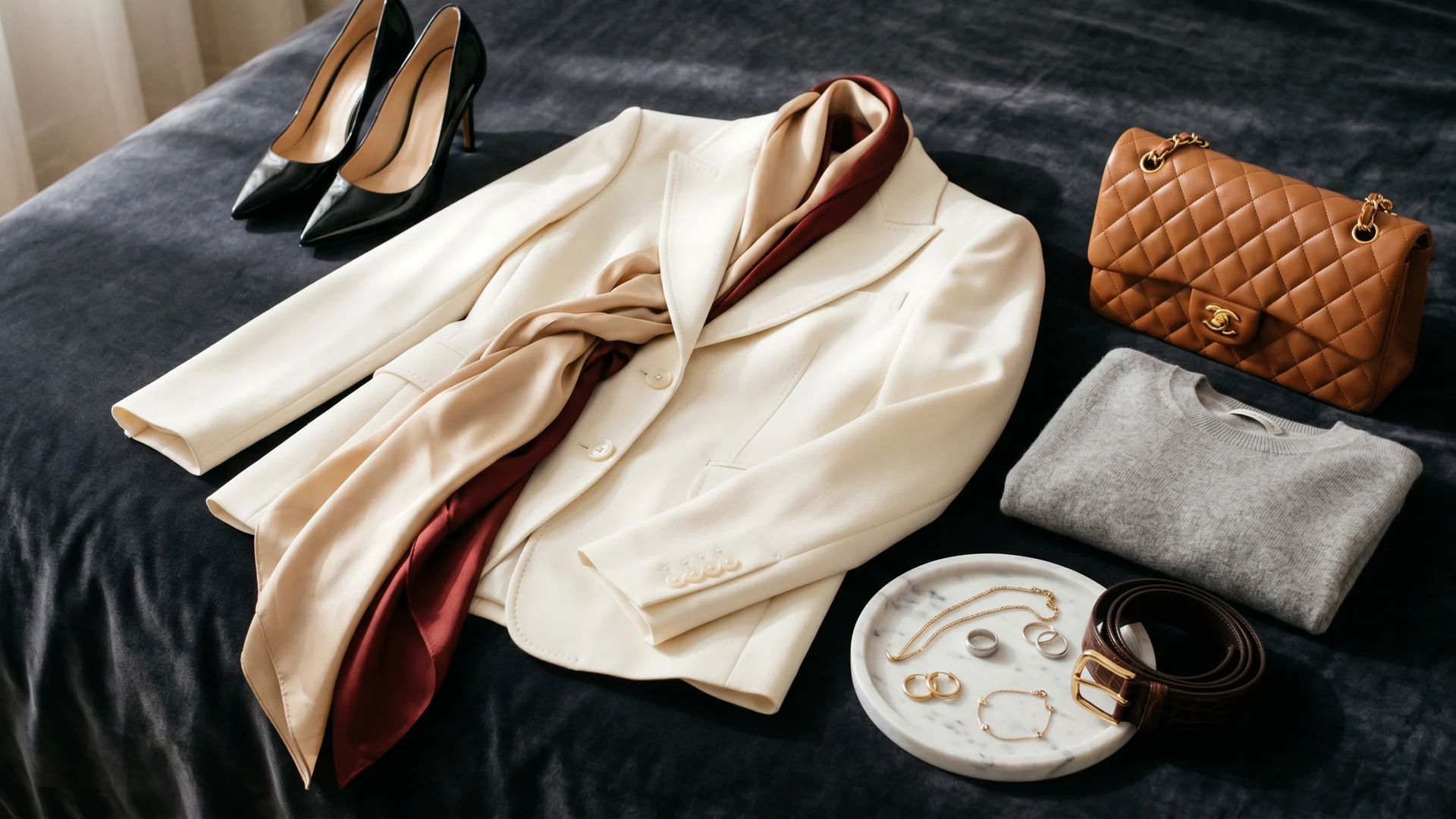
The complete luxury fashion style guide: bespoke tailoring, haute couture, heritage maisons like Hermes and Chanel, 2026 trends, investment bags and s…